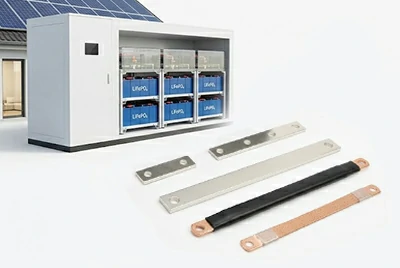
Chalco supplies custom battery bus bars for EV battery packs, lithium-ion and LiFePO4 modules, and energy storage systems. Available configurations include rigid, terminal-mounted, flexible, laminated, and insulated conductors for current collection and distribution, selected according to electrical load, installation space, and connection layout.
Drawing on experience in power battery aluminum materials and electrical conductor fabrication, Chalco supports aluminum, copper-clad aluminum (CCA), and copper battery busbar projects. Share your drawings, conductor material, dimensions, connection points, insulation needs, and order quantity for a configuration and manufacturability review.
Chalco Battery Bus Bar Types & Configurations
Select the battery busbar structure according to the current path, battery module layout, connection interface, assembly tolerance, and available installation space. Chalco supports both rigid and flexible designs and can review special configurations against customer drawings.

Flat Bus Bar for Battery Pack & Battery Bank
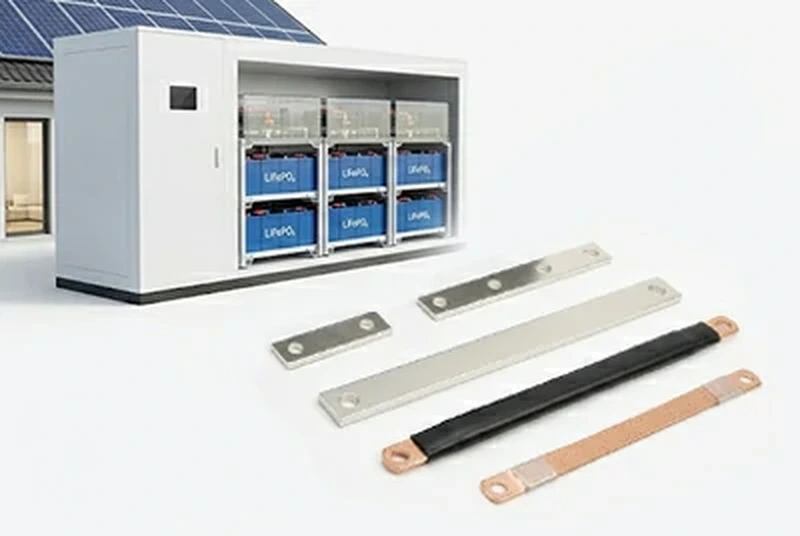
Rigid flat battery bus bars form repeatable current paths between cells, modules, battery packs, or battery-bank sections. Specify conductor cross-section, length, hole pattern, contact surface, and bending requirements for drawing-based production.

Flexible Bus Bar & Laminated Bus Bar
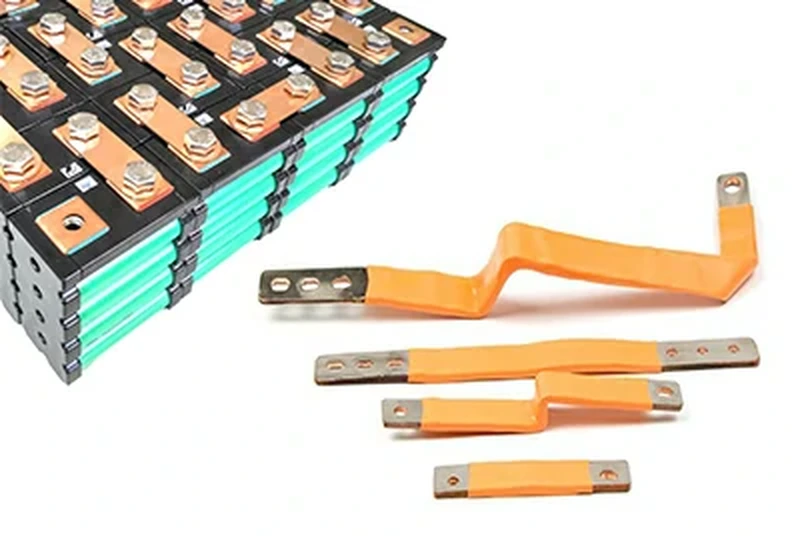
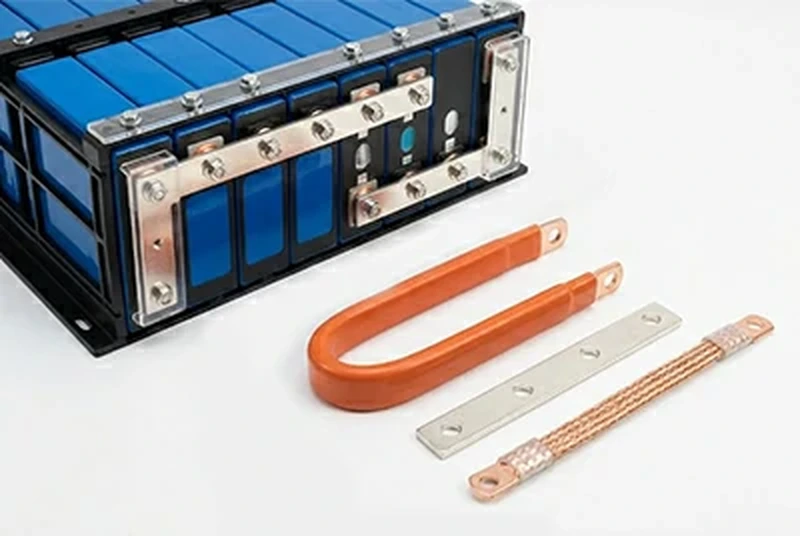
Flexible bus bars help accommodate movement, vibration, thermal expansion, and assembly tolerance. Laminated busbars can integrate multiple conductive layers and insulation where system architecture requires compact routing; the construction is confirmed for each project.

Terminal battery bus bars distribute current through defined connection points. Available terminal patterns and hardware interfaces are reviewed against voltage, current, spacing, and installation requirements rather than assumed to be universal off-the-shelf fittings.

Battery Post Busbar & Stud-Mounted Bus Bar
Post- and stud-mounted designs connect battery terminals or distribution points using specified stud sizes, hole spacing, and contact geometry. Chalco supports drawing-based layouts for industrial battery assemblies and pack connections.

Positive / Negative Distribution Bus Bar
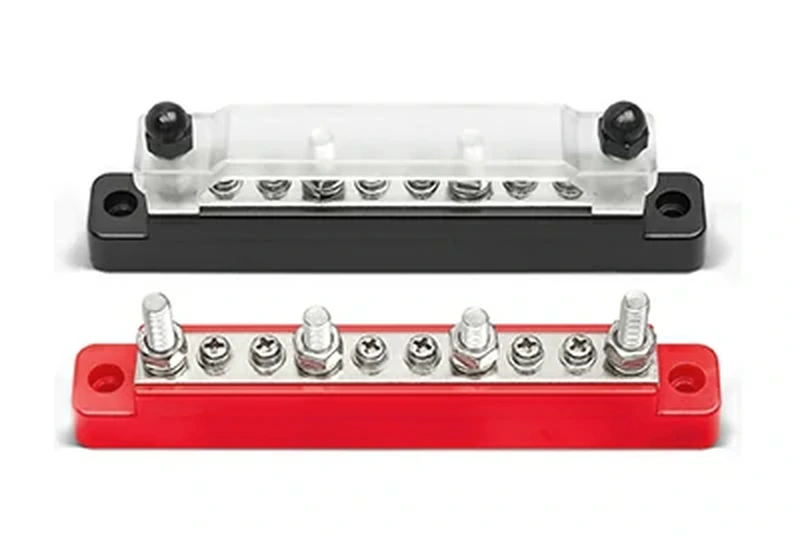
Separate positive and negative distribution bus bars support organized current routing in battery systems, including selected 12V/48V industrial arrangements. Conductor sizing, insulation clearances, and interface layout require project-level confirmation.
Share your battery bus bar layout, connection requirements, and preferred configuration. Chalco can help identify suitable rigid, flexible, or terminal-mounted solutions for your project.
Battery Bus Bar Materials
Chalco supplies aluminum, copper-clad aluminum (CCA), and copper battery bus bars for EV packs and energy storage systems. Material selection depends on conductivity, weight, connection design, and cost.

Aluminum Battery Bus Bar
Lightweight busbars for EV battery packs and energy storage systems. Available alloys include 1060, 1070, 1370, 6101, and selected 8170.

Copper Clad Aluminum Bus Bar (CCA)
Combines an aluminum core and copper surface to balance weight, contact requirements, and cost in selected battery assemblies.

Copper Battery Bus Bar
High-conductivity copper busbars for battery systems requiring compact conductor sections or specific electrical connections.
Provide your current requirements, weight targets, and connection specifications. Chalco can help evaluate suitable aluminum, copper, or CCA battery bus bar materials.
Battery Bus Bar Technical Specifications
Chalco offers selected battery bus bar materials and conductor forms for EV battery packs and energy storage projects. Review the reference specifications below to identify suitable alloys, conductor dimensions, and performance options before submitting project drawings.
| Item | Reference Supply / Specification |
| Conductive materials | Aluminum, copper-clad aluminum (CCA), copper |
| Aluminum alloys | 1060, 1070, 1370, 6101, selected 8170 |
| Conductor forms | Straight lengths, coiled stock, rectangular and rounded profiles |
| Reference width | 10–150 mm (selected continuously extruded aluminum conductors) |
| Cross-sectional area | 20–1200 mm² (same aluminum conductor series) |
| Available tempers | 6101-T6/T61/T63/T64/T65; selected 1xxx tempers |
| Electrical conductivity | 6101: 56.5–60.5% IACS; selected 1xxx: 60–61.5% IACS |
| Tensile strength | 55–200 MPa (depending on alloy and temper) |
| Elongation | 14–40% (depending on alloy and temper) |
| Custom processing | Cutting, bending, hole machining, contact finishing, insulation |
| RFQ requirements | Material, temper, dimensions, current, connections, insulation, drawings, quantity |
Specification note: The width, cross-section, conductivity, and mechanical references above come from selected conductor and busbar-related product data used as supply reference information. They do not apply uniformly to every finished battery bus bar, copper/CCA product, flexible assembly, or laminated construction. Final electrical performance, dimensional tolerance, and manufacturability should be confirmed against the selected material, temper, geometry, and processing route.
Send your required alloy, temper, conductor dimensions, and electrical specifications for a review of available battery bus bar sizes and material options.
Battery Bus Bar Applications for EV & Energy Storage
Battery bus bar selection depends on the battery architecture, installation interface, current path, thermal environment, insulation needs, and assembly method. The following application areas represent the most relevant project types currently covered by this page.
EV battery packs: Battery bus bars are used to connect cells, modules, and distribution points inside EV battery packs. Buyers usually focus on current path design, pack space, bend geometry, insulation, repeatable assembly, and connection reliability under vibration and thermal cycling.
Energy storage systems (ESS / BESS): In battery racks, modules, and battery-bank assemblies, bus bars are used for organized current collection and distribution. The main concerns are conductor sizing, spacing, insulation coordination, interface layout, and stable installation across repeated system configurations.
Lithium-ion and LiFePO4 battery systems: These systems often require bus bars matched to cell grouping, module layout, and pack integration. Hole layout, conductor section, material selection, and tolerance control should all be reviewed against the actual battery structure and operating conditions.
12V / 48V industrial battery systems: Selected low-voltage industrial battery assemblies also use terminal or distribution bus bars for centralized electrical connections. Buyers typically need to confirm stud layout, rated current, spacing, insulation clearance, and equipment environment before production.
Share your EV battery pack, energy storage, or industrial battery system requirements. Chalco can recommend suitable busbar configurations based on your application and installation layout.
Custom Battery Bus Bar Manufacturing & Insulation Solutions
Chalco supports custom battery bus bar manufacturing for EV battery packs and energy storage systems, from selected continuously extruded aluminum conductors to CNC machining, bending, contact finishing, and insulation. Straight-length and coiled conductor options, together with drawing-based fabrication and batch supply support, help OEM customers meet their electrical and assembly requirements.
Layout & Connection Design: Coordinate current paths, busbar routing, hole locations, and busbar connector interfaces to match battery module layouts and installation space.
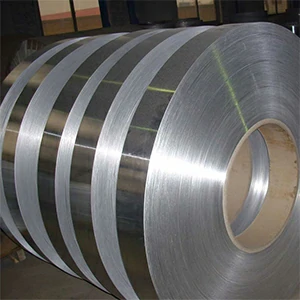
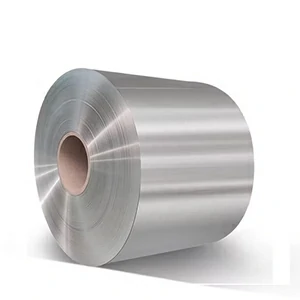
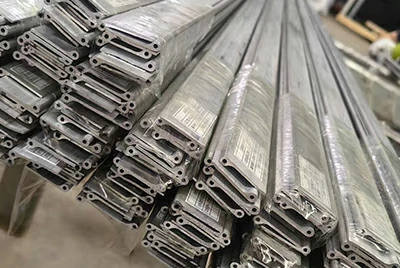
Continuous Extrusion & Conductor Supply: Supply selected 1060, 1070, 1370, 6101, and 8170 aluminum conductors in straight lengths or coils, with cross-sections and tempers matched to downstream forming and assembly requirements.
Precision CNC Machining: Cutting, drilling, and contact-area machining to meet specified dimensions, hole spacing, and assembly tolerances.
Bending & Forming: Flat, bent, and offset busbar configurations produced according to drawings, with bending feasibility assessed by material, temper, and conductor section.
Contact Surface Finishing: Tin-plated aluminum busbars and selected silver-plated contact options to meet joint compatibility and connection requirements.
Batch Production & Dimensional Control: Maintain critical dimensions, hole patterns, bend geometry, and surface consistency against approved drawings and agreed acceptance criteria.
Electrical Insulation Options: Selected aluminum battery bus bars can be supplied with PA12, PVC, or PE insulation for electrical isolation and installation protection. Insulation material, thickness, and dielectric requirements are confirmed according to the conductor design and operating conditions.
Fire-Resistant & Thermal Protection Configurations: For EV battery packs requiring additional thermal protection, selected busbar designs can incorporate a conductor, thermal insulation layer, fire-resistant layer, and outer insulation. Formed configurations can be evaluated against customer drawings, with fire-protection performance and manufacturing feasibility confirmed for each project.
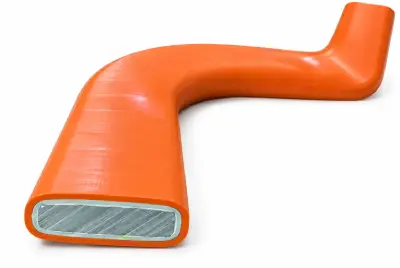
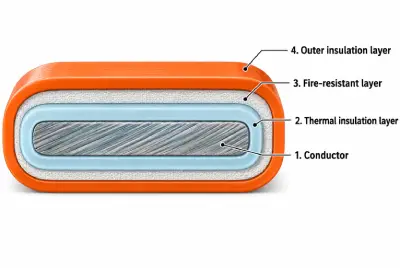
Insulation thickness, temperature rating, fire-protection performance, and manufacturing feasibility are confirmed for each product configuration and project.
Battery Bus Bar Quality Control & Technical Support
Battery busbar acceptance should be based on the approved component drawing and its electrical, mechanical, and installation requirements. Chalco can coordinate inspection and technical documentation for the selected material and finished configuration according to the agreed order scope.
- Acceptance documentation — available material certificates, dimensional/electrical inspection records, and coordinated third-party testing when included in the approved order scope.
- Material verification — applicable alloy/grade, temper, incoming material identification, and agreed traceability records.
- Dimensional checks — conductor section and length, hole/stud positions, bend geometry, flatness where specified, and contact-area condition.
- Electrical verification — material conductivity or finished-part resistance/contact-resistance measurements when specified, using agreed methods and limits.
- Insulation and special protection — inspection of insulation coverage, thickness, and visual condition, with dielectric or fire-resistance testing available for selected configurations. The flame-exposure test and temperature response shown below illustrate verification of a specific fire-resistant busbar construction.
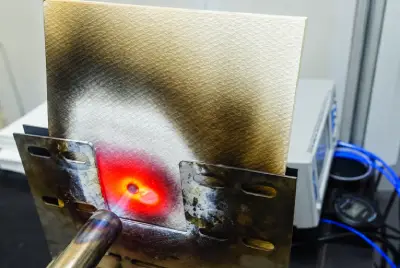
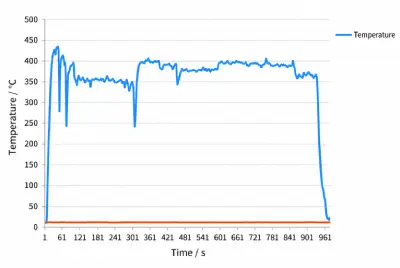
Test methods, acceptance limits, document formats, and third-party inspection requirements should be stated in the RFQ or approved technical agreement. Requirements vary by product construction and cannot be assumed to apply uniformly to all busbars.
Submit your busbar drawings, machining tolerances, insulation requirements, and inspection criteria. Chalco can review manufacturing feasibility, quality documentation, and project-specific supply options.
Battery Bus Bar vs. Cable & Flexible Connections
Rigid bus bars, flexible bus bars, and cables are complementary connection options in battery systems. Selection depends on the current path, assembly movement, available routing space, and installation requirements.

Rigid bus bars: Suitable for defined, repeatable paths between battery cells, modules, and fixed distribution points; detailed joint geometry and insulation are important.
Flexible bus bars: Useful at locations subject to vibration, thermal expansion, or assembly misalignment; braid, foil-stack, and laminated constructions are not interchangeable and must be evaluated separately.
Cables: Suitable where routing flexibility or installation distance makes a fixed conductor less practical; terminal interfaces and cable management remain important.
Many packs and energy storage systems use more than one connection type. The preferred combination should follow the electrical layout and mechanical integration requirements.
Battery Bus Bar FAQs
Q1: Can Chalco manufacture battery bus bars from custom drawings?
Yes. Provide conductor material and temper, cross-section, length, hole or stud locations, bend details, insulation requirements, quantity, and a drawing or 3D model where available. Manufacturing feasibility and critical dimensions are reviewed for the specific design.
Q2: How should battery bus bar size be selected for the required current?
Battery bus bar sizing should be reviewed together with the required current, allowable temperature rise, conductor material, path length, joint design, installation space, and insulation arrangement. There is no single universal size rule for all battery systems, so the conductor section and structure should be confirmed against the actual electrical and mechanical requirements.
Q3: How do aluminum, copper, and CCA battery bus bars differ?
Aluminum offers lower weight, copper offers higher conductivity per unit cross-section, and CCA may suit selected interface and weight requirements. Cross-section, joint design, finish, and cost should be assessed together. Review the copper and aluminum busbar comparison.
Q4: Can battery bus bars include insulation or fire-resistant layers?
Selected aluminum conductor configurations support insulation options, while special EV PACK designs may use additional heat-resistant or fire-protective layers. Available constructions and performance requirements must be confirmed against the requested application and test criteria.
Q5: What specifications are needed for a battery bus bar quotation?
Send the application (EV pack, ESS/BESS, LiFePO4, or industrial battery), conductor material, dimensions, current or electrical design basis, connection interfaces, insulation or plating requirements, drawings, order quantity, and requested inspection documentation.
Related Battery Connection Products
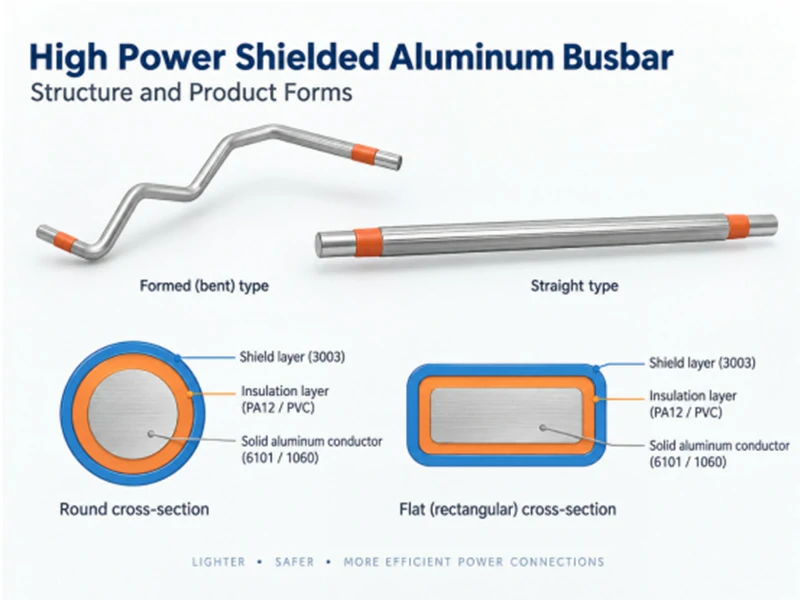
High-Power Shielded Aluminum Busbar
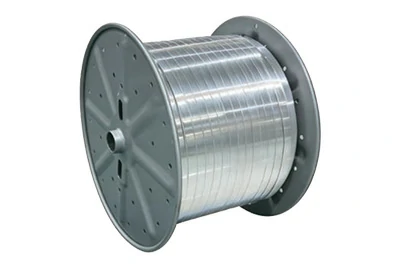
Coiled Aluminum Busbar
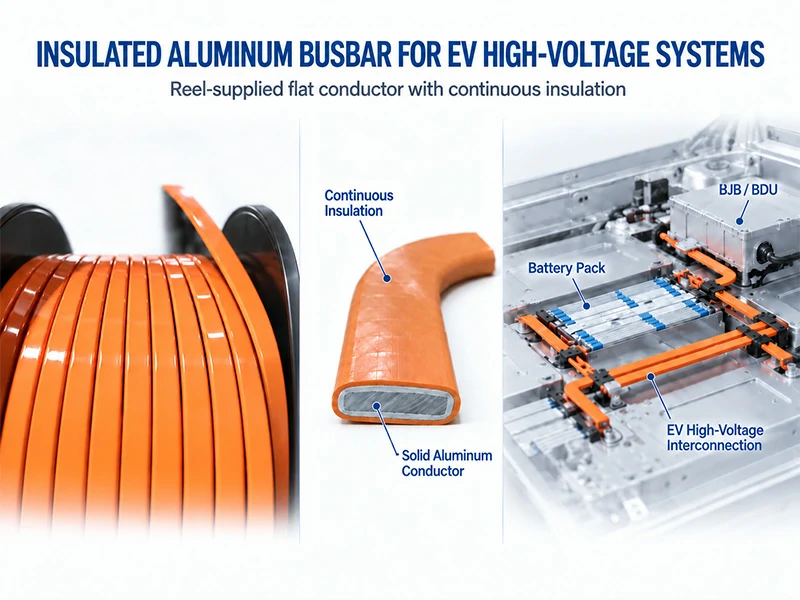
Insulated Aluminum Busbar
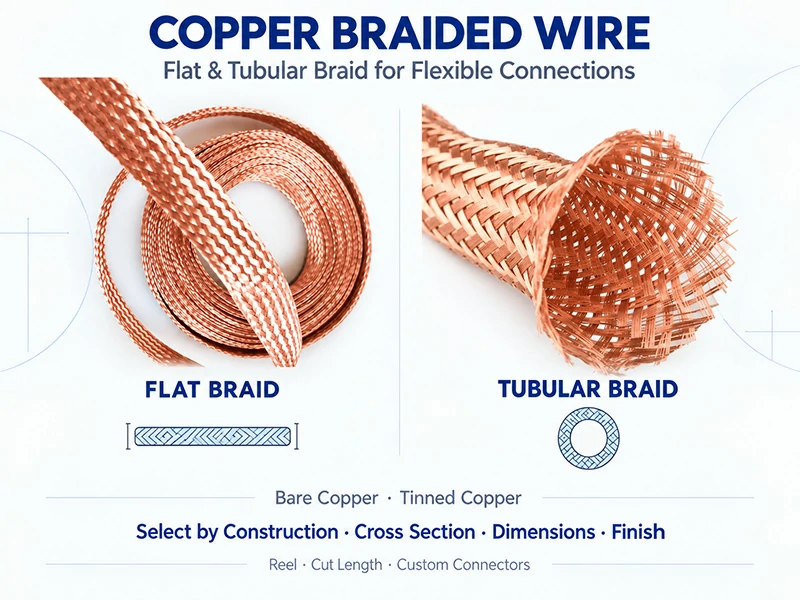
Copper Braided Wire
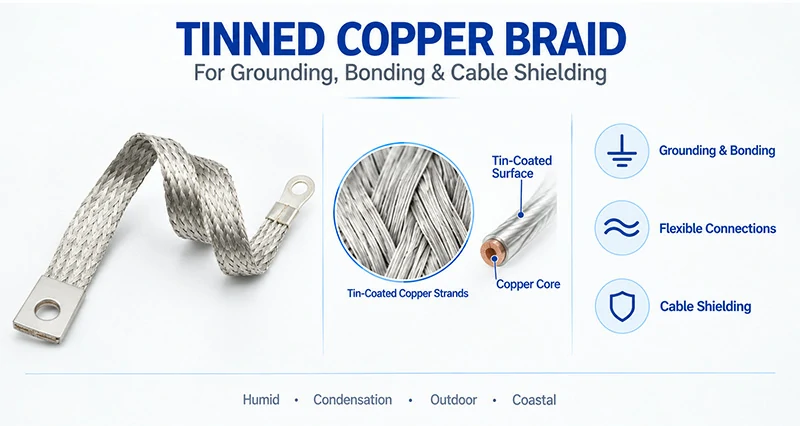
Tinned Copper Braid
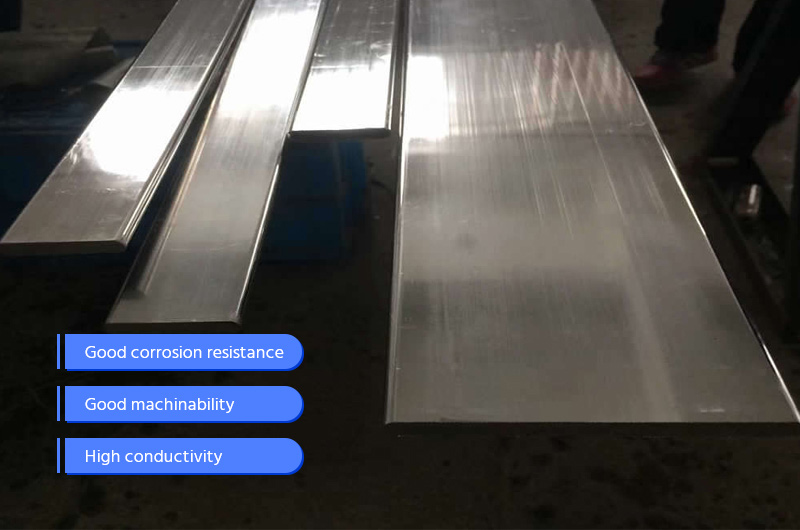
1060 Aluminum Busbar
6101 Aluminum Busbar
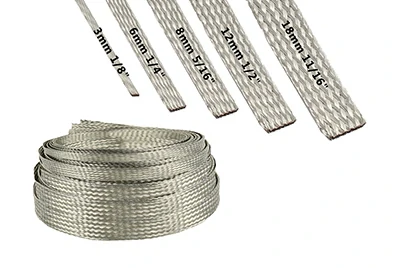
Braided Aluminum Wire
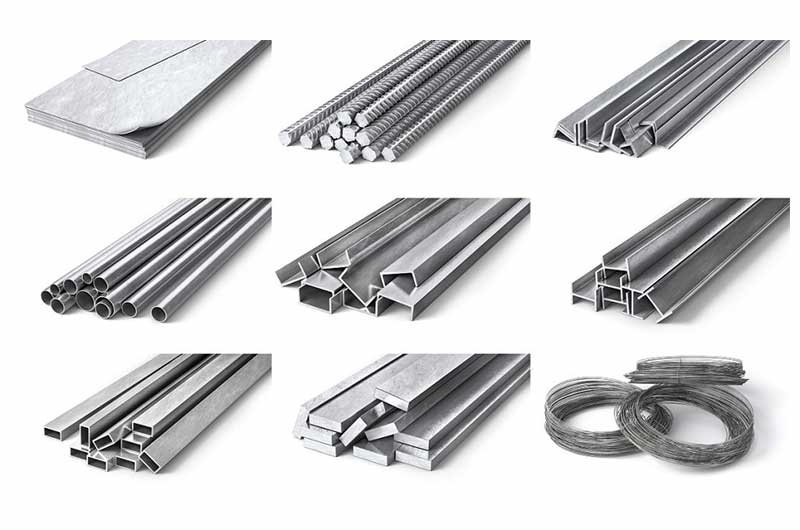
Aluminum Bar
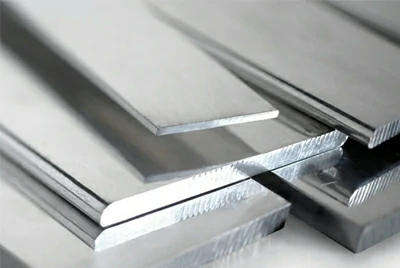
6101 Aluminum Sheet & Plate
Custom Battery Bus Bar Quote & Project Support
Chalco works with battery pack manufacturers, energy storage integrators, and industrial equipment buyers on battery bus bar material supply and drawing-based fabrication. The following information helps us assess the configuration, processing route, and quotation scope efficiently.
- Battery system application, nominal current, and any relevant temperature or installation constraints.
- Material and temper, conductor cross-section, overall dimensions, bend layout, and hole or stud interfaces.
- Insulation, contact plating, special thermal protection, and applicable technical or inspection requirements.
- 2D/3D drawings, target quantity, project destination, and requested documentation or third-party inspection.
Send your RFQ and available drawings to Chalco for a review of suitable materials, conductor configurations, processing feasibility, and project supply options.
Share your battery bus bar drawing, material, dimensions, insulation or finish requirements, and purchase quantity. Chalco will review the technical scope and coordinate a project-specific quotation.
Get a quote