Antimicrobial anodized aluminum is a functional surface route within broader aluminum anodizing solutions, combining wear resistance, corrosion resistance, color stability, and light weight.
It also delivers long-lasting antimicrobial performance, making it a practical surface solution for medical interiors, public facilities, transport spaces, and hygiene-sensitive equipment.
Specifications of antimicrobial anodized aluminum
- Alloys: 6061, 5052, 6063.
- Antibacterial Rate: 99.99% (bacteria), 96–97% (fungi).
- Self-disinfecting: under defined conditions, the treated surface can achieve rapid bacterial reduction, with up to 99.9% reduction within 5 minutes.
- Expected effectiveness lifespan: 15–20 years.
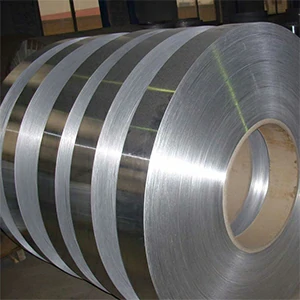
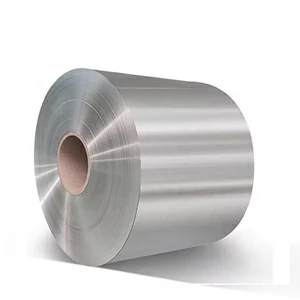
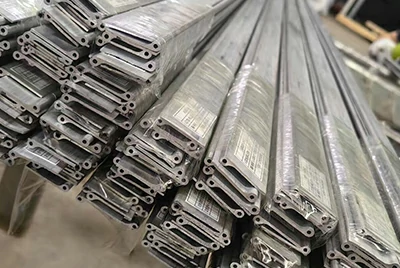
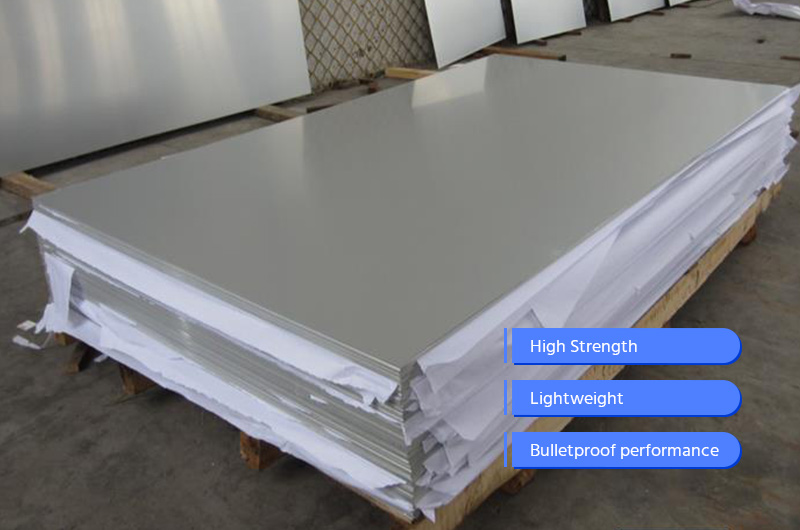
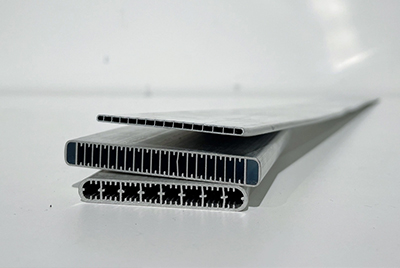
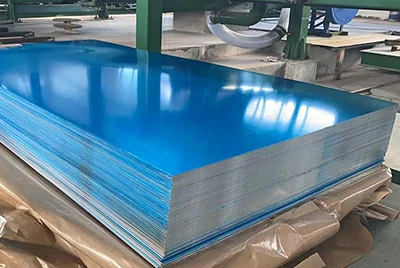
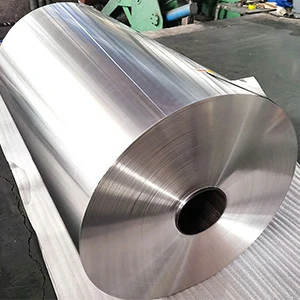
- Available forms: Sheet, Coil, Panel, Extrusion.
- Sample support: Samples can be provided for surface confirmation and application evaluation.
- Colors & finishes: Clear, Bronze, Black, Gold, Satin, Matte.
- Surface hardness: 9H pencil hardness; Mohs hardness Grade 9, comparable to sapphire.
- Anti-static: The surface does not attract dust and is easy to clean
Certificates and report support available
Available documentation may include:
- Antibacterial test reports.
- Anti-mould test reports.
- SGS environmental test documents.
- ISO 9001 and ISO 14001 certification information.
- Internal or third-party quality verification records where applicable.
Third-party verified antibacterial performance
Antibacterial anodized aluminum does not rely on a conventional surface coating for its function. Instead, the anodizing process forms a functional porous oxide layer on the aluminum surface, creating a stable surface structure.
Test results for Escherichia coli, staphylococcus aureus, and candida albicans
Our antibacterial anodized aluminum has passed third-party testing by SGS and the Guangdong Detection Center of Microbiology.
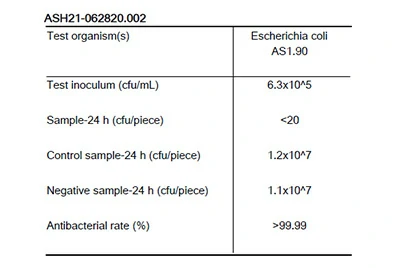
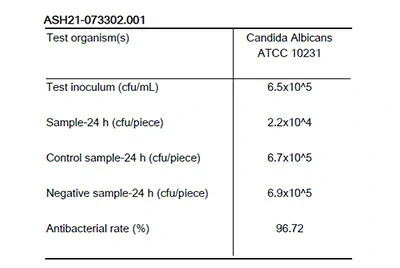
The test results show that this surface achieves an antibacterial rate of 99.99% against Escherichia coli, over 99.99% against Staphylococcus aureus, and 97.88% against Candida albicans.
| Test Organism | Control Sample 24h Average (cfu/piece) | Antimicrobial Sample 24h Average (cfu/piece) | Antibacterial Rate (%) |
| Escherichia coli AS1.90 | 8.6 × 10^6 | 1.4 × 10^2 | 99.99 |
| Staphylococcus aureus AS1.89 | 1.6 × 10^7 | < 20 | >99.99 |
| Candida albicans ATCC 10231 | 8.0 × 10^5 | 1.7 × 10^4 | 97.88 |
These results indicate that, under laboratory test conditions, the treated aluminum surface can significantly reduce microbial load.
For high-touch public spaces and healthcare environments, this means the material offers practical value in hygiene control, durability, and daily maintenance.
Escherichia coli test
99.99% antibacterial performance against representative Gram-negative bacteria.
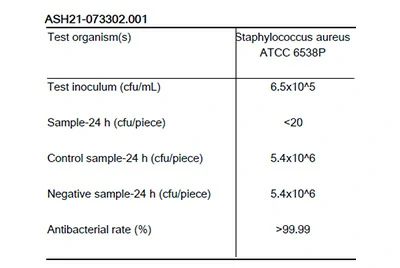
Staphylococcus aureus test
>99.99% antibacterial performance against representative Gram-positive bacteria.
Candida albicans test
97.88% antimicrobial performance against representative fungal contamination.
Antifungal performance test
The submitted sample was also evaluated for antifungal performance in accordance with Appendix B of HG/T 3950-2007. The test covered six representative fungi, and the report shows that the sample achieved Mold Resistance Grade 1 after 28 days.
Under this standard, Grade 1 means only trace growth, with mold coverage of less than 10%.
This result indicates that the surface offers better mold resistance, making it especially suitable for interior environments that are humid, prone to condensation, or require frequent cleaning.
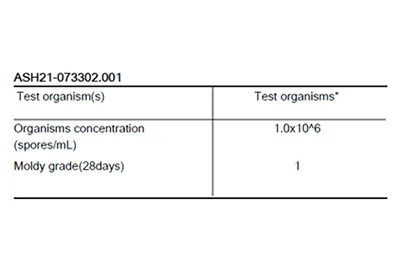
Report No.: 2023FM15046R01 and 2023FM17195R01.
The representative fungi covered in the test include Aspergillus niger, Aspergillus terreus, Paecilomyces variotii, Penicillium funiculosum, Aureobasidium pullulans, and Chaetomium globosum.
According to Chalco's R&D records and subsequent SGS verification, the sample developed in 2007 still maintained high antibacterial performance when retested 14 years later.
If your project also focuses on verifiable antibacterial performance, long-term durability, and environmental compliance, then Henan Chalco's antimicrobial anodized aluminum is a practical solution worth prioritizing for evaluation.
Common application scenarios and advantages
Antimicrobial anodized aluminum is better suited for aluminum parts that involve frequent contact, high hygiene requirements, and long-term stable surface performance.
It addresses not only antimicrobial performance itself, but also the practical needs of real projects for surface durability, appearance consistency, and ease of maintenance. Where the main priority shifts from hygiene control to reduced dirt adhesion and easier exterior cleaning, anti-fouling self-cleaning anodized aluminum provides a different functional anodized surface route.
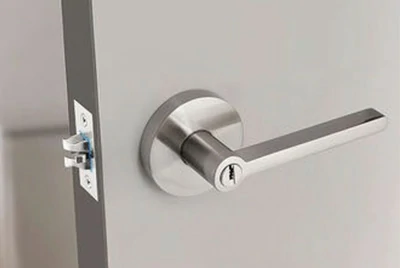
Public health and materials research also support the use of antimicrobial aluminum surfaces for high-contact components such as door handles, push plates, bed rails, bedside tables, and countertops.
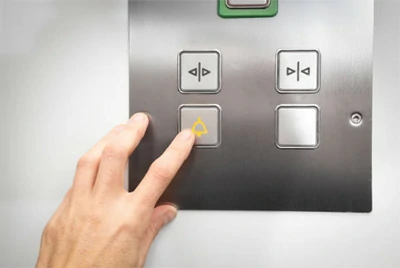
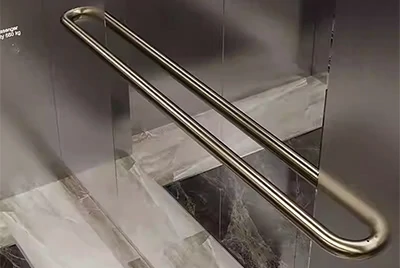
Elevator interiors, elevator buttons, and handrails
In high-contact areas such as elevator buttons, handrails, door frames, and interior panels, the material needs to balance surface wear resistance, cleanliness after cleaning, and appearance stability over long-term use.
The value of antimicrobial anodized aluminum in these applications lies not only in its antimicrobial function, but also in its ability to maintain a more stable surface condition under frequent use.
- Suitable for high-contact areas such as button panels, handrails, and trims, with good wear and scratch resistance.
- Helps keep surfaces cleaner and easier to maintain in public interiors with heavy foot traffic.
Door handles, push plates, bed rails, and nurse station countertops
In medical interiors, some surfaces are repeatedly touched by patients, healthcare staff, and visitors within a short period of time.
Door handles, push plates, bed rails, bedside tables, nurse station countertops, and worktops are typical high-contact areas frequently mentioned in research on antimicrobial aluminum surfaces.
- Helps reduce the microbial load on high-contact components in medical settings.
- Better suited for repeated cleaning and long-term use in medical interiors.

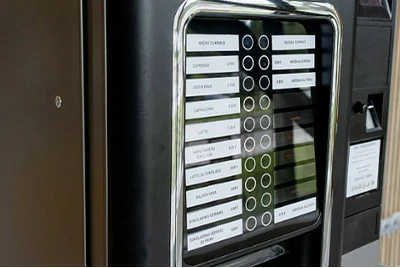
Ticket machines, self-service terminals, ATM housings, and public touch devices
Public equipment is not only touched frequently, but also needs to maintain a good appearance after long-term use.
Common problems with standard coated surfaces or low-hardness surfaces on this type of equipment are obvious: areas around touch points are prone to scratches, fingerprints build up easily, surfaces look dull or dusty, edges wear quickly, and the overall appearance ages fast.
- Suitable for equipment surfaces subject to repeated touching, pressing, and daily wear over the long term.
- Helps reduce dust buildup and maintain a cleaner, more orderly equipment appearance.

Cleanroom wall panels, laboratory worktops, pharmaceutical storage areas, and food-related interior surfaces
Some spaces are not just about "public touch." They require surfaces to maintain a cleaner visual and physical condition over a longer period.
For example, in cleanrooms, laboratories, pharmaceutical storage areas, food preparation rooms, and cold chain operating areas, surface materials should resist dust buildup and wear as much as possible, while also allowing easy daily wiping and maintenance.
- Helps maintain a cleaner surface condition and makes daily wiping and maintenance easier.
- Suitable for aluminum components that require both hygiene control and surface stability.
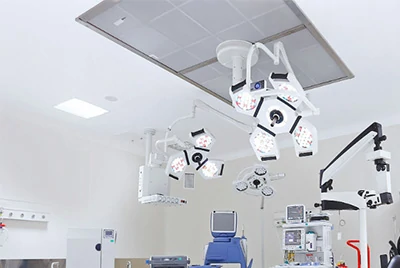

Overall, antimicrobial anodized aluminum is better suited for aluminum parts that involve frequent contact and require high surface stability, such as elevator panels, hospital touchpoints, public self-service terminals, and interior components in clean spaces.
Related Anodized Aluminum Products

Anodized Aluminum Sheet
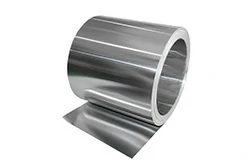
Anodized Aluminum Coil
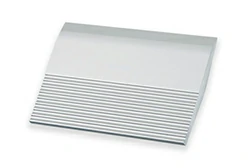
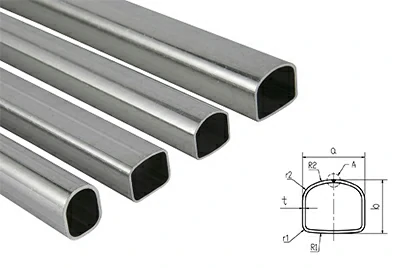
Anodized Aluminum Extrusions
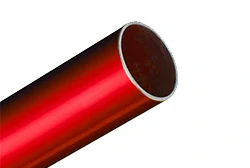
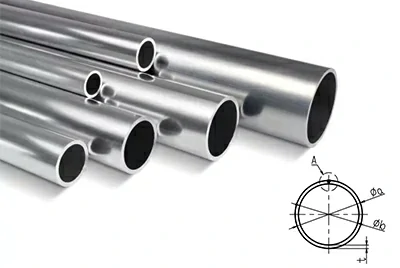
Anodized Aluminum Tubing
Support for customized supply and project matching
Antimicrobial anodized aluminum can be supplied not only as a standard material, but also customized as a surface solution for specific project applications.
Based on the actual use environment, contact frequency, surface requirements, and component design, we can help customers match a more suitable combination of alloy, supply form, size, color, and surface finish. For appearance-critical components, aluminum selection for anodized appearance parts can also be considered when balancing substrate quality, downstream processing, and final surface consistency.
Available antimicrobial supply forms include aluminum sheet, coil, panel, and extrusion, making it easier to match different applications in construction, healthcare, public spaces, and high-contact products. Chalco's broader anodized aluminum range also includes products such as anodized aluminum wire for projects outside the antimicrobial supply forms listed here.
Customizable options may include:
- Alloy selection to meet different strength and application requirements.
- Customized confirmation of thickness, width, and sheet dimensions.
- Surface finish and color matching.
- Surface solution recommendations for indoor / outdoor use based on the service environment.
- Specification support based on application scenarios for high-contact areas and hygiene-sensitive surfaces.
For projects that value both hygiene performance and appearance consistency, customized matching helps ensure that the material not only provides antimicrobial capability, but is also better suited for long-term use, overall design coordination, and actual installation requirements.
Why our antimicrobial anodized aluminum is different from ordinary antimicrobial coatings
Antimicrobial anodized aluminum is not an ordinary short-life surface coating. Its functional layer is formed as part of the anodized aluminum surface itself, which makes it a more stable solution for long-term antimicrobial applications.
Comparison: Traditional silver-ion / polymer antimicrobial coatings vs. antimicrobial anodized aluminum
| Item | Silver-Ion / Polymer Antimicrobial Coatings | Antimicrobial Anodized Aluminum |
| Surface structure | An added coating or film on top of the substrate | An anodized oxide layer formed from the aluminum surface itself |
| Functional logic | Antibacterial effect depends on active ingredients in the coating | Antibacterial function is built into a durable anodized aluminum surface system |
| Durability risk | Performance may decline as the coating ages, wears, or active ingredients are consumed | Better suited for long-term use where surface durability and hygiene must both be maintained |
| Typical lifespan | Usually around 6 months to 2 years in many conventional antimicrobial coating solutions | Expected effectiveness of 15–20 years |
| Surface hardness | Depends on the coating system | 9H pencil hardness; Mohs hardness Grade 9, comparable to sapphire |
| Scratch resistance | Limited in many conventional coating systems | Excellent wear and scratch resistance |
| Surface cleanliness | May still attract fingerprints, dust, or visible contamination | Anti-static, non-sticky surface helps reduce fingerprints and dust attraction |
| Suitable applications | Short- to mid-term antimicrobial surface upgrades | Long-term architectural, medical, public-space, and high-touch aluminum applications |
15–20 Years Lifespan: A Real Difference in Surface Value
The biggest difference is not only how fast the surface kills bacteria on day one, but how long that function remains useful in real service conditions.
Many conventional antimicrobial coatings can provide short-term antibacterial performance, but long-term stability is often their weak point.
By contrast, antimicrobial anodized aluminum is designed for longer service life, with an expected effectiveness of 15–20 years, making it better suited for projects where frequent recoating or replacement is not desirable.
More Than Antimicrobial: A Better Surface Material
Antimicrobial anodized aluminum does more than reduce bacterial risk. It also provides a durable anodized surface with stable appearance and practical performance for industrial, architectural, and high-touch applications. Where wear resistance and a Type III hardcoat become the primary requirement rather than antimicrobial performance, Type III hard-anodized aluminum bar provides a separate functional anodizing route.
For projects that need both hygiene performance and service-life stability, antimicrobial anodized aluminum is a more practical choice than ordinary short-life antimicrobial coatings.
If your project requires a more durable antimicrobial aluminum surface for high-touch use, antimicrobial anodized aluminum is worth serious consideration.
If you need samples, surface finish options, or antibacterial test report support, we can help you evaluate the right specification for your application.
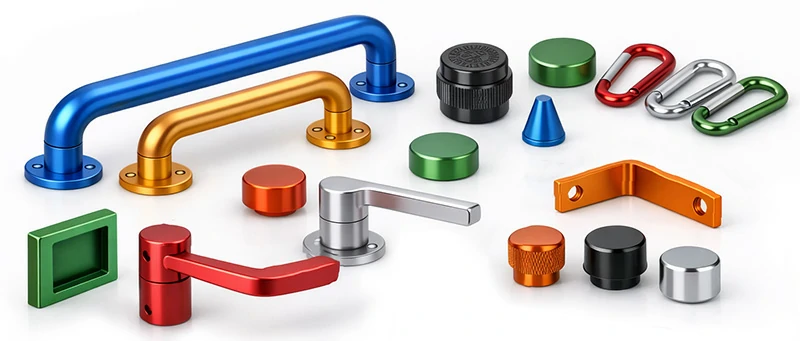
Surface quality determines appearance stability and service life
Sealing quality
The performance of anodized aluminum depends not only on the anodic layer itself, but also on the sealing quality.
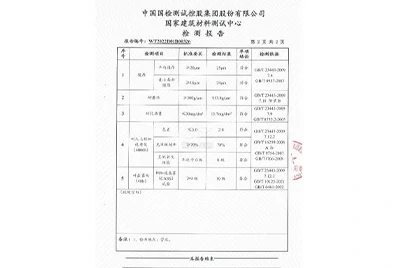
Sealing quality can be evaluated by recognized methods such as the mass loss test. In general, a lower mass loss value indicates better sealing quality.
An anodized surface with good sealing quality is less likely to absorb oil and stains, and can better resist fading, corrosion, and long-term weathering loss. Poor sealing increases the risk of color instability during long-term use.
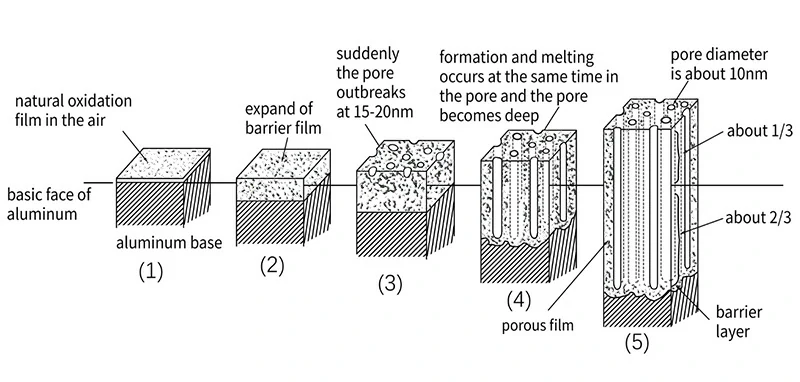
Multiple sealing technology
With many years of technical expertise in the continuous pre-anodized aluminum industry, Chalco uses its self-developed multiple sealing technology.
In a series of mass loss tests conducted under internal quality control based on the evaluation method specified in GB/T 8753.2, all measured values were below 20 mg/dm², and 95% of the values were below 15 mg/dm², far exceeding the requirements of both EU and national standards.
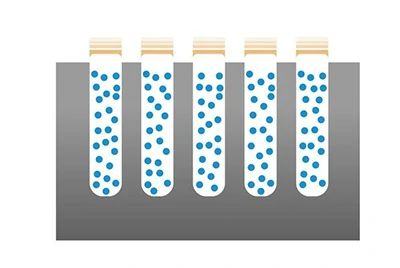
Dyeing technology and color difference control capability
The organic dyeing process injects organic dyes into the pores of the anodic film, then completes coloring through sealing.
The inorganic electrolytic coloring process introduces inorganic metal salts into the pores of the anodic film during anodizing, followed by sealing.
Due to process characteristics, the color range of inorganic electrolytic coloring is relatively limited.
For projects that care about both appearance consistency and service life, the right combination of anodizing, sealing, and coloring processes is critical.
Why choose Henan Chalco
Henan Chalco focuses on the production of pre-anodized aluminum coils and operates 3 continuous coil anodizing lines. With stable manufacturing capacity and strict surface quality control, we provide customers with anodized aluminum products that offer consistent appearance and stable performance.
Our technical advantage: continuous coil anodizing
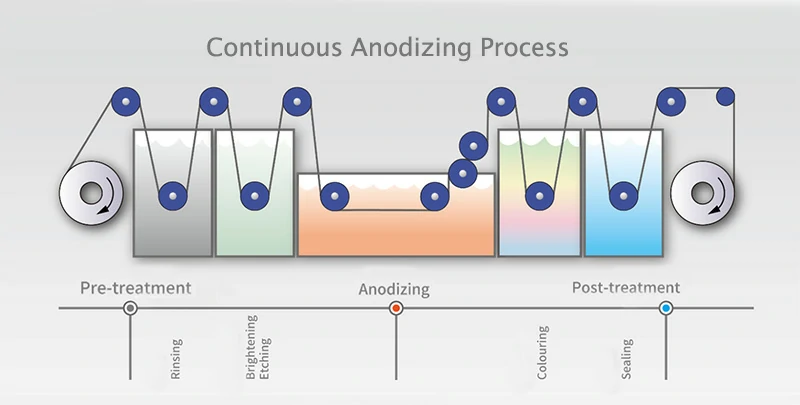
Continuous coil anodizing is a process in which the entire aluminum coil is anodized continuously without being cut, rather than anodizing sheets one by one. This process effectively reduces the color variation and uneven film thickness commonly found in traditional sheet anodizing.
A more uniform anodized film means better surface consistency, more stable appearance, and more reliable long-term performance.
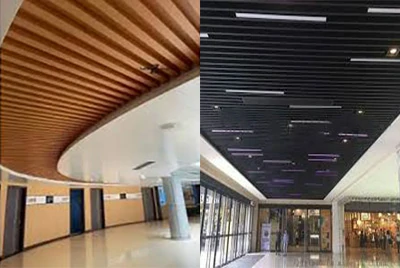
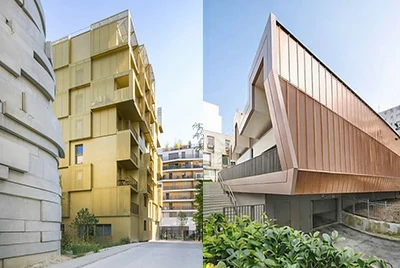
This process offers clear advantages for projects such as architectural panels, interior decorative panels, visible decorative parts, and other applications that value both function and appearance.
Certification support and in-house testing capability
The company has passed ISO 9001 and ISO 14001 management system certifications, and its products have passed SGS environmental testing.
At the same time, we have an independent R&D laboratory equipped with testing devices such as tensile testing machines, high-voltage resistance testers, salt spray test chambers, UV fluorescent weathering testers, and thermal conductivity testers for product development, quality verification, and continuous process optimization.
Green manufacturing and responsible production
Henan Chalco consistently follows the concept of green manufacturing and continues to invest in purification systems, pollutant reduction, material optimization, and efficient resource utilization.
This enables us not only to provide anodized aluminum products with stable surface performance, but also to meet environmental management requirements during production.
Factors that may affect antimicrobial performance in actual use
The actual long-term performance of the material can be affected by cleaner type, ambient humidity, contamination load, surface wear, and the installation environment.
Cleaner type can affect long-term performance
Strong acidic or alkaline cleaners, excessively long chemical residue time, or incompatible treatment agents may all increase the risk of surface damage, gloss change, or finish instability. Understanding the underlying aluminum surface treatment route is also useful when defining compatible cleaning and maintenance methods.
For hygiene-sensitive projects, it is better to use a compatible cleaning system and avoid excessive chemical exposure beyond normal maintenance needs.
Humidity and long-term damp environments should not be overlooked
High humidity, condensation, and long-term standing water all increase the stress on any surface system, especially in enclosed spaces or areas with insufficient ventilation.
In restrooms, transport interiors, medical wet zones, food-related areas, and other humid environments, good drainage design, regular cleaning, and proper ventilation help maintain a cleaner and more stable surface condition over the long term.
Wear, scratches, and contamination load also affect actual performance
In actual use, antimicrobial performance is closely related to the condition of the surface itself. Severe wear, repeated mechanical damage, heavy oil buildup, adhesive contaminant deposits, and long periods without cleaning can all weaken the actual service condition of the surface and increase the difficulty of hygiene management.
To achieve better long-term performance, antimicrobial anodized aluminum should be matched with appropriate cleaning methods, surface finishes, and use environments. If your project involves strong cleaners, high-humidity conditions, or continuous high-frequency contact, sample evaluation is recommended before final approval.
Related questions FAQ
Is anodized aluminum itself antimicrobial?
The main purpose of standard anodizing is to form an oxide layer on the aluminum surface to improve corrosion resistance, wear resistance, and surface protection. Not all anodized aluminum automatically has antimicrobial properties.
Antimicrobial anodized aluminum refers to an anodized aluminum surface system that can provide antimicrobial performance through specialized surface design or antimicrobial treatment.
What is the difference between antimicrobial anodized aluminum and ordinary antimicrobial coatings?
Ordinary antimicrobial coatings usually add an extra functional film layer on the surface of the substrate, while the functional basis of antimicrobial anodized aluminum comes from the surface oxide layer system formed by anodizing.
In simple terms, it is not just a conventional surface film that is "coated on." It is a functional surface solution built on the surface structure of anodized aluminum, so it is better suited for applications that require both antimicrobial performance and long-term durability.
Is anodized aluminum non-toxic? Can it be used for food-contact applications?
Anodized aluminum is commonly used in cookware and food-related applications, but whether it is suitable for food-contact use depends on the specific anodizing process, supplier control, and the compliance requirements of the target market.
In other words, not all anodized aluminum should be assumed to automatically meet all food-contact regulations. A more reliable approach is to confirm suitability based on the specific product and intended use.
What can damage an anodized aluminum surface?
Strong acidic or alkaline cleaners, chemical residues left too long without rinsing, improper cleaning under high-temperature conditions, and materials such as mortar or hydrochloric-acid-based cleaners may all cause chemical attack on the anodized surface.
Once the surface has already developed obvious dullness, patchiness, or discoloration, the damage is usually irreversible. For daily maintenance, mild cleaners are more suitable, and small-area testing should be done first.
How long can anodized aluminum last?
Anodized products usually have a long service life, but the actual lifespan is affected by factors such as film thickness, sealing quality, coloring process, cleaning method, UV exposure, and the use environment.
For antimicrobial anodized aluminum, in addition to surface durability, projects also focus on the long-term stability of the antimicrobial function. For this reason, it is better to evaluate it based on the specific application environment, maintenance method, and surface specification.