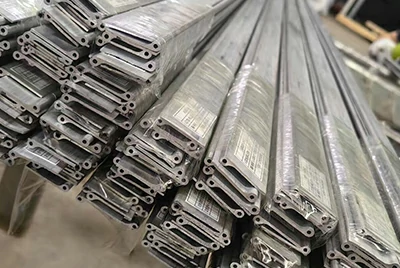
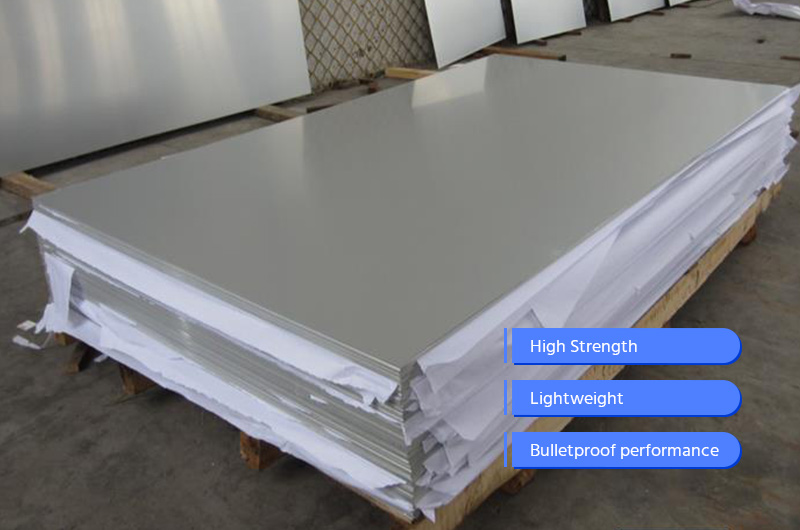
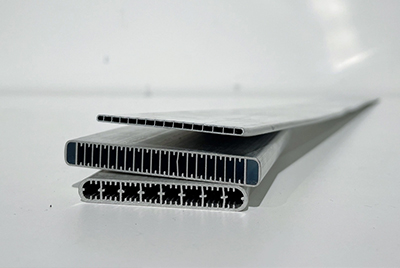
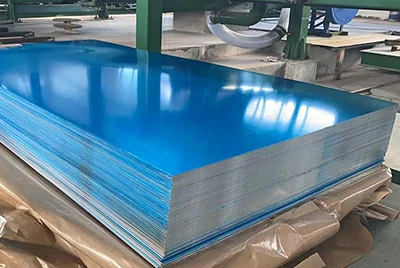
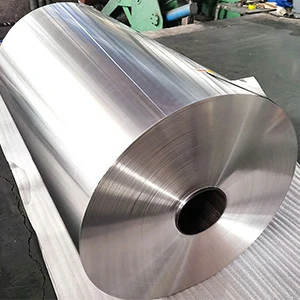
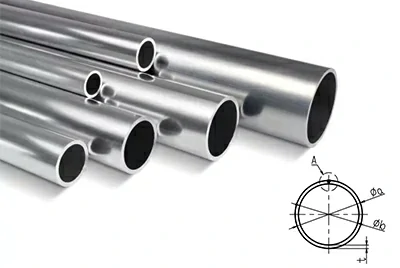
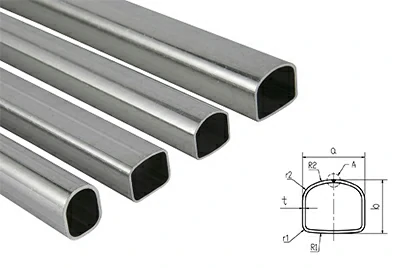
1901 aluminum alloy (ABT-101 / АБТ-101) is a wrought, heat-treatable Al-Zn-Mg alloy with high strength, good weldability, and lightweight performance. It is mainly used for armor and protective structures, including light armored vehicles, special vehicle parts, protective plates, and other high-strength welded aluminum components.
Chalco supplies 1901 aluminum alloy materials in accordance with GOST 4784-2019 and OST 1 92014-90, including sheet, plate, coils, and custom products. We can verify composition, temper, and dimensions according to drawings, project specifications, and Russian standard requirements, with quality documents for procurement and acceptance.
1901 aluminum alloy standards and grade system
1901 aluminum alloy is a wrought aluminum alloy grade in the Russian standard system. Common designations include 1901, ABT-101, АБТ101, and АБТ-101.
- 1901: An aluminum alloy grade in the Russian standard system, belonging to the wrought Al-Zn-Mg aluminum alloy series.
- ABT-101: The English / Latin-letter designation of 1901 alloy, commonly used in English materials or export communication.
- АБТ101 / АБТ-101: Common designations of 1901 alloy in Russian materials, standard documents, and project drawings.
- GOST 4784-2019: Used to confirm the grade system, chemical composition, and basic technical requirements of 1901 aluminum alloy.
- OST 1 92014-90: Commonly used in aviation and related industries to verify the material technical requirements of 1901 / АБТ-101 aluminum alloy.
Chalco supply support: Chalco can provide 1901 aluminum alloy material verification, custom specifications, and quality document support according to GOST 4784-2019, OST 1 92014-90, and customer project requirements.
Chemical composition of 1901 aluminum alloy
The chemical composition of 1901 / ABT-101 aluminum alloy produced and supplied by Chalco complies with the relevant requirements of GOST 4784-2019 and OST 1 92014-90, with details as follows:
| Element | Composition, % |
| Zn | 5.4–6.2 |
| Mg | 2.4–3.0 |
| Mn | 0.1–0.3 |
| Cr | 0.12–0.25 |
| Zr | 0.07–0.12 |
| Ti | 0.03–0.10 |
| Fe | ≤0.30 |
| Si | ≤0.20 |
| Cu | ≤0.20 |
| Be | 0.0002–0.005 |
| Al | Balance |
Role of main elements in 1901 aluminum alloy
- Zn (zinc): One of the main strengthening elements in 1901 aluminum alloy, improving alloy strength and heat-treatment strengthening performance.
- Mg (magnesium): Works with zinc to form the main strengthening phase, improving mechanical properties and structural load-bearing capacity.
- Mn (manganese): Helps improve microstructure stability and enhances the overall performance of the material during processing and service.
- Cr (chromium): Used to control grain structure, improve material stability, and help improve microstructural performance after welding.
- Zr (zirconium): Refines grains and improves microstructure stability, playing an important role in the overall performance of high-strength aluminum alloys.
- Ti (titanium): Mainly used for grain refinement, helping improve the microstructure uniformity of ingots and further processed materials.
- Fe / Si (iron / silicon): Usually managed as controlled impurity elements. Excessive content may affect material ductility and processing performance.
- Cu (copper): Should be controlled within a low range in 1901 alloy to ensure stable material performance and application compatibility.
- Be (beryllium): A trace controlled element that should be strictly controlled according to the requirements of GOST 4784-2019 and OST 1 92014-90.
Available product forms of 1901 aluminum alloy
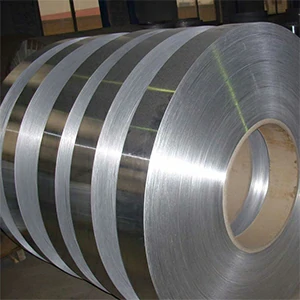
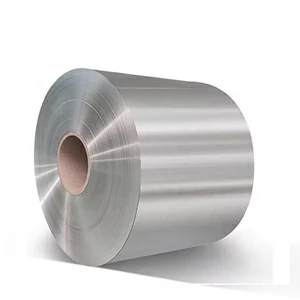
1901 aluminum sheet / thin sheet
Suitable for protective panels, formed parts, cover parts, and lightweight structural components. Available in different thicknesses, widths, and lengths according to project requirements.
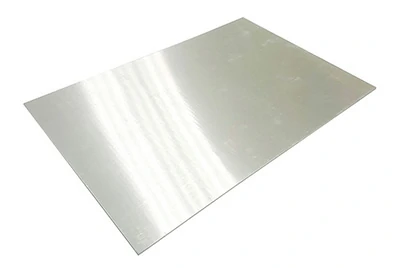
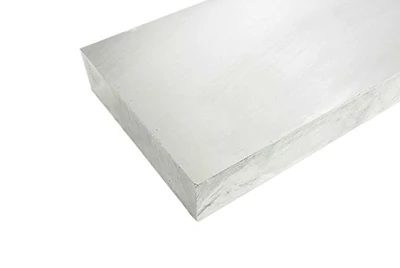
1901 aluminum plate
Suitable for armor plates, protective structural plates, load-bearing structural parts, and machined components. It is one of the common purchase forms of 1901 / ABT-101 aluminum alloy.
1901 billets / slabs
Suitable for further rolling, extrusion, forging, or deep processing production. They can be supplied as base raw materials for Russian standard aluminum alloy projects.
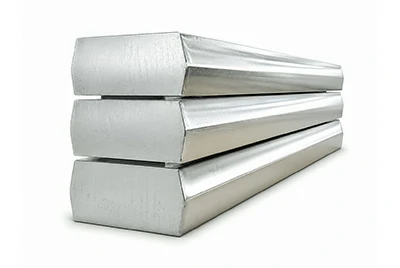
Chalco supports specification confirmation according to drawings, samples, or project requirements. We can provide cut-to-length service, custom sizes, batch supply, and quality document support, helping customers connect 1901 aluminum alloy material verification with project procurement.
Heat treatment states of 1901 aluminum alloy
M condition annealed temper
M condition refers to the annealed temper. In this state, 1901 / ABT-101 aluminum alloy has good ductility and is suitable for subsequent stamping, bending, forming, and processing of complex structural parts. It is commonly used for sheet and plate products with higher formability requirements.
T condition quenched and naturally aged temper
T condition refers to the naturally aged state after quenching. It enables 1901 / ABT-101 aluminum alloy to obtain higher strength and hardness, while achieving a good balance among strength, ductility, and resistance to stress corrosion cracking. It is suitable for components requiring structural strength, protective performance, and welding compatibility.
T1 condition quenched and artificially aged temper
T1 condition usually refers to the artificially aged state after quenching. The application of 1901T1 can also be seen in technical materials and welding studies related to 1901 aluminum alloy. For projects requiring a more stable strength level, welding performance verification, or specific engineering performance requirements, the T1 condition should be confirmed according to product form, thickness, applicable standards, and project technical documents.
Artificial aging
When a project requires a specific strength level or more stable performance condition, 1901 / ABT-101 aluminum alloy can be artificially aged according to the specific semi-finished product type and technical document requirements. The specific aging process should be confirmed based on product form, thickness, performance targets, and project standards.
Mechanical properties of 1901 aluminum alloy
The mechanical properties of 1901 / ABT-101 aluminum alloy vary by temper, heat treatment, thickness, and product form. Material selection should confirm not only the alloy grade, but also the temper, product type, and project acceptance requirements.
In T condition, 1901 aluminum alloy offers higher strength and hardness for light armor plates, protective structures, and welded components. In M condition, it has better ductility but lower strength, making it suitable for bending, stamping, forming, and complex part processing.
| Tensile Strength σB | Approx. 450–500 MPa in T condition |
| Brinell Hardness HB | Up to approx. 160 HB in T condition |
| M Condition | Higher plasticity, lower strength; suitable for bending, forming and complex-shaped parts |
| T Condition | Higher strength and hardness; suitable for protective plates, armor structures and welded structural parts |
| Impact Toughness | Relatively lower than softer Al-Mg alloys |
| Application Features | Suitable for relatively thin lightweight protective plates, anti-fragmentation structures and special vehicle protection parts |
| Application Limitations | Ballistic performance should be confirmed according to plate thickness, temper, structure design and testing standard |
1901 aluminum sheet and plate supply size range
According to different product forms, processing methods, and project requirements, Chalco can supply 1901 / ABT-101 aluminum alloy hot-rolled plates in various specifications for armor protective plates, structural plates, welded components, and further machining applications.
- Thickness range: 12–88 mm
- Width range: Customizable according to project requirements
- Length range: Available in multiple cut-to-length specifications
- Processing services: Supports cut-to-size, drawing-based cutting, and project-based supply
In actual procurement, the following specifications are commonly used for protective structures, vehicle components, welded structural parts, and machined parts.
| Thickness (mm) | Width (mm) | Length (mm) | Common Size |
| 12 | 1000 | 2000 | 12 × 1000 × 2000 mm |
| 16 | 1200 | 3000 | 16 × 1200 × 3000 mm |
| 20 | 1500 | 3000 | 20 × 1500 × 3000 mm |
| 25 | 1500 | 4000 | 25 × 1500 × 4000 mm |
| 30 | 1500 | 3000 | 30 × 1500 × 3000 mm |
| 40 | 1500 | 4000 | 40 × 1500 × 4000 mm |
| 50 | 1500 | 3000 | 50 × 1500 × 3000 mm |
| 60 | 1500 | 4000 | 60 × 1500 × 4000 mm |
| 70 | 1500 | 3000 | 70 × 1500 × 3000 mm |
| 80 | 1500 | 4000 | 80 × 1500 × 4000 mm |
| 88 | 1500 | 3000 | 88 × 1500 × 3000 mm |
For non-standard size projects, Chalco can provide cut-to-length, size adjustment, and batch supply services according to customer drawings, plate thickness requirements, machining allowance, and packaging / shipping conditions.
Applications of 1901 aluminum alloy
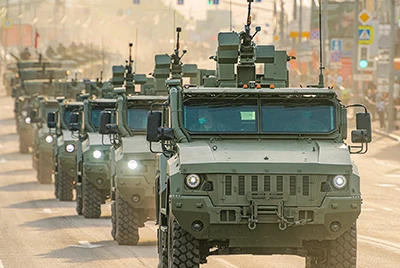
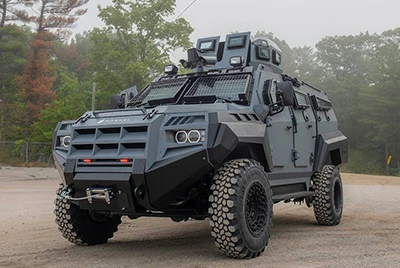
Light military vehicle armor protection
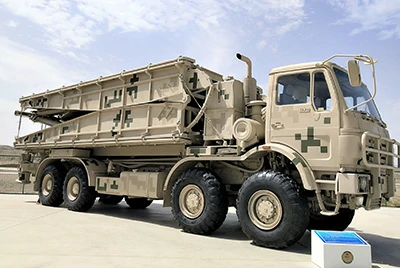
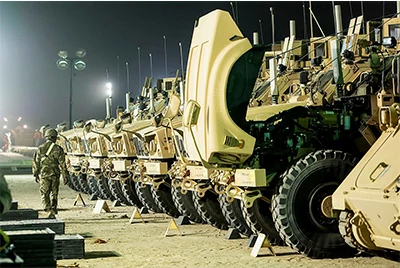
1901 / ABT-101 aluminum alloy is used for light armored vehicles, airborne vehicles, and welded armor structures. Compared with steel armor of similar protection level, aluminum armor plate offers better weight reduction for projects requiring mobility and lightweight design.
Armor plates and protective structures
ABT-101 in T condition offers high strength and surface hardness, making it suitable for armor plates, protective panels, and welded protective parts requiring impact and structural protection.
Additional covers and partition parts
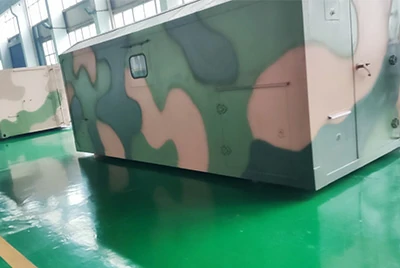
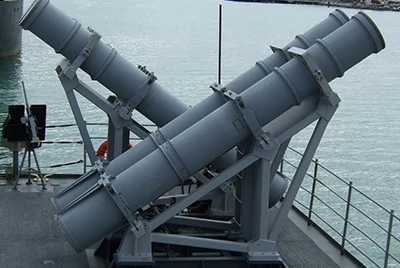
1901 aluminum alloy in M condition has better ductility and is suitable for protective covers, partitions, cover parts, and complex formed parts with lower ballistic load requirements.
Chassis units and auxiliary structures
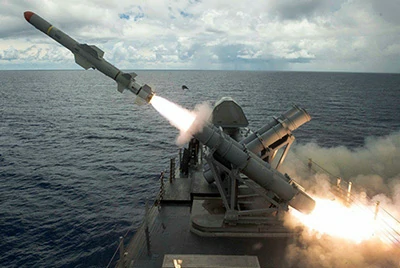
ABT-101 can also be used for light vehicle auxiliary parts, such as fuel tanks, wheel components, suspension brackets, and other structural parts.

Why choose 1901 aluminum alloy?
High strength and lightweight performance
1901 / ABT-101 aluminum alloy is a heat-treatable Al-Zn-Mg alloy that can achieve high strength and hardness in T condition. Compared with steel structural materials, aluminum alloy can reduce component weight while maintaining protective and structural performance.
Suitable for armor protective structures
1901 aluminum alloy is mainly used for light armored vehicles, protective plates, fragment-resistant structures, and welded armor parts. It is suitable for applications requiring strength, hardness, weight reduction, and protective performance.
Good welding compatibility
1901 / ABT-101 aluminum alloy can be used for welded armor and protective structures, including vehicle bodies, protective boxes, support frames, and other welded components.
Performance improved by heat treatment
The alloy can be adjusted by quenching, natural aging, or artificial aging. T condition is more suitable for high-strength and protective applications, while M condition offers better ductility for bending, stamping, and complex part forming.
High surface hardness
In T condition, 1901 aluminum alloy has high surface hardness, making it suitable for relatively thin protective plates and fragment-resistant structures, helping improve the impact resistance of lightweight protective parts.
Related products of 1901 aluminum alloy
1980 aluminum
1985 aluminum
1105 aluminum
1420 aluminum
1163 aluminum
1920 aluminum
What information is required when purchasing 1901 aluminum alloy?
To quickly confirm the material, specifications, and quotation, it is recommended to provide the following information when purchasing 1901 / ABT-101 aluminum alloy:
- Alloy grade: 1901, ABT-101, or АБТ-101, to avoid confirmation errors caused by different Russian and English designations.
- Applicable standard: Such as GOST 4784-2019, OST 1 92014-90, or the customer's project-specified standard.
- Product form: Aluminum sheet, plate, billets or custom-machined parts.
- Dimensions: Thickness, width, length or drawing dimensions.
- Supply temper: M, T, T1, or other heat treatment conditions required by the project.
- Purchase quantity: Piece quantity, total weight, batch purchase plan, or sample requirements.
- Application: Armor protection, vehicle parts, welded structures, machined components, or repair and replacement projects.
- Drawings or samples: For special structures, cut sizes, hole positions, tolerances, or machining requirements, drawings or sample photos are recommended.
- Quality document requirements: Such as material certificates, chemical composition reports, dimensional inspection reports, heat treatment condition confirmation, etc.
- Delivery requirements: Destination port, packaging method, delivery time, and whether export document support is required.
FAQ
Is Chalco a manufacturer or a trading company?
Chalco is an aluminum material manufacturer and supplier, providing production, processing, specification confirmation, and project-based supply support for Russian standard aluminum alloys.
Can samples of 1901 aluminum alloy be provided?
Yes. Sample support can be provided according to customer project requirements. Sample specifications, quantity, and delivery method can be confirmed based on available materials, testing purpose, and future purchase plans.
Is there a minimum order quantity for 1901 aluminum alloy?
Yes. The MOQ for 1901 aluminum alloy varies depending on product form, size, supply temper, and whether custom production is required. Small-batch supply can be evaluated for regular specifications. For non-standard thicknesses, special tempers, or custom-machined products, the MOQ usually needs to be confirmed according to production scheduling and raw material availability.
Do you support small trial orders?
Yes. Small trial orders can be evaluated according to specifications, material temper, and production schedule. For first-time purchases or project verification, customers can start with samples or small-batch testing before confirming bulk orders.
Can customer projects be kept confidential?
Yes. For projects involving vehicles, protective structures, special equipment, or custom parts, Chalco can protect drawings, sample information, and purchasing documents according to customer requirements.
Do you support export packaging?
Yes. Chalco can provide export packaging suitable for sea or land transportation according to product form, size, weight, and shipping method, helping reduce the risk of bumps, deformation, and surface damage during transport.
What factors usually affect delivery time?
Delivery time usually depends on material specifications, supply temper, processing requirements, order quantity, inspection document requirements, and transportation method. Non-standard sizes, special tempers, or bulk orders usually require advance confirmation of the production cycle.