Black Anodized Aluminum Overview
Black anodized aluminum is widely used in architectural applications, industrial structures, and electronic equipment. Its core value lies in achieving both aesthetic appearance and long-term durability. Compared to painting or conventional surface treatments, the black surface formed by anodizing creates a stable oxide layer that is more resistant to peeling and fading, while maintaining a consistent appearance under long-term use and demanding environments.
From a process perspective, black anodizing is based on the anodizing process, followed by coloring and sealing treatments to form a stable black oxide structure. It is typically produced using Type II or Type III anodizing processes, and by controlling the oxide film structure and key parameters, a balance between color uniformity and durability is achieved, which is also critical for ensuring batch consistency in industrial production.
Black Anodizing Process and Surface Effect Control
The surface finish of black anodized aluminum is determined by multiple process steps, including pretreatment, anodizing, coloring, and sealing. Each step affects the final appearance and performance.
-
Surface pretreatment: Determine the basic appearance
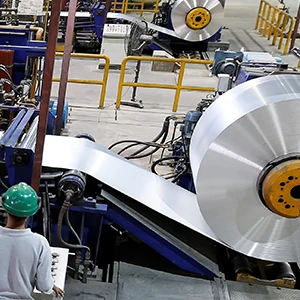
Before anodizing, aluminum is cleaned and surface-prepared to ensure a uniform substrate. Brushing, polishing, or sandblasting can be applied to achieve different texture and finish effects.
-
Anodizing Forming: The structural basis
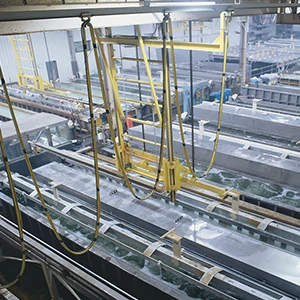
Anodizing generates a porous oxide film (usually type II or type III) on the aluminum surface, which provides corrosion resistance and a stable foundation for subsequent coloring.
-
Black coloring: Create a color effect
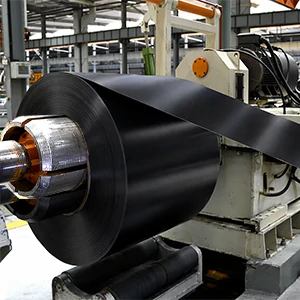
Black is typically achieved through organic dyeing or electrolytic coloring, with electrolytic coloring offering advantages in weather resistance and stability. The coloring method directly affects the depth and uniformity of the color.
-
Sealing treatment: Locking in color and performance
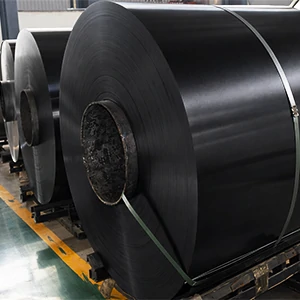
Sealing the pores in the oxide layer helps to lock in color and improve corrosion resistance. The quality of the sealing process is crucial for ensuring long-term surface stability and resistance to fading.
The surface finish of black anodized aluminum is not determined by a single process, but rather by a series of steps including pretreatment, anodizing, coloring, and sealing. Each step directly affects the final appearance, color, and stability.
Available Black Anodized Aluminum Products
Black anodized aluminum can be combined with different material forms and surface treatments to provide a variety of product forms to meet the needs of different applications for appearance, performance and processing methods.
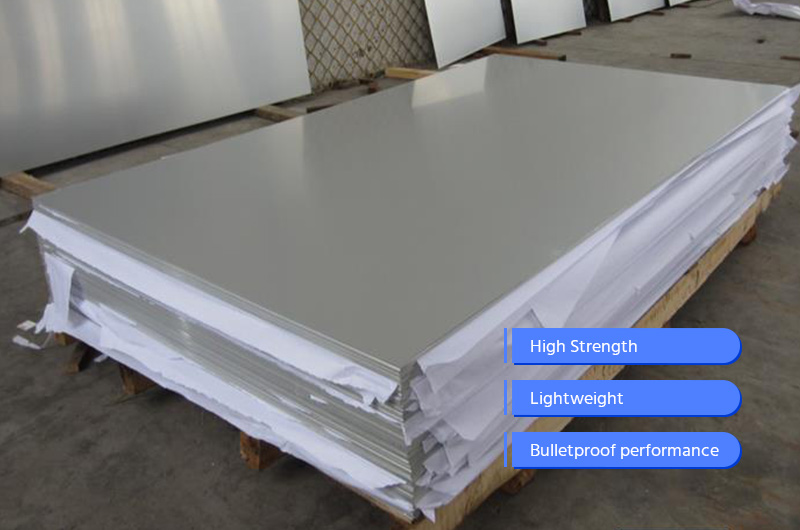
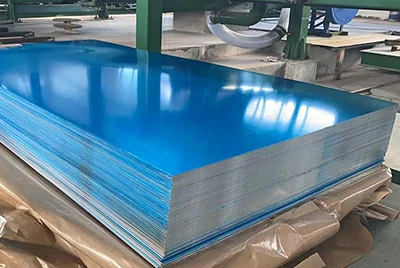
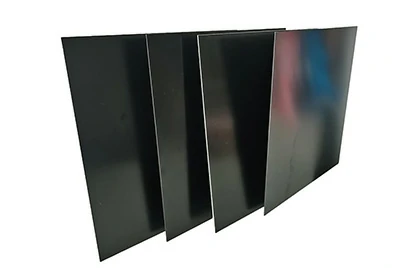
Black anodized aluminum sheets are used in decorative and structural applications such as panels, housings, and components.
Available Types:Brushed (wire drawing) / Matte / Mirror finish
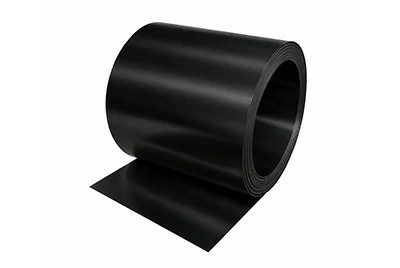
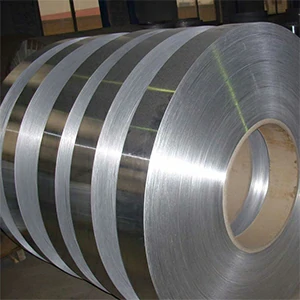
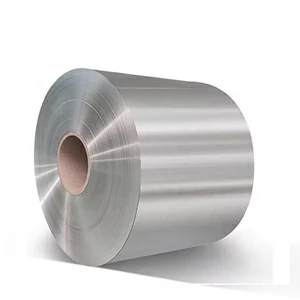
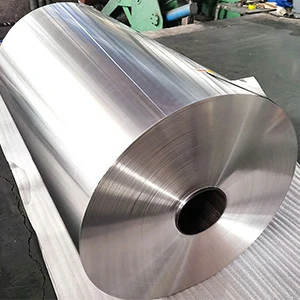
Anodized aluminum coils are suitable for continuous processing and mass production, including stamping parts, cover parts, and other high-volume applications.
Available Types:Black anodized coil / Brushed (wire drawing) coil / Anodized aluminum strip
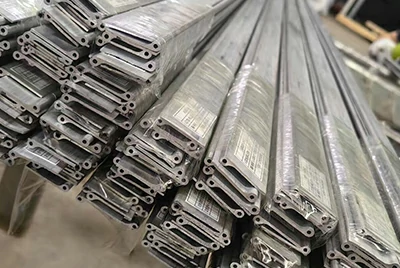
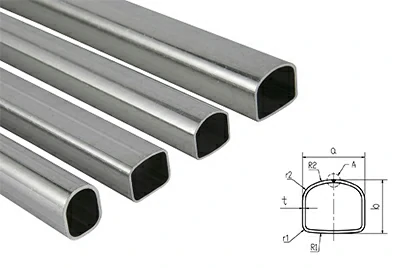
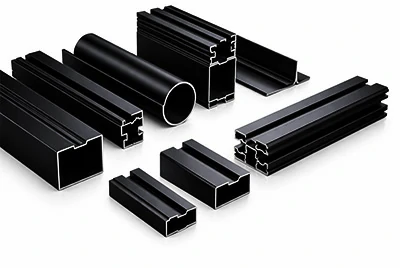
Anodized aluminum profiles are used for structural and decorative applications such as curtain walls, equipment frames, and industrial components, combining aesthetics and durability.
Available Types:Black anodized profiles / Brushed architectural profiles / Industrial structural profiles
Aluminum alloy selection for black anodizing
Different aluminum alloys exhibit variations in color appearance and surface consistency after black anodizing. In practical applications, alloy grades that offer stable color performance and good machinability are typically preferred.
-
5005 Aluminum (Preferred for decorative applications)
Suitable for black anodized sheets and decorative parts with high appearance requirements, offering uniform color and easy control of color variation. Stable finishes such as brushed and matte are available, making it suitable for architectural panels and decorative applications.
-
5052 Aluminum (Machined and functional parts)
It combines good formability with stable anodizing performance, making it suitable for products processed by bending and stamping. It is commonly used for equipment housings and functional components, ensuring consistent black anodizing results across batches.
-
3003 Aluminum (General applications)
Suitable for general industrial or decorative applications, it can be anodized, but color consistency is relatively limited for high appearance requirements. It is often used in cost-sensitive projects or non-critical appearance areas.
-
6063 Aluminum (Profiles and building applications)
Primarily used for black anodized profiles, it offers excellent surface quality and is suitable for architectural and decorative structural components. It provides a stable anodizing finish and is widely used in curtain wall and framing systems.
-
6061 Aluminum (Structural applications)
Suitable for anodized structural parts requiring high strength, providing a stable black surface finish. Commonly used in industrial equipment, support structures, and functional components.
-
7075 Aluminum (High-strength structural)
Used for anodized high-strength engineering components, it offers excellent mechanical properties. Black anodizing can be achieved, but it is more suitable for functional structural parts rather than highly consistent decorative surfaces.
Black Anodized Aluminum Applications
Chalco's black anodized aluminum products are widely used in construction, industry, and electronics, achieving stable appearance and reliable performance in various application scenarios.
Black anodizing for architectural applications
Black anodizing is primarily used in curtain wall systems and architectural decorative components, suitable for projects with high requirements for appearance consistency and weather resistance.
Chalco supports color consistency control for large-area applications, adapts to various architectural surface effects such as brushed and matte finishes, and can be supplied as an integrated solution for profiles and panels.
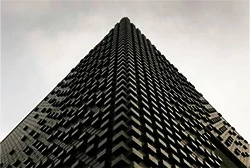
Curtain wall panels, decorative facade panels
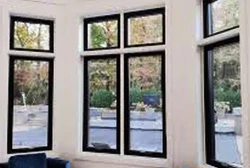
Door and window profiles, decorative strips
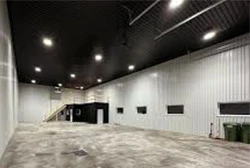
Ceiling system and building cladding
Black anodizing for industrial equipment
Black anodizing is widely used in industrial equipment structures and housing components, balancing surface protection and structural performance, and is suitable for complex operating environments.
Chalco supports integrated supply of structural components and surface treatments, ensuring stable anodizing quality and adaptability to mass production and various processing methods.
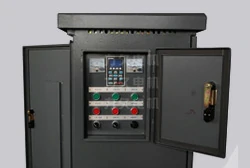
Equipment casing, control cabinet panel
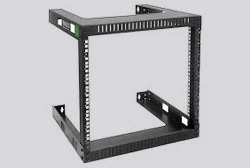
Equipment frame and supporting structure
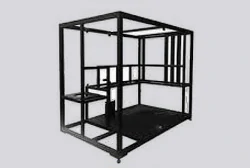
Structural components of automated equipment
Black anodizing for Electronics & Enclosures
Black anodizing is widely used for electronic device housings and precision components, balancing aesthetics and dimensional stability.
Chalco offers a smooth and consistent surface finish, supporting precise machining and anodizing matching control, making it suitable for products with high appearance requirements.

Electronic device casing, control panel
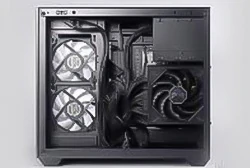
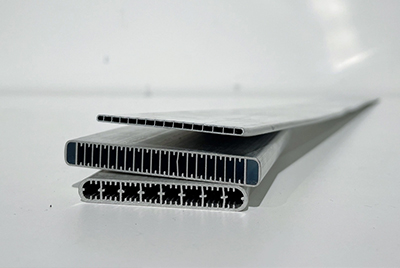
Heat dissipation components and structural housing
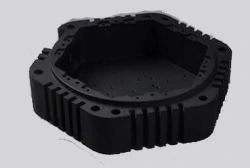
Precision machined parts and assembly components
Black anodizing for Decorative & Display Systems
Brown anodizing is used in commercial display and decorative systems, emphasizing visual appeal and long-term stability.
Chalco supports a variety of surface finish combinations, offers stable color performance, and is suitable for customized display structures and commercial spaces.
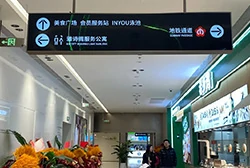
Signage system and wayfinding structure
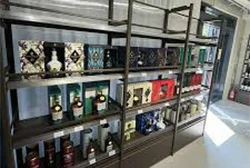
Display racks, display frames
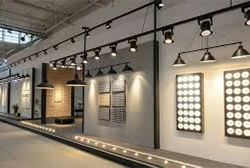
Commercial space decorative components
Black anodizing for furniture and interior use
Black anodizing is widely used in furniture structures and interior decorative components, balancing aesthetics and durability.
Chalco offers stable surface treatments and a variety of material combinations suitable for interior structural components and decorative applications.
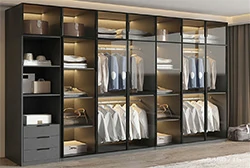
Furniture frame and connection structure
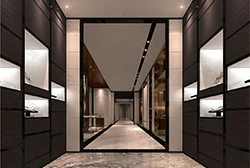
Decorative panels and border components
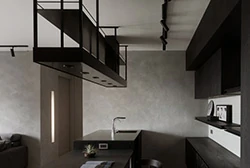
Interior structural components and decorative parts
Black anodizing for functional and machined parts
Black anodizing is primarily used for functional machined parts and engineering components, balancing structural performance with surface protection.
Chalco supports integrated machining and anodizing supply, adapting to different structural designs and precision requirements.
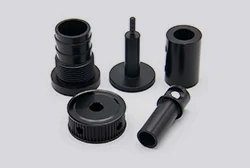
CNC machined parts
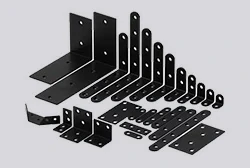
Connectors and support components
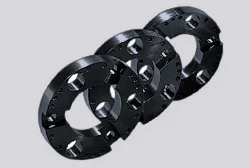
Engineering structure and functional components
Key Properties of Black Anodized Aluminum
Black anodized aluminum strikes a good balance between appearance and performance, making it suitable for applications requiring high stability and durability.
Corrosion resistance: The anodic oxide layer effectively improves corrosion resistance, making it suitable for outdoor and complex environments.
Wear resistance: Increased surface hardness, suitable for high-frequency use or contact areas.
Color consistency: A consistent black effect can be achieved across batches under stable process control.
Surface stability: The color is not easily peeled or flaked, making it suitable for long-term use.
Decorative appearance: Offers a variety of visual effects such as matte, brushed, and mirror finishes.
Why Anodizing Quality Matters
The final effect of black anodizing depends not only on the type of process but also on the ability to control the production process. In actual projects, differences between suppliers are usually reflected in color consistency, surface quality control, and batch stability. For different product forms such as aluminum sheets, coils, strips, tubes, and profiles, stable anodizing capabilities are particularly crucial.
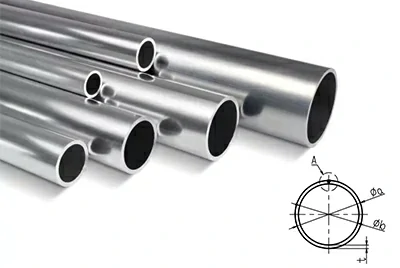
Chalco has continuous anodizing production capabilities, covering a variety of product forms such as anodized aluminum sheet, anodized aluminum coil, anodized aluminum tube, anodized aluminum wire, and anodized aluminum profile, achieving stable and consistent surface effects and delivery quality in mass production.
- Color consistency control: Achieve stable color difference control in aluminum plates and large-area applications, suitable for continuous anodized coils and bulk supply.
- Anodizing thickness stability: Stable control of oxide film thickness, balancing durability and color performance, suitable for products of various specifications.
- Defect control: Reduces issues such as stains, flow marks, and uneven surfaces, ensuring consistent surface quality for aluminum sheets and profiles.
- Batch stability: Maintaining consistent appearance between different batches of products such as aluminum sheets , coils , and profiles.
Black Anodized vs Painted Aluminum
Among black surface treatment solutions, anodizing and spraying are the two most common methods, and there are significant differences in durability, appearance and long-term stability between different processes.
| Item | Black Anodized Aluminum | Painted Aluminum |
| Surface type | Integrated oxide layer | Coating layer |
| Durability | High, not easy to peel | May peel or chip |
| Color stability | Long-term stable | May fade over time |
| Appearance | Metallic texture | Coated finish |
| Maintenance | Low | Maintenance may be required. |
For applications requiring long-term stable appearance, wear resistance, and corrosion resistance, black anodizing is usually a more reliable choice.
FAQs
Q1: Does black anodized aluminum fade over time?
Under normal operating conditions, black anodized surfaces have good stability and are not prone to fading. Actual performance depends on the quality of anodizing and the environmental conditions.
Q2: Which aluminum alloy is best for black anodizing?
5005 and 6063 generally have better color consistency and are suitable for decorative applications; 6061 is more suitable for structural components.
Q3: Can all aluminum alloys be anodized black?
Most aluminum alloys can be anodized, but different alloys vary in color and uniformity.
Q4: What surface finishes are available for black anodized aluminum?
A variety of surface finishes are available, including matte, brushed, and mirror finishes, depending on the pretreatment method.
Q5: Is anodized aluminum better than painted aluminum?
Anodizing is generally superior to painting in terms of durability, resistance to peeling, and long-term stability, and is particularly suitable for demanding applications.
Q6: Can black anodized aluminum be customized?
We can provide different alloys, sizes, and surface finishes to meet project requirements, supporting both customized production and mass production.
Ordering Black Anodized Aluminum
Choosing the right black anodized aluminum product typically requires comprehensive consideration of alloy type, product form, and surface finish. Different applications also have varying requirements for color consistency, processing methods, and operating environments.
Chalco supports customized supply of black anodized aluminum, offering various product forms such as sheets, coils, and profiles to meet project requirements, along with different surface finishes and processing methods to satisfy both mass production and engineering application needs. Please contact us for more product information or project support.
Chalco can provide you the most comprehensive inventory of aluminum products and can also supply you customized products. Precise quotation will be provided within 24 hours.
Get a quote