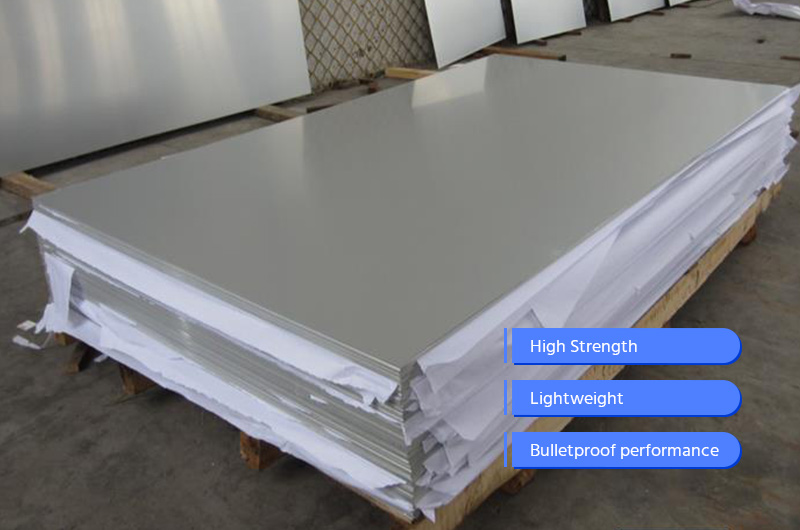
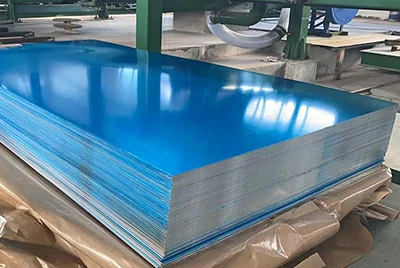
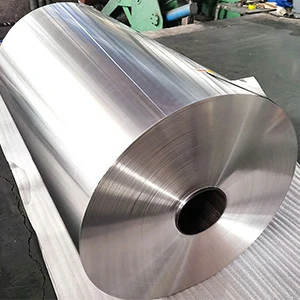
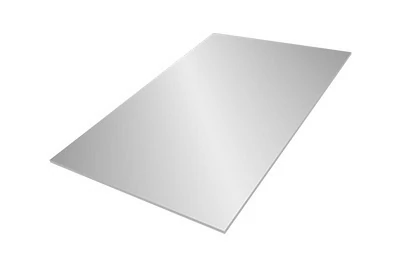
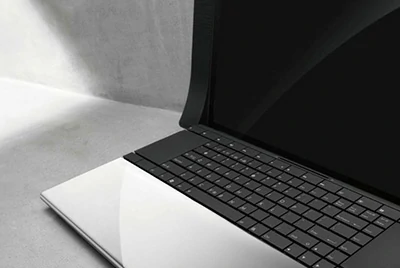
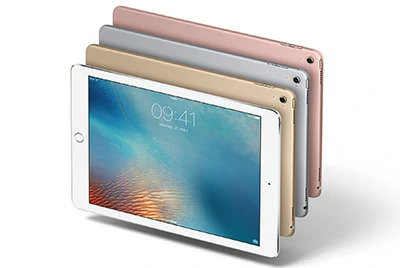
High-strength anodized aluminum sheet is used for laptop and consumer electronics housings that require both anodized appearance and higher structural performance. It is typically used in housing applications that need higher strength, thinner sections, more stable support, or better heat dissipation—not just the surface-finishing function of conventional anodized aluminum sheet.
Chalco Aluminium can narrow down feasible material routes within broader aluminum anodizing solutions based on part type, thickness range, processing route, and surface requirements, while supporting follow-up sampling validation and batch supply assessment.
Why Conventional Anodized Aluminum Sheet May Not Be Suitable for High-Strength Housing Projects
Conventional anodized aluminum sheet can meet the needs of many general cosmetic parts, but high-strength housing projects must often balance appearance, strength, and process compatibility at the same time. If a project is still at the broader housing-substrate selection stage rather than a defined high-strength anodized route, 3C digital housing aluminum sheet should be evaluated separately. That is why the same material selection logic cannot simply be carried over.
Higher Strength and Anodized Appearance Are Not Naturally Compatible
Higher strength does not automatically mean that post-anodizing color, grain pattern, and surface consistency will remain stable. For consumer electronics housings with high cosmetic requirements, this is one of the core challenges in high-strength anodized aluminum development and selection.
Thin-Wall Parts, Stamped Parts, and CNC Parts Do Not Require the Same Material Priorities
Different housing parts and different processing routes place different priorities on the material. Some focus more on forming stability, some on surface presentation, and some on structural support and heat dissipation. When the component is an internal stamped structure rather than an exterior cosmetic housing, high-formability aluminum for 3C internal components should be evaluated as a separate material route.
What Electronics Housing Projects Actually Care About Is the Downstream Risk
For these projects, customers are usually concerned not only about strength itself, but also about color variation, grain pattern, local discoloration, cracking, and whether the surface can remain stable after forming. That is why high-strength housing projects often require a separate material route assessment.
Two Main Routes: Which Projects Suit High-Strength 5xxx and High-Strength 6xxx?
For laptop and consumer electronics housings, there is more than one route for high-strength anodized aluminum. High-strength 5xxx is more oriented toward anodized appearance consistency and forming balance, while high-strength 6xxx is more oriented toward structural strength, stiffness, and heat dissipation. The key is not which one is "stronger," but whether the project first needs to solve appearance and processing issues or structural and thermal-management needs.
High-Strength 5xxx Route — Better for Projects That Need Anodized Appearance, Forming, and a Strength Upgrade
High-strength 5xxx is suitable when anodizing is already a fixed requirement, but the strength reserve of 5052 / 5252 is no longer enough to support thinner, stiffer, or more demanding housing designs. For these parts, the upgrade is not about switching to a different material system, but about retaining the advantages of the 5xxx family while pushing strength and hardness higher.
Within the conventional 5xxx route, 5052 aluminum sheet and strip for 3C housings is an option for general anodized cosmetic parts, while 5252 aluminum sheet and strip for 3C housings may suit projects emphasizing cosmetic finish and stamped forming. For projects that still want to stay within the 5xxx logic while further increasing strength, high-strength 5H59 is usually the more worthwhile upgrade path to evaluate first.
High-strength 5H59 is usually worth prioritizing when:
- The conventional 5xxx route still fits, but the available strength reserve is no longer enough
- The project needs gauge reduction, but cosmetic appearance cannot be noticeably compromised
- The part is more likely to be a stamped part or a housing part with higher cosmetic requirements

Key Differences Among 5052, 5252, and 5H59
| Alloy | Temper | Tensile Strength | Yield Strength | Anodizing Performance |
| 5052 | H32 | 210–245 MPa | ≥130 MPa | Good anodized appearance; suitable for general cosmetic parts |
| 5252 | H32 | 210–245 MPa | ≥130 MPa | Better anodizing grain pattern; suitable for higher cosmetic requirements and stamped forming |
| 5H59 | / | Approx. 360 MPa | Approx. 300 MPa | Further improves strength and hardness while keeping anodizing quality close to 5052 |
If the project still takes anodized appearance and processing stability as the starting point, conventional options such as 5005 aluminum sheet and strip for 3C housings should be judged by the part's actual cosmetic and forming requirements; when the target is already beyond conventional 5052 / 5252, high-strength 5xxx is usually the better route to review first.
High-Strength 6xxx Route — Better for Housing Parts That Also Need Structural Strength and Heat Dissipation
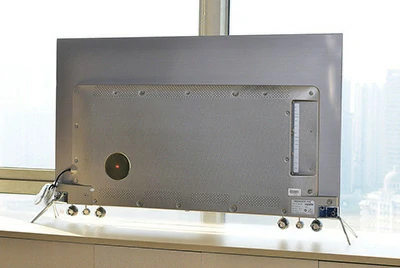
High-strength 6xxx is better suited to projects where anodizing is still required, but the focus has shifted beyond appearance and forming toward structural strength, stiffness reserve, and thermal management. For grade-specific selection, 6063 aluminum sheet for 3C housings offers another 6xxx housing-material route, while 6061 aluminum sheet for 3C housings covers a different structural specification route. If the project drawing or BOM already specifies 6061, 6061 aluminum plate should be reviewed at the specific grade and specification level rather than treated as identical to the high-strength 6xxx route discussed here. For these housing parts, the upgrade is no longer only about preserving process compatibility for cosmetic parts, but about raising strength and thermal conductivity together while still supporting anodized applications—making this route better suited to thin-wall housings, electronic structural parts, and components that also need heat dissipation.
This route is usually worth prioritizing when:
- In addition to anodized appearance, the project clearly needs structural strength and stiffness
- The part also needs heat dissipation and is no longer just a general cosmetic part
- The project has higher requirements for lightweighting and thermal management
- The project can accept the trade-off that formability is usually not as good as 5xxx
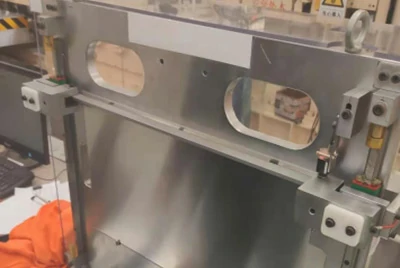
If the project focus has moved from appearance and forming balance to higher structural performance and heat dissipation, high-strength 6xxx is usually the route worth reviewing first.
Different Housing Parts Do Not Share the Same Material Priority
For laptop housing projects, material selection is usually not judged at the whole-device level first. Instead, it starts with whether each part is more concerned with appearance, processing, or structure and heat dissipation. The priorities of the top cover, keyboard deck, and bottom cover are not the same, so the same material route should not be applied by default.
| Part | Typical Priorities | Selection Focus |
| Top cover | Appearance consistency, surface finish, forming stability | Prioritize the balance between anodized appearance and process compatibility |
| Keyboard deck / palm rest | Appearance, touch feel, machining accuracy, structural fit | Need to balance appearance, processing, and local structural requirements |
| Bottom cover / base | Structural support, stiffness, partial heat-dissipation needs | More suitable for prioritizing high-strength routes |
Therefore, different housing parts on the same device should usually be evaluated separately based on part function, thickness range, processing route, and anodizing target, rather than advancing the whole product under one single material route.
Quick Selection: Is Your Project Better Suited to 5xxx or 6xxx?
If the project first focuses on anodized appearance, gauge reduction, stamping, and processing stability, high-strength 5xxx is usually the better route to evaluate first. If the project, in addition to anodized appearance, places more emphasis on structural strength, stiffness, and heat dissipation, high-strength 6xxx is usually the better route to evaluate first.
| Selection Factor | High-Strength 5xxx | High-Strength 6xxx |
| Priority needs | Appearance, gauge reduction, stamping, forming | Strength, stiffness, heat dissipation |
| Typical parts | Laptop housings, top covers, keyboard decks, bottom covers | Smartphones, laptops, home appliance structural parts, heat-dissipation housings |
| Route advantages | Better for balancing anodized appearance, forming, and strength upgrades | Better for balancing structural strength and thermal management |
| Best-fit projects | High cosmetic requirements, gauge-reduction upgrades, stamped-part projects | Projects with higher strength, stiffness, and thermal requirements |
| Watch-outs | When structural and thermal requirements rise, it may not be the first choice | Formability is usually not as good as 5xxx |
If the project is more likely to run into unstable appearance, poor forming, or higher post-thinning processing risk, review high-strength 5xxx first. If it is more likely to be limited by insufficient strength, poor stiffness, or inadequate heat dissipation, review high-strength 6xxx first.
Six Dimensions to Confirm When Selecting Materials for Housing Projects
Strength and gauge-reduction target: First confirm whether the project is a conventional upgrade or has already moved into gauge-reduction design, and whether the goal is only to improve stiffness or to significantly raise yield strength. A grade-specific option such as 7021 aluminum sheet for 3C housings or 7075 aluminum sheet for phone middle plates must be checked against the required component and dimensions. If the requirement moves toward an ultra-thin, higher-strength 7xxx material route, high-strength, high-toughness 7-series aluminum thin sheet should be evaluated separately against the project's forming and surface requirements.
Forming method: Continuous stamping, drawing, bending, CNC aluminum machining, or a stamping + CNC hybrid process will all directly affect material judgment.
Anodized appearance target: Confirm in advance whether the part must show no obvious grain pattern, whether a finer sandblasted finish is required, whether color consistency is highly sensitive, and whether it is a high-end cosmetic part. Anodizing coloring defects are a relevant acceptance risk when color consistency is critical. For appearance-critical projects, aluminum selection for anodized appearance parts should be reviewed together with the intended finish; if the project specifically requires black anodized aluminum, color and surface acceptance requirements should be confirmed at the material-selection stage.
Thermal requirement: Not every housing part treats heat dissipation as a core requirement. If the part also carries structural and thermal-management functions, the 6xxx route is usually more worth evaluating first.
Thickness range and temper: Thickness affects forming and anodized appearance, while temper affects mechanical performance and the process window. For projects comparing general sheet-and-plate supply formats, Chalco's aluminum sheet and plate product range offers a broader purchasing starting point; final alloy and temper still need to be defined for the housing part.
Documentation and validation requirements: Material certificates, performance reports, sample validation, anodized appearance confirmation, and project drawings or samples all directly affect project efficiency.
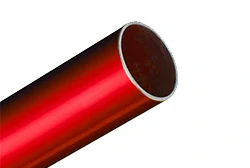
Type III hardcoat should be treated as a different functional route from the appearance-oriented housing materials above. Where wear resistance and a hard-anodized rod or bar form become the primary requirements, Type III hard-anodized aluminum bar should be evaluated separately.
Related Anodized Aluminum Products
Before Requesting a Quote, Clarify These Key Inputs First
To judge the material route more quickly, confirm the following items first:
- Part type
- Target appearance
- Preferred alloy direction
- Processing method
- Thickness range
- Thermal requirement
- Drawing or reference sample
The clearer these inputs are, the easier it is to narrow down feasible routes, reduce repeated confirmation and ineffective communication, and move material, surface, and sampling decisions directly into an executable range.
Frequently Asked Questions
1. Which is better for anodized housings, high-strength 5xxx or high-strength 6xxx?
That depends on which problem the project needs to solve first.
If the priority is anodized appearance, stamped forming, and processing stability, high-strength 5xxx is usually worth evaluating first. If the project, beyond anodized appearance, also emphasizes structural strength, stiffness, and heat dissipation, high-strength 6xxx is usually the better place to start.
2. Does higher strength make color variation or discoloration more likely?
Yes, that risk exists, which is why high-strength anodized materials cannot be judged by strength data alone.
For housing parts, the material route also needs to be assessed together with the anodized appearance target, grain-pattern requirement, sandblasting effect, and subsequent aluminum anodizing process. The higher the cosmetic requirement, the earlier these boundaries should be clarified during material selection.
3. Why are some projects better suited to 5xxx rather than the higher-strength 6xxx?
Because housing projects are not only about which alloy has the higher strength.
Some parts prioritize anodized appearance, stamped forming, and processing stability. In that case, upgrading within the 5xxx route is often more natural than switching directly to 6xxx. Although 6xxx is more oriented toward structural strength and heat dissipation, its formability is usually not as good as 5xxx.
4. Can the laptop top cover, keyboard deck, and bottom cover use the same material?
It is not recommended to assume one common material route by default.
The top cover usually prioritizes appearance consistency and forming stability, the keyboard deck focuses more on appearance, touch feel, and processing fit, and the bottom cover more easily places structural support, stiffness, and partial heat-dissipation needs first. A more reasonable approach is to evaluate each part separately.
5. When are standard 5052 / 5252 already sufficient?
If the project is still a general anodized cosmetic part, with no obvious gauge-reduction target and no higher requirement for structural strength, stiffness, or heat dissipation, 5052 / 5252 are usually still reasonable choices.
Among them, 5052 is better suited to general cosmetic parts, while 5252 is better suited to projects with higher cosmetic requirements and stamped forming. Only when the conventional 5xxx route still fits but the strength reserve is no longer enough does a high-strength route become worth prioritizing.
Submit Drawings or Samples to Get Material Selection Recommendations
If you are developing laptop housings, mobile phone middle frames, or other consumer electronics housing parts, and the project already involves anodized appearance, strength upgrade, gauge reduction, structural support, or heat-dissipation requirements, you are welcome to submit drawings, samples, or existing project parameters.
Chalco Aluminium can help judge the more suitable material route more quickly based on the specific part, thickness range, processing method, and appearance target, while supporting follow-up sampling, surface-treatment evaluation, and batch-supply assessment.