Within die-to-package bonding materials, semiconductor bonding wire creates electrical interconnections between die pads and leadframes, substrates, or package terminals. The product range covers gold-, copper-, silver-, and aluminum-based bonding wires, including pure gold and gold alloy wire, bare and coated copper wire, silver alloy wire, and aluminum wire. Product selection can be matched to the bonding method, wire diameter and mechanical properties, package structure, and reliability requirements.
- Multiple material systems: Gold-, copper-, silver-, and aluminum-based bonding wire options
- Matched to bonding processes: Initial selection for ball bonding or wedge bonding
- Confirm key specifications: Material and coating structure, wire diameter, breaking load, elongation, and spool requirements
- Based on actual package conditions: Technical review based on pad metallization, bonder, capillary or wedge tool, package type, and qualification requirements
Please provide the current bonding wire grade, material structure, wire diameter, bonding method, package type, pad metallization, and target performance requirements so Henan Chalco can match the product more accurately.
Semiconductor Bonding Wire Product Range
Henan Chalco supplies semiconductor bonding wire in four major material systems: gold, copper, silver, and aluminum. The range includes high-purity metals, alloy wires, and multiple surface-coating structures, allowing selection by composition, diameter, and packaging process.
Includes 4N gold wire, 2N gold wire, and gold alloy wire with different gold contents to support varying composition, diameter, and mechanical-property requirements.
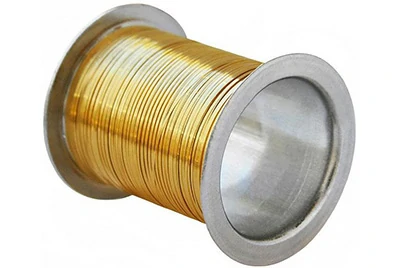
Product types: 4N gold bonding wire, 2N gold bonding wire, gold alloy bonding wire
Gold content: 4N gold wire, Au ≥ 99.99%; 2N gold wire, Au ≥ 99%; gold alloy wire, Au 60% and Au 80%
Wire diameter: 4N and 2N gold wire is available in 0.7, 0.8, 0.9, and 1.0 mil; gold alloy wire dimensions are confirmed by the specific product specification
Includes high-purity copper, coated copper, high-power copper, and high-strength copper alloy bonding wire. Products differ in core material, surface coating, and diameter range.
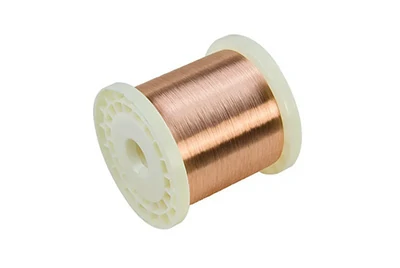
Product types: High-purity copper bonding wire, palladium-coated copper bonding wire, gold-palladium-coated copper bonding wire, high-power copper bonding wire, high-strength beryllium copper bonding wire
Surface and alloy structures: Bare copper, palladium coating, gold-palladium coating, beryllium copper alloy
Wire diameter: Gold-palladium-coated copper wire, 17–50 μm; high-power copper wire, 5–20 mil
Includes silver alloy bonding wire with different silver contents and silver-based bonding wires with gold, nickel, or platinum surface coatings.
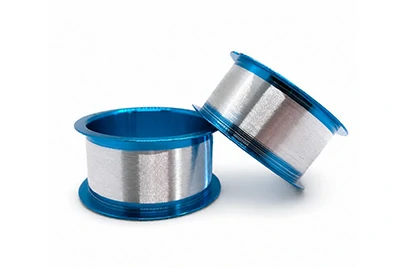
Product types: Silver alloy bonding wire, gold-coated silver alloy bonding wire, nickel-coated silver alloy bonding wire, platinum-coated silver bonding wire
Silver alloy wire: Ag ≥ 88%, Ag ≥ 95%, Ag ≥ 96%, Ag ≥ 99%
Gold-coated silver alloy wire: Ag ≥ 92%, Ag ≥ 94%, Ag ≥ 97%
Wire diameter: Selected products are available in 0.7, 0.8, 0.9, and 1.0 mil; confirm against the specific product specification
Includes high-purity aluminum, aluminum alloy, Al-Si alloy, and power aluminum bonding wire for different material systems and wedge-bonding requirements.
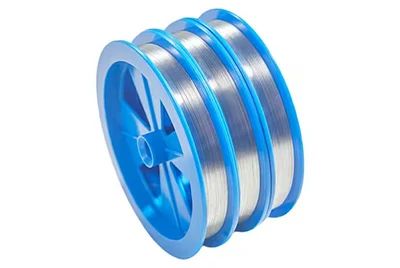
Product types: High-purity aluminum bonding wire, aluminum alloy bonding wire, Al-Si bonding wire, power aluminum bonding wire
Material systems: Al 4N5, Al 4N Alloy, Al-Si Alloy
Wire diameter: Al-Si bonding wire < 5 mil
Select Bonding Wire by Bonding Process and Package Conditions
Bonding wire selection depends on more than material and diameter. The bonding method, pad metallization, bonding tool, package structure, current load, and reliability requirements must also be considered. Ball bonding and wedge bonding use different wires, tools, and process conditions; confirming the bonding method helps narrow the candidate product range.
-
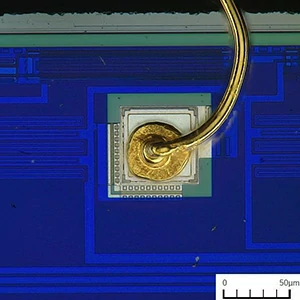 Ball Bonding Wire
Ball bonding commonly uses fine gold, copper, coated copper, and silver-based wires and a capillary to form the first and second bonds. Selection should consider wire composition and coating, diameter, free-air ball (FAB), loop profile, pad metallization, and the existing bonder and capillary.
Common wire options: Gold bonding wire, bare copper bonding wire, palladium-coated copper bonding wire, gold-palladium-coated copper bonding wire, silver alloy bonding wire, gold-coated silver alloy bonding wire
-
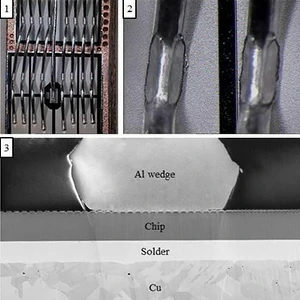 Wedge Bonding Wire
Wedge bonding commonly uses aluminum and aluminum alloy bonding wires. A wedge tool forms the wire-to-pad interconnection. Current load, tool selection, loop profile, and ultrasonic bonding conditions vary by wire diameter and material system.
Common wire options: High-purity aluminum bonding wire, aluminum alloy bonding wire, Al-Si bonding wire, power aluminum bonding wire
Initial Bonding Wire Selection Guide
| Metal | Bonding Method | Wire Type | Package Use | Selection Factors |
| Au | Ball Bonding | Fine | IC, discrete devices, selected packages | Gold content, diameter, mechanical properties, loop profile, and pad requirements |
| Cu | Ball Bonding | Fine | IC and discrete devices | Copper core, coating structure, bonder and capillary, protective atmosphere, and second-bond performance |
| Ag | Ball Bonding | Fine | IC, LED, and optoelectronics | Silver content, surface coating, diameter, ball shape, and reliability requirements |
| Al | Wedge Bonding | Fine/Heavy | Discrete devices, sensors, and power semiconductors | Aluminum material system, diameter, wedge tool, current load, and thermal-cycling requirements |
The relationships above are intended for preliminary product screening. Final selection must be confirmed against the current wire, diameter, pad metallization, bonder, bonding tool, package structure, and qualification requirements.
Bonding Wire Solutions for Semiconductor Packaging
Different devices and package structures require different bonding wire materials, diameters, bonding methods, and mechanical properties. Gold-, copper-, silver-, or aluminum-based bonding wire can be screened according to pad structure, package clearance, current load, and reliability requirements.
IC and Discrete Device Packaging
IC packaging interconnects can use fine-wire connections between die pads and leadframes, package substrates, or terminals for ICs and selected discrete device packages using leadframe- or substrate-based structures.
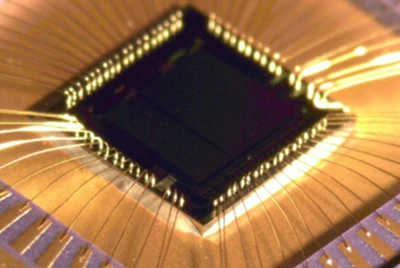
Bonding wire options: 4N and 2N gold bonding wire, gold alloy bonding wire, bare copper bonding wire, palladium-coated and gold-palladium-coated copper wire, silver alloy bonding wire
Wire diameter: 4N and 2N gold wire and selected silver-based fine wire in 0.7, 0.8, 0.9, and 1.0 mil; gold-palladium-coated copper wire in 17–50 μm
Bonding method: Primarily ball bonding, typically using a capillary to form the first ball bond and the second bond.
Related metal products: Copper, titanium, or aluminum sputtering targets and target blanks for package metallization
Key selection factors: Pad metallization and pitch, wire diameter and capillary, FAB and second-bond performance, loop profile and package clearance
Power Semiconductor and Power Module Packaging
Heavy bonding wire and ribbon for power semiconductor packaging support high-current interconnection requirements between dies and substrates, electrodes, or module terminals in IGBT, MOSFET, SiC devices and power modules. Material and diameter must be confirmed against the package structure and qualification results.
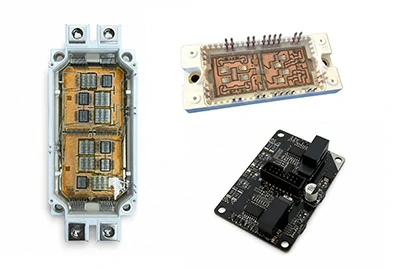
Bonding wire options: High-purity aluminum bonding wire, aluminum alloy bonding wire, Al-Si bonding wire, power aluminum bonding wire, high-power copper bonding wire
Wire diameter: High-power copper bonding wire, 5–20 mil; aluminum and aluminum alloy wire per the specific product specification
Bonding method: Primarily wedge bonding and heavy-wire bonding, typically using a wedge tool.
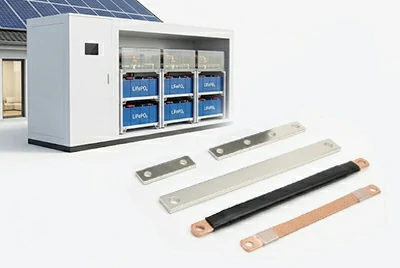
Related interconnect and metal products: Aluminum and copper bonding ribbon for semiconductor packaging; copper, titanium, or aluminum sputtering targets for package metallization
Key selection factors: Current load and wire diameter, wire versus ribbon format, wedge tool and pad metallization, thermal cycling and power cycling
LED and Optoelectronic Packaging
Bonding wire for LED packaging provides fine-wire connections between LED or other optoelectronic device dies and leadframes, substrates, or package electrodes.
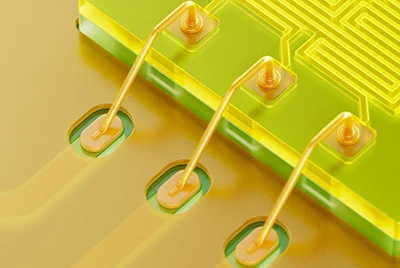
Bonding wire options: 4N and 2N gold bonding wire, gold alloy bonding wire, silver alloy bonding wire, gold-coated silver alloy bonding wire
Wire diameter: 4N and 2N gold wire and selected silver-based fine wire in 0.7, 0.8, 0.9, and 1.0 mil
Bonding method: Primarily ball bonding, typically using a capillary to connect die pads to the leadframe or substrate.
Related metal products: Copper, titanium, or aluminum sputtering targets for electrode metallization
Key selection factors: Die-pad and leadframe surfaces, gold versus silver-based wire, diameter and loop profile, humidity and thermal-cycling requirements
MEMS and Sensor Packaging
Candidate interconnect wire for selected MEMS, sensor, ceramic, and specialty packages; suitability must be confirmed against pad design, equipment, and package structure.
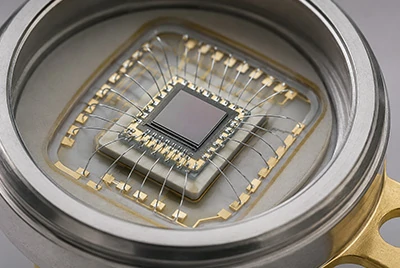
Bonding wire options: Gold bonding wire, high-purity aluminum bonding wire, aluminum alloy bonding wire, Al-Si bonding wire
Wire diameter: 4N and 2N gold fine wire in 0.7, 0.8, 0.9, and 1.0 mil; Al-Si bonding wire < 5 mil
Bonding method: Ball bonding or wedge bonding, depending on pad material, package clearance, and bonding tool.
Related metal products: Copper, titanium, or aluminum sputtering targets for thin-film electrodes
Key selection factors: Pad dimensions and material, package clearance and loop profile, ball or wedge process compatibility, vibration and thermal-cycling requirements
Manufacturing and Quality Control
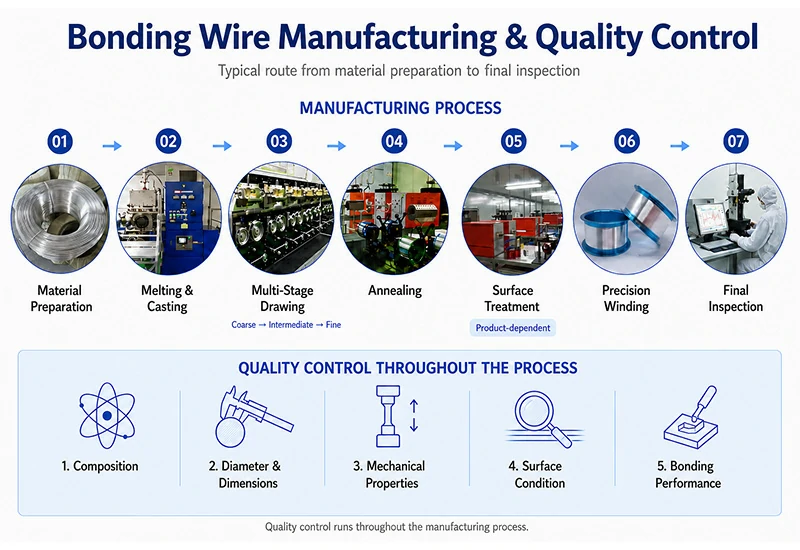
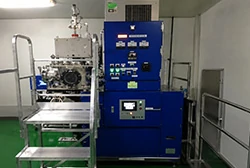
For bonding wire products supplied by Henan Chalco, the manufacturing and inspection flow includes key stages such as material preparation, melting and casting, multistage drawing, annealing, surface treatment, respooling, precision winding, and finished-product inspection. Material composition, dimensions, mechanical properties, surface condition, and bonding-related performance are controlled according to material system, wire diameter, and coating structure.
Production Flow
Material and alloy preparation
→ Melting and casting
→ Rough, intermediate, and fine drawing
→ Annealing
→ Electroplating or surface treatment
→ Respooling and precision winding
→ Finished-product inspection and packaging
Raw Material and Composition Control
For gold-, copper-, silver-, and aluminum-based bonding wires, base-metal purity, alloy composition, and coating structure are controlled to keep the material consistent with the applicable product specification.
Precision Drawing and Annealing Control
Multistage drawing is used to achieve the target wire diameter and surface condition. Annealing is then applied to adjust breaking load, elongation, and hardness for the mechanical-property requirements of fine wire and power bonding wire.
Coating, Surface, and Winding Control
Applicable surface-treatment processes are controlled for palladium-coated copper wire, gold-palladium-coated copper wire, and coated silver wire. Finished wire is respoolled and precision wound, with the wire surface, winding pattern, and spool handling controlled to support stable continuous feeding.
Finished-Product Performance Data
Depending on product material, wire diameter, and bonding method, available technical data may include material composition, wire diameter, breaking load, elongation, hardness, electrical resistivity, and fusing current. For applicable ball-bonding products, free-air ball (FAB), heat-affected zone (HAZ), and ball-shape data may also be available.
Specific outgoing inspection items, acceptance criteria, and technical data are subject to the applicable product specification and mutually agreed documentation.


Frequently Asked Questions
How do I choose among gold, copper, silver, and aluminum bonding wire?
Selection among gold, copper, silver, and aluminum bonding wires should consider the bonding method, pad metallization, wire diameter, current load, package structure, existing equipment, and reliability requirements. Fine gold, copper, and silver-based wires are commonly used for ball bonding, while aluminum and aluminum alloy wires are commonly used for wedge bonding. Because materials differ in mechanical properties, process conditions, interface compatibility, and application focus, the final choice should be confirmed under the actual package conditions.
Which bonding wires are suitable for ball bonding and wedge bonding?
Ball bonding commonly uses fine gold, copper, coated copper, and silver-based wires, with a capillary forming the first ball bond and the second bond. Wedge bonding commonly uses aluminum and aluminum alloy wires, with a wedge tool forming wedge-shaped bonds. The two processes require different wire materials, bonding tools, bond geometries, and equipment parameters, so the existing bonding method should be confirmed before wire selection.
How do I select bonding wire diameter based on pad size, pitch, and current requirements?
Wire diameter should be selected according to pad dimensions and pitch, bonding tool, loop profile, current load, package clearance, and mechanical-property requirements. An oversized wire may be limited by pad size and package space, while an undersized wire may not meet current-carrying or mechanical requirements. Breaking load, elongation, and equipment compatibility for the selected diameter should also be reviewed.
Can copper bonding wire directly replace gold wire in an existing ball-bonding process?
Usually not. Even at the same diameter, copper and gold wire differ in hardness, oxidation behavior, free-air ball formation, and second-bond performance. A change to copper wire typically requires reconfirmation of the capillary, electronic flame-off (EFO), protective atmosphere, pad interface, package materials, and reliability test conditions.
How should I choose between bare copper, palladium-coated copper, and gold-palladium-coated copper wire?
The main difference is the protective surface and coating structure on the copper core. Bare copper has no surface coating, so storage, protective atmosphere, and process control must be reviewed for the actual conditions. Palladium-coated and gold-palladium-coated copper wires use different surface structures to protect the copper core and influence bonding-interface behavior. Selection should compare oxidation control, FAB formation, second-bond performance, pad material, and package reliability requirements.
How does bonding wire selection differ between fine-wire IC packaging and power semiconductor packaging?
Fine-wire IC packaging typically places greater emphasis on pad pitch, wire diameter, FAB, second-bond performance, loop height, and process stability under fine-pitch conditions. Power semiconductor packaging also requires close attention to current load, larger wire diameters, wedge tool selection, bond area, and thermal-cycling conditions. Material should therefore be selected according to the package structure and bonding method rather than solely by the labels "IC packaging" or "power packaging."
Which technical parameters should be compared when changing bonding wire grades or suppliers?
Even when material and diameter are the same, products may differ in purity, alloy composition, coating structure, breaking load, elongation, hardness, electrical resistivity, FAB, HAZ, surface condition, and winding quality. The relevant technical data sheets should be compared, followed by validation on the existing equipment and package conditions.
What technical data and test conditions should be confirmed before engineering sample trials?
Before testing, confirm the sample material and coating structure, wire diameter, mechanical properties, and spool specification, together with the bonder, bonding tool, pad metallization, and current process conditions. Depending on the product and project, testing may evaluate wire feeding, FAB, bond quality, loop profile, wire pull, ball shear, or stitch pull performance, with acceptance criteria defined in advance.
Submit Your Bonding Wire Requirements
Selecting a new bonding wire or evaluating an alternative to the current product? Provide the key specifications and package conditions so Henan Chalco can identify suitable candidate products and confirm the available technical data, engineering samples, and quotation information.
Recommended information:
- Bonding wire material and product type
- Purity, alloy, or coating structure
- Wire diameter in mil or μm
- Ball bonding or wedge bonding, plus bonder and bonding tool information if available
- Current grade, reference specification, or technical data sheet
- Package type, pad metallization, and end application
- Target mechanical, bonding, or reliability requirements
- Engineering sample quantity or estimated purchase demand
If the specification is not yet fully defined, you may first submit the current product information and basic package conditions so suitable bonding wire candidates can be reviewed.