In LED packaging, the 15–50 µm semiconductor bonding wire serves two critical functions: delivering current to the chip and lying directly in the light path, where it significantly impacts brightness-this is why silver alloy wire has become the mainstream choice for LEDs.
Within Chalco's broader die-to-package bonding materials range, Henan Chalco supplies silver alloy, gold-coated silver, gold, gold alloy, copper, and aluminum bonding wire, covering packaging applications for LED lighting, displays, decorative lighting, and traffic signals.
LED bonding wire from Henan Chalco: product range and quick selection
Henan Chalco offers over 120 specifications across seven major bonding wire categories, supporting customized production: gold bonding wire, gold alloy wire, silver alloy wire, gold-coated silver wire (also known as gilt or gold-plated silver), copper bonding wire, Pd-coated copper wire, Au-Pd coated copper wire, and large-diameter aluminum bonding wire.
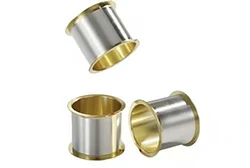
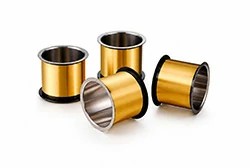
Gold-Coated Silver Bonding Wire
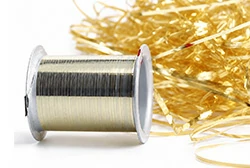
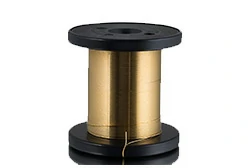
Gold Alloy Bonding Wire
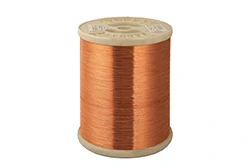
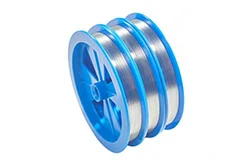
Product range
| Item | Products and supply scope |
| Product specifications | Over 120 specifications |
| Standard wire diameters | 15–50 µm (0.6–2.0 mil) |
| Diameter tolerance | ±1.0 µm |
| Aluminum wire supply range | Large-diameter aluminum bonding wire available |
| Spool type | 2" aluminum alloy spool |
| Length per spool | 500–5,000 m |
| Packaging | Vacuum-sealed individual packaging |
| Customizable parameters | EL (elongation), BL (break load), diameter, and other key performance parameters |
Quick selection: which wire for which LED?
A broader comparison of gold, silver, copper, and aluminum bonding wires helps frame the main material trade-offs, while the wire selection logic for different LED applications can be clarified in the table below (visible light reflectivity data is based on publicly available industry spectral reflectance measurements; other entries reflect product specifications and positioning):
| Wire type | Visible light reflectivity (contribution to luminous efficacy) | Resistivity (µΩ·cm) | Environmental stability (resistance to sulfidation/silver migration) | Relative cost | Typical LED applications |
| Pure silver wire SHP (Ag >99.99%) | Excellent | 2.3–3.2 range | Medium (requires control of environmental sulfur/chlorine) | Lower than gold wire | High-end lighting and packages prioritizing luminous efficacy |
| High-silver alloy wire SAH1–SAH5 (Ag ≥95–99%) | Excellent | 2.3–3.2 range | Medium–Good (alloying improves migration resistance) | Lower than gold wire | Mainstream lighting, SMD displays, and general-purpose packaging |
| Low-silver alloy wire SAH12/SAH15 (Ag ≥85–88%) | Good | 2.3–3.2 range | Good (higher strength and reliability within alloy series) | Even lower | High-volume devices in mild indoor environments |
| Gold-coated silver alloy wire SW-AA2/AC6D/AA (Ag ≥92–97% + Au layer) | Excellent | 1.8–3.8 | Good–Excellent (Au layer designed to isolate from environment) | Medium | Humid/hot or sulfur-containing environments, outdoor displays |
| Gold alloy wire GA06/GA08 (Au 60/80% + Ag) | Good | 2.5 | Excellent | Medium–High | High-power, long-span, and low-loop LED packages |
| Pure gold wire 4N (Au ≥99.99%) | Excellent for red light, weak for blue light (per third-party spectral data) | 2.4–2.5 | Excellent (most chemically stable) | High | Automotive-grade and high-reliability outdoor devices |
| Copper wire CP/CS (Cu 99.99%) | Medium | 1.75 (pure metal value) | Medium (prone to oxidation; requires forming gas) | Lowest | Cost-driven production lines with mature copper processes |
| Aluminum wire (wedge bonding, 38–125 µm) | - | - | Medium | Low | Wedge-bonded interconnects for LED modules/drivers; default choice outside the optical cavity |
- Most lighting and display LEDs start with silver alloy wire;
- For brightness and luminous efficacy priority: pure silver SHP or high-silver SAH1–SAH3;
- Upgrade to gold-coated silver in humid/hot or sulfur-containing environments;
- Use gold wire for automotive-grade and highest-reliability applications;
- Consider gold alloy wire for high-power, long-span packages.
Not sure which grade matches your package? Send us your LED package type, target wire diameter, and BL/EL requirements for model-specific evaluation and quotation.
Why we recommend silver alloy wire for most LED packages
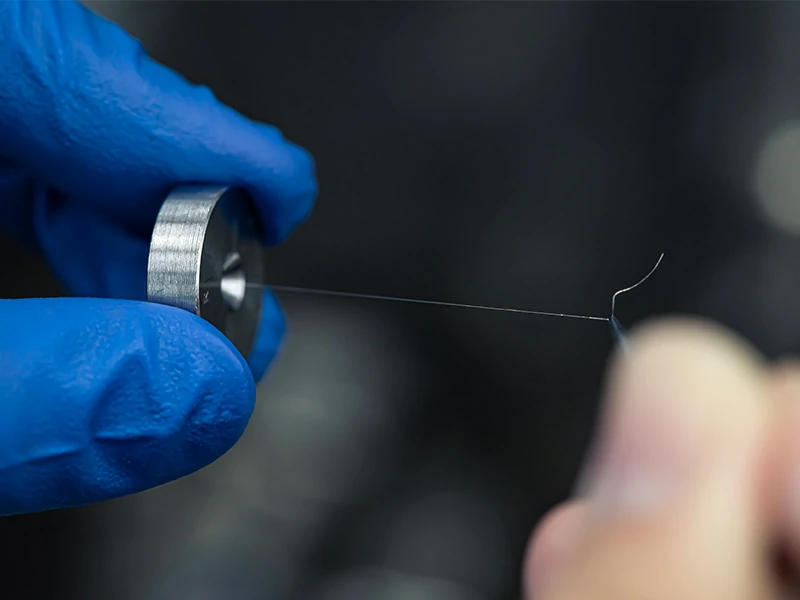
The fundamental difference between LED and IC package wire selection lies in the fact that LED bonding wires are exposed inside the optical cavity and sit directly in the light path-the wire is not just a conductor but also a miniature reflective surface.
Optics: Silver's structural advantage in the blue spectrum. Industry-published metal spectral reflectance data shows silver maintains ~95% reflectivity across the entire visible spectrum. Gold achieves similar ~95% reflectivity at ~650 nm (red light) but drops sharply to ~40% at ~450 nm (blue light) and shorter wavelengths.
Modern white LEDs and RGB displays are based on blue-emitting chips-meaning gold wire absorbs a significant portion of blue light within the LED cavity, while silver wire reflects it back into the emission path. This optical physics is the root reason silver bonding wire dominates LED packaging, beyond just cost considerations.
Electrical and thermal conductivity: Silver is the best conductor among the three mainstream metals.
| Physical properties @20°C | Au (gold) | Ag (silver) | Cu (copper) |
| Resistivity (µΩ·cm) | 2.39 | 1.59 | 1.75 |
| Thermal conductivity (W/m·K) | 317 | 429 | 401 |
| Density (g/cm³) | 19.32 | 10.4 | 8.96 |
| Melting point (°C) | 1064.43 | 961.93 | 1083 |
Cost: Significantly lower than gold wire. Silver's density is ~55% that of gold, requiring less material for the same length; combined with price differences, silver-based bonding wire typically reduces wire material costs by ~80% compared to gold wire under standard industry assumptions.
Bonding process: Lower hardness helps protect bond pads. Silver alloy wire has relatively low hardness (FAB 45–60 HV range), resulting in less impact on Al pads during bonding.
By comparison, copper wire forms a harder free air ball (FAB), generating significantly higher stress on the electrode layer beneath the pad during bonding-simulations show ~453 MPa versus ~347 MPa under identical conditions. This is why copper wire carries a cratering risk on thin LED electrode structures and demands stricter process control, whereas silver alloy wire behaves more similarly to gold wire in this regard.
It must be clarified: silver wire is not universally optimal. Its limitation lies in chemical environmental exposure-sulfur, halogens, and high humidity can undermine its advantages.
Matching bonding wire to LED applications
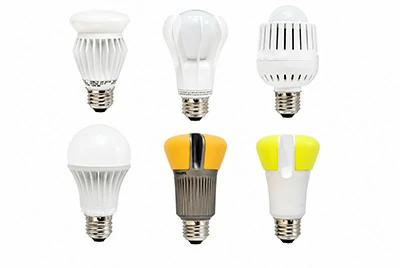
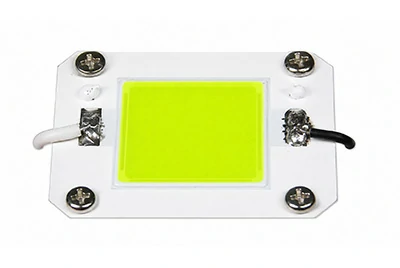
General lighting - bulbs, tubes, panels, and COB modules
General lighting represents the largest volume and most cost-sensitive bonding wire application: high-volume production of discrete devices (TO/SOT/SOP) and COB (chip-on-board) modules makes wire cost a significant BOM factor, with silver content being the primary cost lever.
High-end lighting prioritizing luminous efficacy uses pure silver SHP; mainstream lighting uses high-silver SAH1–SAH5, balancing reflectivity, strength, and cost;
High-volume devices in mild indoor environments can use low-silver SAH12/SAH15-lower silver content reduces cost, while alloying actually enhances strength and reliability.
Process-wise, general lighting packages commonly use 18–25 µm (0.7–1.0 mil) wire diameters, with good bonding performance under N₂ protection. The low hardness helps protect Al pads and reduces cratering risk. Provide your package type (TO/SOT/SOP/COB), pad metallization, and monthly volume for quotation by silver content tier.
LED displays - SMD RGB, fine-pitch, and backlight
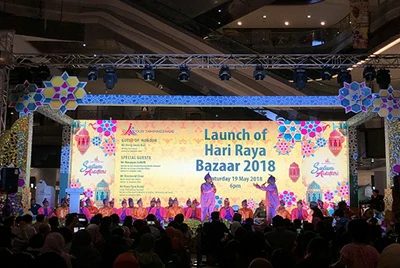
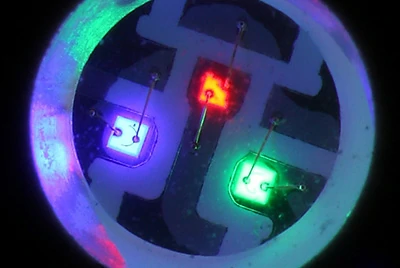
Displays are the most debated application for wire selection. In SMD RGB packages, three chips share one optical cavity, and the bonding wire's reflectivity directly affects color brightness uniformity-RGB relies primarily on blue and green light.
Silver-based wires help preserve blue-light output, which is why silver-series wires are preferred in display packaging. Mechanically, fine-pitch displays require finer diameters and more stable loops: at 15–18 µm (0.6/0.7 mil), SHP/SAH series offer minimum break loads starting at 2.0–4.0 gf and controllable elongation (2.0–16.0%), enabling fine-pitch loop formation and consistent loop height.
In outdoor and premium display applications, industry practice often retains gold wire or gold-coated silver for enhanced chemical stability-outdoor displays face precisely the humid, polluted conditions that challenge silver. However, ultra-fine-pitch Mini/Micro-LED displays are increasingly shifting toward flip-chip interconnects without wires.
Send us your pixel pitch, package type, and wire diameter specifications to discuss specific selection.
High-power and long-span LED packages - street, flood, and high-bay
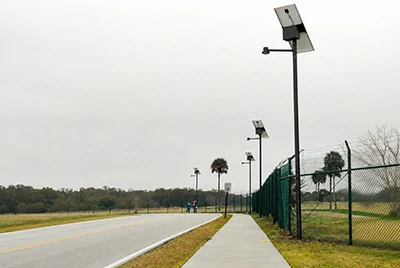
Wire selection criteria for high-power LEDs differ entirely from those for lighting and displays: individual devices operate at high drive currents, making bond wires potential fuse points along the current path; meanwhile, large-package designs demand long spans and low-loop profiles.
Refer directly to the fusing current table: silver wires (15–50 µm) correspond to 0.1–1.9 A. Select a wire diameter with sufficient margin above the drive current-30–50 µm (1.2–2.0 mil) is commonly used in high-power packages.
Long spans and low loops are where gold alloy wire excels: GA06/GA08 (homogeneous Au-Ag alloys) offer ultra-high strength (minimum breaking load of 37–39 gf for large diameters), ultra-low loop height (60–150 µm), and excellent long-span capability. These wires are specifically engineered for LED packaging-delivering lower cost than pure gold while achieving higher strength and elongation.
Along the thermal path, the high thermal conductivity of silver and gold alloys helps share junction heat, working with substrate and leadframe design to improve lumen maintenance.
Note: Fusing current is a material property. Final device current design must still follow your package-level thermal design and derating specifications.
Send your drive current, span, and loop requirements for model-specific evaluation.
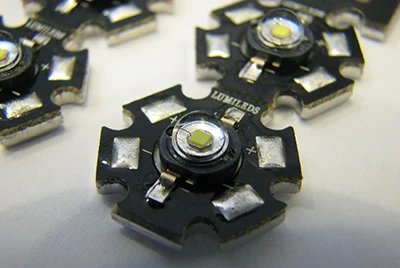
Automotive, outdoor, and high-humidity environments
Automotive and outdoor LEDs face combined stresses of high temperature, humidity, sulfur/halogen contamination, and thermal cycling-conditions that amplify silver's environmental sensitivity.
Gold-coated silver alloy wire (SW-AA2/SW-AC6D/SW-AA) is preferred-its Au surface layer is designed to isolate against environmental corrosion while retaining the cost and conductivity advantages of a silver core. Among these, SW-AC6D has demonstrated verified bonding performance in ball shear (>18 g), wire pull (>3 g), and stitch pull (>2.5 g) tests.
The highest reliability tier remains 4N gold wire (Au≥99.99%): its chemical inertness provides the most stable performance, which is why automotive and premium outdoor devices often retain gold wire in industry practice.
Henan Chalco's production system is certified under GB/T 19001 (ISO 9001) for quality management and GB/T 24001 (ISO 14001) for environmental management. AEC-Q certification applies to finished packages; wire materials support device-level validation per customer specifications.
Provide your environmental conditions (temperature, humidity, sulfur/halogen exposure) and reliability test matrix (uHAST, PCT, TCT, etc.) for grade-specific recommendations with test data references.
Where silver wire reaches its limits - corrosion, migration, and the flip-chip boundary
Sulfidation and halogen corrosion
In sulfur- or chlorine/bromine-containing environments, silver forms compounds like silver sulfide, causing discoloration of wires and plating, reduced reflectivity and brightness, and potentially degraded bond joints. Chlorine in the encapsulant can migrate along grain boundaries and corrode silver alloy wires.
Mitigation involves three layers: control Cl/S content in the encapsulant, enhance package hermeticity, or upgrade directly to gold-coated silver or gold wire.
Silver migration
Under bias voltage and high humidity, silver is susceptible to electrochemical migration-a fundamental limitation of pure silver in high-humidity, high-voltage-differential applications.
At the product level, alloying is the solution: alloyed wires exhibit better migration resistance than pure silver, with gold wire offering the best performance. This engineering rationale explains why silver content is graded-and why 'higher purity is better' does not apply to LED bonding wires.
The role of copper wire
Copper bonding wire offers the lowest material cost and excellent electrical/thermal conductivity, but faces two constraints: it oxidizes easily, requiring forming gas (e.g., N₂+H₂) protection during bonding and strict storage controls; additionally, as noted in prior FEM studies, its higher FAB hardness generates greater bonding stress on thin LED electrode structures, increasing cratering risk.
Thus, copper wire is not the default choice inside LED optical cavities. However, for cost-driven production lines with mature copper processing capabilities, CP/CS grades can be supplied for evaluation per specification.
Flip-chip technology boundary
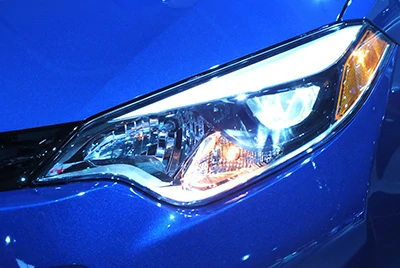
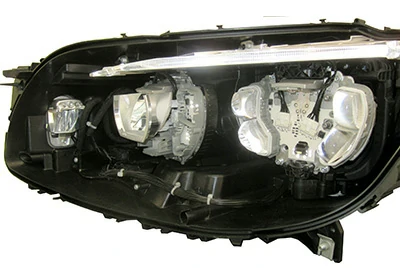
Ultra-fine-pitch Micro-LED displays and certain premium automotive headlights are migrating toward flip-chip interconnects-eliminating wire shadowing and enabling shorter thermal paths are genuine structural advantages that should not be ignored.
At the same time, industry estimates indicate wire bonding still accounts for approximately 75–80% of first-level interconnects in microelectronics: it remains the mainstream solution for SMD LEDs, lighting COB, mid-to-large-pitch displays, and high-power packages due to its maturity, low cost, and high yield.
LED bonding wire specifications by material
Silver bonding wire (SHP / SAH series)
Suitable for high-end LED, IC, and memory packaging (TO/SOT/DIP/SOP/TSOP/TQFP/BGA, etc.).
| Model | Composition | Category | Key characteristics |
| SHP | Ag>99.99%, alloy content<0.01% | Pure silver wire | High reflectivity, high conductivity, high flexibility; good bondability under nitrogen protection |
| SAH1 / SAH2 / SAH3 / SAH5 | Ag≥99.0 / 98.0 / 97.0 / 95.0% | High-silver alloy wire | High reflectivity, high strength, high toughness, high reliability |
| SAH12 / SAH15 | Ag≥88.0 / 85.0% | Low-silver alloy wire | Higher strength and toughness, enhanced reliability, suitable for high-density packaging |
Key properties: FAB hardness 45–60 HV, HAZ 60–70 HV, wire 70–80 HV; density 10.49–10.60 g/cm³; resistivity 2.3–3.2 µΩ·cm @20°C; elastic modulus 40–60 GPa; elongation ranges from 2.0–16.0% (15 µm) to 10.0–25.0% (38–50 µm), depending on diameter.
Minimum breaking load by diameter (gf, tensile tester, 100 mm sample length):
| Diameter \ Model | SHP | SAH1–SAH3 | SAH5 | SAH12 | SAH15 |
| 15 µm (0.6 mil) | 2.0 | 3.0 | 3.5 | 4.0 | 4.0 |
| 18 µm (0.7) | 3.5 | 4.0 | 4.0 | 4.0 | 4.5 |
| 20 µm (0.8) | 4.0 | 6.0 | 6.0 | 6.0 | 6.0 |
| 23 µm (0.9) | 6.5 | 8.0 | 8.0 | 8.0 | 8.0 |
| 25 µm (1.0) | 8.0 | 10.0 | 10.0 | 10.0 | 10.0 |
| 30 µm (1.2) | 11.0 | 13.0 | 13.0 | 13.0 | 13.0 |
| 38 µm (1.5) | 16.0 | 18.0 | 18.0 | 20.0 | 20.0 |
| 50 µm (2.0) | 28.0 | 32.0 | 32.0 | 35.0 | 35.0 |
Fusing current by diameter: 0.1 A (15 µm) → 0.2 / 0.3 / 0.4 / 0.5 / 0.7 / 1.1 / 1.9 A (up to 50 µm)-this is the core basis for high-power wire diameter selection (see High-Power section below).
Gold-coated silver alloy wire (SW-AA2 / SW-AC6D / SW-AA)
Also known as gilt silver alloy wire or gold-plated silver wire: features an Ag alloy core with an Au surface layer. The Au layer is designed to isolate against sulfur/halogen environments while preserving the conductivity and cost benefits of the silver core.
| Parameter | SW-AA2 | SW-AC6D | SW-AA |
| Composition | Ag≥92.00% + Au layer | Ag≥94.00% + Au layer | Ag≥97.00% + Au layer |
| Resistivity (µΩ·cm) | 3.8 | 2.7 | 1.8 |
| Hardness HV (FAB / Wire) | 60–75 / 65–85 | 55–70 / 65–85 | 50–65 / 50–65 |
| Fusing current (25 µm, 10 mm, A) | 0.53 | 0.52 | 0.55 |
| HAZ length (25 µm) | Max 110 µm | Max 110 µm | Max 130 µm |
| Melting point | ~1013°C | ~1015°C | ~980°C |
| Density (g/cm³) | 10.73 | 10.62 | 10.64 |
| Recrystallization temperature | 380–460°C | 380–460°C | 350–440°C |
| BL @0.7/1.0 mil (gf) | >4 / >8 | >4 / >8 | >3.5 / >8 |
| EL @0.7/1.0 mil (%) | 3–20 / 3–20 | 5–25 / 5–25 | 7–14 / 14–22 |
SW-AC6D demonstrates excellent ball sphericity and hardness matching in bonding tests: ball shear >18 g, wire pull >3 g, stitch pull >2.5 g, and loop height within 70–115 µm specification.
Gold wire and gold alloy wire (4N / GDN Series / GA06 / GA08)
Pure gold wire (Au≥99.99%, 4N; GDN/GDU/GDL/GDH graded by loop height and elongation) is suitable for high-end LED, sensor, and IC packaging. Properties include density 19.32 g/cm³, resistivity 2.5 µΩ·cm, FAB hardness 30–55 HV, HAZ 40–90 HV, wire 60–85 HV, minimum breaking load 2.0–34.0 gf (15–50 µm by model), and fusing current 0.3–3.5 A.
Gold alloy wires GA06/GA08 (Au 60±1% + Ag 40±1% / Au 80±1% + Ag 20±1%, others <0.5%) significantly reduce cost compared to pure gold wire while offering higher strength, greater elongation, ultra-low loop height (60–150 µm), and long-span capability. They are primarily used in LED packaging and also suitable for sensors, high-end LEDs, MEMS, and optical communications.
Minimum breaking strength for gold alloy wires: GA08 4.5–39.0 gf, GA06 3.5–37.0 gf (15–50 µm); elongation graded from 2.0–5.0% to 3.0–13.0%; FAB hardness 35–55 HV, HAZ 45–85 HV, wire 75–95 HV; density 19.31 g/cm³; resistivity 2.5 µΩ·cm; fusing current 0.2–2.9 A; enables high-frequency, high-speed, and ultra-fine-pitch bonding under pure nitrogen protection.
Copper bonding wire (CP / CS) and aluminum bonding wire
Copper wire CP (standard hardness) / CS (soft copper), Cu 99.99%, total impurities <0.01%: minimum breaking load 3.0–28.0 gf (18–50 µm); elongation graded as CP 8.0–25.0% / CS 8.0–26.0%. Offers significant cost reduction versus pure gold wire, with more stable loop formation and suitability for ultra-fine pitch bonding.
Aluminum wire (for wedge bonding, large diameters): diameter 38–125 µm, tolerance ±1.1 to ±5.0 µm; breaking force 17–19 cN (38 µm) to 110–150 cN (125 µm); elongation graded as 1–4% / 2–8% / 5–15%; available on 0.5" and 2" spools in 100/300 m lengths. Mechanical properties can be adjusted per customer requirements.
Aluminum wire is primarily used in LEDs for wedge-bonded interconnects between modules and driver sides, not as the default choice within the light-emitting cavity.
Manufacturing capability, quality system
Production and testing capabilities
Henan Chalco's bonding material production line includes: 3 imported high-temperature melting/casting furnaces, 2 rough drawing machines, 2 intermediate drawing machines, 20 fine drawing machines, 4 rolling mills, 16 annealing units, 8 winding machines, and 6 electroplating lines, supported by ultrapure water generation, gas protection, and wastewater treatment systems;
The process chain-from 99.999%-grade purification, melting/casting, wire drawing, electroplating, annealing to winding and packaging-is controlled via MES, ensuring full lot traceability.
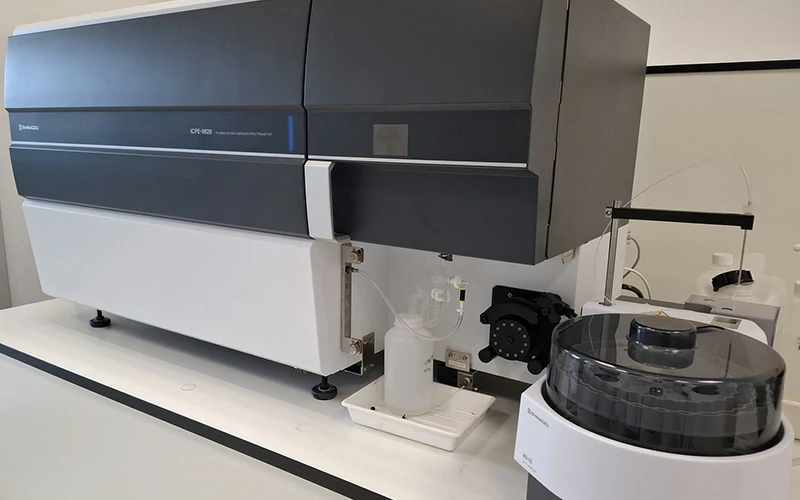
Testing capabilities include ICP-OES (for composition and purity verification), imported vacuum SEM, infrared carbon/sulfur/moisture analyzers, Instron pull/push testers, universal material testing machines, wire bonders, and high-precision electronic balances. Bond pull and ball shear tests can be performed per ASTM F459 (destructive pull) and JEDEC JESD22-B116A (ball shear), as specified per order.
Quality system and industry standing
The production system has been certified to GB/T 19001 (ISO 9001) for quality management and GB/T 24001 (ISO 14001) for environmental management. It implements a four-tier quality management framework: supplier management (information review-on-site audit-trial production-comprehensive evaluation-periodic assessment), monitoring/measurement management (regular calibration, compliance labeling, scheduled maintenance, daily inspections), production process control (first-article inspection, in-process audits, dedicated product checks), and finished goods management (packaging integrity checks, packing list verification).
Henan Chalco is one of the drafting organizations for national standards on bonding gold wire, palladium-coated copper wire, gold-coated silver wire, and silver alloy wire for packaging. Years of technical accumulation support continuous product iteration, mature and stable processes, fast production cycles (exact lead times subject to order confirmation), and manufacturing costs competitive within the industry.
Customer and volume production validation
Relevant bonding wires have been used in volume production by LED packaging and lighting customers including Philips, LG, OSRAM, Samsung, Seoul Semiconductor, Nationstar, Sanan, MLS, Jufei, and Refond;
In semiconductor packaging, partnerships have been established with JCET, Yangjie Technology, CR Micro, and Silan.
What to send for a quote
- LED package type and die format (e.g., SMD/COB/TO)
- Pad metallization (Al pad or Au pad)
- Wire diameter and target BL/EL values
- Loop height and span requirements
- Encapsulant Cl/S constraints or reliability test matrix (uHAST/PCT/TCT)
- Monthly usage volume and preferred spool specifications
- Preferred precious metal pricing benchmark
Pricing is linked to Au/Ag spot prices and quoted based on the agreed pricing benchmark;
MOQ and lead time confirmed per order;
Wires are vacuum-packed individually; after opening, use within a limited working window. Storage conditions are provided with each order.
Related bonding wire products
Bonding wire is only one part of an interconnect solution.
Henan Chalco offers one-stop supply of interconnect materials for semiconductor and power packaging-from various bonding wires for IC and LED packaging to bonding ribbons and copper pillars for power modules-all under a single supply chain, unified quality documentation, and traceability system, helping you reduce qualification costs from multi-source procurement.
All the following products are available for specification review and quotation:
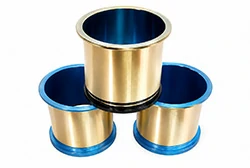
Gold bonding wire
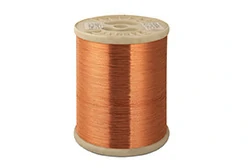
Copper bonding wire
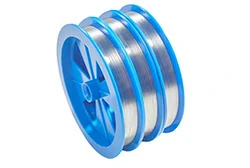
Aluminum bonding wire
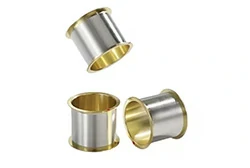
Silver alloy bonding wire
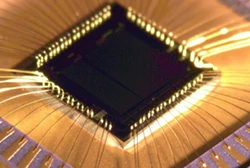
Bonding wire for IC packaging
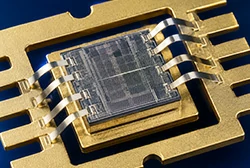
Bonding ribbon for semiconductor packaging
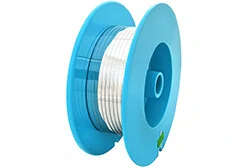
Aluminum bonding ribbon
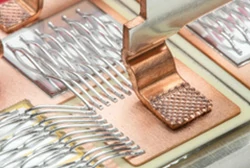
Bonding wire and ribbon for power modules
Copper pillars
FAQ
Gold or silver bonding wire for LED packaging?
Most lighting and display LEDs use silver alloy wire-offering superior reflectivity in the blue spectrum and significantly lower cost than gold wire. For humid/high-sulfur environments, upgrade to gold-coated silver; for automotive-grade and highest-reliability applications, use gold wire.
Will silver bonding wire darken and reduce LED brightness?
Yes, in sulfur/halogen-containing environments: silver forms silver sulfide, causing discoloration and lumen depreciation. Mitigation strategies include controlling Cl/S levels in the encapsulant and improving hermeticity, or switching to gold-coated silver wire.
What is bonding wire in an LED?
A fine metal wire (typically 15–50 µm) connecting the LED chip electrode to the lead frame or substrate, carrying current while residing in the light extraction path-making reflectivity a unique selection criterion for LED bonding wire.
What is gilt or gold-coated silver bonding wire?
Gilt, gold-plated, and gold-coated silver refer to the same product family: Ag-alloy core with an Au surface layer. Note the distinction from gold alloy wire (homogeneous Au-Ag alloy, e.g., GA06/GA08)-the former is a coated structure, the latter a bulk alloy composition.
Is wire bonding still used in LED packaging?
Yes. Ball and wedge wire bonding remain relevant in LED packaging. Industry estimates suggest wire bonding still accounts for approximately 75–80% of first-level interconnects in microelectronics (per third-party sources). SMD LEDs, lighting COBs, and high-power packages remain dominated by wire bonding, while ultra-fine-pitch Micro-LEDs are transitioning to flip-chip.
Does silver alloy wire need nitrogen protection, and how should it be stored?
Bonding is recommended under N₂ (or N₂+H₂) atmosphere protection. Wires are vacuum-packed individually for storage; after opening, use within a limited working window. Specific storage conditions are provided with each order.
Request a quote for LED bonding wire
Send us your wire diameter, BL/EL specifications, and packaging details per the RFQ checklist above. Henan Chalco will review by model and provide a quotation; pricing is based on agreed Au/Ag spot benchmarks, with test reports and purity certificates included per order.
Send your specification for review - we will match it to the right wire family and grade.