Within Chalco's broader die-to-package bonding materials range, Henan Chalco supplies heavy aluminum/aluminum-alloy bonding wire, aluminum bonding ribbon, heavy copper bonding wire, and copper bonding ribbon for topside high-current interconnects in IGBT, power MOSFET, SiC power devices, and power modules.
Product matching can start from your current bonding wire/ribbon specification or from the requirements of a new project, with technical data and engineering sample support provided according to the project stage.
Heavy Al Wire |Al Ribbon| Heavy Cu Wire |Cu Ribbon
Topside Bonding Interconnects in Power Semiconductor Packaging
In power devices such as IGBTs, power MOSFETs, and SiC devices, the die-top power electrode must be electrically connected to substrate conductive areas, package electrodes, or module terminals. Heavy bonding wire and bonding ribbon form this topside interconnect through wedge bonding and carry current within the power device.
Power Die
↓
Top-Side Metallization / Power Electrode
↓
Heavy Bonding Wire / Bonding Ribbon
↓
Substrate Metallization / Electrode / Module Terminal
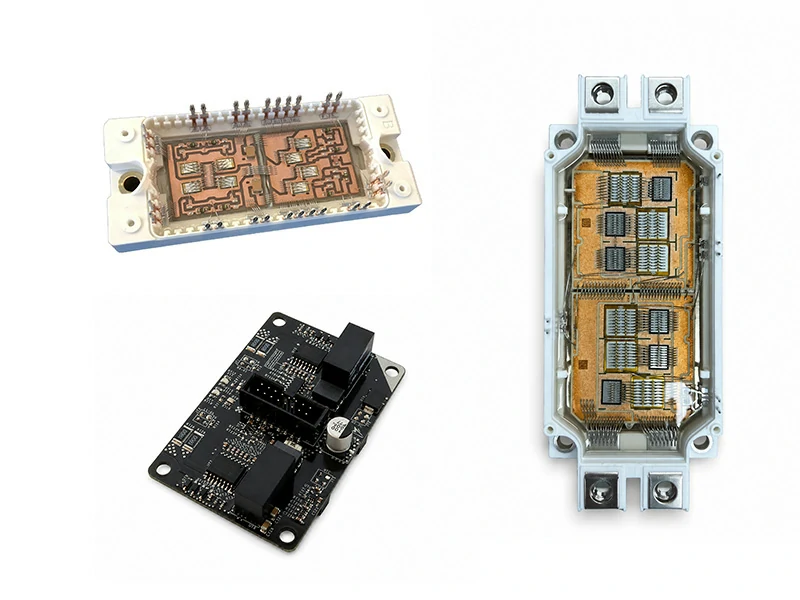
In power discrete packages, heavy bonding wire or ribbon can connect the die to conductive package structures. In multi-die power modules, multiple internal interconnects can be formed among the dies, substrate conductive areas, and module terminals according to the module layout. The connection scheme, number of interconnects, and conductor cross-section depend on the actual device structure and module design.
Power-semiconductor topside heavy-wire and ribbon interconnects are distinct from other IC packaging interconnect architectures. Depending on the package design, IC and advanced packaging structures may also use fine-wire bonding or copper pillar interconnects rather than the heavy-wire/ribbon wedge-bonding routes discussed on this page.
Heavy Bonding Wire & Ribbon for Power Devices
For heavy-wire and ribbon wedge bonding, Henan Chalco offers two main material routes, aluminum and copper, in both round bonding-wire and rectangular bonding-ribbon forms. Specific materials, dimensions, and supply specifications are confirmed according to product requirements and project conditions.
-
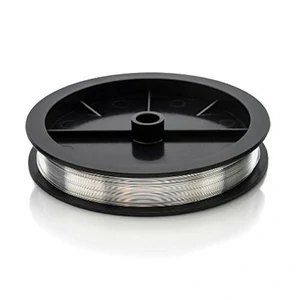 Heavy Aluminum & Aluminum-Alloy Bonding Wire
For aluminum-based heavy-wire wedge bonding. The material system, wire diameter, mechanical properties, and supply specification can be confirmed against the current wire or package requirements.
-
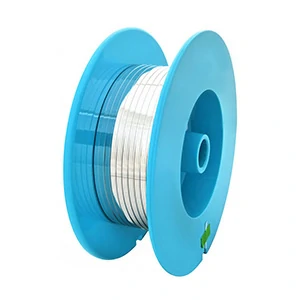 Aluminum Bonding Ribbon
Rectangular aluminum-based bonding ribbon. Ribbon width, thickness, spool format, and related bonding requirements can be confirmed for the project.
-
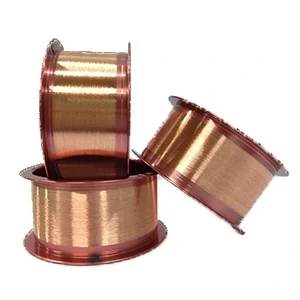 Heavy Copper Bonding Wire
For copper-based heavy-wire wedge bonding. Copper material, wire diameter, mechanical properties, and supply specification can be confirmed according to the project.
-
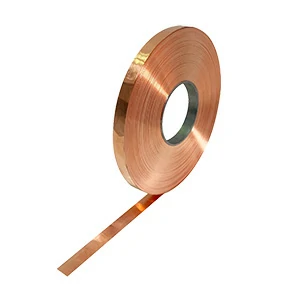 Copper Bonding Ribbon
Rectangular copper-based bonding ribbon. Ribbon width, thickness, spool format, and related technical requirements can be confirmed for the project.
Typical Interconnect Applications in Power Semiconductor Packaging
Power devices and modules differ in bond area, number of interconnects, interconnect layout, and reliability conditions. Heavy wire/ribbon material and size therefore need to be selected in line with the actual package structure.
Power Discrete Devices
Used for power interconnects between the die-top electrode and conductive package structures in power MOSFETs, IGBTs, SiC MOSFETs, and other discrete power devices. Key considerations include conductor cross-section, bond area, and connection layout within limited package space.
Bond Area | Cross-Section | Package Clearance
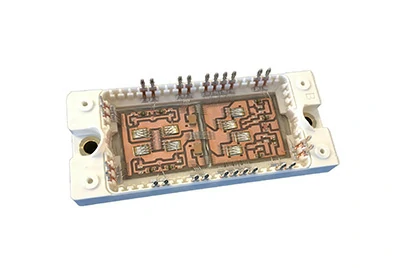
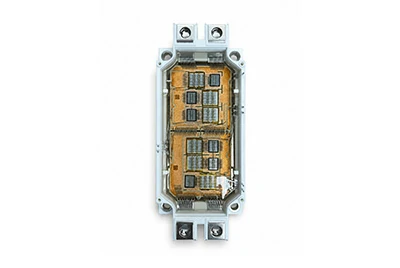
IGBT Power Modules
Multi-die modules typically require multiple power interconnects among the dies, substrate conductive areas, and module terminals. Material and conductor form should be evaluated together with the current path, number of parallel interconnects, and module layout.
Current Path | Parallel Interconnects | Module Layout
SiC Power Modules
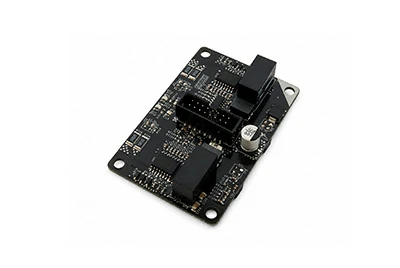
SiC module projects require combined evaluation of top-side metallization, interconnect structure, bonding process, and cycling-reliability requirements. Device type alone does not determine whether aluminum/copper or wire/ribbon should be used.
Metallization | Interconnect Geometry | Cycling Requirements
How to Select a Topside Interconnect for Power Semiconductors
Power semiconductor topside interconnect selection should not be reduced to two separate questions: "Heavy Wire or Ribbon?" and "Aluminum or Copper?" A more effective approach is to establish the existing package and process baseline first, then narrow the candidate routes by material, conductor geometry, bond interface, and project objective.
Device type helps define the application scope, but it cannot determine the material or conductor route on its own. The purpose of the selection stage is not to lock in a final material immediately, but to identify candidate routes worth taking into process and reliability validation.
Start with the Existing Package and Process Baseline
For an established production program, the current material, dimensions, package layout, and bonding process form an important selection baseline. For a new project, first define the target current, available bond area, top-side metallization, and intended bonding equipment.
| Check | Key Considerations |
| Current Material & Size | Aluminum / Copper, Wire / Ribbon, wire diameter or width × thickness |
| Interconnect Structure | Required cross-section, bond area, number of interconnects, and module layout |
| Bond Interface | Top-Side Metallization and available bond area |
| Existing Process | Bonder, wedge tool, and established process baseline |
| Project Goal | Second Source, supply replacement, NPI, or interconnect redesign |
Heavy Wire vs. Bonding Ribbon: Interconnect Geometry
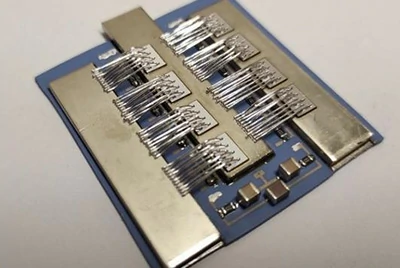
In a heavy-wire versus bonding-ribbon comparison, conductor geometry is the first distinction: heavy wire has a round cross-section and is sized primarily by wire diameter, while bonding ribbon has a rectangular cross-section defined by width and thickness. The difference is not only geometric; it also affects bond footprint, interconnect layout, space usage, and tool/feeding conditions.
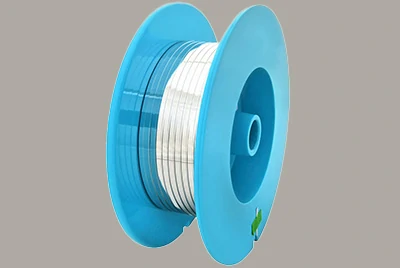
| Evaluation Factor | Heavy Wire | Bonding Ribbon |
| Cross-Section Definition | Wire Diameter | Width × Thickness |
| Bond Footprint | Determined by wire diameter and bond geometry | Influenced by ribbon width, thickness, and bond geometry |
| Layout | Suitable for continued evaluation of existing multi-wire interconnect layouts | Can be evaluated for projects requiring a redesigned ribbon interconnect layout |
| Process Change | For a second source, the existing wire form can be retained first | For Wire → Ribbon changes, reconfirm the tool, feeding, and layout |
Bonding ribbon should therefore not be treated as an automatic upgrade from heavy wire simply because it has a different cross-section or can provide a larger conductor cross-section. The relevant comparison is the actual cross-section, number of interconnects, bond area, package layout, and existing process conditions.
Aluminum vs. Copper: Then Compare Material Routes
Although broader semiconductor packaging may involve a comparison of gold, silver, copper, and aluminum bonding wires, power-device topside heavy-wire/ribbon selection on this page focuses primarily on aluminum and copper routes. Aluminum-based heavy wire/ribbon is a mature wedge-bonding route for power devices. For stable, established aluminum-based production programs, second-source or supply-continuity projects are generally better started with candidate products close to the current material system and dimensions, helping avoid unnecessary validation variables caused by a material-system change.
For projects evaluating copper-based interconnects, copper heavy wire/ribbon can be considered as a candidate route, but the material change must be reviewed together with top-side metallization, bond area, material mechanical properties, and the existing wedge-bonding conditions. At the same length and cross-sectional area, copper has lower electrical resistivity, but whether that material property translates into a module-level benefit still depends on the actual conductor specification, bond interface, and package design.
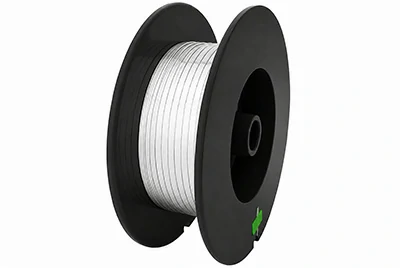
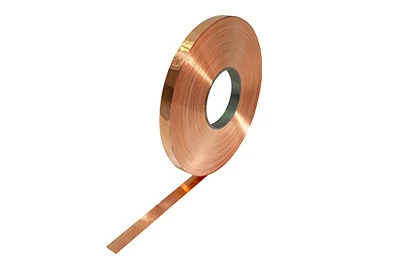
| Aluminum Route | Copper Route |
| Mature power-device wedge-bonding route | Can be evaluated for design goals such as lower conductor resistance |
| For existing aluminum projects, the current material route can be retained first | Usually involves more material and process changes |
| Material condition, surface, and dimensional consistency still need confirmation | Key checks include metallization, bonding load, and tool/process compatibility |
Moving from aluminum to copper should therefore be treated as an interconnect system change rather than a direct same-size conductor substitution.
Second Source vs. NPI: Different Starting Points
Existing Process / Second Source
The primary goal is to preserve the validated package/process baseline as far as possible. Start with the current material, dimensions, mechanical properties, and supply form, screen for closely matched candidate products, and then proceed to process and qualification validation.
New Platform / NPI
If the material and interconnect structure have not yet been locked, aluminum/copper, heavy wire/ribbon, bond area, top-side metallization, and package layout can be evaluated together to identify candidate routes better suited to the target electrical, packaging, and manufacturing conditions.
SiC does not automatically require copper, and ribbon is not automatically superior to heavy wire. The outcome of the selection stage should be a candidate route ready for the next validation step, not a material ranking made independently of the actual package and process.
Verify Process Compatibility Before Changing Bonding Material
After selecting a candidate heavy-wire or bonding-ribbon material, its compatibility with the existing wedge-bonding process still needs to be confirmed. Similar material systems or nominal dimensions do not mean that the existing equipment, tools, and process parameters can be carried over without validation.
Changes in material, wire diameter or ribbon cross-section, mechanical properties, or surface condition can affect feeding, bond deformation, interface formation, and the stability of the process window. Projects involving larger changes, such as aluminum to copper or wire to ribbon, generally require more conditions to be reconfirmed.
| Check | What to Confirm |
| Bonder & Tool | Whether the existing bonder supports the target wire/ribbon, and whether the wedge, cutter, and feeding system match the material and size |
| Bond Interface | Whether die top metallization, bond area, underlying structure, and the connection interface at the other end are compatible with the candidate material |
| Process Window | Whether the existing recipe remains applicable and whether bonding force, ultrasonic energy, and bond deformation need to be adjusted |
| Feeding & Handling | Whether spool, winding, and de-reeling are stable, and whether storage, unpacking, and use conditions meet process requirements |
For copper-based heavy wire/ribbon, bonding load, top-side metallization, tool compatibility, and the process window should also be reviewed in conjunction with the material mechanical properties. Existing aluminum-wire parameters should not be assumed to transfer directly.
Bonding force, ultrasonic energy, and other process conditions need to be evaluated for the specific material, equipment, and bond interface, then verified through actual bonding trials and DOE to establish a stable process window.
Initial Bond Quality Does Not Equal Long-Term Interconnect Reliability
For power semiconductor topside interconnects, acceptable bond appearance and pull or shear results help assess initial bond quality, but they do not by themselves demonstrate the long-term reliability of the wire/ribbon under operating conditions.
During power cycling, load changes cause repeated junction-temperature changes in IGBTs, MOSFETs, SiC devices, and other power devices. Under thermal cycling, external temperature changes likewise subject the bonding wire/ribbon, bond interfaces, and adjacent package materials to cyclic thermomechanical stress.
Repeated Temperature Cycling
↓
Thermomechanical Stress
↓
Interconnect & Bond Fatigue
↓
Heel Crack / Wire Lift-Off / Interface Degradation
After changing heavy wire, bonding ribbon, or the material system, validation therefore needs to extend beyond initial bond quality to package-level reliability.
| Validation Level | Primary Question |
| Initial Bond Quality | Do the bond geometry and interface meet the process requirements? |
| Mechanical Bond Test | Do pull/shear and related tests meet the project's initial mechanical requirements? |
| Package-Level Reliability | Does the interconnect remain stable under the project-defined thermal/power cycling conditions? |
Heel crack, wire lift-off, and bond-interface degradation are among the failure modes that need to be considered in power wire/ribbon interconnects. When the material, conductor form, or bond interface changes, the effect of those changes on cycling reliability also needs to be reassessed.
Therefore, reliability cannot be determined from the base-material properties of aluminum or copper alone. Final interconnect reliability also depends on conductor specification, bond interface, package structure, bonding process, and the actual operating and validation conditions.
From Engineering Samples to Material Qualification
Once a candidate heavy wire or bonding ribbon has been identified, it should be validated step by step under the actual package and bonding conditions rather than directly substituted for the current material. Second-source and NPI programs may have different requirements, but both can generally proceed through the following path:
1. Current Spec Review
Review the current material or new-project requirements and screen for closely matched wire/ribbon candidate specifications.
2. Engineering Sample
Prepare engineering samples for bonding evaluation using the actual bonder, wedge tool, and package conditions.
3. Process & Reliability Validation
Confirm the process window, bond quality, mechanical tests, and any required thermal/power cycling or other reliability items according to the project requirements.
4. Pilot / Multi-Lot Evaluation
If the customer qualification plan includes engineering lots, pilot lots, or multi-lot evaluation, production suitability and lot-to-lot consistency can be further assessed according to the project requirements.
5. Customer Qualification
Complete final material approval in accordance with the customer's internal engineering, quality, and supplier qualification requirements before moving into subsequent production supply.
Project Support: Current Spec Matching | Candidate Product Review | Technical Data | Engineering Samples
For second-source or NPI projects, Henan Chalco can screen candidate products based on the current material specification or confirmed package conditions and confirm the scope of available technical data and engineering samples. Specific test items, acceptance criteria, and qualification procedures are subject to the customer's device, package, and quality-system requirements.
What to Provide for a Quote or Sample Request
If you are looking for a second source for an existing heavy wire/ribbon, start by providing the current product model or datasheet, material, and wire diameter or ribbon width × thickness. If available, you can also provide the device or module type, top-side metallization, bonder/wedge tool, and the issue you want to address.
For an NPI project, discussion can begin with any confirmed package-structure, material, or dimensional requirements. Even if the complete specification has not yet been finalized, candidate product matching can begin first, with technical requirements added progressively as validation proceeds.
FAQs
Can You Match Our Current Heavy Wire / Ribbon Spec?
Yes. For a project with an established production baseline, closely matched candidate products can first be screened against the current datasheet, material, and wire diameter/ribbon size, then verified through actual bonding evaluation to determine whether they are suitable as a second source.
Do Bonding Parameters Change with a New Second Source?
Not necessarily, but the existing parameters should not be assumed to transfer unchanged. Even with similar materials and nominal dimensions, mechanical properties, surface condition, and actual bonding behavior can differ between products. Actual bonding evaluation is therefore needed to confirm whether the existing process window remains applicable.
Can Production Start After Sample Bonding and Pull/Shear?
Further reliability, engineering-lot, pilot-lot, or multi-lot evaluation may still be required depending on the project. A single sample test can demonstrate the initial bonding performance of that sample, but it does not replace a complete material qualification.
What Changes When Moving from Aluminum to Copper?
In addition to the conductor material itself, top-side metallization, bond area, wedge tool, bonding process, and package-level reliability need to be reconfirmed. An aluminum-to-copper change is better evaluated as an interconnect-system change rather than a direct same-size material substitution.
How Can Lot-to-Lot Risk Be Reduced with a New Supplier?
Qualification should not focus on a single sample alone. For more demanding projects, engineering-lot or multi-lot evaluation can be added before final approval, with key specifications, acceptance items, and the material and quality requirements to be controlled during production defined in advance.
Can Evaluation Start with Incomplete Material Information?
Yes. Start with whatever information is available, such as material name, dimensions, product model, photos, samples, or package information. Once the candidate range is defined, mechanical properties, bonding conditions, and validation requirements can be added as needed for the project.
Start Your Heavy Wire / Ribbon Evaluation
Whether you are qualifying a second source for an existing material or starting a new power discrete, IGBT power module, or SiC power module project, the evaluation can begin with the information you already have.
Send your current wire/ribbon specification or the basic requirements for a new project. We can first help identify candidate products and the engineering-sample scope before moving into subsequent bonding and qualification evaluation.