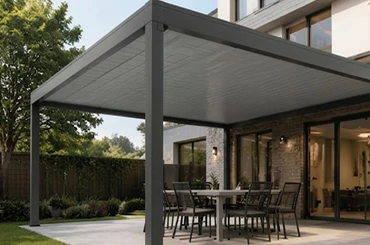
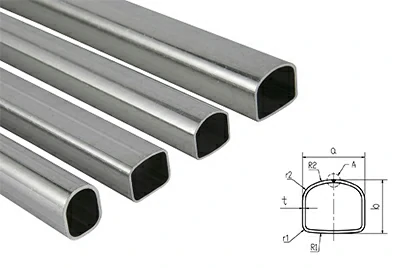
Chalco provides aluminum sunshade solutions for windows, doors, facades, patios and commercial buildings, including awnings, canopies and louvers.
Chalco provides complete aluminum shading system solutions, including aluminum awnings, aluminum canopies, aluminum sun louvers, aluminum facade shading systems, and aluminum patio cover systems for windows and doors, building entrances, corridors, curtain wall facades, commercial buildings, residential patios, and various outdoor spaces.
Backed by extensive experience in aluminum building solutions, Chalco supports coordinated supply across profiles, facade systems, doors, windows, shading structures, and outdoor architectural products for residential, commercial, and project-based applications.
To meet the requirements of different markets for aluminum shading systems in quality management, material compliance, surface weather resistance, and environmental performance, Chalco can support the corresponding standards and certification systems according to specific product types, target markets, and project requirements.
Aluminum awnings are mainly installed above doors and windows to block sunlight, reduce direct rain exposure, and enhance the decorative appearance of building entrances and exterior walls. Chalco offers aluminum door awnings, aluminum window awnings, aluminum louver awnings, and custom aluminum awnings for residential buildings, shops, office buildings, and commercial storefront projects.
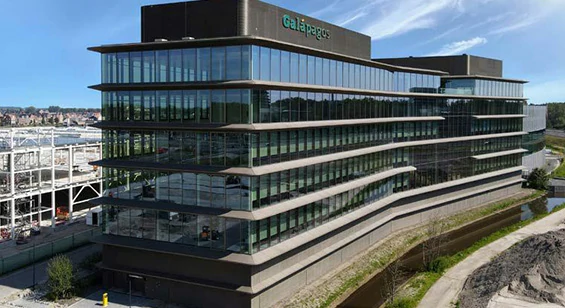
Installed above windows to provide shading, rain protection, and improved exterior wall appearance
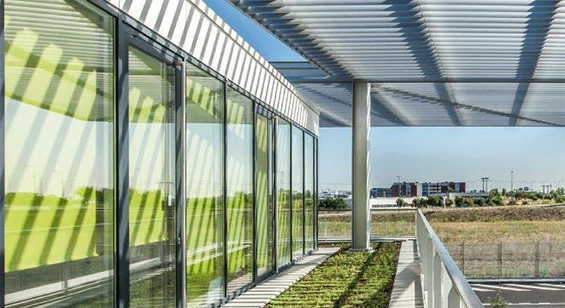
Installed above doors or entrances, providing shading, rain protection, and entrance decoration
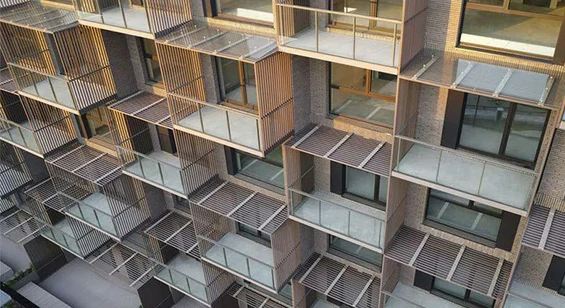
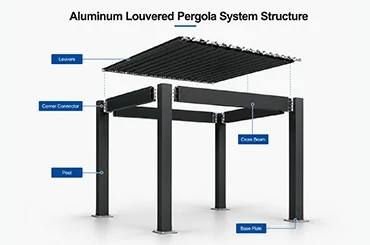
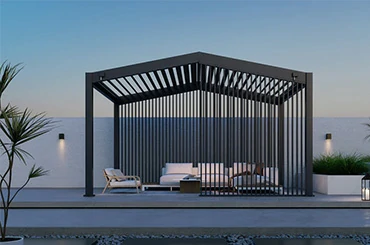
Used for shading and covering outdoor spaces such as patios, decks, and terraces
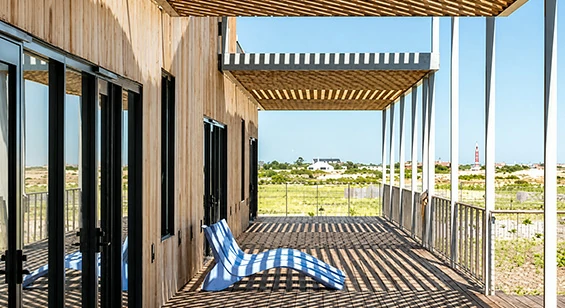
Used for front porches, back porches, and residential entrance areas
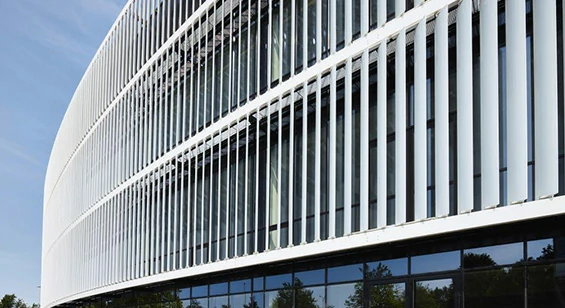
Designed with an aluminum louver structure to combine shading, ventilation, and architectural appearance
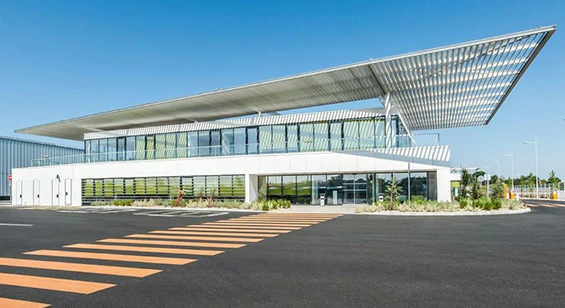
Permanently installed for projects requiring stable weather resistance
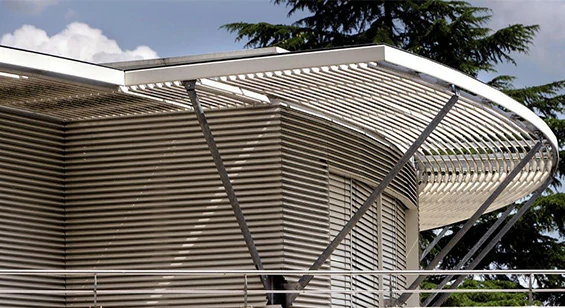
Suitable for outdoor spaces that require flexible control of shading coverage
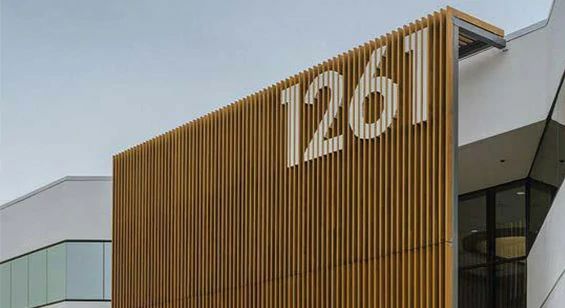
Used for entrance areas of shops, hotels, office buildings, and public buildings
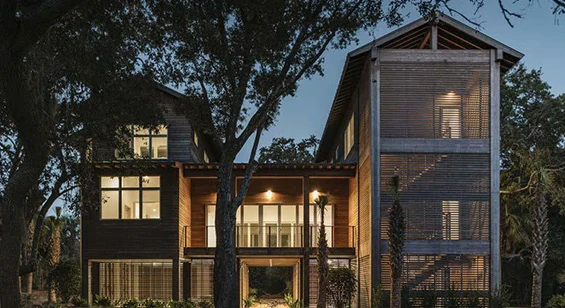
Used for shading residential doors, windows, patios, porches, and exterior walls
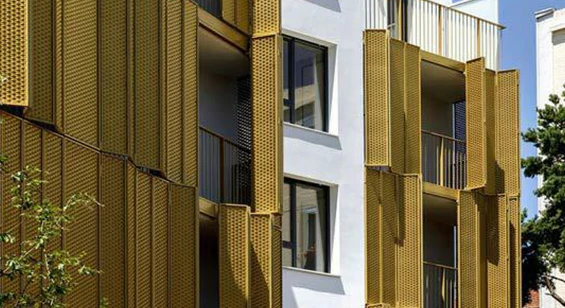
Custom manufactured according to drawings, dimensions, colors, and installation conditions
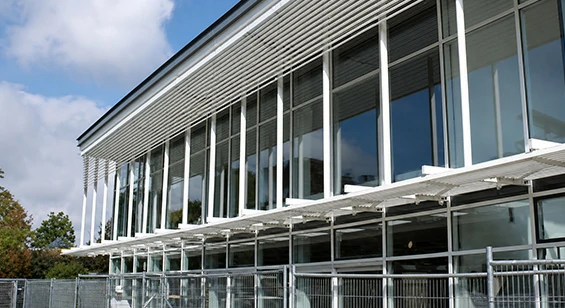
Installed above doors, front doors, and building entrances to provide shading, rain protection, and entrance decoration
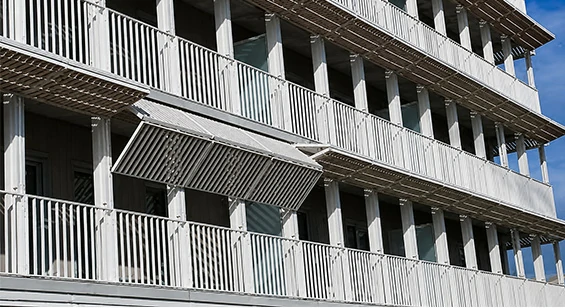
Used for shading and rain protection over corridors, walkways, connecting passages, and outdoor pedestrian areas
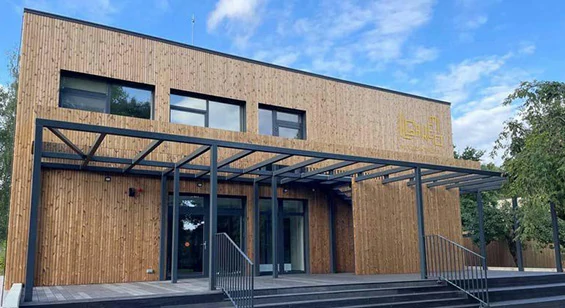
Designed with a prefabricated structure for easier on-site installation and project delivery
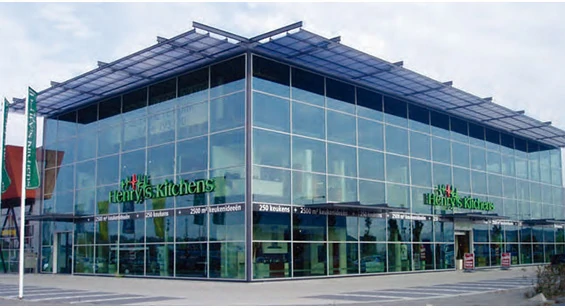
Designed with a cantilever structure, requiring no front columns or reducing front support interference
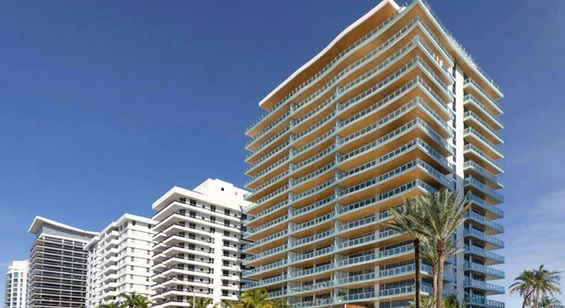
Uses aluminum roof panels or aluminum structural roofing as the main covering form
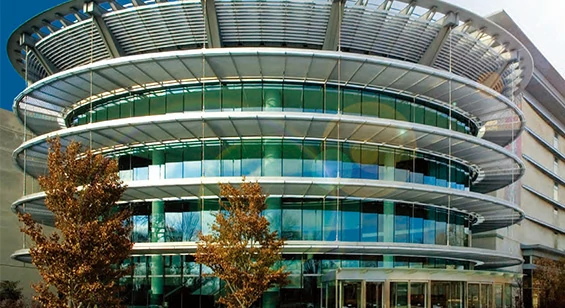
Custom manufactured according to drawings, dimensions, installation conditions, and project style
Aluminum sun louver systems are mainly used for building facades, windows, curtain walls, and exterior shading areas of commercial buildings. Through different louver angles, arrangement directions, and profile structures, they can achieve shading, ventilation, daylight control, and facade decoration effects. Chalco can provide fixed, adjustable, horizontal, vertical, and customized aluminum sun louver solutions according to project drawings, building orientation, installation position, color requirements, and surface treatment needs.
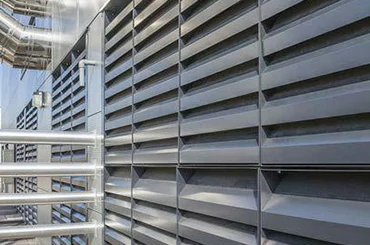
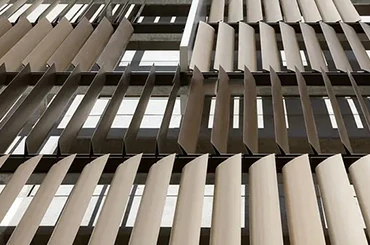
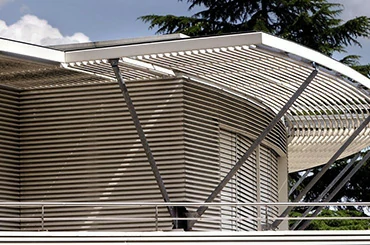
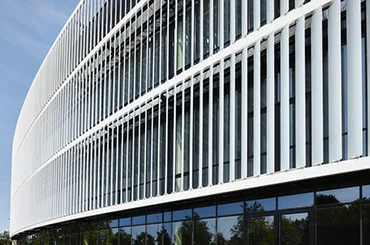
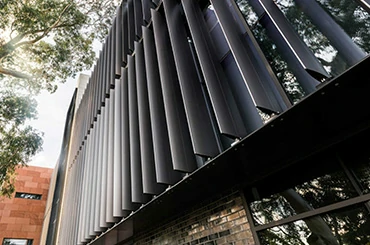
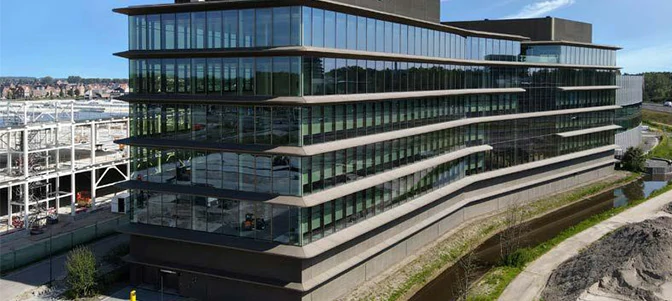
Horizontal aluminum facade sunshades are commonly used above windows, outside curtain walls, and on commercial building facades. They help reduce direct high-angle sunlight while maintaining a clean and orderly architectural appearance.
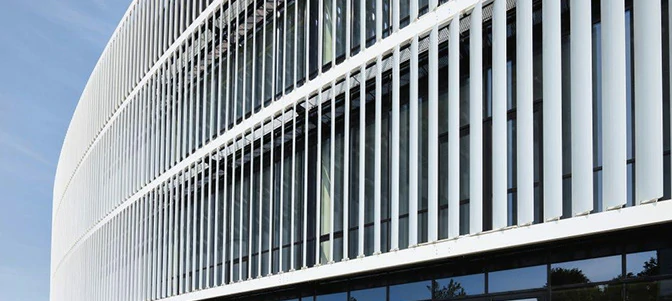
Vertical aluminum facade sunshades are suitable for east- and west-facing facades, large glass curtain walls, and modern building exteriors. They help control low-angle sunlight and enhance the linear appearance of the building facade.
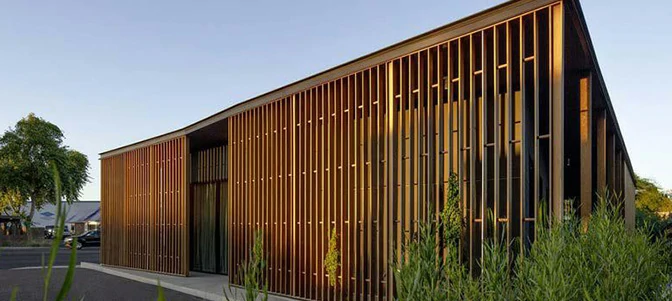
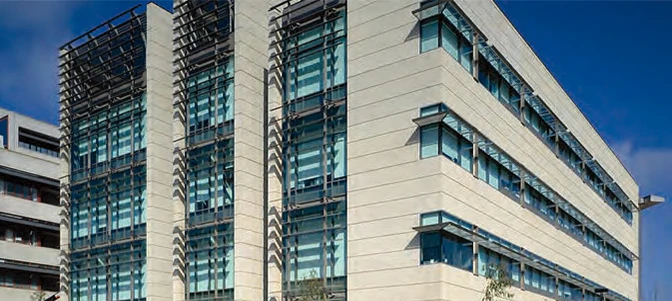
The aluminum brise soleil system is an exterior architectural shading structure that combines solar control, facade decoration, and energy-saving design. It is suitable for office buildings, hotels, schools, and public building projects.
Aluminum facade louver screens create a shading barrier through continuous aluminum grilles or louver structures. They are suitable for building projects requiring shading, ventilation, semi-privacy, and a modern facade appearance.
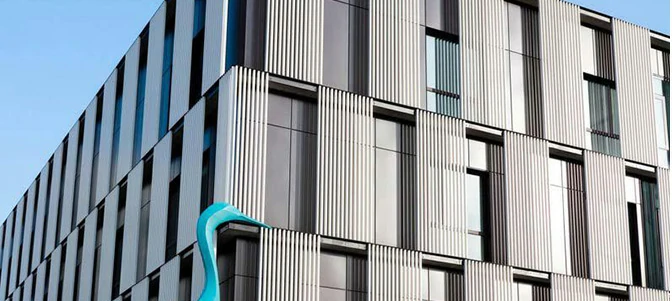
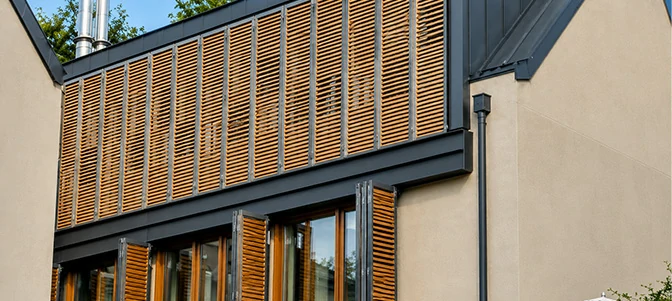
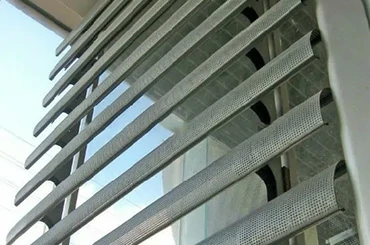
Perforated aluminum facade sunshades can achieve shading, light transmission, and decorative effects through different perforation patterns, opening ratios, and design styles. They are suitable for commercial buildings, public buildings, and creative facade projects.
Aluminium solar shading facades are suitable for building exterior walls and curtain wall systems. Customized aluminium shading facade solutions can be provided according to building orientation, solar angle, and architectural design requirements.
Simple material selection suggestions
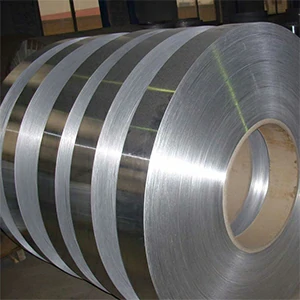
For standard aluminum awnings, aluminum canopy panels, perforated sunshade panels, and bent parts, 3003 / 5005 can be considered first.
For building facades, decorative sunshade panels, anodized surfaces, and projects with high appearance requirements, 5005 is recommended.
For aluminum louvers, grilles, frames, support arms, edge frames, and mounting profiles, 6063 is usually more suitable.
For light decorative parts or low-strength shading components, AA1100 can be used as an economical option.
Aluminum shading systems are exposed to outdoor environments for long periods, so the selected aluminum surface treatment directly affects appearance, weather resistance, corrosion resistance and maintenance requirements. Chalco can match different finishes according to architectural style, exposure conditions and project specifications.
Suitable for most aluminum awnings, aluminum canopies, aluminum louvers, and facade shading components. It offers a wide range of color options and is suitable for residential, commercial, and outdoor engineering projects.
Aluminum anodizing is suitable for shading systems requiring a metallic texture, improved surface hardness and a clean architectural appearance. It is commonly used for aluminum profiles, louvers, grilles and exposed facade components.
Suitable for coastal areas, high-sunlight environments, high-humidity conditions, and long-term outdoor projects. It offers good weather resistance, UV resistance, and color retention.
Suitable for shading systems that require a wood-like appearance while maintaining the weather resistance and low-maintenance advantages of aluminum. Commonly used for courtyards, patios, villas, and hotel projects.
Suitable for modern buildings and decorative shading components. It enhances surface texture and is commonly used for entrances, facades, decorative grilles, and custom shading structures.
Color matching can be provided according to building facades, door and window colors, brand visuals, or project design requirements. Suitable for commercial storefronts, curtain wall supporting systems, and customized architectural shading projects.
Color selection for reference only. Slight variations from the physical item may occur.
Different building projects have different requirements for the size, structure, appearance, and installation method of shading systems. Chalco can provide customized aluminum shading system solutions according to customer drawings, samples, site photos, or project requirements, suitable for aluminum awnings, aluminum canopies, aluminum sun louvers, aluminum facade shading, perforated aluminum panel shading, aluminum louver screen shading, and aluminum patio cover systems.
Chalco not only provides aluminum shading system products, but also has complete supply capabilities from aluminum alloy materials, mold development, profile extrusion, surface treatment, custom processing, to project delivery. We provide stable support for aluminum awnings, aluminum canopies, aluminum sun louvers, aluminum facade shading systems, and aluminum patio cover systems.
Chalco has an annual aluminum production capacity of 300,000 tons and operates 70 extrusion lines from 600T to 5,500T, meeting the production needs of aluminum shading system profiles with different sizes, sections, and structural strength requirements.
For large aluminum louvers, facade shading systems, canopy frames, and custom support profiles, Chalco can provide 4,000T extrusion press support, making it suitable for producing large-section, complex-structure, and engineering project profiles.
Chalco is equipped with 200 sets of key production equipment, as well as imported casting equipment and aluminum billet homogenizing equipment, helping improve profile structural stability, processing consistency, and reliable batch supply.
Chalco supports in-house extrusion die development for customized profile sections, louver blade shapes, support arms, frame profiles and installation accessories. Existing dies can be evaluated first, while new sections can be developed according to drawings, samples, structural requirements and expected order volume.
Chalco operates production lines for powder coating, PVDF fluorocarbon coating and wood grain transfer, supporting different colors, textures and outdoor exposure requirements. Finish type, coating system and color can be confirmed according to architectural appearance, project environment and target market.
Chalco can provide aluminum awnings, aluminum canopies, aluminum sun louvers, aluminum facade shading systems, perforated aluminum panel shading, aluminum louver screen shading, and aluminum patio cover systems, helping customers reduce multi-supplier communication costs and improve project matching efficiency.
Chalco supports cutting, drilling, milling, bending, punching, welding, assembly and component numbering according to project drawings. Profiles, brackets, louvers and connectors can be supplied as pre-machined parts, together with grouped packaging and project-based shipment for builders, curtain wall companies, contractors and engineering buyers.
According to project requirements, Chalco can provide material certificates, dimensional inspection reports, surface treatment inspection documents, packing lists, and shipment photos, helping customers complete procurement acceptance, project filing, and later quality traceability.
To help Chalco confirm the solution faster and provide an accurate quotation, it is recommended to provide the following information as much as possible when making an inquiry. If complete drawings are not available yet, you can first provide the product application, installation location, and approximate dimensions, and we can assist with preliminary evaluation.
If you are not sure which aluminum shading system is suitable, you can send the building location, application scenario, and site photos to Chalco. We will help recommend the appropriate product type, material, and surface treatment solution according to your project requirements.
Yes, to some extent. However, a properly designed shading system does not completely block light. It reduces strong direct sunlight while retaining appropriate natural daylight. Louver angle, spacing, projection depth, and installation position all affect daylighting performance. The solution should be confirmed according to building orientation and indoor space requirements.
In general, horizontal shading is more suitable for areas above windows and for controlling high-angle sunlight, while vertical shading is more suitable for large glass facades, east- and west-facing facades, and low-angle sunlight control. Actual selection should also consider building orientation, solar angle, appearance requirements, and curtain wall structure.
Yes. Aluminum canopies, aluminum awnings, patio cover systems, and some facade shading structures should all consider rainwater drainage. Roof slope, drainage direction, frame structure, and water discharge method should be confirmed during design to avoid water accumulation or dripping that may affect entrances or pedestrian areas.
Yes. Aluminum shading systems used on exterior walls, curtain walls, entrances, walkways, and high-rise buildings should confirm wind load requirements according to the project location, installation height, projection depth, and structural form. For large or cantilever shading systems, structural review by the project engineering team is recommended.
Yes. For renovation projects, it is usually necessary to first confirm whether the existing wall, door and window frame, curtain wall structure, or steel structure is suitable for installation. For renovation projects, it is recommended to provide site photos, wall conditions, and approximate dimensions to help confirm the bracket form and installation method.
Most aluminum shading systems are relatively easy to maintain. Routine maintenance mainly includes cleaning dust, checking connectors, inspecting coating surfaces, and checking drainage areas. In coastal, high-pollution, or high-sunlight areas, regular surface cleaning is recommended to reduce long-term adhesion of salt, dust, and pollutants.
Yes. Aluminum shading systems are often used together with doors, windows, curtain walls, storefront systems, and facade decoration systems. To ensure installation coordination, it is recommended to confirm the connection relationship between the shading system and door/window frames, curtain wall mullions, wall structures, and exterior wall finishes at the early stage of the project.
Not necessarily. Many aluminum shading systems can be assembled on site using prefabricated profiles, brackets, bolts, and connectors, reducing on-site welding and secondary processing. Whether welding is required should be confirmed according to the structural form, installation conditions, and project design requirements.
For engineering projects, it is recommended to confirm site dimensions in advance or reserve installation adjustment space. For batch projects, segmented design, adjustable brackets, optimized mounting holes, and numbered packaging can help reduce installation risks caused by site dimensional deviations.
Some systems allow replacement of individual louvers, panels, brackets, or connectors, but this depends on the original design and installation method. If later maintenance is required, removable structures and spare parts supply should be considered during the design stage.