High adhesive aluminum is a specialized functional route within broader aluminum anodizing solutions, engineered specifically for superior bonding. It forms a unique oxide layer on the aluminum surface-distinct from conventional anodized aluminum-that enables resins, adhesive films, inks, insulating layers, or composite layers to adhere more stably to the aluminum substrate.
Conventional anodized aluminum is primarily used for corrosion resistance, wear resistance, and decorative purposes, whereas high adhesive aluminum prioritizes reliable bonding between the aluminum substrate and resins, adhesive films, or composite layers. During hot pressing, lamination, or curing, the resin penetrates the micro-porous structure of the aluminum surface, forming a stronger mechanical interlock.
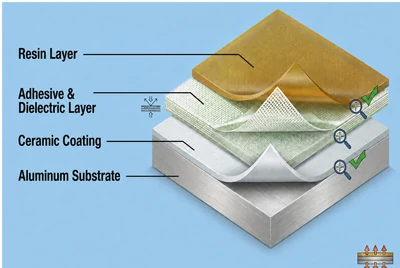
This high-adhesion aluminum can be used in MCCL (Metal Core Clad Laminate), metal-based copper foil laminates, LED heat sink substrates, electronic laminates, and aluminum-based composites, helping reduce the risk of delamination, blistering, and layer separation during subsequent processing and use.
Advantages of Chalco high adhesive aluminum
- Special anodizing surface treatment: Creates a uniform micro-porous structure on the aluminum surface, enabling resins, adhesive films, inks, insulating layers, and composite layers to bond more stably with the aluminum substrate.
- Stable interfacial adhesion: The micro-porous surface enhances bonding reliability between the aluminum substrate and composite layers, making it suitable for hot pressing, lamination, and curing processes.
- Reduced lamination failure risk: Helps minimize risks such as localized adhesion instability, hot-press debonding, blistering, and delamination that may arise from conventional surface treatments.
- Suitable for electronic laminate applications: Applicable to MCCL, metal-based copper foil laminates, LED heat sink substrates, electronic laminates, and aluminum-based composites.
- Customization and volume supply support: Chalco can provide customized specifications, surface treatments, sample testing, bulk supply, and export packaging based on product structure, resin systems, adhesive film requirements, lamination processes, and testing standards.
How does the micro-porous anodized surface enhance adhesion?
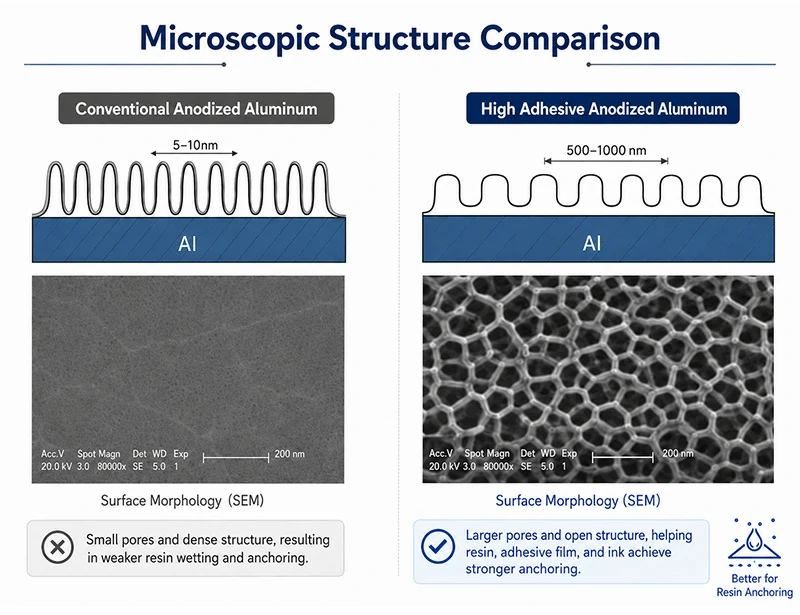
The core of Chalco high adhesive aluminum lies in its specially engineered micro-porous anodized surface. At the microscopic scale, this surface forms an open-pore structure with approximately 40–80 million pores/mm², allowing resins, adhesive films, inks, or insulating layers to more easily penetrate the aluminum surface.
During hot pressing, lamination, or curing, the resin doesn't merely sit on the aluminum surface-it infiltrates the micro-pores and forms a mechanical anchor. After curing, the bond between the composite layer and the aluminum substrate becomes significantly tighter, enhancing adhesion stability and peel strength.
This micro-porous structure also improves the uniformity of the lamination interface, reducing the risk of delamination, blistering, and layer separation caused by localized adhesion instability. It is well-suited for high-reliability composite structures such as MCCL, metal-based copper foil laminates, and electronic laminates.
Performance advantages of high adhesive aluminum
- High bonding strength: The micro-porous anodized surface allows resins, adhesive films, and insulating layers to penetrate the aluminum surface, forming a more stable mechanical anchor and improving the bond strength between the composite layer and the aluminum substrate.
- High peel strength: Chalco high adhesive aluminum achieves higher peel strength, making it ideal for MCCL, metal-based copper foil laminates, and electronic laminates that demand high lamination reliability.
- High-temperature lamination resistance: During hot pressing, lamination, and curing, the high-adhesion surface helps maintain interfacial stability, reducing the risk of debonding caused by thermal stress or adhesive shrinkage.
- Thermal shock resistance: When subjected to temperature changes or subsequent thermal cycling, the stable adhesive interface helps mitigate issues like blistering, delamination, and layer separation.
- Excellent surface uniformity: The uniform micro-porous structure minimizes localized weak adhesion zones, ensuring consistent bonding performance across the entire aluminum substrate during subsequent lamination and processing.
- Superior ink adhesion: The micro-porous surface also facilitates backside printing, enabling clear marking of batch numbers, model codes, orientation indicators, or traceability information.
Peel strength comparison
Peel strength is a critical indicator of how firmly the aluminum substrate bonds with resin layers, adhesive films, or composite layers. Chalco high adhesive aluminum enhances resin anchoring through its micro-porous anodized surface, creating a more stable bonding interface between the composite layer and the aluminum substrate.
| High adhesive aluminum | >8 kg/cm |
| Conventional anodized aluminum | >1.6 kg/cm |
| Brushed and degreased aluminum | >1.2 kg/cm |
As shown in the comparison, high adhesive aluminum exhibits significantly higher peel strength than conventional anodized aluminum and brushed/degreased aluminum. This higher peel strength enhances lamination reliability for MCCL, metal-based copper foil laminates, and electronic laminates during hot pressing, cutting, drilling, and subsequent use.
Actual peel strength can also be influenced by the resin system, adhesive film type, lamination temperature, curing conditions, and testing methodology. Chalco can assist customers in selecting the appropriate aluminum surface treatment based on their specific application structure and testing requirements.
Differences between high adhesive aluminum and conventional surface-treated aluminum
Conventional anodized aluminum is mainly used to improve corrosion resistance, wear resistance, and surface aesthetics; brushed and degreased aluminum improves surface condition through mechanical brushing and cleaning. In contrast, high adhesive aluminum focuses on a specialized micro-porous anodizing process that allows resins, adhesive films, inks, insulating layers, or composite layers to more easily penetrate the aluminum surface and form a stable mechanical anchor-making it better suited for hot pressing, lamination, and electronic material structures.
| Comparison Item | High adhesive aluminum | Conventional anodized aluminum | Brushed and degreased aluminum |
| Primary purpose | Enhance bonding strength and lamination stability | Corrosion resistance, wear resistance, and decoration | Improve surface roughness and cleanliness |
| Surface structure | Uniform micro-porous anodized structure | Standard oxide protective layer | Mechanical brushing pattern |
| Bonding stability | Resin penetrates micro-pores to form mechanical anchors | Limited bonding performance | Affected by sandpaper grit, pressure, and cleaning quality |
| Surface uniformity | Electrochemical treatment offers better control | Focuses primarily on surface protection | May vary across different surface areas |
| Peel strength | Achieves higher peel strength | Lower than high adhesive aluminum | Lower than high adhesive aluminum |
| Backside printing | Micro-pores enhance ink adhesion | Depends on surface condition | Printable, but requires stricter process control |
| Delamination risk | Helps reduce hot-press debonding and delamination risks | Not primarily designed for delamination resistance | Relies more heavily on adhesive film quality and lamination process |
| Application scenarios | MCCL, metal-based copper foil laminates, electronic laminates, aluminum-based composites | Architectural decoration, enclosures, general industrial aluminum products | General bonding or standard composite applications |
The advantage of high adhesive aluminum isn't simply increased surface roughness-it's the creation of a more uniform, stable, and resin-friendly bonding interface. This ensures reliable adhesion between the composite layer and aluminum substrate throughout hot pressing, curing, cutting, drilling, and subsequent use, effectively reducing risks of delamination, blistering, and layer separation caused by localized weak adhesion.
Functional anodized surfaces should be selected around the primary performance requirement. High adhesive aluminum focuses on bonding and lamination stability, while anti-fouling self-cleaning anodized aluminum is oriented toward reduced surface contamination and easier cleaning. Where wear resistance and a Type III hardcoat are the main requirement, Type III hard-anodized aluminum bar represents a separate functional route. Decorative anodizing projects should instead place greater emphasis on appearance and color consistency, including the control of common anodizing coloring defects.
Related Anodized Aluminum Products

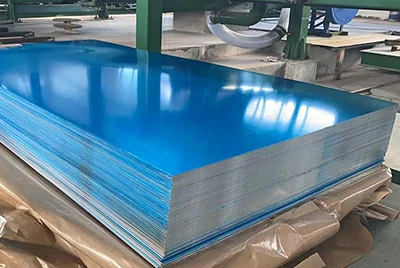
Anodized Aluminum Sheet
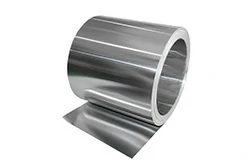
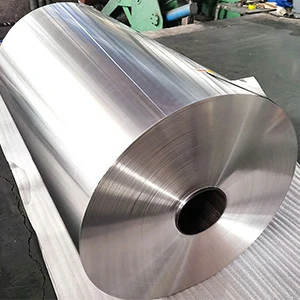
Anodized Aluminum Coil
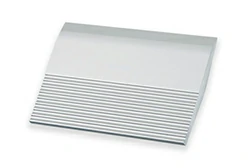
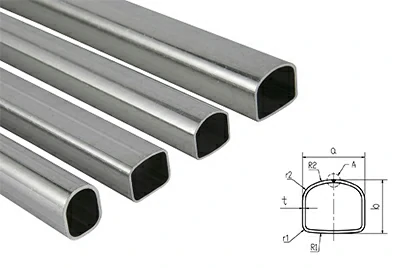
Anodized Aluminum Extrusions
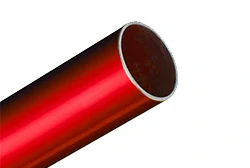
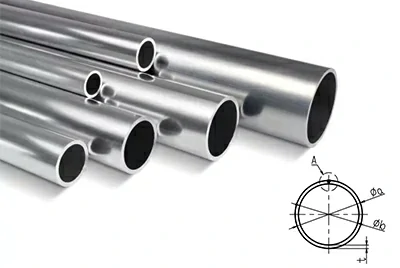
Anodized Aluminum Tubing
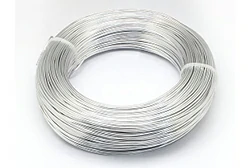
Anodized Aluminum Wire
Applications of high adhesive aluminum
MCCL (Metal Core Clad Laminate)
High adhesive aluminum enables stable bonding between the aluminum substrate and insulating resin layers, improving the peel strength and lamination reliability of metal core clad laminates while reducing delamination risks during hot pressing, cutting, and subsequent use.
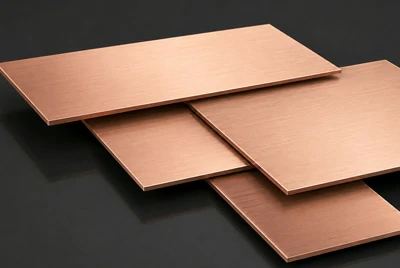
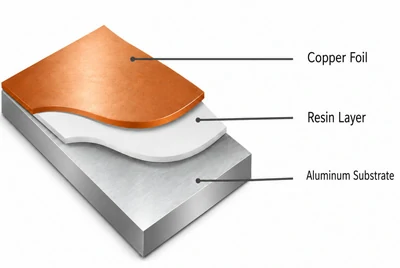
Metal-Based Copper Foil Laminate
Ideal for laminated structures combining copper foil, resin layers, and aluminum substrates. The high-adhesion surface enhances interfacial bonding strength and thermal shock resistance in metal-based laminates.
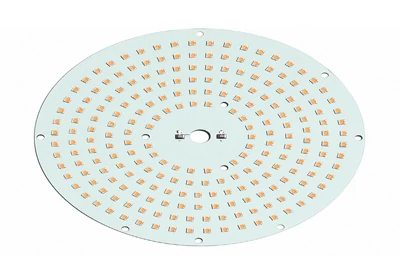
LED Heat Sink Substrates
The aluminum substrate provides excellent thermal dissipation support, while the high-adhesion surface ensures stable bonding between the insulating layer and aluminum-making it suitable for LED lighting, automotive lighting, and power electronics thermal management structures.
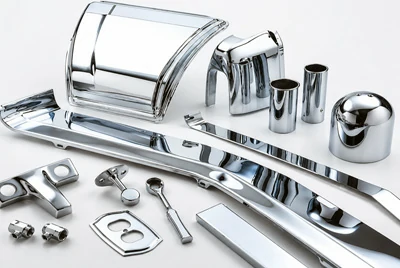
Aluminum-Based Composites
Suitable for hot-press lamination, adhesive-film composites, and functional laminates, especially in aluminum-based composite structures requiring high bonding strength, surface uniformity, and lamination stability.
Backside-Printed Aluminum Substrates
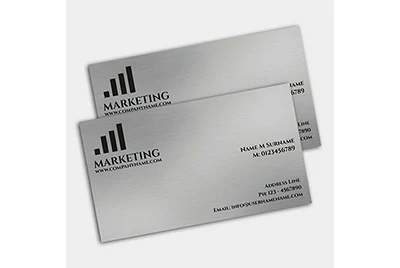
The micro-porous structure enhances ink adhesion, enabling stable printing of batch numbers, model codes, orientation marks, QR codes, or traceability information-improving marking durability and product traceability.
Electronic Laminates
Suitable for electronic material structures where resins, adhesive films, or insulating layers are bonded to aluminum substrates, helping mitigate risks of delamination, blistering, and interlayer failure caused by insufficient local adhesion.
Testing of high adhesive aluminum
Peel strength testing
Chalco high adhesive aluminum undergoes peel strength testing to evaluate the bonding capability between the aluminum substrate and adhesive layers, resin layers, or composite layers. Testing follows JIS K6854-1, using Araldite 2011 epoxy bonding glue for adhesion assessment.
| Surface Treatment Method | Peel Strength |
| High adhesive aluminum | >8 kg/cm |
| Conventional anodized aluminum | >1.6 kg/cm |
| Brushed and degreased aluminum | >1.2 kg/cm |
Higher peel strength indicates a more stable interfacial bond between the composite layer and aluminum substrate, helping reduce delamination risks during hot pressing, cutting, drilling, and subsequent use.
Microstructure observation
Chalco can use microscopic imaging to examine the surface micro-porous structure of high adhesive aluminum. High-magnification images allow direct comparison between conventional anodized aluminum and high-adhesion anodized aluminum, confirming whether the micro-porous structure is suitable for resin, adhesive film, or ink penetration and mechanical anchoring.
Bending test
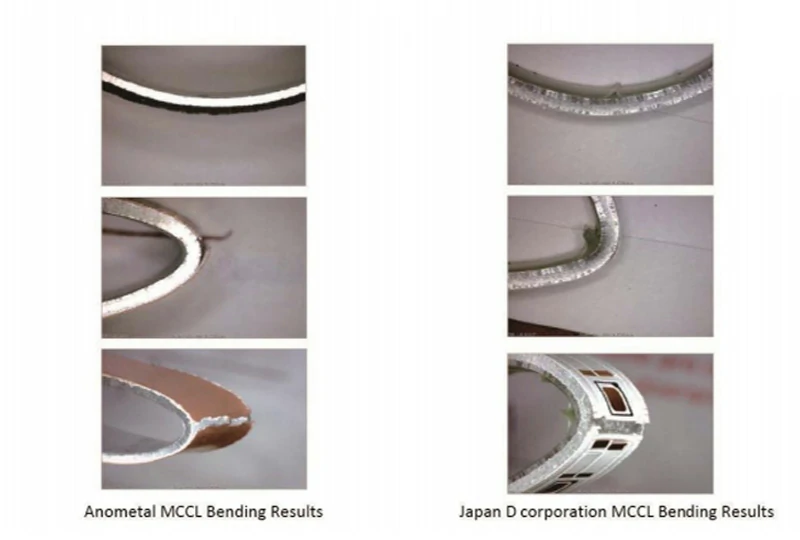
Bending tests can be used to evaluate the interfacial stability of laminated materials under bending stress. If the composite layer remains well bonded to the aluminum substrate after bending, it indicates better lamination reliability during subsequent processing and assembly.
Specific test results are influenced by aluminum thickness, composite layer structure, bend radius, adhesive film system, and testing conditions. Chalco can work with customers to confirm an appropriate test protocol and acceptance criteria based on their application requirements.
Delamination resistance stability during High-temperature lamination
In the production of MCCL, metal-clad copper laminates, and electronic laminates, hot pressing, curing, and subsequent thermal cycling continuously challenge the interfacial stability between the aluminum substrate and the resin or adhesive layers. If the aluminum surface lacks sufficient adhesion, the material is prone to blistering, delamination, or separation during processing or use.
The microporous anodized surface of Chalco high adhesive aluminum allows resin to penetrate into the aluminum surface and form mechanical anchoring, resulting in a more stable bond between the composite layer and the aluminum substrate. This structure reduces the risk of localized interfacial debonding during high-temperature lamination, enhancing the overall reliability of the laminated structure.
Delamination resistance is also affected by the resin system, adhesive film quality, lamination temperature and pressure, curing time, and subsequent processing methods. Chalco can assist in determining suitable surface treatment requirements and test protocols based on the customer's actual process conditions.
Backside printing and ink adhesion performance
The microporous anodized surface of Chalco high adhesive aluminum not only enhances bonding with resins and adhesive films but also improves ink adhesion. Ink penetrates into the micro-pores of the aluminum surface and, upon curing, forms a more stable bond-reducing issues commonly seen on standard aluminum surfaces, such as ink flaking, poor adhesion, or blurred markings.
This surface is ideal for aluminum-based materials requiring backside printing, enabling clear marking of batch numbers, part numbers, orientation indicators, QR codes, traceability codes, and brand information. For MCCL, electronic laminates, and aluminum-based composites, stable backside printing supports downstream identification, assembly management, and batch traceability.
Actual print performance depends on ink type, surface condition, curing temperature, printing process, and end-use environment. Chalco can help determine an appropriate surface treatment solution based on the customer's printing requirements and material application.
Chalco supply capability and customization support
Chalco offers customized supply of high adhesive aluminum for applications including MCCL, metal-clad copper laminates, LED heat sink substrates, electronic laminates, and aluminum-based composites. We can determine the appropriate aluminum specifications and surface treatment based on lamination structure, resin system, adhesive film type, lamination process, and testing requirements.
- Product Forms: High adhesive aluminum sheet, coil, or foil can be provided according to project needs, with customization options for cut-to-length, slitting, and coil dimensions.
- Surface Treatment: A specialized anodizing process creates a high-adhesion surface that enhances bonding with resins, adhesive films, inks, and composite layers.
- Performance Validation: We support sample testing and process validation based on requirements for peel strength, surface condition, backside printing, bending performance, and lamination stability.
- Quality Documentation: Mill Test Certificates (MTC), Certificates of Analysis (COA), dimensional inspection reports, surface quality inspection reports, and other relevant test data can be provided per order requirements.
- Export Delivery: Bulk supply, export packaging, labeling, and packing documentation are supported to facilitate the customer's downstream production, inspection, and batch traceability.
What information is needed for a quick quote?
To help confirm specifications, surface treatment, and testing requirements for high adhesive aluminum, please provide the following information when requesting a quote:
- Application: MCCL, metal-clad copper laminate, LED heat sink substrate, electronic laminate, or aluminum-based composite.
- Product Form: Sheet, coil, or foil.
- Alloy and Temper: Required aluminum alloy grade, temper, or customer-specified standard.
- Dimensions: Thickness, width, length, coil weight, inner diameter, or outer diameter.
- Surface Requirements: High adhesive surface, microporous anodized surface, backside printing requirements, etc.
- Bonding Materials: Resin, adhesive film, epoxy, insulating layer, or other composite materials.
- Process Conditions: Hot press temperature and pressure, curing time, lamination method, or subsequent processing steps.
- Peel Strength Requirement: Target peel strength, test standard, or reference sample.
- Testing Requirements: Peel strength test, microstructure analysis, bending test, or customer-specified inspections.
- Order Quantity: Sample, small trial order, or volume production order.
- Delivery Requirements: Destination country, port, packaging method, labeling, and documentation needs.
With complete information provided, Chalco can quickly confirm the material solution, arrange sample testing, and provide lead time and quotation.
FAQs
What is high adhesive aluminum?
High adhesive aluminum is a specially anodized aluminum with a microporous surface structure designed to enhance adhesion between the aluminum substrate and resins, adhesive films, inks, or composite layers.
Is high adhesive aluminum the same as standard anodized aluminum?
No. Standard anodized aluminum is primarily used for corrosion resistance, wear resistance, and decorative purposes, whereas high adhesive aluminum is engineered specifically for superior bonding, lamination, and interfacial stability-making it ideal for applications demanding higher peel strength and delamination resistance.
Why does high adhesive aluminum improve adhesion performance?
Its microporous anodized surface allows resins, adhesive films, or inks to penetrate into the pores of the aluminum. After hot pressing or curing, this creates a more robust mechanical interlock between the composite layer and the aluminum substrate, significantly improving interfacial bonding reliability.
Is high adhesive aluminum suitable for MCCL?
Yes. MCCL (metal-clad copper laminate) requires a stable bond between the aluminum substrate and the insulating resin layer. High adhesive aluminum enhances peel strength in the laminated structure and reduces the risk of delamination during hot pressing, cutting, and subsequent use.
Can high adhesive aluminum be used for backside printing?
Yes. The microporous surface promotes ink adhesion, making it suitable for printing batch numbers, part numbers, orientation marks, QR codes, traceability codes, and brand information. Actual print performance should be validated based on ink type, curing process, and end-use environment.
Can Chalco customize high adhesive aluminum?
Yes. Chalco can provide customized high adhesive aluminum sheet, coil, or foil based on application, product form, alloy and temper, dimensions, surface requirements, target peel strength, and test standards.