Explore aluminum fence and railing systems for boundary, privacy, pool, balcony and stair applications. Chalco Aluminum supports project-based supply, coordinated finishes, modular systems and drawing-based configuration.
Chalco Aluminum supplies aluminum fence and railing systems for residential, commercial, and project applications, covering perimeter control, privacy separation, pool surrounds, and edge-protection scenarios such as balconies, terraces, and stairs. This helps buyers, distributors, and project teams move more efficiently through system screening, solution confirmation, and follow-up inquiries. Based on project needs for visual consistency, installation efficiency, and matching components, we can further align the most suitable system configuration with your drawings and actual requirements.
Aluminum fence systems are mainly used for boundary enclosure, privacy screening, pool safety perimeters, and commercial outer-line management, with a focus on space separation, perimeter control, and a unified overall interface. Compared with railing systems, fencing is more aligned with perimeter boundaries and entry-support applications.
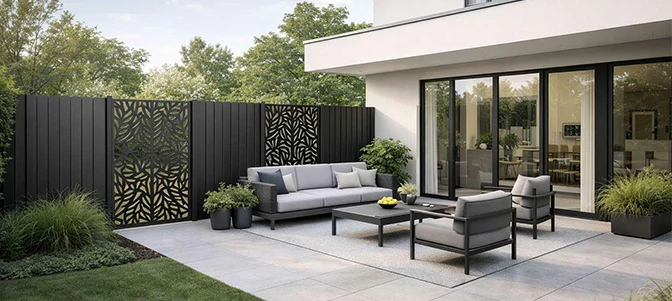
Suitable for perimeter division and facade applications in residential, commercial, and landscape projects. Through slat direction and spacing combinations, it can balance privacy, ventilation, and overall appearance while forming an integrated perimeter solution with fence gates.
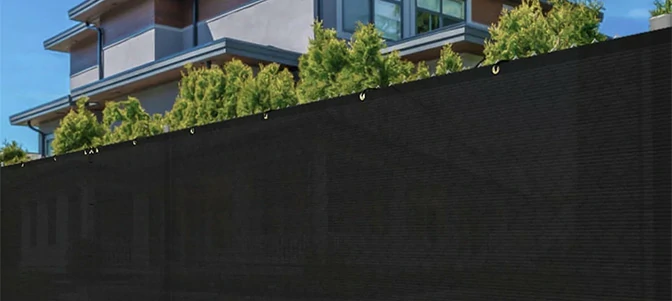
Suitable for screening and space separation in courtyards, terraces, gardens, and outdoor functional areas. Compared with conventional fencing, it places more emphasis on balancing privacy, clean visual lines, and decorative appeal.
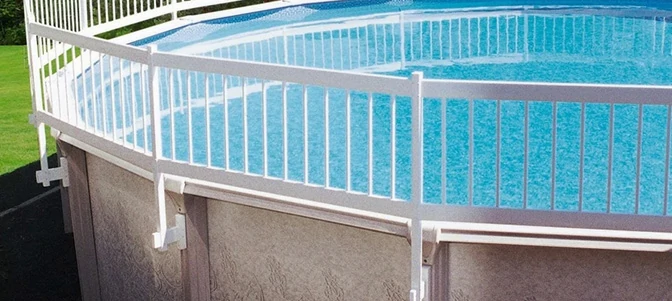
Suitable for safe enclosure around pools and adjacent leisure areas. It places more emphasis on outdoor weather resistance, overall appearance, and ease of long-term maintenance.
Suitable for community perimeters, schools, business parks, and project boundary-management scenarios. It places more emphasis on continuous perimeter lines, area zoning, and standardized support for commercial projects.
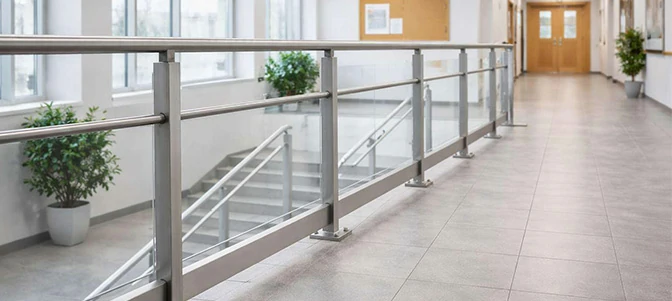
In addition to the fence styles above, Chalco can also provide matching aluminum fence gates and posts, including gate frames, support posts, connection components and entrance configurations. Share the fence height, gate opening, privacy requirement, quantity and project drawings to confirm a coordinated fence-and-gate solution.
Aluminum railing systems are mainly used for edge protection on balconies, terraces, stairs, and platforms, balancing safety, architectural coordination, and outdoor durability. Compared with fence systems, railings are more focused on continuous protection along building edges and circulation areas, while also emphasizing sightlines, style consistency, and installation adaptability.
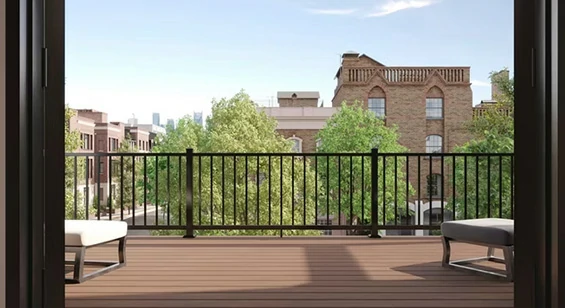
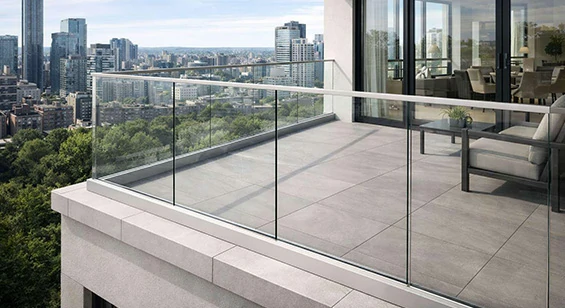
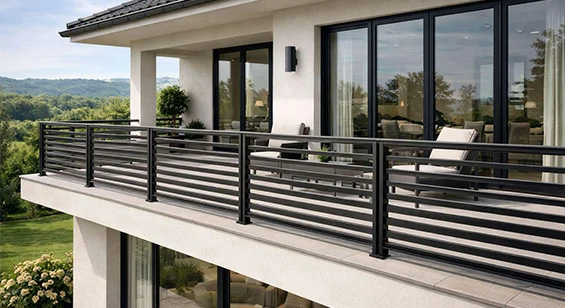
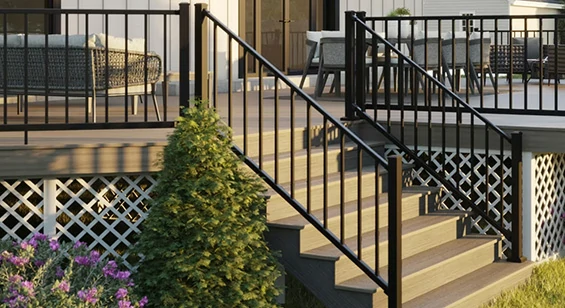
Chalco can also provide commercial aluminum railing systems with matching posts, handrails, brackets, base plates, connectors and custom infill configurations. Send the application location, dimensions, quantity and drawings to confirm a suitable railing structure and component package.
Once the system direction is clear, buyers usually focus on durability, installation efficiency, and whether fences and gates can work as one coordinated package. Compared with mix-and-match solutions, aluminum systems are easier to standardize and deploy.
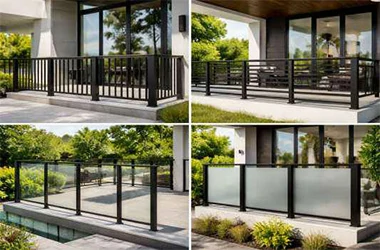
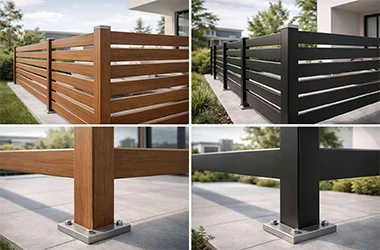
Fences, gates, and basic accessories can be configured under one system logic, reducing later mismatches in matching components.
Color, surface-finish direction, and base configuration can be further confirmed according to project style, use environment, and drawing conditions.
Aluminum fence systems are better suited to boundary enclosure, privacy screening, pool surrounds, and commercial perimeter management; aluminum railing systems are better suited to balconies, terraces, stairs, and platform-edge protection.
If the project priority is to enclose, divide, and manage access points, start with fencing; if the priority is edge protection and continuous safety along building edges, start with railing.
A fence system usually includes more than the main fence sections alone and may also extend to fence gates, panels, posts, and related basic accessories.
If the project needs an integrated perimeter-and-entry configuration, these items can be planned under one system direction to avoid later disconnects in style, color, and detailing.
If you place more value on a modern look, slat-direction combinations, and integrated fence-gate extension, prioritize slat fencing;
if you place more value on screening, space separation, and screen-style effects, prioritize privacy fencing;
if the project focus is safe pool enclosure, outdoor weather resistance, and easier long-term maintenance, prioritize pool fencing.
Yes. Stairs, terraces, porches, and platform-edge protection are all typical application scenarios for railing systems.
If open sightlines matter more, start with glass railing; if conventional protection and versatility matter more, start with picket railing; if the project focus is an outdoor platform or stair zone, you can also go directly to deck railing or stair railing.
For common application scenarios, it is often faster to start from a standard system direction and narrow the selection range first; if drawings, dimensions, style preferences, or clearly defined project conditions are already available, basic configuration can then be confirmed in more detail once the system direction is clear.
Yes.
Whether for commercial project matching, engineering applications, or distribution and bulk supply, fence and railing systems can be further matched around standard series, basic supporting components, and project requirements.
For commercial projects, the priority is usually system continuity, a unified appearance, and follow-up matching efficiency; for bulk supply, the priority is usually the stability and extendibility of standard series.
It is best to first confirm the application scenario, installation location, approximate dimensions, style direction, color or surface-finish requirements, and whether fence gates or related supporting items are needed.
If drawings, project codes/specifications, or special requirements are already available, they should also be provided so the system direction can be narrowed down faster and back-and-forth confirmation time can be reduced.
If you have already identified the general application direction, you can further provide dimensions, style preferences, color requirements, and whether fence gates or related supporting items are needed; if drawings, project requirements, or reference schemes are already available, they can also be sent directly so the system scope can be narrowed faster and follow-up configuration confirmation can begin sooner.