Chalco Aluminum provides finished aluminum door systems for commercial entrances, building openings, and custom projects, with multiple door types available for preliminary selection based on wind resistance, water tightness, air tightness, and other project requirements.
Chalco Aluminum supplies finished aluminum door systems for commercial entrances, building openings, and custom projects. We cover a wide range of common door types and can further match solutions to key performance requirements such as wind load resistance, water tightness, air tightness, thermal insulation, and sound insulation.
Supported by our broader aluminum building solutions, we can also coordinate related materials and project requirements when needed. For projects with defined standards, technical documents, or testing requirements, we can refine recommendations based on door type, size, glazing, hardware, and supply arrangement.
For shopfronts, office entrances, and other high-traffic applications, we provide aluminum door systems that are better aligned with commercial project requirements.
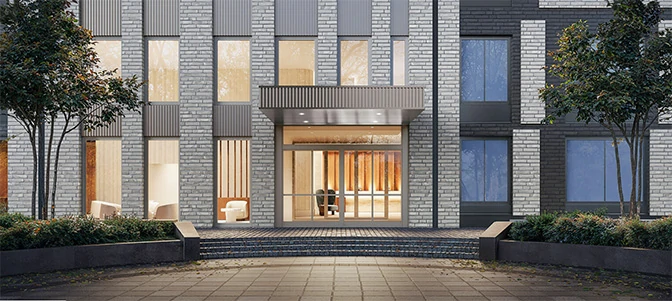
Suited to high-frequency-use applications such as offices, hotels, restaurants, retail, and public buildings, aligned with commercial aluminum doors and commercial aluminum glass door solutions.
View SolutionsSuited to shopfronts, street-facing façades, and display-oriented commercial spaces, aligned with aluminum storefront doors, aluminum storefronts, and aluminum shop front doors.
View Solutions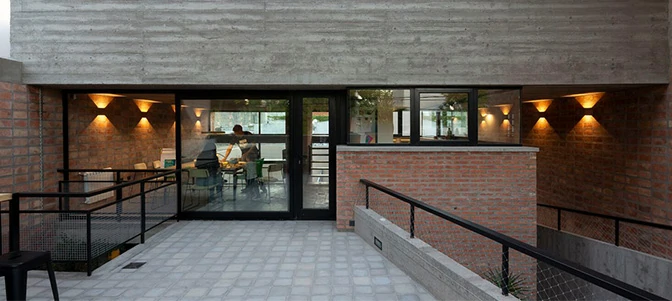
Beyond commercial entrance and storefront systems, common aluminum door types are also widely used in residential and architectural projects. Different door types vary in opening method, installation position, and configuration focus, so the right project fit also differs.
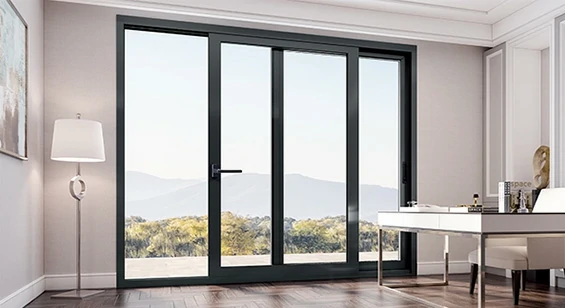
Common Exterior Door System
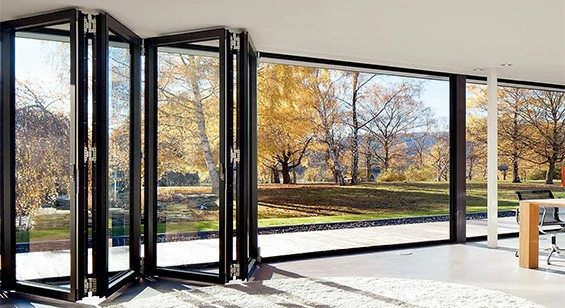
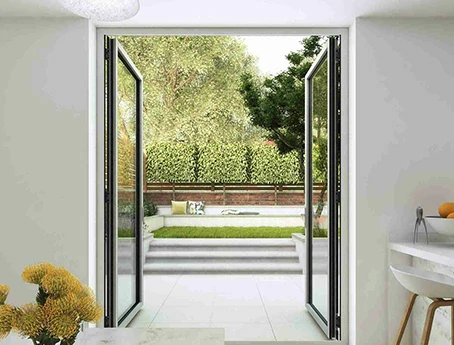
Wide-Opening Door Type
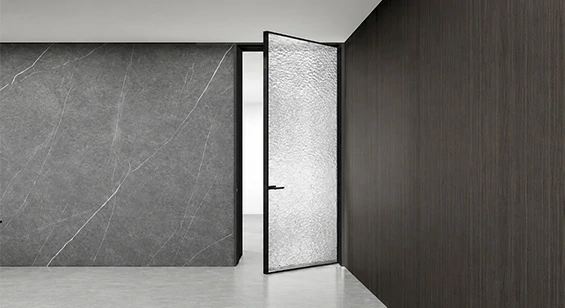
Standard Entrance Door Type
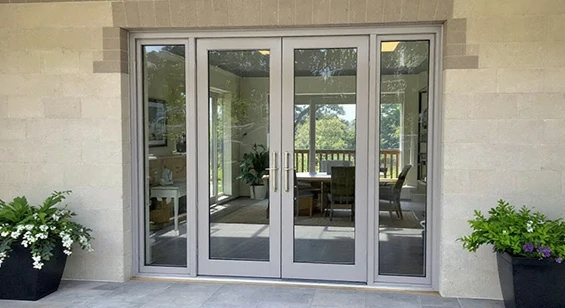
Entrance Application Direction
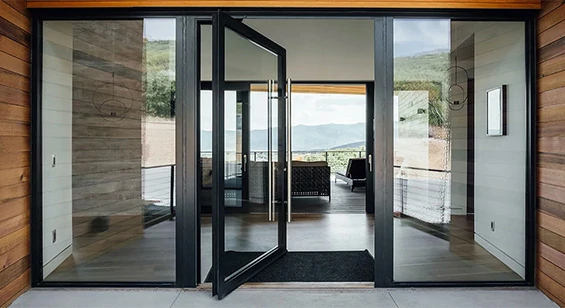
Double-Leaf Opening Type
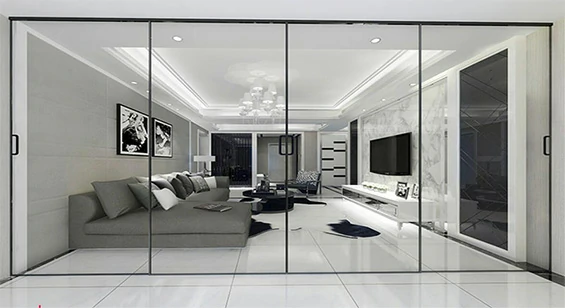
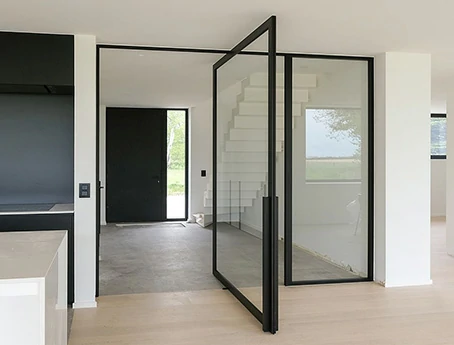
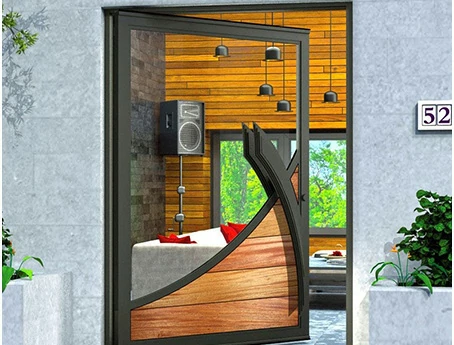
Specialized System Direction
For engineering procurement and custom projects, door selection is usually determined not only by the product name, but also by the opening method, performance priorities, and project conditions. The clearer the project requirements, the easier it is to define the right system direction.
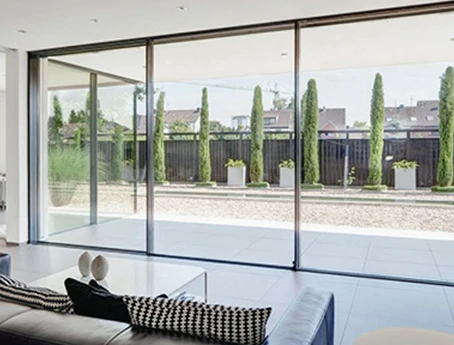
Different opening methods place different demands on opening conditions, swing clearance, and application position. If the project focuses on minimizing opening occupation, sliding doors are usually compared first; if wider overall opening is more important, bifold or double doors are usually better starting points.
For exterior door projects, thermal insulation, air tightness, and water tightness are usually checked first. High-frequency-use applications should place more emphasis on structural stability and hardware durability. If locking, acoustic performance, or entrance-grade requirements are higher, these should also be confirmed during selection.
Opening size, glazing specification, hardware requirements, and project standards all affect system selection. For bulk procurement, export projects, or projects requiring documentation, these conditions should usually be confirmed in advance.
Door selection should not be judged only by the opening method; it should also be matched to the actual application. Commercial entrances, villa exterior openings, interior partitions, energy-efficient projects, and barrier-free buildings each prioritize different aspects of a door system.

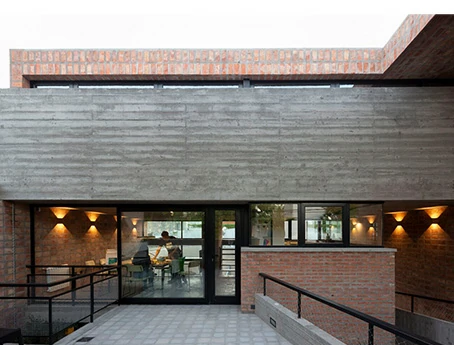
For engineering procurement, bulk supply, and export projects, delivery depends on configuration, profile processing, finish control, documentation, and shipment coordination.
1. What is the difference between commercial entrance doors and storefront systems?
Commercial entrance doors focus more on the door unit itself, especially access flow, hardware, and day-to-day operating stability. Storefront systems focus more on the complete street-facing entrance, often including fixed glazing and the façade composition.
2. How should I choose between aluminum sliding, bifold, and swing doors?
Sliding doors are better for controlling swing clearance, bifold doors are better for large opening connections, and swing doors are better for independent openings and standard entrances. Final selection should still be judged against opening size and use position.
3. When are double doors a better option?
Double doors are usually more suitable when the opening is larger or when the project needs a wider clear opening and a more complete entrance form. For standard openings, they do not always need to be prioritized.
4. When is a thermal break system needed?
If the project involves exterior doors or has clearer requirements for insulation, air tightness, and water tightness, a thermal break system should usually be prioritized. The more demanding the climate conditions, the more important this becomes.
5. Which project applications suit different aluminum door systems?
Commercial entrances, storefront systems, balcony and terrace access, interior partitions, and energy-efficient buildings do not share the same door system direction. Selection is usually more accurate when the door type is evaluated within the actual application scenario.
6. Which aluminum door systems are commonly prioritized in commercial projects?
Commercial projects usually prioritize commercial entrance doors and storefront systems. The former focuses more on stability under frequent use, while the latter focuses more on the coordination of door, glass, and façade.
7. Can sizes, glazing, and hardware be customized based on drawings or project requirements?
Yes. For engineering procurement and custom projects, size, glazing, hardware, and opening method can usually be further confirmed against drawings or specific project requirements.
8. Which performance data should be based on final testing or project standards?
Data related to thermal insulation, sound insulation, air tightness, water tightness, wind load resistance, and relevant certifications should usually be based on final test results or project standards. A hub page is better for direction setting and should not replace final technical confirmation.
Whether the door type is still under review or project conditions are already clear, you can submit drawings, sizes, or application requirements to discuss a more suitable aluminum door system solution.