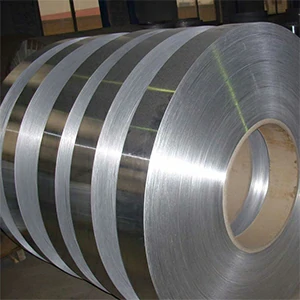
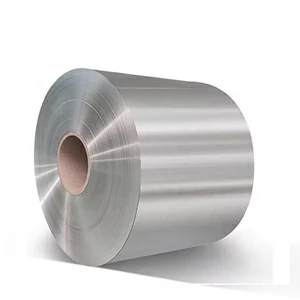
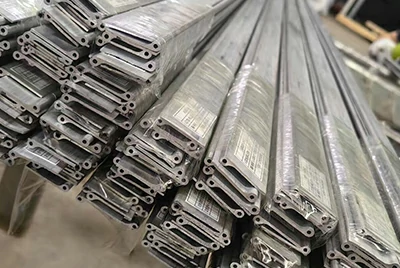
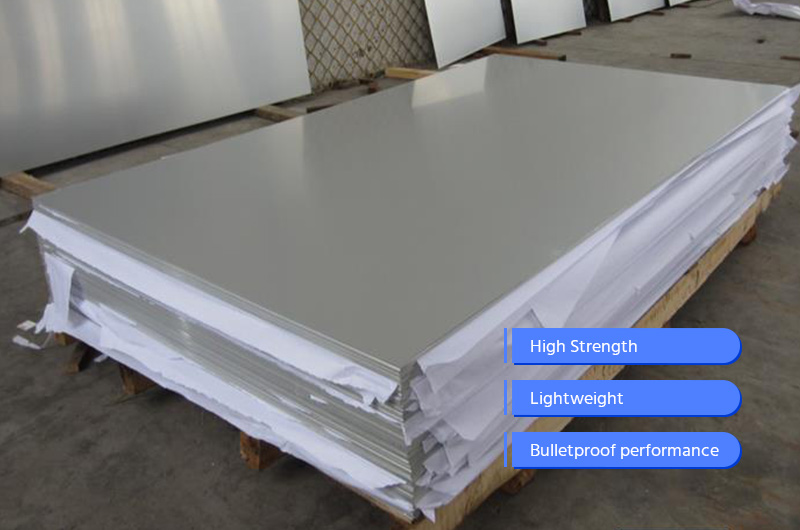
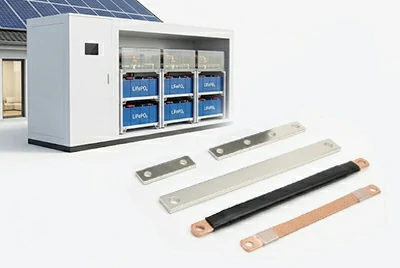
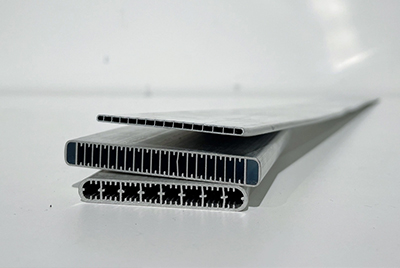
Henan Chalco supplies coiled aluminum busbar for electrical connections and continuous processing, covering 6101, 1060, 1070, 1350, 1370 and 8170, with standard high-conductivity and heat-resistant high-conductivity options available to match project requirements.
Through confirmed rolled and continuous-extrusion supply routes, the overall product range covers widths of 5–150 mm. The rolled route can supply 1060, 1070 and 1350 H112 electrical aluminum busbar in 2–10 mm thickness and 5–100 mm width, while the high-conductivity continuous-extrusion route supports conductor sizes of 10–150 mm width and 20–1200 mm² cross-sectional area.
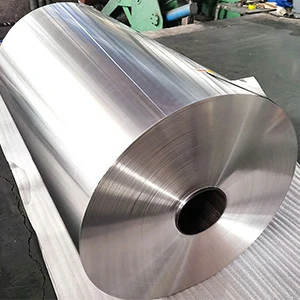
Coiled supply is suitable for production that requires long continuous material and continuous operations such as pay-off, straightening, feeding, forming and cut-to-length, reducing the limitations imposed by fixed straight-bar lengths on downstream processing.
For long-term operation at elevated temperatures, heat-resistant high-conductivity aluminum alloy busbar can also be evaluated to combine electrical conductivity with high-temperature hardness stability and creep-resistance requirements.
Coiled Aluminum Busbar Types and Supply Routes
Henan Chalco can supply high-conductivity, heat-resistant high-conductivity, rolled, bare and insulated coiled aluminum busbar options.
Different product options correspond to different conductivity, operating temperature, alloy, temper and processing requirements. Customers can select the appropriate material and supply route according to actual operating conditions.
High-Conductivity Aluminum & Aluminum Alloy Busbar
This product is mainly used in electrical connections and busbar systems requiring low resistance, high conductivity and continuous processing performance.
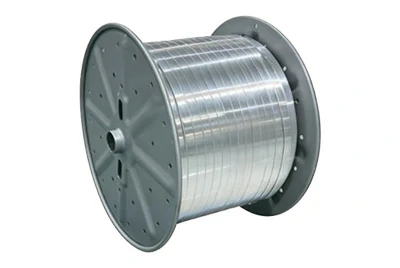
In conductive-system designs that replace copper with aluminum, current product solutions can achieve 60%+ weight reduction and 40%+ cost reduction.
| Parameter | Current Supply |
| Alloy | 6101 / 1060 / 1070 / 1370 / 8170 |
| Width | 10–150 mm |
| Cross-sectional Area | 20–1200 mm² |
| Supply Form | Coil / Straight |
| Process | Continuous extrusion |
Cross-Section Shapes:
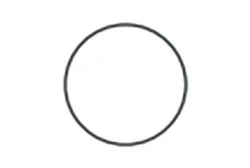
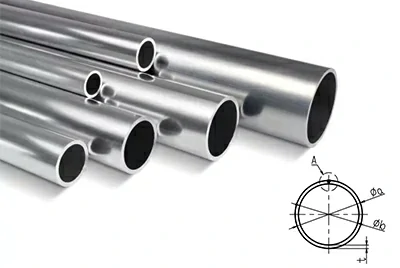
Round Cross-Section
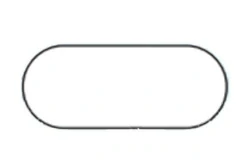
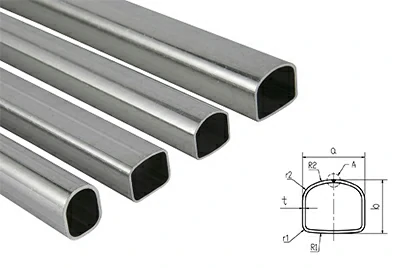
Obround Cross-Section
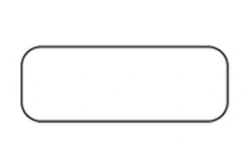
Rectangular Cross-Section
Product Properties:
| Performance Indicator | Conductivity (%IACS) | Tensile Strength (MPa) | Yield Strength (MPa) | Elongation (%) |
| 6101-T6 | 56.5 | 200 | 170 | 15 |
| 6101-T61 | 59 | 150 | 110 | 19 |
| 6101-T63 | 57 | 185 | 150 | 14 |
| 6101-T64 | 60.5 | 110 | 60 | 21 |
| 6101-T65 | 58 | 170 | 145 | 17 |
| 1XXX-H24 | 60 | 95 | 70 | 30 |
| 1XXX-O/H112 | 61.5 | 55 | 15 | 40 |
Microstructure (T6 / T61 / T63 / T64 / T65):
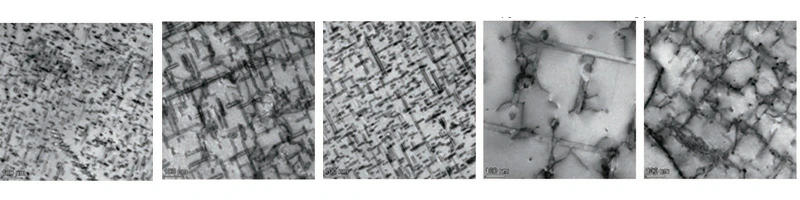
Patent: A High-Conductivity Aluminum Alloy Material and Its Preparation Method
Standard development: "Aluminum and Aluminum Alloy Extrusions for New Energy Vehicle Conductors"
Heat-Resistant High-Conductivity Aluminum Alloy Busbar
This product is developed from a new high-conductivity, heat-resistant aluminum alloy. Through QP2-phase microstructure design, it maintains high conductivity while further improving hardness stability and creep resistance at elevated temperatures.
This series is suitable for conductive components operating for extended periods at elevated temperatures.
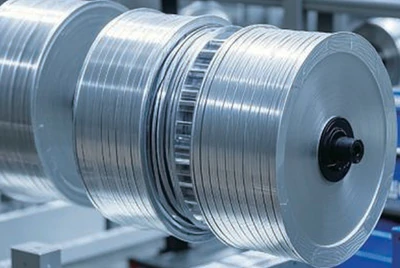
The new high-conductivity, heat-resistant material combines creep resistance with long-term service performance, making it suitable for conductive components that require stability under sustained temperature rise and long-term structural reliability.
Product Features:
- High Conductivity: conductivity ≥59% IACS
- Heat and Creep Resistance: maintains stable hardness at 200°C
- QP2 Microstructure: designed to improve long-term high-temperature service performance
- Applications: battery packs, fast-charging conductors and other long-term high-temperature conductive environments
Structure:

Product Grain EBSD Structure
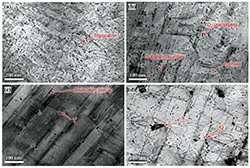
Heat-Resistant Phase TEM Structure
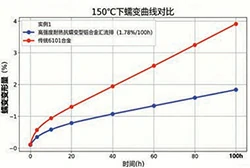
High-Temperature Creep Performance
For traction batteries and high-load conductive systems, material selection should consider not only initial conductivity but also mechanical stability and creep performance at elevated temperatures, helping reduce the effect of material deformation on busbar structure and electrical connection reliability during long-term service.
Patent: A High-Strength, Heat-Resistant and Creep-Resistant Aluminum Alloy Busbar and Its Preparation Method
Standard development: "Aluminum and Aluminum Alloy Extrusions for New Energy Vehicle Conductors"
Insulated Coiled Aluminum Busbar
For applications requiring insulation protection and high-current transmission, Henan Chalco can supply Insulated Coiled Aluminum Busbar.
For insulated coiled conductors used in high-voltage fast-charging systems for electric vehicles, 6101-T61 / T63 / T64 / T65 can be used to balance conductivity, mechanical strength and formability.
For applications requiring continuous insulation protection, Henan Chalco supplies coiled aluminum busbar with a uniform and reliable insulation coating system.
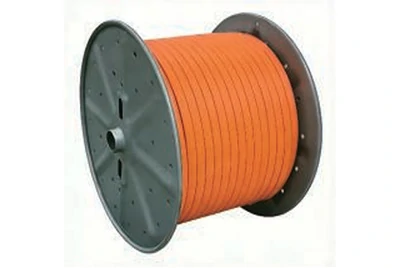
Current products are available with insulation materials such as PA12, PVC and PE, with a minimum insulation thickness of 0.5 mm. Typical cross-sectional areas include 120, 150, 180 and 200 mm² for high-current transmission requirements of ≥800 A.
| Parameter | Current Product Data |
| Alloy / Temper | 6101-T61 / T63 / T64 / T65 |
| Cross-sectional Area | 120 / 150 / 180 / 200 mm² |
| Insulation | PA12 / PVC / PE |
| Minimum Insulation Thickness | 0.5 mm |
| High-Current Test / Application Example | 800 A continuous operation with controlled temperature rise |
| Thermal Aging Test Example | 150°C × 168 h, ΔE ≤ 5 |
This type of insulated coiled conductor is suitable for high-voltage connection applications requiring continuous feeding, bending and assembly.
For applications with long-term temperature rise, the insulation and conductor design can also be confirmed against verification requirements such as thermal aging, temperature-rise testing and bending simulation.
Patent: Preparation Method for an Insulated Conductive Component and the Insulated Conductive Component
Standard development: "Aluminum Alloy Busbars for Electric Vehicles"
Bare Coiled Aluminum Busbar
Bare aluminum busbar is suitable for customer production processes that require subsequent punching, bending, welding, surface treatment or in-house insulation processing.
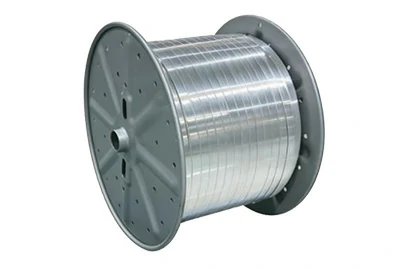
Surface condition, edge quality and cross-sectional dimensions can be customized according to requirements and precisely confirmed at the order stage to better match the customer's production line and improve overall processing efficiency and consistency.
| Parameter | Current Supply |
| Alloy | 1060 / 1070 / 1350 |
| Temper | H112 |
| Thickness | 2–10 mm |
| Width | 5–100 mm |
| Supply Form | Coil / Straight |
Henan Chalco provides customized aluminum busbar solutions to help customers balance performance and cost while supporting stable electrical performance, processing compatibility and efficient large-scale production.
How to Choose High-Conductivity or Heat-Resistant Coiled Aluminum Busbar
Henan Chalco can supply High-Conductivity Coiled Aluminum Busbar and Heat-Resistant High-Conductivity Coiled Aluminum Busbar.
The difference is not simply the level of conductivity, but whether the application requires the material to maintain stable electrical and mechanical performance during long-term operation at elevated temperatures.
| Customer Requirement | Recommended Option |
| Conventional electrical connection and power-distribution applications focused on conductivity, formability and mechanical strength | High-Conductivity Coiled Aluminum Busbar |
| Requires continuous straightening, stamping, bending or forming | Select alloy / temper according to conductivity, strength and elongation |
| Long-term operation at elevated temperatures | Prioritize evaluation of Heat-Resistant High-Conductivity Coiled Aluminum Busbar |
| Creep and structural stability must also be controlled at elevated temperatures | Heat-Resistant High-Conductivity Coiled Aluminum Busbar |
| No specific high-temperature service requirement | A heat-resistant grade is usually unnecessary solely for a higher performance level |
Current heat-resistant high-conductivity product data reaches conductivity ≥59% IACS, with hardness stability at 200°C and a creep-resistant design, making it suitable for conductive components with higher requirements for long-term high-temperature stability.
If a project only requires high conductivity at normal operating temperatures, a standard high-conductivity option is usually more appropriate;
If sustained high temperatures, thermal cycling or creep risks are present, the RFQ should include the operating temperature, conductivity requirement and mechanical requirement so that the need for a heat-resistant high-conductivity option can be confirmed.
Aluminum Alloys and Tempers
Henan Chalco can supply coiled aluminum busbar in 6101, 1060, 1070, 1350, 1370 and 8170.
Different alloys and tempers provide different balances of conductivity, mechanical strength and formability and should be selected according to electrical performance, operating temperature and subsequent forming requirements.
| Alloy | Confirmed Temper / Route | Primary Selection Guidance |
| 6101 | Continuous extrusion;T6 / T61 / T63 / T64 / T65 | Different tempers can balance conductivity, strength and elongation |
| 1060 | H112 rolled; continuous extrusion also supported | Electrical conductor with high conductivity and good formability |
| 1070 | H112 rolled; continuous extrusion also supported | Electrical connections and busbar components with a greater focus on conductivity |
| 1350 | H112 rolled | Electrical-grade aluminum bar and busbar applications |
| 1370 | Continuous extrusion | High-conductivity conductor option; specific temper confirmed according to performance requirements |
| 8170 | Continuous extrusion | Electrical conductor option selected according to conductivity and mechanical-property requirements |
Common Coiled Aluminum Busbar Sizes
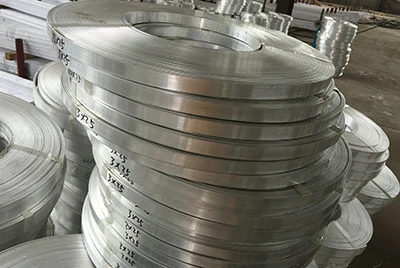
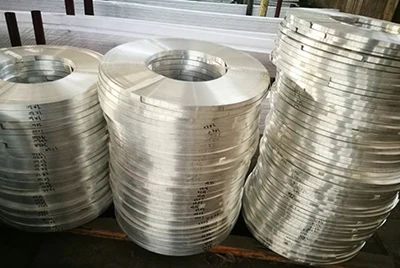
The following sizes are from coiled aluminum busbar orders actually supplied by Henan Chalco and can be used as references for common rectangular cross-sections.
| Thickness | Width | Size |
| 3 mm | 20 mm | 3 × 20 mm |
| 3 mm | 25 mm | 3 × 25 mm |
| 3 mm | 40 mm | 3 × 40 mm |
| 4 mm | 30 mm | 4 × 30 mm |
| 4 mm | 40 mm | 4 × 40 mm |
| 5 mm | 30 mm | 5 × 30 mm |
| 5 mm | 50 mm | 5 × 50 mm |
| 6 mm | 60 mm | 6 × 60 mm |
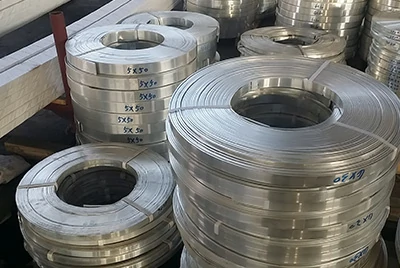
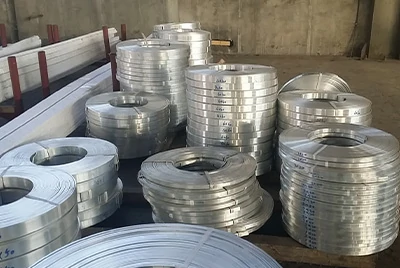
Why Choose Coiled Aluminum Busbar Instead of Straight Busbar?
The difference between Coiled Aluminum Busbar and straight busbar is not only the delivery form, but more importantly the downstream production methods they are designed to support.
For customers using continuous processes such as pay-off, straightening, continuous feeding, stamping, bending/forming and cut-to-length, coiled aluminum busbar can enter the production line directly as continuous feedstock, reducing production interruptions caused by loading, positioning and changing individual straight bars.
Continuous Feeding for Automated Production
Coiled aluminum busbar can be used with equipment such as a pay-off, straightening unit, feeding system, forming/bending machine and cutting unit to form a continuous processing line.
For customers producing repeated parts such as busbar connectors, electrical terminals and formed conductors in volume, the material can be fed continuously according to the machine program and cut to the final part length after punching, bending or forming.
By comparison, Straight Busbar typically requires individual loading and positioning and is more suitable for small-batch production, applications that use long straight bars directly, or processing lines that only support bar stock feeding.
Cut to Actual Part Length with Fewer Fixed-Length Constraints
The original length of Straight Busbar is usually fixed at the time of purchase, while coiled material can be fed continuously during downstream processing and then cut to length according to the actual part dimensions.
When the same production line needs to process busbar parts in multiple lengths, coiled supply can reduce scrap caused by mismatches between standard raw-material lengths and final part lengths while also reducing the need for frequent material changes.
This is particularly useful for multi-size, repeat-volume production and automated continuous processing.
Longer Continuous Conductor Lengths
For production applications requiring long continuous conductors, coiled supply can reduce material interruptions and frequent splicing.
In addition to automated busbar processing, this supply form is also suitable for certain processes where continuous material enters winding, insulation coating or overwrapping operations.
More Compact Transport and Storage for Long Continuous Material
For long continuous aluminum busbar, coiled supply reduces the linear storage space and long-material handling requirements associated with straight bars and also makes whole-coil handling with forklifts, coil racks and coil handling systems more convenient.
The actual packing method, coil weight, coil ID, coil OD and coil-core specifications are confirmed according to the product cross-section and the customer's pay-off equipment requirements.
When Is Straight Busbar More Suitable?
Coiled supply is not the best choice for every project.
If production volumes are small, the material is installed directly as long straight bars, processing mainly involves manual or semi-automatic cutting, drilling and simple fabrication, or the existing equipment does not have a pay-off / straightening system, Straight Busbar is usually the simpler and more direct option.
Therefore, the choice between Coiled Aluminum Busbar and Straight Busbar should first consider production rate, feeding method, final part length and equipment compatibility rather than simply deciding which delivery form is "better."
Applications for Coiled Aluminum Busbar
Coiled aluminum busbar is not only a conductive material but also a supply form designed for volume manufacturing and consistent processing.
Compared with conventional fixed-length busbar, coiled supply can significantly improve downstream processing efficiency, reduce material-change frequency and better suit automated production lines.
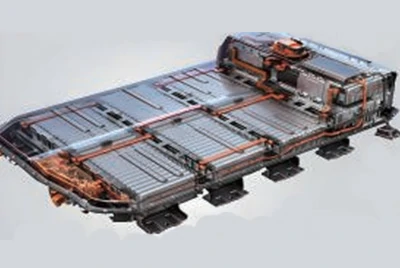
Electric Vehicles and Battery Modules
In electric vehicles, the busbar is not simply an "electrical connection component"; it is a key component affecting energy efficiency, assembly throughput and system reliability.
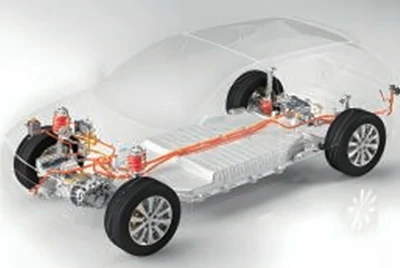
High-Voltage Fast Charging and High-Temperature Applications
In high-voltage fast-charging systems, busbars are exposed to high current and repeated temperature-rise cycles over long periods, placing higher demands on the material.
Application Benefits:
- Low resistive losses to reduce heat generation
- Stable performance at elevated temperatures
- Strong creep resistance to avoid long-term loosening
Common Applications:
- EV fast charging systems
- high-power DC distribution
- battery module high-load connections
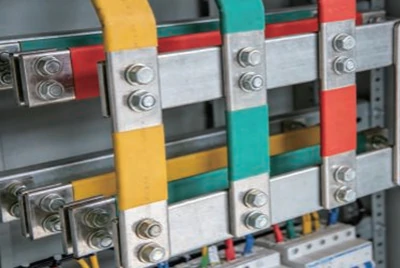
Industrial Power Distribution and Electrical Systems
In industrial power distribution and electrical systems, customers place greater emphasis on long-term operating stability and maintenance costs.
Application Benefits:
- Low energy loss and low temperature rise
- Long-term electrical connection reliability
- Suitable for different ambient temperatures
Depending on the application conditions, options include:
- standard high-conductivity aluminum busbar (normal operating conditions)
- heat-resistant grade (high-temperature or high-load conditions)
Manufacturing, Quality and R&D Support
Henan Chalco's coiled aluminum busbar supply is supported by specialized conductive-material production resources. The relevant production base exceeds 10,000 m² and includes a dedicated conductive-material workshop and more than ten intelligent manufacturing lines, supporting coordinated supply from material development and conductor forming to precision processing and quality inspection.
Quality and inspection systems include:
- IATF 16949
- ISO 9001
- ISO 14001
- ISO 45001
- CNAS-accredited laboratory
- 50+ sets of R&D and testing equipment
- conductivity testing and surface inspection
Technical support resources include an R&D team composed of industry experts, PhDs and senior engineers, together with material-development cooperation with universities.
The related technical system has generated 50+ core patents and has participated in or led the development of six industry and group standards, including "Aluminum Alloy Busbars for Electric Vehicles."
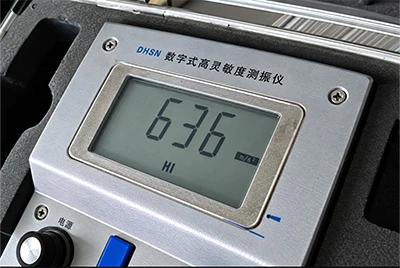
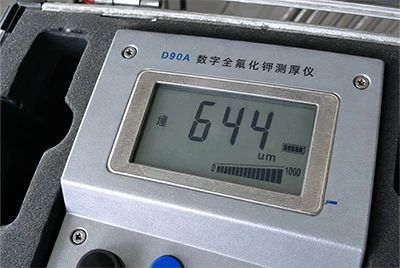
Coiled electrical aluminum busbar can be inspected through conductivity testing and surface inspection.
Actual delivered orders have been tested with a D60K digital metal conductivity meter, with measured batch values including 63.5, 63.6 and 66.4% IACS.
Packaging and Shipment
Henan Chalco can configure coil packaging according to coil dimensions and transportation requirements.
Actual deliveries can use strapping, protective wrapping, wooden supports or reel packaging to reduce coil loosening, edge damage and surface abrasion during handling and transportation.
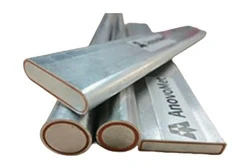
Related Aluminum Conductor Products
If a project requires more than coiled aluminum busbar and also involves insulation, protection, high-voltage fast charging or straight busbar, the following related products can also be considered.
Fast-Charging Conductor
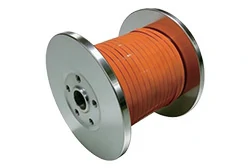
Shielded Conductor
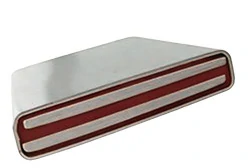
Dual-Core Conductor
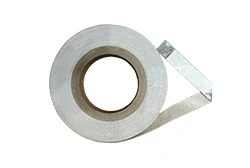
Fire-Resistant Busbar
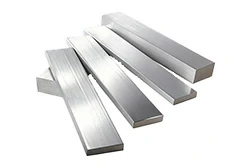
Straight Aluminum Busbar
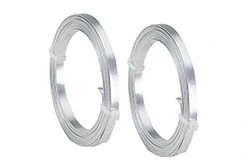
Aluminum Flat Wire
Frequently Asked Questions
What alloys are available for coiled aluminum busbar?
Available alloys include 6101, 1060, 1070, 1350, 1370 and 8170.
The specific alloy / temper is confirmed according to conductivity, strength and forming requirements.
What sizes are available?
Rolled: 2–10 mm thick × 5–100 mm wide.
Continuous extrusion: 10–150 mm wide,20–1200 mm² cross-sectional area.
Specific size combinations are confirmed according to alloy, temper and manufacturing route.
When should I choose coiled busbar instead of straight busbar?
Coiled supply is more suitable when continuous feeding, straightening, stamping, bending or cutting is required.
Straight Busbar can be selected for small-batch processing or applications that use long straight bars directly.
When is heat-resistant high-conductivity busbar necessary?
It is recommended when long-term high-temperature operation or creep risk is present.
Current heat-resistant high-conductivity products can reach ≥59% IACS conductivity and provide high-temperature stability at 200°C.
Can coiled aluminum busbar be supplied with insulation?
Both bare and insulated forms are available. Insulation structure, operating temperature and subsequent forming requirements are confirmed with the order.
How does coiled aluminum busbar compare with copper busbar?
In specific conductive-system designs that replace copper with aluminum, current solutions can achieve 60%+ weight reduction and 40%+ cost optimization.
However, aluminum has lower electrical conductivity than copper, so the conductor usually needs to be redesigned based on current, allowable temperature rise, available space and cross-section rather than replaced at the same dimensions.
Can conductivity be tested before shipment?
Yes. Conductivity testing and surface inspection are supported. Actual batch test values include 63.5, 63.6 and 66.4% IACS, while final acceptance values are determined according to order requirements.
Request a Quote
When requesting a quote for Coiled Aluminum Busbar, please provide the following information where possible:
- Alloy / temper
- Thickness × width or cross-sectional area
- Coil or straight
- High-conductivity or heat-resistant requirement
- Bare or insulated
- Conductivity requirement
- Operating temperature
- Quantity
- Drawing or other technical requirements
If the alloy or temper has not yet been determined, Henan Chalco can help confirm a suitable supply option based on conductivity, operating temperature, mechanical properties and downstream processing requirements.