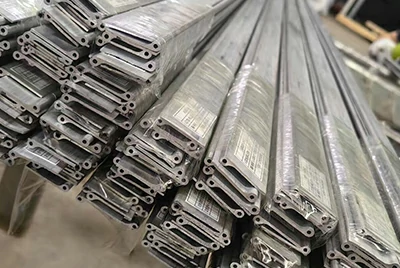
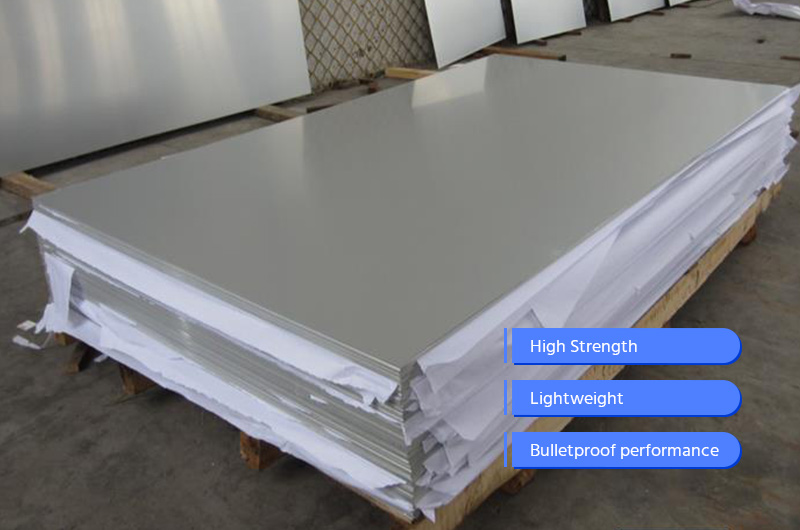
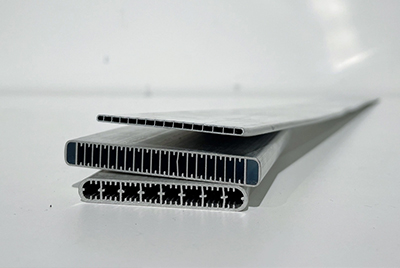
Tin Plated Aluminum Bus Bar is made from high-conductivity aluminum and electroplated with a tin (Sn) coating for reliable power distribution in switchgear/panels, UPS/data centers, and ESS/battery systems.
Why choose tin plated aluminum bus bar
Customers choose tinned aluminum busbars to solve three common practical issues:
- Bare aluminum oxidizes easily. Contact resistance increases over time and can create hot spots.
- When copper and aluminum are connected in humid or corrosive environments, there is a risk of galvanic corrosion.
- Many projects cannot justify using copper throughout, due to cost versus reliability considerations.
Our products are reliable and verifiable:
- Tin plating reduces and stabilizes contact resistance, making bolted and terminal connections more reliable over the long term.
- It retains the lightweight and cost advantages of aluminum, while improving interface stability at connection points.
As a supplier of custom tinned aluminum busbars made to drawings, we support punching, bending, and CNC machining.
We can also provide plating thickness reports and other acceptance documents to help you pass incoming inspection and project approval more efficiently.
Standards and certifications
- Plating standard: ASTM B545 (tin plating)
- General tolerances: ISO 2768-m (or as specified in your drawings)
- Reports available: MTC, XRF tin thickness report, FAI / full dimensional inspection report
- Compliance: RoHS (REACH available for EU shipments)
- Traceability: Part/lot labeling with report reference for incoming QC
Specifications and customization capabilities of tin plated aluminum bus bar
| Aluminum alloy | 6101, 1350, 1060/1050, 6061, 6063, 5052, 1100 |
| Thickness | Up to 40 mm (standard range) |
| Width | Up to 200 mm (standard range) |
| Length | 2–10 ft cut lengths available |
| Tin plating method | Electroplated tin (hot-dip tin available upon request) |
| Tin thickness | Standard 3–15 μm, can be increased upon request |
| Tin surface finish | Bright tin, matte tin |
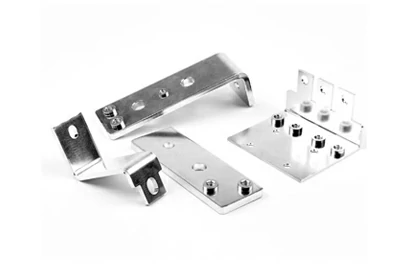
| Processing Cutting | Punching, bending (L/U/Z), CNC machining (custom per drawings); machining before tin plating to ensure full coverage inside holes and along edges |
| Hole types | Round holes, slotted holes, counterbore, countersink, hole spacing and quantity per drawings |
| Edge treatment | Deburring, chamfering, rounded corners |
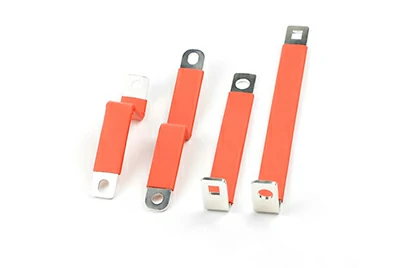
| Insulation | Heat shrink tubing, powder coating, insulating pads (as required) |
Conductivity: up to ~62% IACS. Actual values depend on alloy and temper (e.g., 6101/1350/6061). Base-metal selection can be assessed against 6101 electrical aluminum busbar and 1350/1370 electrical aluminum busbar options, with the tin coating specified separately. Share your application requirements when requesting a quote, and we will provide the typical range and verifiable data (report available).
Popular tin plated aluminum bus bar products
Tin plated aluminum bus bar (flat bar)
-
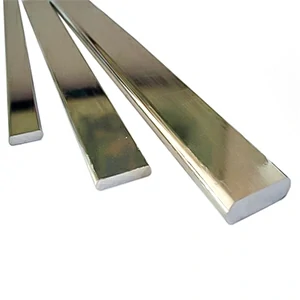
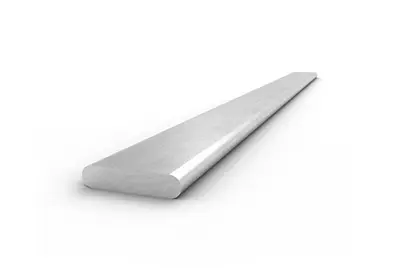
Tin plated aluminum bus bar (flat bar) uses commonly applied aluminum alloys (such as 6101 / 1350 / 6061) as the base material, with electroplated tin on the surface.
Tin plating effectively reduces fluctuations in contact resistance and suppresses the instability caused by the natural oxide film on bare aluminum. This helps minimize hot spot risks and reduce the likelihood of rework and maintenance.
- Switchgear / Panel: Long-term stability of bolted connections, precise hole positioning, and high assembly efficiency
- UPS / Data Center: Temperature rise control, low loss, and long-term reliable operation
- ESS / Battery Pack: Low contact resistance, assembly consistency (insulation optional)
Tin plated aluminum bus bar (flat bar) — supports custom manufacturing and production per drawings, with flexible lead time support (standard lengths and cut-to-length options available).
Custom punched & bent tin plated aluminum busbar
-
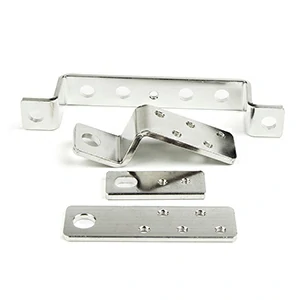
We provide a one-stop solution — from cutting, punching, and bending (L/U/Z types) to CNC aluminum machining (slotting, step milling, tapping) and tin plating — ensuring you receive busbars that are ready for direct installation.
Our key process advantage is machining before tin plating, ensuring uniform and consistent tin coverage on the most critical areas.
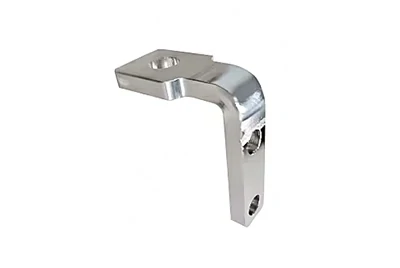
L-shaped bent busbar
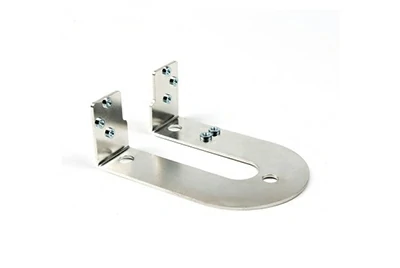
U-shaped bent busbar
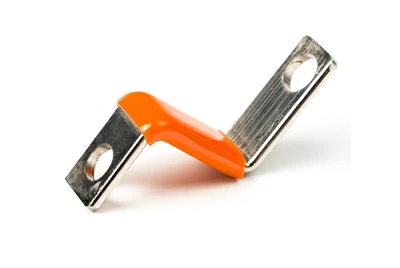
Z-shaped bent busbar
We support production and delivery according to your drawings (cutting, punching, bending, CNC machining). The finished busbars can be installed directly.
Tinned aluminum earthing & neutral busbar (grounding & neutral Bar)
-
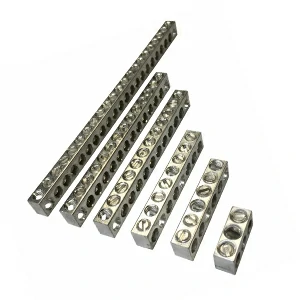
We offer standard hole types as well as custom hole configurations per drawings (round holes, slotted holes, countersunk holes, chamfered holes). For dedicated grounding arrangements, ground busbar configurations are a separate product-selection reference. Deburring and chamfered/rounded edge options are available to ensure safe installation.
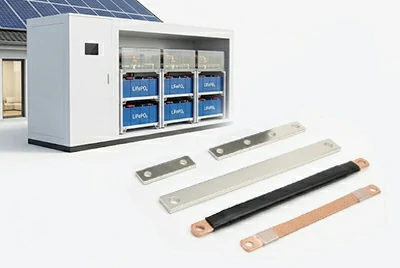
Tin plated aluminum busbar for ESS / battery pack / BMS
For energy storage systems / battery packs / battery management systems (ESS/BMP) applications, there are numerous connection points and frequent temperature fluctuations.
Drift in contact resistance can lead to localized hot spots and increase maintenance risks.
-
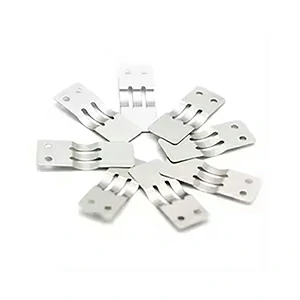
We supply custom tin plated aluminum bus bar and busbar connectors manufactured per drawings. Multiple insulation options are available, including heat shrink tubing, powder coating, and insulating pads; insulated aluminum busbar products represent a distinct conductor configuration where continuous insulation is required. The electroplated tin thickness is typically 3–15 μm and can be increased upon request.
Laminated busbar
-
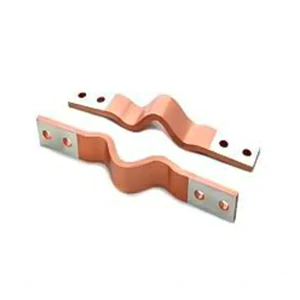
Tin plated laminated busbar is a high-current interconnection component formed by stacking and laminating multiple conductor layers with insulating layers (films/insulation sheets) according to circuit and structural requirements. For assemblies requiring an additional shielding structure rather than only laminated insulation, high-power shielded aluminum busbars are a separate configuration to evaluate.
Laminated busbars are better suited for power electronics systems.
They enable more compact layouts and more consistent assembly, while significantly reducing parasitic inductance and the risk of electromagnetic interference.
Common size combinations for tin plated aluminum bus bar
These are frequently requested combinations for switchgear/panels, bus duct, UPS, and ESS projects.
Metric sizes:
| Thickness T (mm) | Common Width W (mm) |
| 3, 4 | 20, 25, 30, 40 |
| 5, 6 | 25, 30, 40, 50, 60 |
| 8, 10 | 40, 50, 60, 80, 100 |
| 12, 15 | 50 ,60, 80, 100, 120 |
| 20, 25 | 80, 100, 120, 150 |
| 30, 40 | 100, 120, 150, 200 |
Imperial sizes:
| Thickness T (inch) | Common Width W (inch) |
| 1/8" | 1", 2" |
| 1/4" | 1", 2", 3", 4" (very common) |
| 3/8" | 2", 3", 4" |
| 1/2" | 2", 3", 4" |
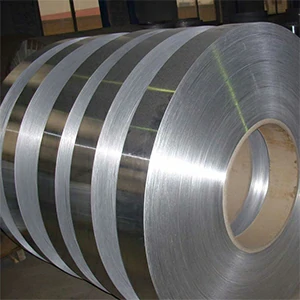
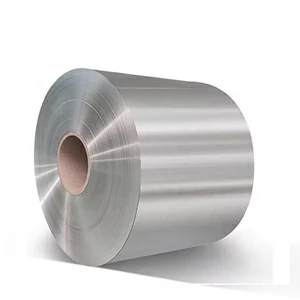
Standard and cut-to-length options available (e.g., 2–10 ft). For continuous-feed manufacturing, coiled aluminum busbar supply is a different delivery format to consider, subject to alloy, section and process requirements.
We support both imperial and metric systems for quotation and manufacturing.
If you are unsure about the dimensions, we can recommend suitable thickness and width combinations based on your current rating, temperature rise targets, and installation space. The busbar system selection guide explains additional layout and selection considerations.
Corresponding machining and inspection documents can be provided accordingly.
Common applications of tin plated aluminum bus bar
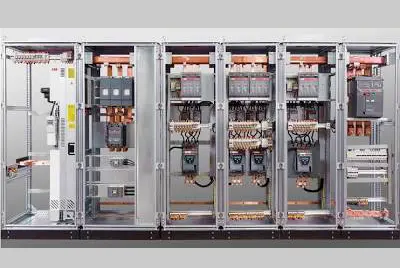
Switchgear / Panel manufacturers
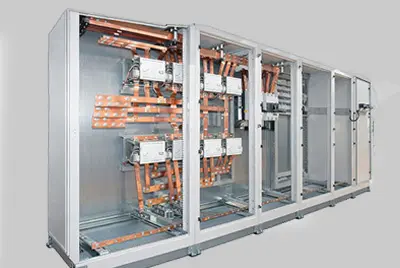
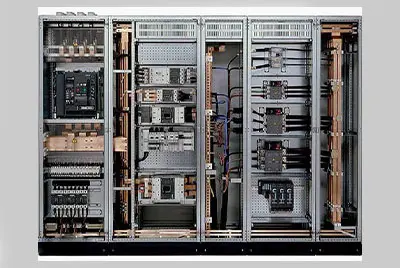
In switchgear and panel systems, the key requirement for busbars is not only conductivity, but long-term stability of bolted connections. The broader electrical busbar system solutions range also covers conductor structures and assembly choices for distribution equipment.
The oxide film on bare aluminum can cause contact resistance to increase over time, leading to localized hot spots, rework, and higher maintenance costs.
Tin plated aluminum bus bar provides a more stable contact interface, helping reduce hot spot risks and improve assembly consistency. Where the mating terminal geometry is part of the purchase scope, electrical terminal connector types are a separate interface-selection consideration.
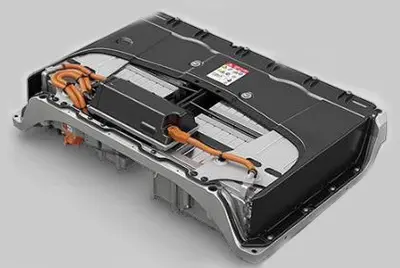
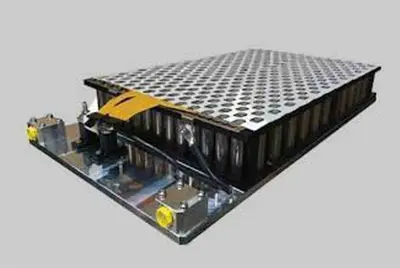
Energy storage / Battery pack / Busbar systems
In energy storage and battery pack / BMS applications, there are many connection points and frequent thermal cycles. Battery busbar configurations for energy storage systems also require attention to contact resistance stability, batch consistency, insulation and safety. If the contact interface drifts, hot spots can form and affect system reliability.
Tin plated aluminum bus bar maintains the lightweight and cost advantages of aluminum while improving connection interface stability. It is suitable for battery busbars and DC circuit connections.
We can deliver assembly-level busbars per drawings (hole patterns / bending / CNC machining) and provide insulation options such as heat shrink tubing, powder coating, and insulating pads.
UPS / Data center power distribution
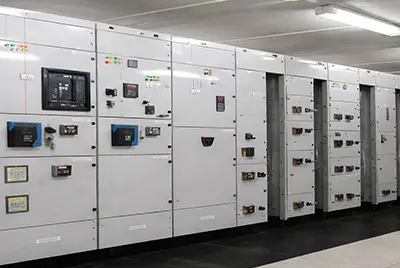
UPS and data center power distribution systems are highly sensitive to reliable operation. Key considerations include temperature rise control, efficiency loss, and long-term maintenance costs.
If busbar connections are unstable, increased contact resistance can cause additional heat generation and energy loss, affecting system stability.
Tin plated aluminum bus bar offers a more stable connection interface, helping reduce contact resistance fluctuations. It also provides advantages in lightweight design and cost, making it suitable for high-current power distribution and equipment interconnection.
Tin plating methods for aluminum bus bar
We specialize in electroplating tin, silver, or nickel on substrates such as aluminum, copper, brass, and steel. For busbar contact surfaces, the applicable tin plating process is selected according to the substrate and specified coating requirements.
We ensure consistent tin thickness on tin plated aluminum bus bar, full coverage inside holes, and reliable adhesion.
XRF thickness reports and full dimensional inspection are supported.
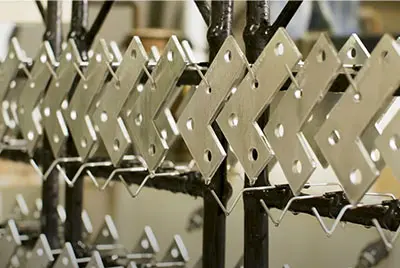
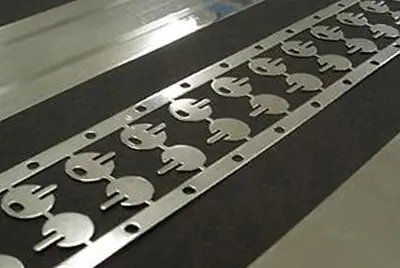
Electroplated Tin
The most commonly used solution for busbars.Thickness is controllable and the surface finish is uniform, making it suitable for batch consistency and assembly requirements.
Hot-dip Tin
Can achieve a thicker tin layer and is more suitable for protective purposes.Its impact on appearance and dimensions differs, and it is typically selected based on project requirements.
Advantages of tin plated aluminum bus bar
- Tin plating improves connection interface stability and reduces resistance increase and hot spot risks caused by oxidation.
- The tin layer suppresses the impact of the oxide film, making it suitable for humid and industrial environments and ensuring more reliable long-term connections.
- A more uniform surface condition provides more stable bolted or terminal connections, helping improve assembly consistency and reduce rework.
- More suitable for welding or terminal connections, improving connection reliability.
- Lighter and more economical than copper busbars, making it suitable for weight reduction and cost control in high-current power distribution systems.
Machining and assembly support (ready for installation)
We provide busbars manufactured and delivered according to your drawings, ready for immediate assembly.
This helps reduce secondary machining and rework risks.
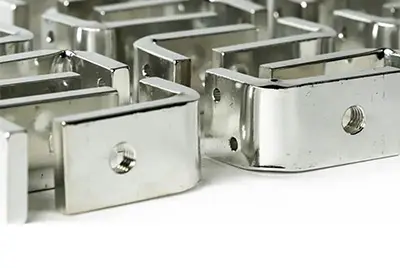
- Machining capabilities: cutting, punching, bending (L/U/Z), CNC slotting/step milling, drilling and tapping, press-fit nuts/studs, and marking.
- We adopt a machining-before-plating process to ensure full coating coverage inside holes, along edges, and at cut areas. This avoids exposed cut surfaces caused by plating before machining (unless secondary treatment is applied).
- Deburring, chamfered/rounded edges, and safety edge treatment reduce the risk of cuts and coating scratches, while improving assembly efficiency and consistency.
- Optional assembly accessories: insulating pads, heat shrink tubing, insulating sleeves, and copper-aluminum transition plates (provided according to project requirements). For designs requiring a broader bimetallic conductor choice, copper-clad aluminum conductor products should be assessed separately from transition plates.
Related products of tin plated aluminum bus bar
To help you select faster, assemble more efficiently, and pass inspection more smoothly, we can provide the following related products and support combined quotation and shipment.
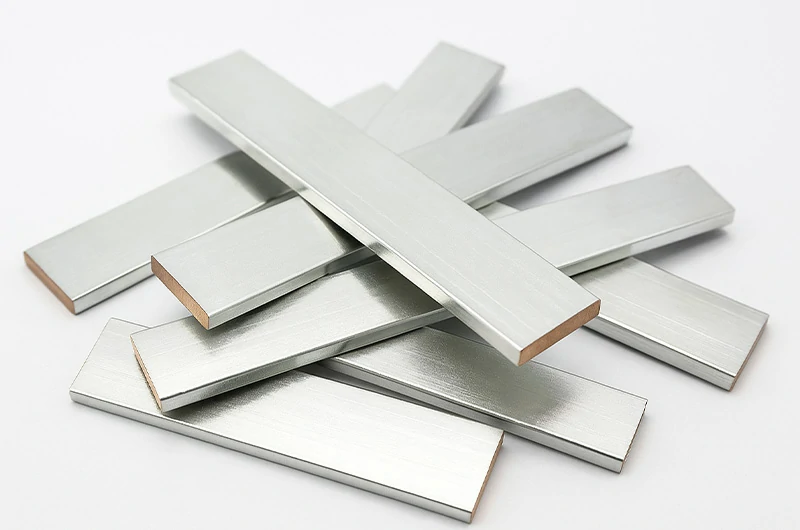
Silver-Plated Copper Busbar
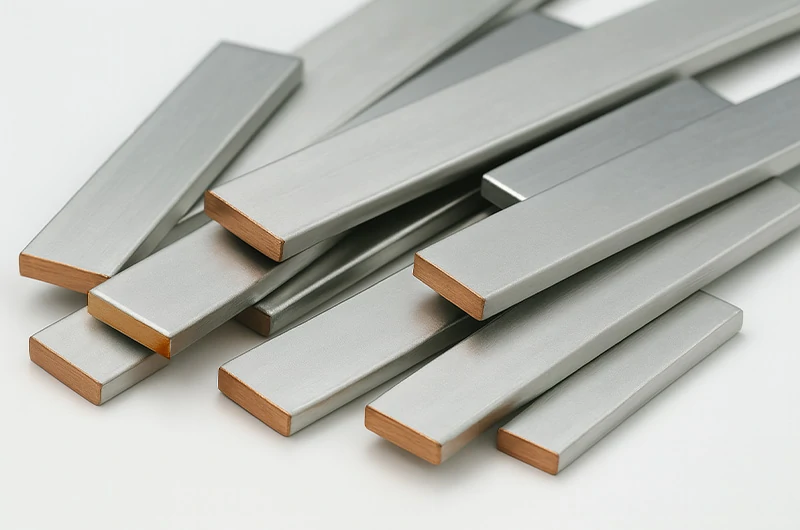
Tinned Copper Busbar
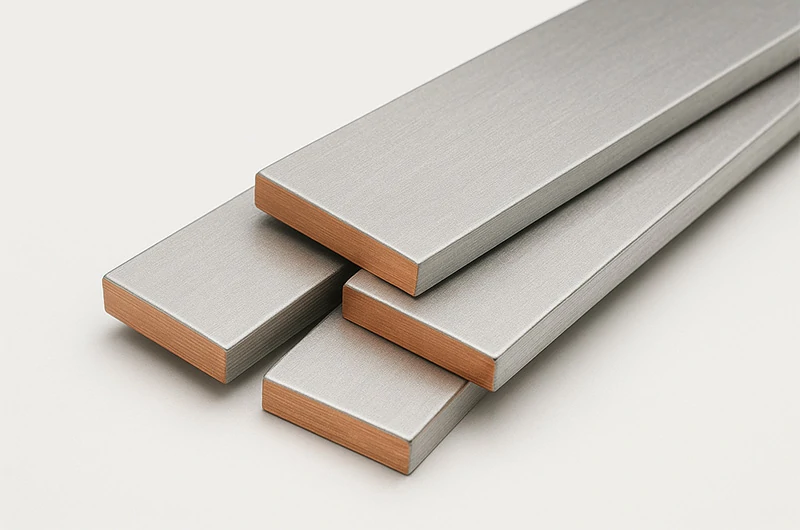
Nickel-plated Copper Busbar
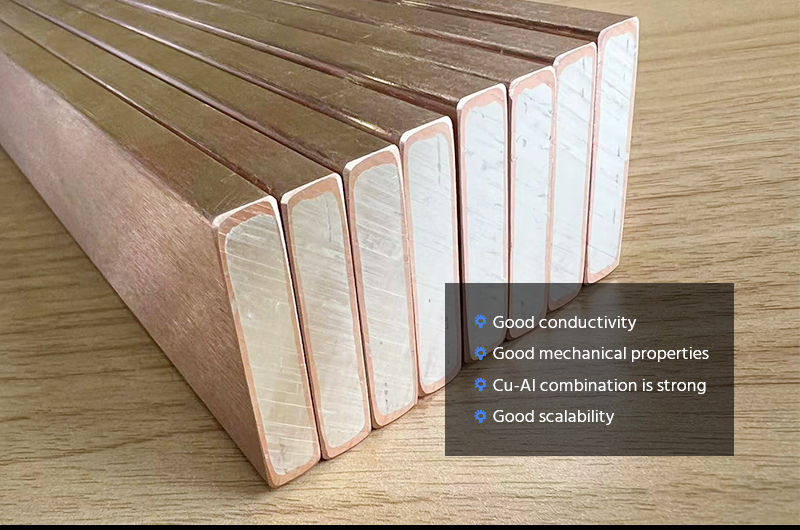
Copper-Clad Aluminum Bus Bar
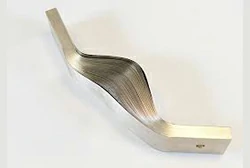
Flexible Busbar
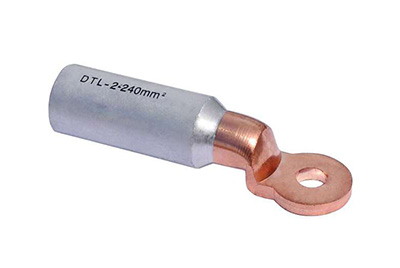
Cable Lugs
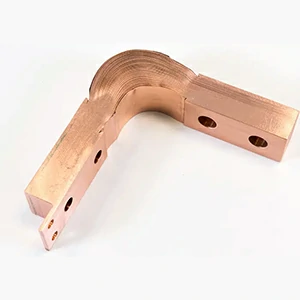
Laminated Busbar
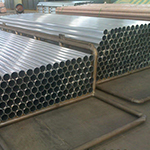
Aluminum Tubular Bus Pipe
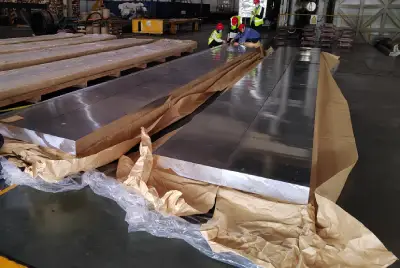
Aluminum Busbar
Simply send us your application scenario (switchgear / energy storage / UPS, etc.), along with current rating and temperature rise targets, drawings / hole details, quantity, and required lead time.
We will recommend a suitable busbar and accessory combination, and confirm the required inspection and delivery documents.
Bare aluminum vs tin-plated aluminum vs copper busbar
Why do many customers avoid bare aluminum busbars?
Bare aluminum surfaces easily form an oxide film. After actual assembly, this more easily leads to:
- Increased contact resistance, leading to a higher risk of localized hot spots
- Reduced stability of bolted or crimped connections, making long-term operation more likely to require maintenance or rework
Therefore, many projects choose tin plated aluminum bus bar to stabilize the connection interface and reduce uncertainty caused by oxidation.
Why not use bare copper busbars directly?
Copper busbars offer higher material conductivity than comparable aluminum conductors, but actual current-carrying capacity depends on section and installation conditions. In applications that require large volumes of copper, you will typically encounter:
- Higher cost
- Greater weight, which is less favorable for cabinet layout and installation
Therefore, many customers choose tin plated aluminum bus bar as a more balanced solution. For material selection involving copper, aluminum and copper-clad designs, the copper vs. aluminum vs. CCA busbar comparison addresses different conductivity, weight and cost considerations.
It offers connection reliability close to copper, while retaining the lightweight and cost advantages of aluminum.
Packaging and logistics of tin plated aluminum bus bar
The tin-plated surface is most vulnerable to scratches from friction and moisture during transportation.
- Scratch-resistant and moisture-proof packaging: Dry protective treatment to prevent surface discoloration caused by moisture.
- Layered separation: Paper or film interlayers between busbars to prevent metal-to-metal abrasion.
- Reinforced transport for long lengths: Long busbars are secured with pallets or wooden crates to reduce bending and impact risks.
- Clear labeling and traceability: Outer cartons or pallets are labeled with specifications, quantity, batch number, and corresponding report number (facilitating warehouse incoming inspection and project traceability).
FAQ
Why are busbars tin plated?
Tin plating stabilizes the contact interface, reduces oxidation-related resistance drift, and helps lower hot-spot risk at bolted/terminal joints.
What is the best material for a bus bar (Al vs Cu)?
It depends on current, temperature-rise target, space, and budget. Copper has higher conductivity; tin-plated aluminum is often a balanced choice—lighter and more economical while improving joint stability.
Are aluminum bus bars good?
Yes. Aluminum busbars are widely used for high-current distribution due to weight and cost advantages. Tin plating helps make connections more stable for long-term service.
What metals should not be used together? (Galvanic corrosion)
Dissimilar metals can increase galvanic corrosion risk in humid environments. Proper lugs/washers and interface treatment improve stability—share your mating materials (e.g., copper lugs) and environment for recommendations.
Can bus duct / panel busbars be affected by moisture?
Moisture can affect surface stability during storage/handling. Protective packaging (moisture + scratch control) and correct installation practices help maintain long-term performance.