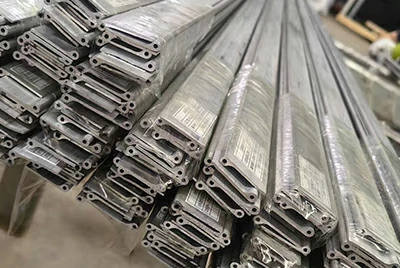
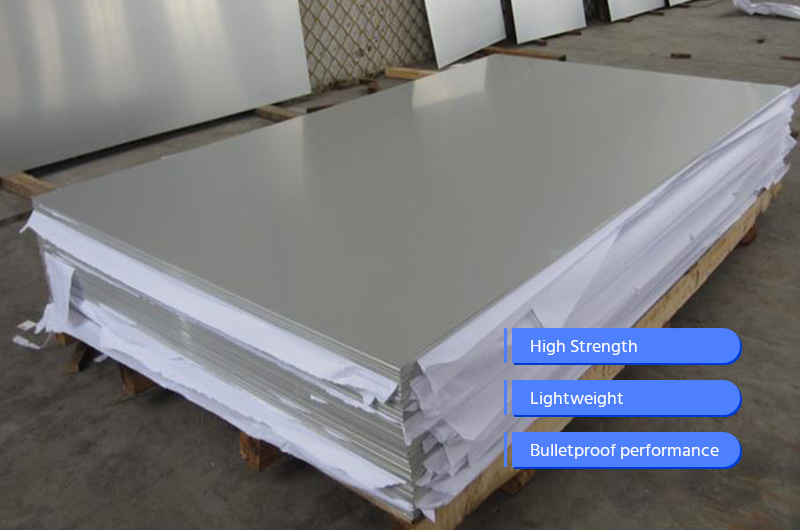
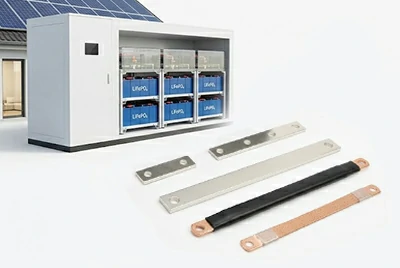
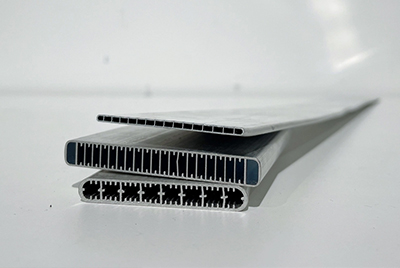
Chalco supplies custom flexible busbars in copper, aluminum and copper-clad aluminum for switchgear, EV and energy-storage equipment, industrial power systems and other OEM electrical assemblies. Available structures include foil-stack, laminated flexible and braided connections, with terminal geometry, surface finish and insulation reviewed against customer drawings.
Share your conductor material, connection layout, current and voltage requirements, installation conditions and planned quantity so the suitable flexible busbar configuration and manufacturing scope can be reviewed before quotation.
Flexible Busbar Specifications & Supply Options
Chalco supplies flexible busbars in copper, aluminum and copper-clad aluminum (CCA), with foil-stack, laminated flexible and braided connection options. The table separates selectable product configurations from electrical and mechanical inputs that must be checked against the customer drawing.
| Item | Supply options / project confirmation |
| Conductor materials | Copper, aluminum and copper-clad aluminum (CCA). Aluminum options identified in the existing product information include 1060 and 1350; the grade, temper and suitable flexible construction must be confirmed for each order. |
| Flexible construction | Stacked foil connectors, configured laminated flexible assemblies and braided flexible links; structure and terminal method are selected for the required installation and movement. |
| Foil and conductor dimensions | Foil thickness, layer count, conductor width, total section, flexible length and overall dimensions are specified for the selected design. The former 50–300 μm foil reference is not applied to every material or braided construction without verification. |
| Terminal and fabrication options | Drawing-defined contact pads, drilled or punched holes, slots, bends, terminal interfaces and finished lengths; tolerances and connection method confirmed before production. |
| Surface finishes | Bare contact regions and tin, nickel or silver finishes where suitable; application, coverage and acceptance requirements confirmed for the conductor and order. |
| Insulation | Configured PVC, heat-shrink or epoxy-based protection where suitable, with exposed terminals and insulation boundaries specified by drawings and voltage requirements. |
| Electrical and mechanical validation | Specify continuous/peak current, duty cycle, allowable temperature rise, prospective short-circuit conditions, bend or movement requirements, vibration and installation environment; ratings are verified for the finished configuration. |
| OEM purchasing | Drawings, material/structure, sample and volume requirement, destination, inspection documents and target schedule. |
Important: Material conductivity and density are not interchangeable with finished-busbar current ratings. No universal ampacity, short-circuit withstand, insulation voltage or operating-temperature limit is claimed across copper, aluminum, CCA, foil-stack and braided designs.
Flexible Busbar Types & Material Options
Select the conductor material and flexible structure according to conductivity, mass, interface design and required mechanical compliance. The following options serve different design needs and are not direct substitutes without technical review.
Copper flexible busbar: Chalco supplies custom copper foil-stack flexible busbars for switchgear, power distribution and OEM electrical connections. Copper layers, finished cross-section, flexible span, terminal palms, hole patterns and contact finishes can be specified to the assembly drawing. For a flexible copper busbar quotation, provide the required current duty, installation geometry, terminal interfaces and order quantity; final temperature-rise and current ratings depend on the configuration.
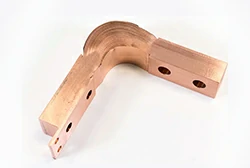
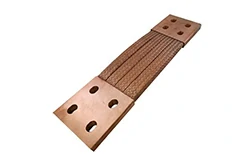
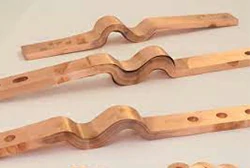
Aluminum flexible busbar: Chalco supplies flexible aluminum busbar options for equipment where conductor mass, installation space and connection geometry matter. Existing material references include 1060 and 1350 aluminum, with grade, temper and flexible construction confirmed for the order. For an aluminium flexible busbar design, specify the required cross-section, bend zone, terminal interfaces and electrical duty; aluminum connections are evaluated for their joint and thermal requirements rather than treated as direct copper substitutes.
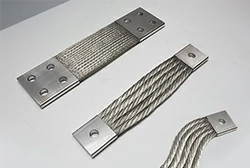
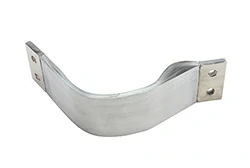
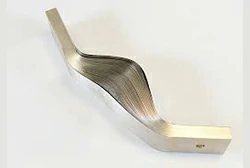
CCA flexible busbar: Copper-clad aluminum combines a copper outer layer with an aluminum core. Composite ratio, joining method, electrical performance and suitability must be confirmed for the specified construction.
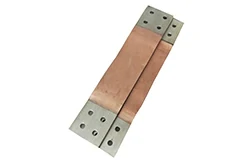
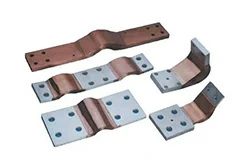
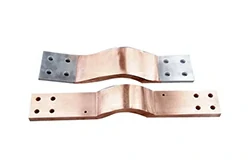
Laminated flexible busbar: A designed stack of conductive layers can provide a compliant section for equipment interfaces. This construction is related to, but not automatically identical with, an insulated laminated busbar assembly.
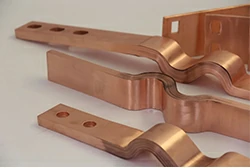
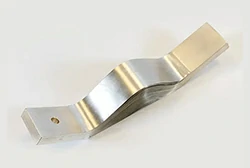
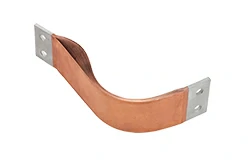
Braided flexible busbar: Copper braided wire, braided aluminum wire or CCA strands provide a compliant electrical connection for movement, vibration accommodation or bonding. Braid geometry and terminal design determine the applicable electrical and mechanical performance.
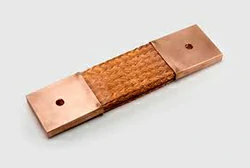
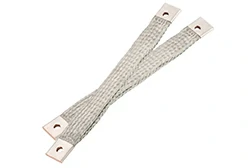
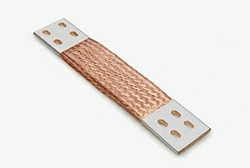
Send your conductor, interface and movement requirements for material and structure review.
Flexible Busbar Custom Manufacturing & Fabrication
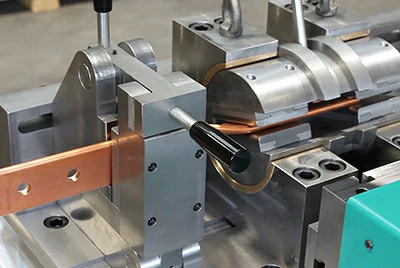
Chalco supplies drawing-based flexible busbar assemblies for OEM electrical equipment, switchgear, EV and energy-storage projects. Manufacturing and custom fabrication are matched to the selected copper, aluminum or CCA conductor and to the required foil-stack, laminated flexible or braided construction. Customers can submit part drawings, terminal layouts and planned order quantities for a defined supply review.
Conductor and flexible-section fabrication: Specify foil-stack or braid construction, conductor width and finished section, flexible length, bend direction and required assembly movement. Cutting and forming requirements are assessed against the chosen material and configuration rather than assumed identical for every busbar type.
Drawing-defined terminals and connections: Terminal pads or palms, mounting holes, slots, contact surfaces, attachment details and interface tolerances can be prepared to approved equipment drawings. Connection geometry and exposed contact regions are agreed before production. Where separate mating hardware is specified, cable lugs and electrical connection terminals should be selected for the conductor interface.
Finishes, insulation and production coordination: Tin, nickel or silver finish options and suitable insulation coverage can be coordinated for the specified product. Sample review, agreed inspection criteria and intended volume-order requirements help establish the manufacturing and purchasing scope.
RFQ for custom fabrication: Send the conductor material and structure, dimensional drawing, terminal and bend details, electrical duty, finish or insulation specification, expected order quantity and destination for technical and commercial review.

Flexible Busbar Electrical & Mechanical Selection
Electrical rating and mechanical flexibility must be assessed together for the actual conductor, connection ends and installation. The table identifies the main design inputs required for a project-specific review.
| Design factor | Why it matters | RFQ input |
| Current and temperature rise | Material, cross-section, contacts, duty cycle and cooling affect operating temperature | Continuous/peak current, duty cycle, ambient conditions, cooling and allowable temperature |
| Material selection | Copper, aluminum and CCA differ in conductivity, density, joining and interface requirements | Preferred material, weight target, joint design and applicable material specification |
| Flexibility and bend zone | Foil-stack and braided structures respond differently to bending, movement and installation tolerance | Required movement, bend direction, bend radius, cycle expectations and mounting distance |
| Voltage and insulation | Coverage, exposed terminals and dielectric arrangement affect isolation and installation safety | Operating voltage, insulation material, coverage, clearance and required verification |
| Short-circuit conditions | Fault current and duration create thermal and mechanical forces in the conductor and terminals | Prospective current, duration, protection scheme, supports and agreed test basis |
| Environment and interfaces | Vibration, corrosion exposure and terminal geometry influence construction and finish | Equipment drawing, environment, mounting, mating surface and finish requirements |
No universal current, short-circuit, temperature or dielectric rating applies to every flexible busbar construction. Ratings and validation requirements are confirmed against the approved configuration.
Flexible Busbar Insulation & Surface Finishes
Tinned flexible busbar: Tin plating may be specified on contact regions or broader surfaces to support the required corrosion protection, solderability or interface condition. Conductor material, coverage, thickness and inspection criteria are confirmed for the order. For tin-coated woven copper conductors rather than foil-stack flexible busbars, tinned copper braid is a distinct product form.
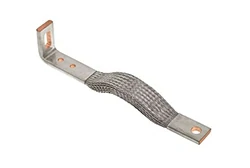
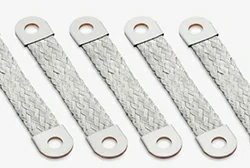
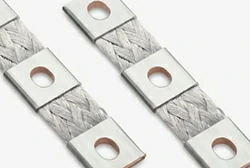
Insulated flexible busbar: PVC, heat-shrink or epoxy-based insulation may be reviewed according to conductor structure, operating environment and required dielectric performance. Coverage, terminal exposure, material grade and verification method must be defined for the actual design.
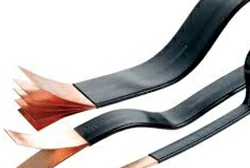
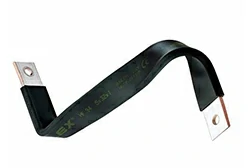
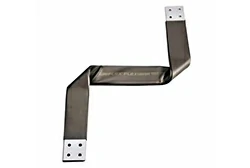
Nickel or silver finishes and other protective treatments can be reviewed where specified. Availability and suitability depend on conductor material, contact design and purchase requirements.
Flexible Busbar Applications
Flexible busbars are used where power connections must accommodate equipment geometry, assembly tolerance or controlled movement. Product suitability and performance remain specific to the selected structure and project conditions.
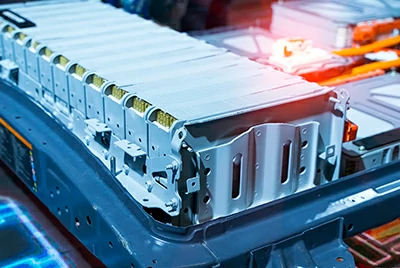
Electric vehicles and battery packs
Flexible battery busbar connections for battery modules, power distribution units, and high-voltage interfaces.
Material, insulation, and terminals are matched to the vehicle design.

Renewable energy systems (solar and wind power systems)
Custom flexible connections for inverters, converters, and energy storage equipment.
Current, insulation, and mounting requirements guide product selection.
Power distribution and switchgear
Flexible links for switchgear, transformers, and distribution assemblies can be integrated into custom electrical busbar systems.
Terminal alignment, short-circuit conditions, and supports are reviewed.
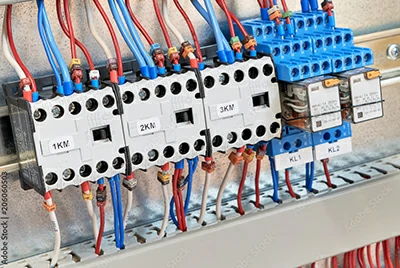
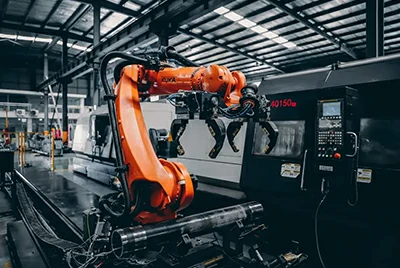
Industrial equipment and mechanical systems
Flexible conductor connections for drives, rectifiers, and industrial machinery.
Vibration, movement, and thermal conditions determine the configuration.
Data center and communication equipment
Compact power connections for UPS, rectifiers, and distribution equipment.
Current, cooling, and terminal layout are matched to the equipment.

Chalco supplies custom flexible busbars for OEM electrical equipment and power systems. Share your application requirements, drawings, preferred conductor material, and order quantity to review suitable configurations and receive a quotation.
Flexible Busbar Quality Assurance & OEM Supply
Inspection and documentation are agreed for the selected flexible busbar construction, approved drawing and OEM purchasing requirements.
| Verification area | Typical scope | Acceptance basis |
| Dimensions and terminals | Length, flexible zone, terminal geometry, holes, bends and contact areas | Approved drawings and agreed tolerances |
| Material and traceability | Conductor grade, composite construction and available material evidence | Purchase specification and agreed documentation |
| Electrical requirements | Applicable continuity, resistance, temperature-rise or other checks where specified | Agreed method, configuration and acceptance criteria |
| Finish and insulation | Plating coverage, surface condition, insulation material, coverage and terminal exposure | Approved sample, drawing and inspection plan |
| Sample to volume supply | Evaluation sample, change control, lot identification and batch inspection | Approved sample and confirmed order requirements |
Material certificates, inspection records and third-party inspection can be coordinated where required and agreed. No universal certification, MOQ, lead time or test outcome is implied for all product types.
Flexible Busbar Selection: Foil-Stack, Braided & Rigid
Foil-stack flexible busbars, braided connections and rigid busbars—such as copper busbars and electrical aluminum busbars—address different electrical and mechanical requirements. Select the structure from the actual route, movement, terminal and support conditions rather than current magnitude alone; the busbar systems selection guide provides additional terminology and design context.
| Selection point | Foil-stack flexible | Braided flexible | Rigid busbar |
| Construction | Stacked conductive foils with formed or joined terminals | Woven conductive strands with terminal ends | Solid conductor with fixed geometry |
| Mechanical role | Designed compliance for alignment, assembly tolerance or limited movement | High compliance for movement, vibration accommodation or bonding | Stable fixed routing with defined supports |
| Interface design | Drawing-specific flexible zone and connection pads | Braid section, terminals and attachment method selected for the motion | Hole pattern, bends, joints and supports defined by the equipment |
| Electrical review | Material, foil stack, contacts and thermal conditions determine rating | Braid geometry, contacts and installation determine rating | Cross-section, joints, cooling and support arrangement determine rating |
| Typical fit | Compact equipment connections needing controlled compliance | Connections needing greater movement or vibration isolation | Fixed distribution paths and structural conductor runs |
Insulated laminated assemblies are a separate design category from an uninsulated foil-stack flexible connector. Confirm the intended structure before comparing alternatives.
Flexible Busbar FAQs
Should I choose copper, aluminum or CCA?
Copper is selected where its conductivity and established joint interfaces suit the design. Aluminum can reduce conductor mass when cross-section and connections are engineered accordingly. CCA suitability depends on composite construction, joining and the required performance; it is not an automatic copper substitute.
How is flexible busbar current capacity determined?
Current capacity depends on conductor material and cross-section, contact resistance, duty cycle, cooling, ambient conditions and allowable temperature rise. A universal rating cannot be assigned from foil thickness or material name alone.
What is the difference between foil-stack and braided flexible busbars?
Foil-stack products use layered foils and a defined flexible zone, while braided products use woven strands for greater compliance. The required movement, terminals, installation space and electrical duty determine the appropriate structure.
Can plating and insulation be customized?
Yes. Contact finishes and insulation material, coverage and exposed terminal areas can be specified for drawing review. Availability and acceptance requirements are confirmed for the selected conductor and order.
Is there a standard MOQ, and can samples be arranged?
MOQ and sample feasibility depend on material, construction, tooling, inspection and planned production quantity. Share the drawing and expected volume so the applicable arrangement can be reviewed.
What information is needed for a quotation?
Provide the material and structure, drawing, terminal details, operating current and voltage, movement and installation conditions, finish or insulation requirements, quantity, destination and required inspection documents.
Get a Quote for Custom Flexible Busbars
Send your flexible busbar drawing and procurement requirements so Chalco can review the material, construction, fabrication scope, validation plan and quotation basis.
- Copper, aluminum or CCA material and foil-stack, laminated or braided structure
- Overall dimensions, flexible zone, terminal pads, holes, bends and tolerances
- Operating current, voltage, duty cycle, temperature and short-circuit conditions
- Movement, vibration, mounting, finish, insulation and environmental requirements
- Sample requirement, projected quantity, destination, schedule and quality documents
Share your drawings, operating conditions and planned quantity for a technical and commercial review.
Get a quote