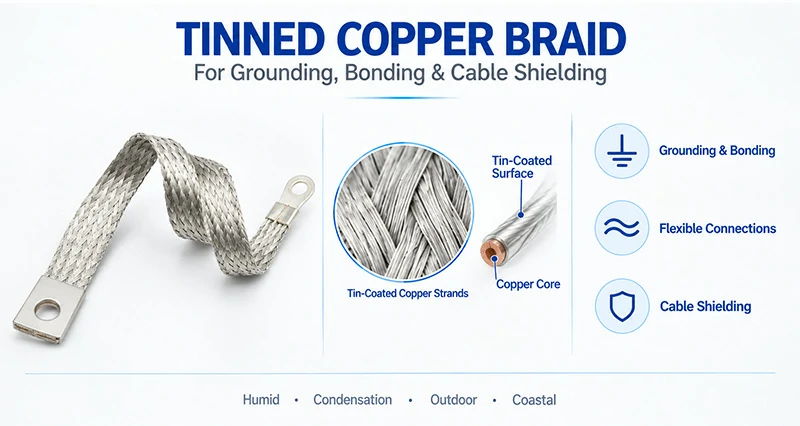
Tinned Copper Braid is a braided copper conductor with a tin-coated surface, used mainly for grounding, bonding, flexible grounding/bonding connections, and cable shielding. Compared with Bare Copper Braid, its main value is not higher conductivity or greater flexibility, but added surface protection in humid, condensing, outdoor, and coastal environments, along with a more stable surface for certain soldering and termination processes.
HenanChalco can match Flat Tinned Copper Braid, Tubular Tinned Copper Braid, and Grounding / Bonding Straps to the service environment, connection function, and existing specification or drawing. If you are unsure whether tinning is necessary, or need an alternative to an existing specification, send the application conditions, dimensions, or drawing for review.
Why Choose Tinned Copper Braid Instead of Bare Copper?
Choosing Tinned Copper Braid is not an upgrade from a "low-grade" to a "high-grade" product. Both bare and tinned braid use copper for electrical conduction and gain flexibility from the braid construction. The real question is whether the service environment or termination process requires additional protection for the copper surface.
In dry, controlled indoor environments with low corrosion risk, Bare Copper Braid is often sufficient for grounding, equipotential bonding, and flexible conductive connections. Tin plating becomes more valuable when the connection is exposed long-term to humidity, condensation, outdoor weather, or coastal salt, or when soldering, terminal assembly, or other surface-sensitive processing is required.
Tin plating provides two practical benefits:
- Surface protection: reduces direct exposure of the copper surface to air, moisture, and corrosive environments, making it better suited to connections that require long-term environmental durability.
- Termination suitability: a tinned surface is better suited to certain soldering and downstream termination processes and helps reduce the effect of copper oxidation on processing.
These benefits should be evaluated separately from the performance of the braid itself. Flexibility is mainly determined by wire diameter and braid construction, while electrical performance depends on effective copper cross-sectional area, braid construction, and connection design. Tin plating does not increase the conductivity of copper, and it is not the default solution for every high-temperature or aggressive chemical environment.
If your project is choosing between bare and tinned braid, send the service environment, operating temperature, connection method, and existing specification. We can help confirm whether a tinned finish is necessary.
Bare Copper or Tinned Copper Braid?
| Key Service Condition | Bare Copper Braid | Tinned Copper Braid |
| Dry, controlled indoor | Usually sufficient for stable environments with low corrosion risk. | Usable, but the added value of tinning is limited if there are no additional environmental or termination requirements. |
| Humid / condensation | Higher risk of copper surface oxidation; long-term exposure conditions should be considered. | More suitable where tin plating provides additional protection for the copper surface. |
| Outdoor / weather exposure | Long-term moisture, contamination, and maintenance conditions should be evaluated. | Generally more advantageous for grounding/bonding connections exposed over the long term. |
| Marine / coastal | Salt and humidity further increase the risk of surface corrosion. | Tinned Copper Braid should be evaluated first and confirmed against the actual environment and project specification. |
| Soldered / surface-sensitive termination | Copper surface oxidation and processing conditions require closer attention. | Generally better suited to soldering or terminations that require a stable surface condition. |
| High temperature / aggressive chemicals | The conductor and surface treatment should be reassessed. | Do not assume tin is the best choice; another plating or conductor material may be required. |
Selection summary:In dry, stable environments, Bare Copper Braid is often sufficient. When humidity, condensation, outdoor/coastal exposure, or termination requirements begin to affect the copper surface, Tinned Copper Braid offers clearer selection value.
Where Does Tinned Copper Braid Add More Value?
Tinned Copper Braid is especially useful where a connection needs flexible grounding/bonding or shielding and is also exposed long-term to humidity, condensation, outdoor weather, or salt. Selection should start with the service conditions and connection function, then determine whether Flat Braid, Finished Strap, or Tubular Braid is the right form.
Power Equipment & Renewable Energy
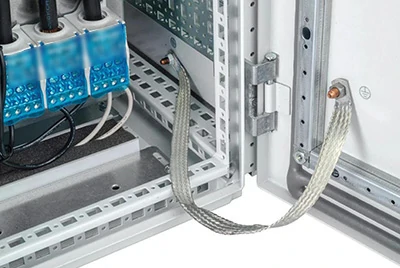
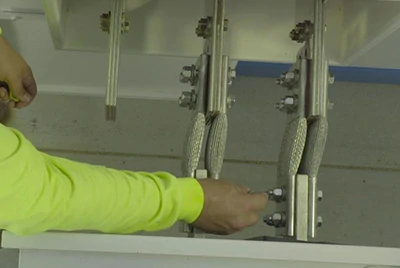
Grounding and bonding connections in outdoor switchgear, control cabinets, wind systems, and solar equipment must accommodate condensation, environmental exposure, vibration, and minor movement.
Typical uses include cabinet bonding, equipment grounding, solar frame bonding, and wind turbine grounding. Where copper braid connects to an aluminum busbar, frame, or enclosure, tin plating can also help reduce galvanic corrosion risk at the copper-aluminum interface; proper surface preparation and contact control are still required.
These applications typically use Flat Tinned Copper Braid. Where a ready-to-install connection is required, it can be further processed into a Tinned Grounding / Bonding Strap.
Marine & Coastal Equipment
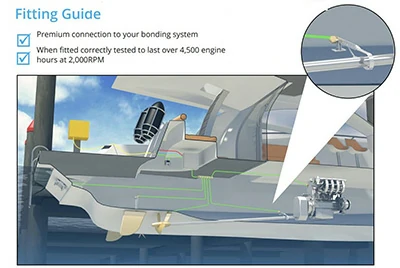
High humidity, salt, and condensation increase the need for copper surface protection in marine and coastal equipment, while vibration requires the connection to remain flexible.
Equipment grounding, enclosure bonding, and flexible bonding typically use Flat Tinned Copper Braid or Finished Straps; marine cable and harness shielding typically uses Tubular Tinned Copper Braid.
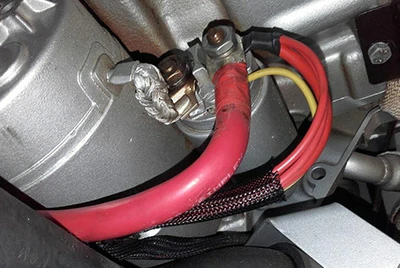
Transportation & Heavy Equipment
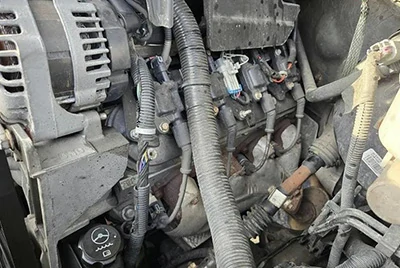
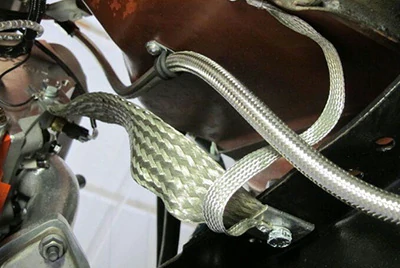
Electrical bonding in vehicles and heavy equipment often has to accommodate vibration, movement, limited installation space, and environmental exposure.
Battery-to-chassis grounding, frame bonding, and equipment grounding jumpers typically use Flat Tinned Copper Braid or Finished Grounding Straps; cable and harness shielding can use Tubular Tinned Copper Braid.
Cable & Harness EMI/RFI Shielding
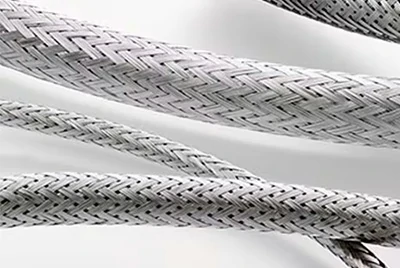
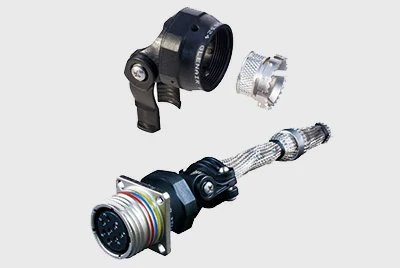
For cables and harnesses, Tinned Copper Braid acts as a flexible metallic shield that maintains a continuous shielding path through bending, routing, and termination.
These applications typically use Tubular Tinned Copper Braid. Key selection parameters are cable OD, expansion range, optical coverage, and termination requirements rather than the width or cross-sectional area used to specify Flat Braid.
View Cable Shielding Braid →
If the equipment environment and connection location are already defined but the correct Tinned Copper Braid form is not, send HenanChalco the application, connection function, existing specification, or drawing. We can help confirm the appropriate product form.
Tinned Copper Braid Supply Options
For grounding, bonding, flexible grounding/bonding, and cable shielding, HenanChalco can supply Flat Tinned Copper Braid, further-processed Grounding / Bonding Straps, and Tubular Tinned Copper Braid. Full construction details and size tables are available on the Copper Braided Wire page; this page highlights the main supply ranges and customization routes.
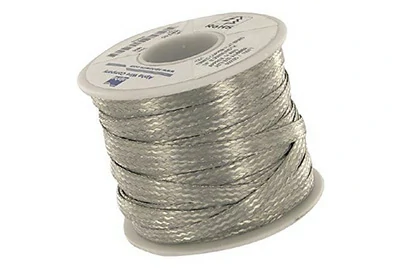
Flat Tinned Copper Braid
For grounding, bonding, and flexible grounding/bonding connections; also used as the base braid for finished grounding straps.
Width:0.8–38.1 mm Thickness: 0.38–1.52 mm
Cross-sectional area, width/thickness, length, and braid construction can be matched to project requirements.
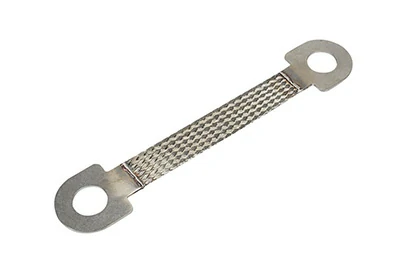
Tinned Copper Grounding
For cabinet, equipment, frame, and machinery grounding/bonding; finished parts can be customized to the installation position.
Custom options include length, cross-sectional area, end configuration, hole diameter, and hole spacing based on the drawing.
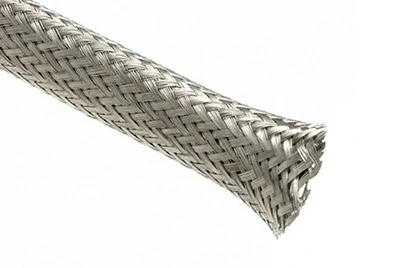
Tubular Tinned Copper Braid
Primarily for cable and harness EMI/RFI shielding; tubular braid size is selected to match the actual cable dimensions.
Typical Nominal ID:0.8–57.2 mmSelection can be matched to Cable OD, expanded diameter, coverage, and supply length.
How HenanChalco Controls Tinned Copper Braid Quality
HenanChalco matches the production route to the service environment, drawing, and standard requirements, and confirms the tin coating, braid construction, dimensions, electrical performance, finished interface, and quality documentation before order placement. Existing specifications, drawings, or samples can all be used as the matching basis.
Tinning Process & Coating Inspection
Tinned Copper Braid is typically braided from pre-tinned copper wires. For projects referencing ASTM B33, A-A-59569, or customer specifications, the tinning method, coating thickness, surface condition, and related inspection requirements can be defined as needed.
Coating inspection can cover conductor dimensions, resistivity, tin-coating continuity, adhesion, and surface quality according to project requirements. Where solderability or special environmental performance is required, corresponding tests can also be specified.
Braid, Dimensional & Electrical Consistency
For Flat Braid, key parameters include cross-sectional area, width/thickness, and braid construction. For Tubular Braid, key parameters include nominal ID, expanded diameter/coverage where required, and continuous length. Replacement projects can be matched against a drawing, specification, or sample.
If a project specifies DC resistance or other electrical requirements, these can be included in the specification and inspection criteria together with dimensional and construction parameters.
Finished Processing & Installation Interface
Grounding / Bonding Straps can be customized to the installation position for finished length, cross-sectional area, end configuration, hole diameter/spacing, and terminal geometry.
End crimping, sleeves, terminals, punching, and other processing can be matched to the drawing and installation requirements so the finished part can move directly into downstream assembly.
Standards, Inspection & Traceability
ASTM B33 primarily applies to tin-coated round soft or annealed copper wire for electrical purposes; A-A-59569 applies to specified flat and tubular copper wire braid; finished grounding/bonding parts are confirmed against the drawing and project specification.
If the project requires CoC, Material Certificate, Inspection Report, RoHS/REACH documentation, or lot traceability, these can be specified at the RFQ stage. HenanChalco will match the project requirements and confirm the available quality documentation.
Tell Us Your Application & Existing Specification
You do not need to define every braid parameter before contacting us.
Please send the key project information:
- Application and environment: grounding, equipotential bonding, flexible grounding/bonding, or shielding; indoor, outdoor, humid, coastal, or other service conditions;
- Existing specification: drawing, datasheet, sample, or current part number;
- Key requirements: dimensions, connection interface, applicable standard, or special processing;
- Quantity and delivery requirements.
HenanChalco will use this information to confirm the appropriate braid form, specification, and processing route, then proceed to technical confirmation, sample evaluation, or quotation.
Frequently Asked Questions
Why is copper braid tinned?
Tin plating protects the copper surface and is especially valuable when humidity, condensation, outdoor exposure, or termination conditions make surface stability more important.
Tinned Copper Braid vs. Bare Copper Braid: Which Should I Choose?
Bare Copper Braid is often suitable for dry, controlled environments. Tinned Copper Braid is generally more valuable in humid, outdoor, or coastal environments, or where special soldering or termination requirements apply.
Is Tinned Copper Braid Suitable for Outdoor and Marine/Coastal Applications?
Yes. These are typical environments where a tinned finish is worth evaluating because moisture and salt increase the risk of surface corrosion. Final selection should still follow the actual operating environment and project specification.
Can Tinned Copper Braid Be Connected to Aluminum Components?
Yes. Tin plating can help reduce galvanic corrosion risk where copper braid connects to aluminum busbars, frames, or enclosures. The complete joint should still account for surface preparation, contact conditions, and environmental exposure.
Can Tinned Copper Braid Be Used for EMI/RFI Shielding?
Yes. Tubular Tinned Copper Braid is commonly used around cables and harnesses. Selection should consider cable OD, expansion range, coverage, and termination method.
What Standards Apply to Tinned Copper Braid?
Applicable standards depend on the product level. ASTM B33 applies to tinned copper wire, while A-A-59569 covers specified flat or tubular copper wire braid; finished assemblies may also have additional drawing or project requirements.
Need Support for a Tinned Copper Braid Project?
Send the service environment, existing specification, or drawing. HenanChalco can help confirm the appropriate braid form, dimensions, and processing requirements before sample evaluation or quotation.