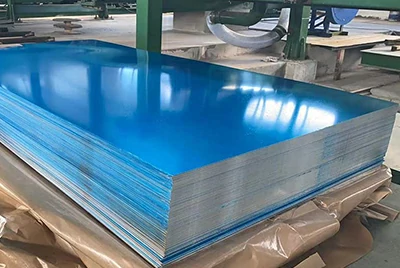
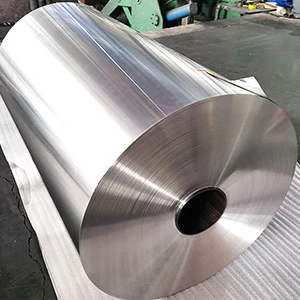
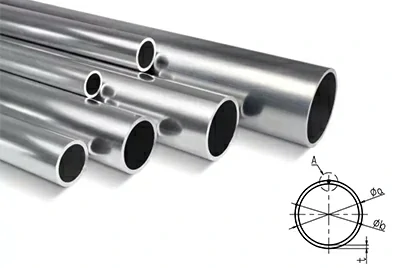
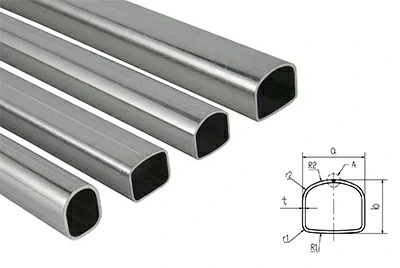
Chalco supplies 1350 EC grade electrical aluminum busbars for switchgear, transformers, power distribution systems, and industrial electrical connections, with 1370 aluminum busbar options for projects specifying that alloy. We support conductor selection based on the required section, temper, electrical acceptance criteria, and equipment layout.
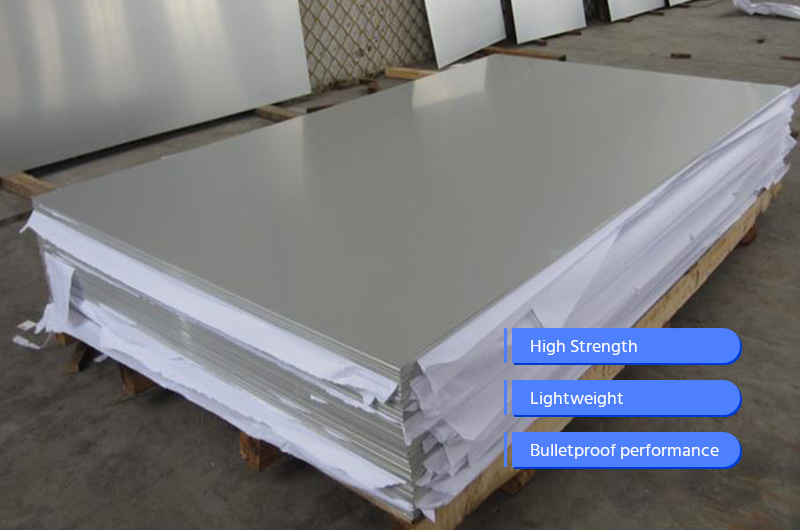
Within Chalco's broader electrical aluminum busbar product range, supply options for 1350/1370 projects include straight rectangular busbar sections and selected custom profiles, with cutting, drilling, bending, contact finishing, and insulation coordinated to approved drawings. Share the alloy, temper, thickness × width × length, current requirements, connections, and order quantity for a project-specific quotation.
Instant Quote
1350 & 1370 Aluminum Busbar Specifications & Sizes
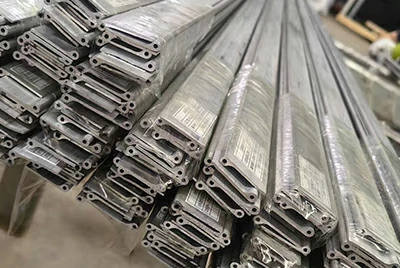
Available 1350 EC grade aluminium busbars include rectangular sections and selected custom profiles. Choose the alloy, temper, dimensions and fabrication requirements that match your electrical equipment drawings; 1370 is available for projects specifying that material.
Material: 1350 electrical-grade aluminum busbar; 1370 aluminum conductor options for specified projects.
Applicable Temper / Form: For 1350 busbars to ASTM B236/B236M: H12 rolled, H111 extruded, and H112 rolled with sawn edges. Other conditions and 1370 options depend on the applicable product standard and form.
Section: Rectangular flat bar, with selected rounded-edge or drawing-based profiles.
Reference Width: 10–200 mm, depending on alloy, section, and manufacturing route.
Reference Thickness: 0.15–40 mm across selected stock forms. Sheet/strip-derived parts and bar products follow different tolerance requirements.
Reference Length: Up to 6,000 mm for applicable straight-length products, subject to section, processing, and logistics.
Fabrication: Cutting, drilling, bending, contact finishing, and insulation according to approved drawings.
Critical Order Details: Alloy, temper, dimensions, tolerances, hole pattern, bend details, electrical requirements, finish, and quantity.
Representative Aluminum Busbar Sizes
Representative flat busbar dimensions are listed below. Other sizes and tolerances can be quoted according to the alloy, temper, section and manufacturing route.
| Thickness (mm) | Representative widths (mm) |
| 3 | 20, 30, 40, 50 |
| 5 | 20, 30, 40, 60 |
| 6 | 20, 30, 50, 80, 100 |
| 8 | 30, 40, 50, 80, 100 |
| 10 | 30, 40, 50, 80, 100 |
| 12 | 30, 40, 50, 80, 100 |
| 15 | 30, 50, 80, 100 |
| 20 | 76, 100, 120, 130 |
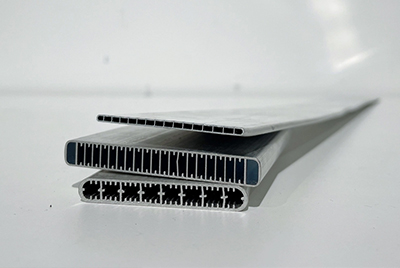
Custom Profiles: Rectangular, rounded-edge and drawing-based busbar sections are available for electrical connections. Specify the section drawing and required edge finish for quotation.
Dimensional Tolerances: Width, thickness, length, straightness, hole positions and bend geometry are specified according to the product form, applicable standard and approved drawing. ASTM B236/B236M requirements apply to qualifying 1350 rolled and extruded busbars.
Send your required dimensions and drawing to confirm the suitable stock form, available temper, and manufacturing tolerances.
1350 Aluminum Busbar Electrical Properties & Current Sizing
For 1350 EC grade aluminum busbar purchases, electrical conductivity and resistivity determine material acceptance and influence conductor-loss estimates. The required temper, mechanical behavior, and section dimensions also affect bending, mounting, and connection design. For 1370 orders, confirm the requested alloy specification and electrical criteria separately rather than treating both grades as one guaranteed property range.
| Electrical / Material Property | 1350 Busbar Reference | Application & Selection |
| Electrical conductivity / resistivity | For applicable 1350 busbars, earlier ASTM B236/B236M editions specify at least 61.0% IACS conductivity and no more than 0.0283 Ω·mm²/m resistivity at 20°C. The purchase specification determines the required acceptance values. | Conductivity requirements are used to evaluate conductor losses and verify material performance for the specified electrical duty. |
| Temper & mechanical requirements | 1350 H12, H111 and H112 are specified for the applicable rolled or extruded products under ASTM B236/B236M. Confirm 1370 material conditions against the project specification. | Temper and section are selected to suit bending, mounting and mechanical loading requirements. |
| Density | Approximately 2.70 g/cm³ (typical aluminum reference). | Suitable for estimating busbar weight, handling loads and order quantities. |
| Section & connection layout | Thickness, width, length, hole pattern, mating surfaces and joint configuration according to drawings. | Section and connection details influence resistance, temperature rise and assembly fit. |
Electrical Acceptance: Final conductivity and resistivity requirements are agreed by alloy, temper, test temperature and applicable standard edition. For specified electrical-contact or bimetallic designs, compare conductor material options in the copper, aluminum and CCA busbar comparison.
Current Density & Conductor Sizing: For rectangular busbars, cross-sectional area (mm²) = thickness × width and current density (A/mm²) = current ÷ cross-sectional area. Conductor dimensions are selected against the project's temperature-rise limit, enclosure, ambient conditions, spacing, duty cycle and joint design. See the busbar selection guide for system-level arrangements.
Weight reference: Using 2.70 g/cm³ for a preliminary calculation, theoretical mass (kg/m) ≈ thickness (mm) × width (mm) × 0.00270, before machining or surface finishes.
Share the specified current, electrical acceptance criteria, operating conditions, desired temper, and proposed section so Chalco can assess conductor supply and drawing-based fabrication.
Custom Aluminum Busbar Fabrication & Surface Finishing
Chalco supports drawing-based 1350 electrical aluminum busbar fabrication and selected 1370 conductor projects, including cut-to-length sections, hole machining, bending, contact finishing and insulation. Processing requirements are matched to the alloy, temper, section dimensions, connection layout, and batch quantity.
Cutting & Hole Machining: Cut-to-length sections, drilled connection holes and machined contact surfaces are produced to specified dimensions and tolerances. Additional machining options are outlined under CNC aluminum machining.
Bending & Forming: Straight, bent and offset sections can be manufactured to drawings. Bend radius and dimensional requirements are checked against the selected alloy, temper, thickness and bending direction.
Electrical Joint & Contact Finishing: Tin and silver plating are available for selected contact interfaces, according to the required surface and connection design. Specify mating metals, contact areas, hole patterns and acceptance requirements; see tin plating and aluminum, copper and bimetal terminal connections for related finishing and connection options.
Insulation & Protective Options: Insulating coatings and sleeves can be specified for electrical isolation and environmental protection. Share the required insulation material, coverage, thickness and testing criteria; insulated aluminum busbars are also available for projects requiring a fully insulated configuration.
Drawing-Based Production: Provide 2D/3D drawings, conductor dimensions, mounting-hole layout, proposed connection surfaces, finish requirements and quantity for manufacturability review.
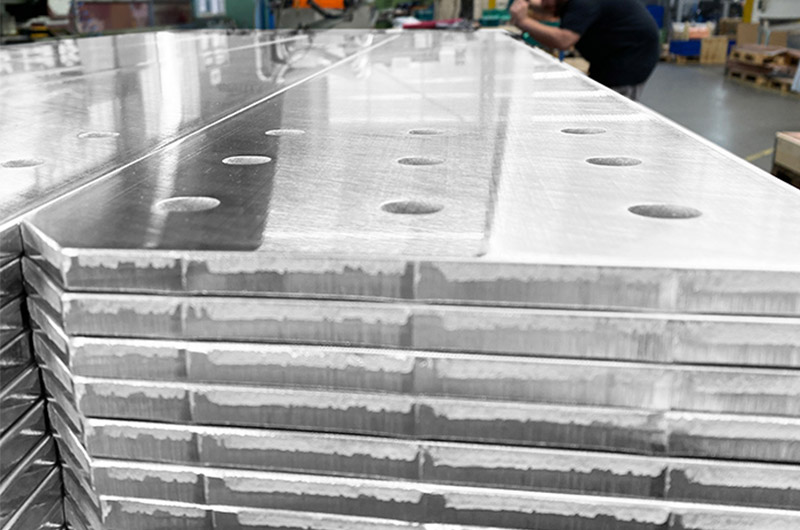
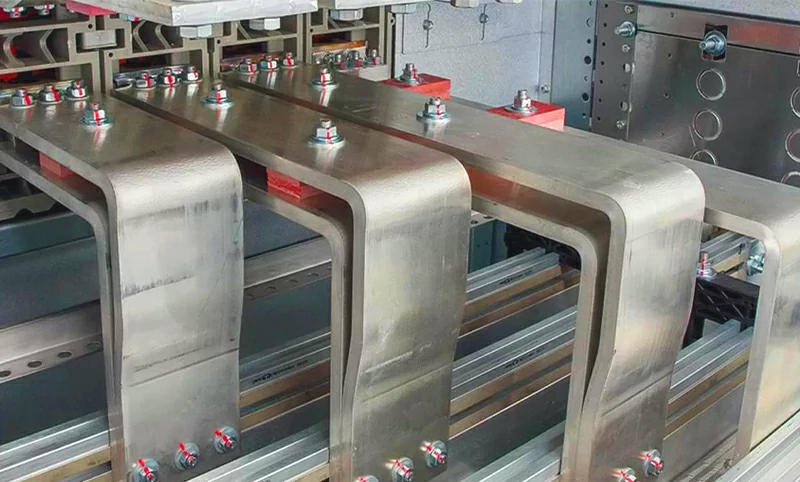
Send us your busbar drawings, required dimensions, bending details, contact finish, and order quantity to review custom fabrication options for 1350 and 1370 aluminum busbars.
1350 Electrical Aluminum Busbar Applications
1350 EC grade aluminum busbars serve industrial electrical systems where current-carrying conductors must meet defined section, joint, installation and temperature-rise requirements. 1370 may be supplied when the project specifies that alloy and its acceptance conditions.
Switchgear & Power Distribution: 1350 busbar conductors are used for current distribution in switchboards and electrical cabinets. Connection-hole patterns, phase spacing and contact surfaces are matched to the equipment design and busbar connector assemblies.
Transformers & Electrical Equipment: Straight or formed conductors connect transformer terminals and electrical equipment with specified dimensions and electrical acceptance requirements. Flexible busbar connections can accommodate movement or vibration where required by the joint design.
Busway & Industrial Power Systems: Flat and formed 1350 conductor sections are supplied for industrial distribution equipment, with section size, joint arrangement and temperature-rise limits determined by the application. See related power busbar system solutions.
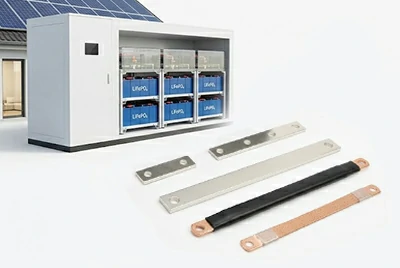
Renewable Energy & Power Conversion: Busbar sections are used in specified power-conversion and distribution assemblies, with insulation, contact finish and mounting details matched to project drawings. For energy-storage equipment, see battery busbar solutions.

Send your application details, required current, conductor dimensions and installation drawings to discuss suitable 1350 or 1370 busbar supply options.
1350 & 1370 Aluminum Busbar Quality Assurance & Supply
Chalco provides quality inspection, material traceability, and coordinated supply for 1350 EC grade aluminum busbars and specified 1370 conductor products. Quality control covers alloy conformity, electrical performance, dimensional accuracy, and finished-part requirements.
- Material Verification: Alloy composition, temper identification, and batch traceability according to the applicable material specification.
- Electrical Testing: Conductivity or resistivity testing against agreed acceptance criteria and measurement conditions.
- Dimensional Inspection: Thickness, width, length, straightness, hole positions, bend geometry, and contact-surface quality checked against approved drawings.
- Surface & Insulation Inspection: Plating, coating, and insulation coverage inspected according to the specified finishing requirements.
- Certificates & Traceability: MTC/MTR, CoC, and relevant inspection records available according to order requirements. Third-party inspection can be arranged when specified.
- Supply & Delivery: Production coordination, protective packaging, and shipment arrangements for straight busbars and drawing-based fabricated components.
Applicable Standards: ASTM B236/B236M applies to specified 1350 electrical busbar products, including relevant rolled and extruded forms. For 1370 conductors, the applicable material standard and inspection requirements are determined by the ordered product form and specification.
Chalco supports consistent quality documentation and delivery coordination for OEM production and industrial electrical equipment projects.
1350 & 1370 Aluminum Busbar FAQs
Q1: What is the difference between 1350 and 1370 aluminum busbars?
1350 is a recognized EC grade for electrical busbars, with specific product requirements under ASTM B236/B236M. 1370 is a separate aluminum grade available for projects that specify its chemistry, form and electrical acceptance criteria. Neither grade should be assumed to outperform the other in every temper or installation; specify the required standard, conductivity and fabrication details.
Q2: Which 1350 temper should be specified for an electrical busbar?
For orders applying ASTM B236/B236M, H12, H111 and H112 correspond to specified rolled or extruded busbar forms. Select the condition according to the purchase standard, required bends, strength and installation design; confirm available production routes before ordering.
Q3: How should aluminum busbar cross-section and current density be selected?
Use the required current and conductor section for preliminary comparison, then verify the permitted temperature rise, ambient and enclosure conditions, joint resistance and mounting arrangement. No single current-density number guarantees ampacity for every application.
Q4: Can Chalco supply custom-drilled, bent, tin-plated or insulated busbars?
Chalco supports drawing-based cutting, hole machining, bending and selected surface or insulation options, with feasibility and acceptance requirements matched to the material, section and project.
Q5: What details are needed for a 1350 or 1370 aluminum busbar quotation?
Provide alloy and temper, thickness × width × length, required current or electrical acceptance value, hole and bend drawings, finish or insulation, standards, quantity, destination and requested certificates.
Related Aluminum Busbar Products
6101 Aluminum Busbar
1060 Aluminum Busbar
6060 Aluminum Busbar
6082 Aluminum Busbar
6061 Aluminum Busbar
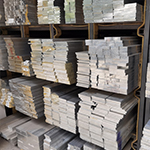
6063 Aluminum Busbar
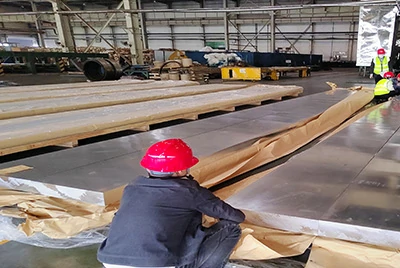
Large Plate-Cut Aluminum Busbar
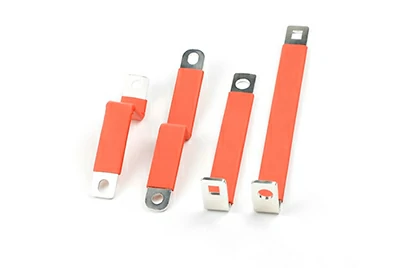
Tin Plated Aluminum Busbar
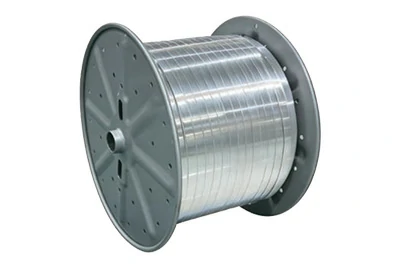
Coiled Aluminum Busbar
Get a Quote for Custom 1350 Aluminum Busbars
Chalco provides quotations for 1350 EC grade aluminum busbars and custom 1370 conductor orders. Share your specifications and purchasing requirements to receive a quotation tailored to your project.
Quotation Information:
- Material: 1350 or 1370 alloy, temper, and required standard.
- Size & Quantity: Thickness × width × length, tolerances, and order volume.
- Drawings: Hole layout, bending details, connection surfaces, and other custom machining requirements.
- Electrical Requirements: Design current, conductivity requirements, and operating conditions.
- Finishing & Delivery: Plating, insulation, destination, and required delivery date.
Send your RFQ or drawings to our sales team for pricing, availability, and lead-time confirmation.
Send Chalco your 1350 or 1370 busbar specifications, drawings and order quantity. Our sales team will review material availability, fabrication requirements and quotation details.
Get a quote