Henan Chalco supplies honeycomb cores, sandwich panels, and engineered honeycomb solutions for aerospace, transportation, architecture, composite structures, and industrial equipment.
Available materials include 3003, 5052, 5056, and 5A12 aluminum honeycomb, aramid honeycomb, and stainless steel honeycomb, with cell size, density, core thickness, supply form, face sheets, and processing options tailored to project requirements.
If you already have drawings or technical specifications, send the material/alloy, cell size, density, foil thickness, L × W × T, quantity, application, and required standard. Chalco can then recommend a suitable product and provide a quotation and supply plan.
Find the Right Honeycomb
-
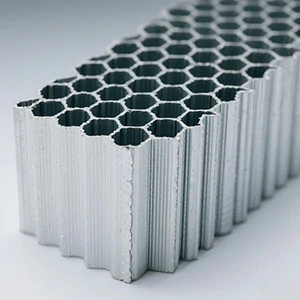
Aluminum, aramid, and stainless steel honeycomb cores, including 3003, 5052, 5056, and 5A12.
-
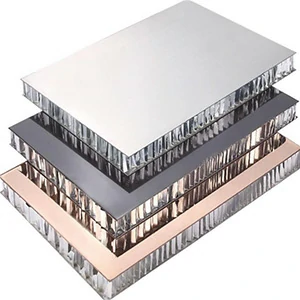
Aluminum, CFRP, GFRP, aramid, stainless steel, stone, and decorative honeycomb panels.
-
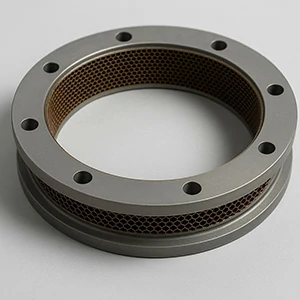
High-temperature honeycomb, energy-absorption honeycomb, EMI/RFI ventilation panels, and metal honeycomb seals.
-
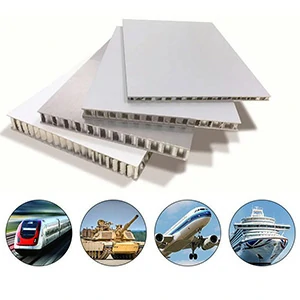
Aerospace, transportation, marine, architectural, and EMI/RFI applications
-
Cut-to-size parts, formed parts, machining, samples, and drawing-based projects.
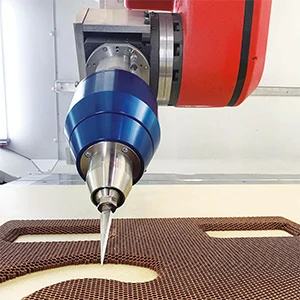
Honeycomb Core Materials
Honeycomb core material directly affects weight, structural performance, temperature resistance, corrosion resistance, electrical behavior, and the design of the finished sandwich panel.
Henan Chalco supplies aluminum, aramid, and stainless steel honeycomb cores.
Aluminum honeycomb core
Aluminum honeycomb core is one of Chalco's main honeycomb core product lines for aerospace, transportation, architecture, composite sandwich panels, and industrial structures.
Available alloys include 5052, 3003, 5056, and 5A12. Specifications can be further defined by cell size, density, foil thickness, core thickness, cell configuration, and expanded or unexpanded supply form.
Related guide: 3003 vs 5052 Aluminum Honeycomb Core
-
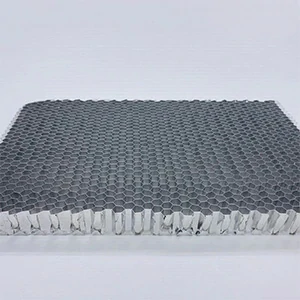
Application: Aerospace, transportation, high-performance sandwich structures
Lightweight, corrosion-resistant honeycomb core for structural and aerospace sandwich applications.
-
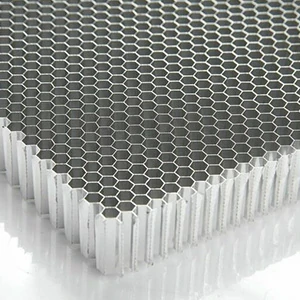
Application: Commercial panels, building, doors, general industrial structures
Cost-effective honeycomb core with good formability for commercial and general industrial panels.
-
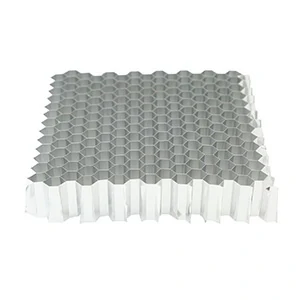
Application: Aerospace, marine, demanding structural applications
High-performance honeycomb core for aerospace, marine and demanding structural applications.
-
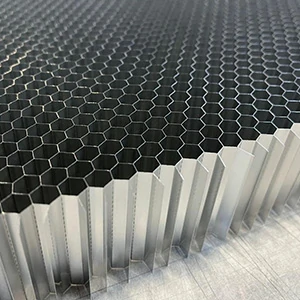
Application: Aerospace and specification-driven structural projects
Aerospace honeycomb core for drawing- and specification-driven structural projects.
- Cell Size: 0.86–25.4 mm
- Core Thickness: 1.5–200 mm
- Common Sheet Sizes: 1220 × 2440 / 3050 / 3660 mm
- Large Sheet Size: Up to 2540 × 3658 mm
- Typical Project Sizes: 3.2–6.4 mm cell | 1000–1250 mm wide | Up to 2500 mm long | Custom shapes
Aramid / Nomex honeycomb core
Aramid honeycomb core is lightweight, nonmetallic, and electrically insulating, making it especially suitable for lightweight sandwich structures with CFRP, GFRP, and other composite face sheets.
Related guide: Aluminum Honeycomb Core vs Aramid Honeycomb Core
Aramid / Nomex Honeycomb Core
Aramid honeycomb core is lightweight, electrically insulating, and compatible with CFRP and GFRP face sheets, making it suitable for aerospace and composite sandwich structures.
Contact Us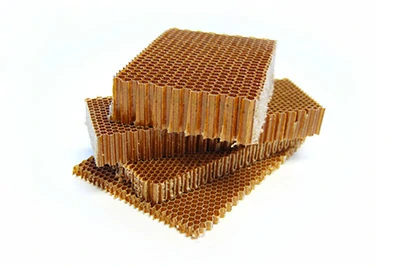
- Cell Diameter: 3.2 / 4.3 / 4.8 / 6.4 / 7.8 / 9.6 mm
- Density: 29–144 kg/m³
- Standard Block: 2440 × 1220 × 914 mm
- Minimum Thickness: 1.2 mm
- Typical Project Sizes: 2000 × 2000 × 3.5 mm, 96 kg/m³ — custom feasibility requires confirmation
Stainless steel honeycomb core
Stainless steel honeycomb core is well suited to high-temperature and corrosive environments, EMI shielding, airflow and flow-control applications, and other industrial uses that require an all-metal honeycomb structure.
Stainless Steel Honeycomb Core
Stainless steel honeycomb core offers excellent heat and corrosion resistance for high-temperature, EMI shielding, airflow, and demanding industrial applications.
Contact Us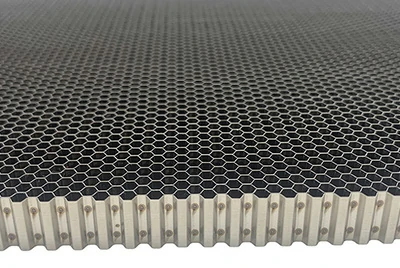
- Cell Size: 0.8–25 mm
- Standard Block Sizes: 60 × 60 / 120 × 120 / 300 × 300 / 600 × 600 / 1000 × 1000 mm
- Standard Thicknesses: 6.35 / 12.7 / 25.4 / 30 / 40 / 45 mm
- Custom Thickness: Confirmed according to cell size and structural requirements.
Honeycomb Sandwich Panels
Honeycomb sandwich panels consist of a face sheet + honeycomb core + face sheet, providing high panel stiffness at low weight for aerospace, transportation, marine, architectural, and industrial structures.
Chalco supplies honeycomb sandwich panels with aluminum, carbon fiber, fiberglass, aramid, stainless steel, stone, and other face-sheet options. Panel selection can be based on total thickness, face-sheet material, core material, surface finish, and application.
Related guide: Honeycomb Core Joining Methods
- Common Panel Size: 1220 × 2440 mm (4 × 8 ft)
- Other Common Sizes: 1220 × 3050 / 1250 × 2500 / 1500 × 3000 mm
- Typical Panel Thickness: 7–50 mm, depending on panel construction
- Large Panel Size: Up to 1500 × 4000 mm for selected panel types
- Typical Project Sizes: 1220 × 2440 mm (4 × 8 ft) | 1250 × 2500 mm | 1500 × 3000 mm | Custom sizes
Related guide: 4×8 Aluminum Honeycomb Panel
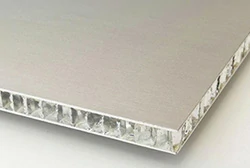
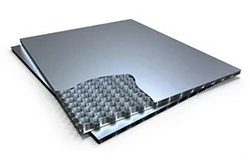
Aluminum Honeycomb Panel
Lightweight,High Rigidity,Corrosion Resistant
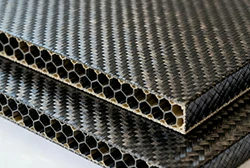
Carbon Fiber Honeycomb Panel
High Stiffness,Lightweight,CFRP Facing
Fiberglass Honeycomb Panel
Corrosion Resistant,Insulating,GFRP Facing
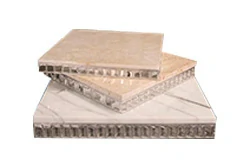
Stone Honeycomb Panel
Lightweight Stone,High Rigidity,Architectural
Aramid Honeycomb Panel
Ultra Lightweight,Insulating,Composite Compatible
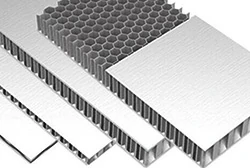
Stainless Steel Honeycomb Panel
High Temperature,Corrosion Resistant,Durable
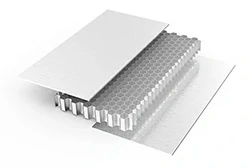
Brazed Aluminum Honeycomb Panel
All Metal,Brazed,Heat Resistant
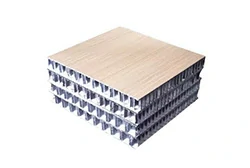
Decorative Aluminum Honeycomb Panel
Decorative,Lightweight,Custom Finish
Engineered & Functional Honeycomb Solutions
Beyond standard honeycomb cores and sandwich panels, some projects have specific requirements for temperature resistance, impact energy absorption, EMI/RFI shielding, airflow, or sealing performance.
Chalco can provide engineered honeycomb solutions based on operating conditions, structural design, and functional requirements.
High-Temperature Honeycomb
High-temperature honeycomb options include aluminum, stainless steel, and nickel-based alloy honeycomb for more demanding thermal environments, including thermal protection, industrial equipment, engines, and other high-temperature structures.
High-temperature honeycomb is not a single material; the appropriate metallic honeycomb is selected according to service temperature, operating environment, and joining method.
Contact Us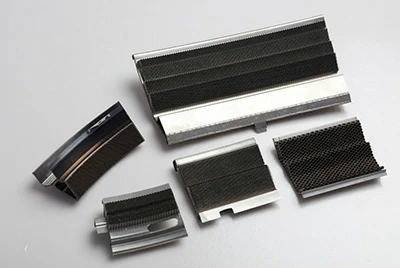
- Cell Size: D0.8 / D1.6 / D2.5 / D3.2 mm
- Foil Thickness: 0.025–0.28 mm
- Overall Size: Custom to drawing and application
Energy Absorption Honeycomb
Energy absorption honeycomb is used in aerospace, transportation, protective structures, and other impact-protection applications. Key selection factors include crushing load, cell geometry, density, and core thickness.
Energy-absorption honeycomb uses the controlled-crushing behavior of the honeycomb structure to absorb energy under impact or compression.
Contact Us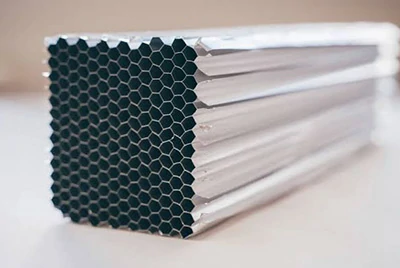
- Cell Size: Microcell <1 mm | Conventional 1–5 mm
- Wall Thickness: Aluminum 0.04–0.15 mm | Steel up to 0.381 mm
- Overall Size: Custom sizes; large structures ≥5 m available
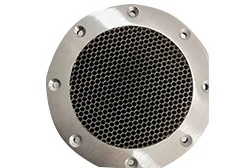
Honeycomb Vent Panel
Honeycomb vent panels use the cellular structure to maintain airflow while providing EMI/RFI shielding, making them suitable for electronic equipment, cabinets, communications systems, and industrial controls.
Contact Us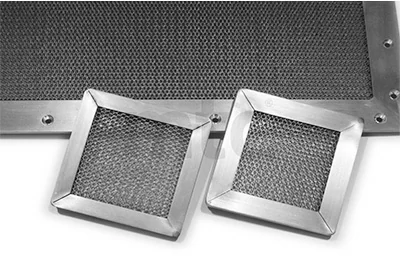
- Cell Size: 1.6 / 3.2 / 4.8 / 6.4 mm
- Core Thickness: 6–100 mm
- Panel / Frame Size: Custom to equipment opening
Metal Honeycomb Seal
Metal honeycomb seals are mainly used in turbines, compressors, and engine sealing systems, where the honeycomb works with rotating components to control clearances and leakage.
Contact Us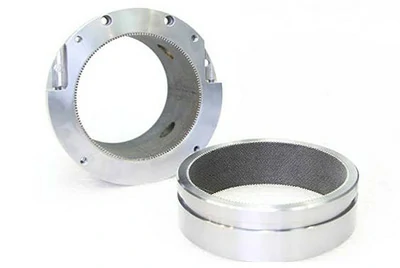
- Cell Size: D0.8 / D1.6 / D2.5 / D3.2 mm
- Foil Thickness: 0.030–0.270 mm
- Overall Size / Height: Custom to drawing
- Forms: Ring / strip / segmented
Choose Honeycomb by Application
If you know the application but have not yet selected the alloy, cell size, or panel construction, start with the application requirements.
Different applications place different demands on weight, strength, corrosion resistance, processing, surface finish, and installation design.
Aerospace & Aircraft
Aerospace structures typically require a balance between low weight and structural performance. Key selection parameters include material grade, density, cell size, foil thickness, core thickness, surface treatment, and applicable standards.
Common materials include 5052, 5056, and 5A12 aluminum honeycomb, as well as aramid honeycomb.
Contact Us
5052 and 5056 aluminum honeycomb are widely used in aerospace structures and sandwich panels. 5A12 aluminum honeycomb can be considered for projects with higher strength and structural requirements, while aramid honeycomb is better suited to composite structures where weight reduction is critical.
Recommended Products:
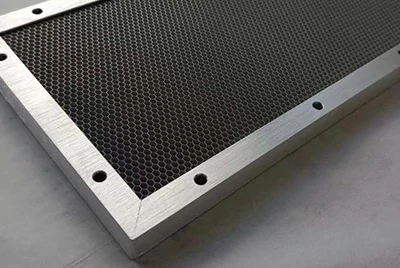
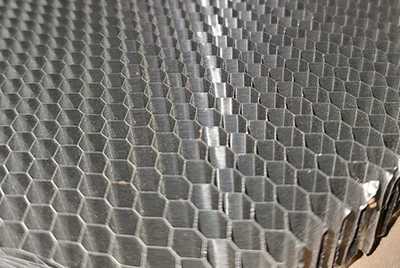
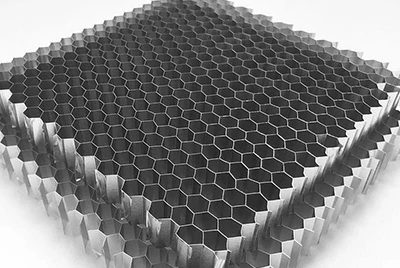
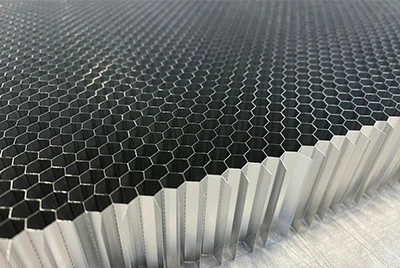
If drawings, AMS/HB specifications, PAA requirements, or mechanical requirements are available, selection can be based directly on the technical documentation. If the specification is not yet complete, the material can first be narrowed down by application and target performance.
Transportation & Motorsport
Vehicle floors, body structures, motorsport components, and other transportation applications typically require a balance of weight, stiffness, impact performance, and machinability.
Lightweight honeycomb structures for vehicle floors, body panels and motorsport parts.
Contact Us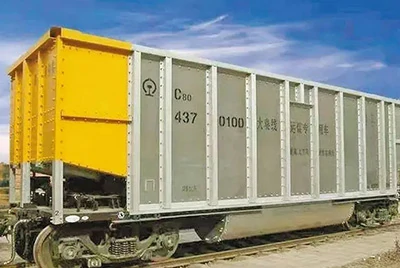
For general structures, 3003 or 5052 aluminum honeycomb is a practical starting point. Projects with higher structural-performance and weight-reduction requirements can also consider 5056 honeycomb or CFRP/GFRP honeycomb sandwich panels.
Recommended Products:
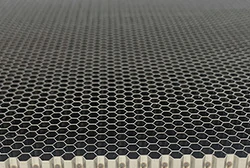
3003 Aluminum Honeycomb
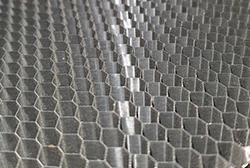
5052 Aluminum Honeycomb
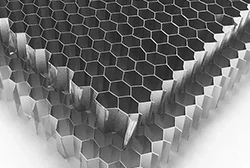
5056 Aluminum Honeycomb
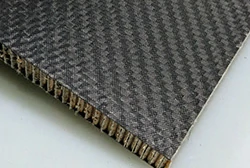
Carbon Fiber Honeycomb Panel
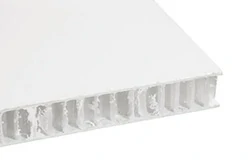
Fiberglass Honeycomb Panel
Provide the component application, panel thickness, load requirements, and installation method to help determine whether a bare honeycomb core or a complete sandwich panel is the better fit.
Marine & Yacht
Marine and yacht projects require not only low weight but also careful consideration of corrosion, moisture exposure, bonding, and edge sealing.
Corrosion-resistant honeycomb solutions for lightweight marine and yacht structures.
Contact Us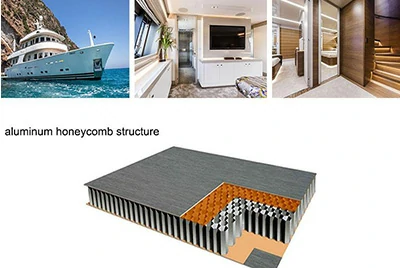
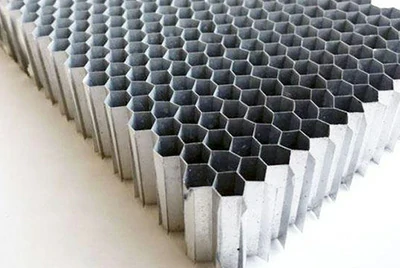
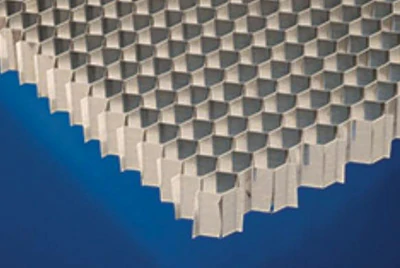
5052 and 5056 aluminum honeycomb suit projects that require corrosion resistance and structural performance, while GFRP/aluminum sandwich panels are suitable for bulkheads, interiors, and other lightweight structures that require a complete panel system.
Recommended Products:
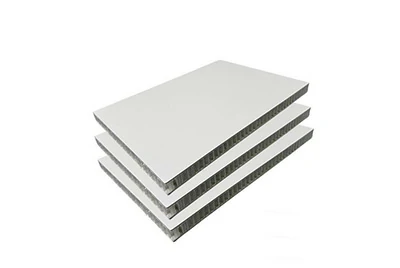
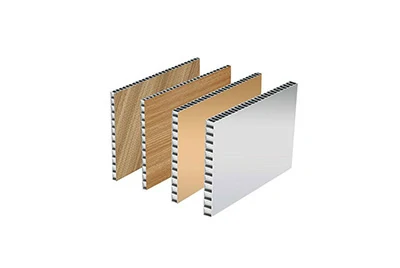
When requesting a recommendation, specify the installation location, long-term exposure conditions, and whether you need a bare core or finished panel so that material, bonding, and edge protection can be evaluated together.
Walls, Ceilings, Floors & Architecture
Wall, ceiling, floor, curtain-wall, and architectural finishing projects typically use finished honeycomb panels rather than bare honeycomb core.
Lightweight honeycomb panels for walls, ceilings, floors and façades.
Contact Us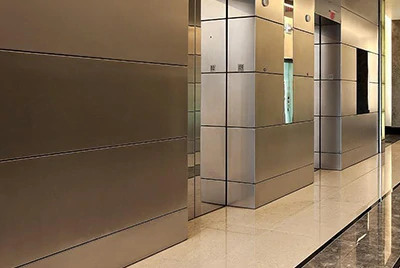
Start by confirming panel size, total thickness, face-sheet material, surface finish, fire requirements, and installation method, then select the appropriate aluminum, decorative, or stone honeycomb panel.
Recommended Products:
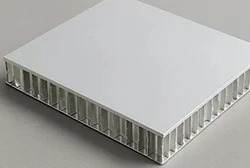
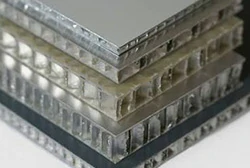
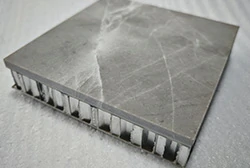
If architectural drawings or a panel schedule are available, send the dimensions, finish requirements, installation method, and fire requirements to speed up selection of the complete panel construction.
EMI/RFI Ventilation
Electronic equipment, communications systems, and industrial enclosures often require both airflow and EMI/RFI shielding. Honeycomb vent panels can provide ventilation and electromagnetic shielding in the same assembly.
Honeycomb vent panels for airflow and EMI/RFI shielding.
Contact Us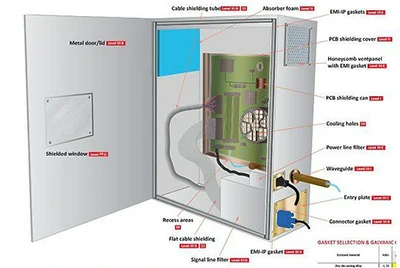
Key selection parameters include cell size, vent thickness, airflow, shielding requirements, frame size, and equipment opening dimensions.
Recommended Products:
-
 Honeycomb Vent Panel
Uses a honeycomb cell structure to maintain airflow while providing EMI/RFI shielding, with customization available for equipment openings, frames, and mounting structures.
If the equipment opening size, target airflow, or shielding requirements are already defined, provide these details so the vent size, cell configuration, and mounting structure can be matched accordingly.
Why Use Honeycomb Structures?
Honeycomb structures are not simply about being lighter or stronger. A sandwich construction of face sheets + lightweight core increases panel stiffness and overall structural efficiency while controlling weight.
For aerospace, transportation, composite structures, architecture, and industrial equipment, honeycomb is particularly useful when weight, stiffness, face-sheet support, or functional performance are key design requirements.
| Design Need | How Honeycomb Helps |
| Reduce structural weight | Replace solid material with a lightweight honeycomb core to reduce overall weight while maintaining structural depth. |
| Increase panel stiffness | Separate the upper and lower face sheets to increase sandwich-panel bending stiffness. |
| Support thin face sheets | Smaller cell sizes provide more uniform support for aluminum, CFRP, or GFRP face sheets. |
| Absorb impact energy | Honeycomb cells deform progressively under compression, enabling controlled crushing and energy absorption. |
| Meet environmental requirements | Select aluminum, aramid, stainless steel, or other metallic honeycomb according to temperature, corrosion, and electrical requirements. |
| Add functional performance | Special honeycomb structures can also provide airflow, EMI/RFI shielding, ventilation, and sealing functions. |
The performance advantage of honeycomb usually comes from the complete sandwich system, not from the core alone.
Honeycomb is therefore not a direct replacement for solid plate, foam core, or other structures in every application.
Suitability should be evaluated against target weight, loads, service environment, processing method, and final panel construction.
Honeycomb Types & Cell Configurations
In addition to material, cell size, and density, cell configuration affects honeycomb-core formability, directional behavior, face-sheet support, and functional performance.
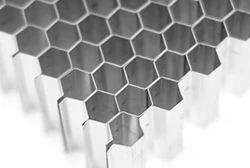
Common configurations include standard hexagonal, over-expanded, flexible, and perforated honeycomb.
| Configuration | Main Characteristic | Best Suited For |
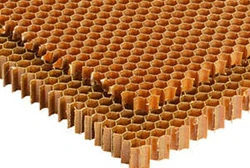
| Standard Hexagonal Honeycomb | The most common hexagonal cell, offering stable geometry and a broad specification range. | Flat sandwich panels, general structural parts, transportation, and architecture. |
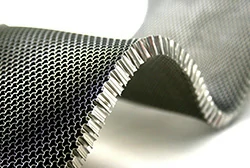
| Over-Expanded Honeycomb | The cells are further expanded in one direction, increasing directional behavior and formability. | Curved panels, cylindrical structures, formed components |
| Flexible Honeycomb / Flex Core | Can bend in multiple directions to conform to complex curved surfaces. | Double-curved surfaces, radomes, fairings, complex composite parts |
| Perforated Honeycomb | Perforated cell walls improve internal gas flow and pressure equalization. | Aerospace panels, vented structures, bonding / pressure-equalization applications |
| Engineered Cell Configurations | Special cell geometries designed for structural or functional requirements. | EMI, flow control, energy absorption, special formed parts |
Expanded / Unexpanded Supply
Aluminum honeycomb can be supplied expanded for direct cutting, bonding, and machining, or as unexpanded aluminum honeycomb core (HOBE) to reduce shipping and storage volume and support downstream expansion.
For structural honeycomb, confirm the L/W orientation (ribbon/transverse direction), because shear performance is directional.
Standard Hexagonal Honeycomb
Over-Expanded Honeycomb
Flexible Honeycomb
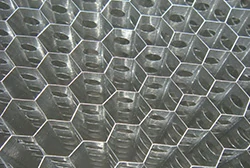
Perforated Honeycomb
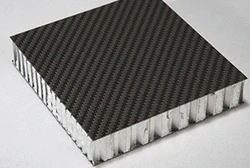
Other Engineered Cell Configurations
Honeycomb Machining & Custom Parts
In addition to standard sheets, blocks, and panels, honeycomb can be processed to custom sizes and shapes from drawings for direct assembly or subsequent sandwich-panel production.
Cut-to-Size Honeycomb
Aluminum, aramid, or metallic honeycomb can be cut to the specified length × width × thickness, reducing downstream trimming and material waste.
Circular & Cylindrical Honeycomb
For circular, cylindrical, annular, or curved parts, machining can be evaluated based on diameter, height, cell orientation, and final assembly method.
Curved & Formed Honeycomb
Over-expanded honeycomb, flexible honeycomb, and selected aluminum honeycomb configurations can be used for curved panels, single-curved parts, and complex formed structures.
Perforation & Special Configurations
Perforation, cell configuration, and localized processing can be evaluated for airflow, pressure equalization, bonding, or other functional requirements.
Built to Drawing
For parts with holes, slots, cutouts, tight tolerances, inserts, or complex contours, send the drawing for evaluation.
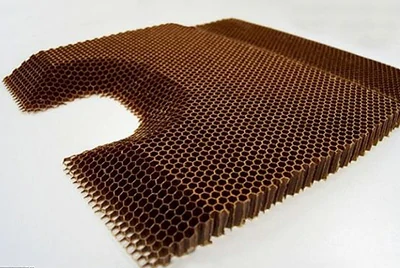
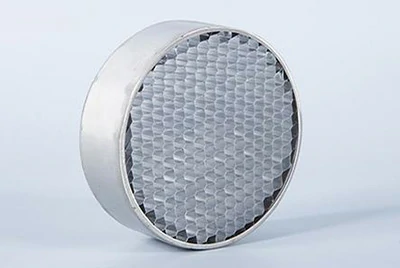
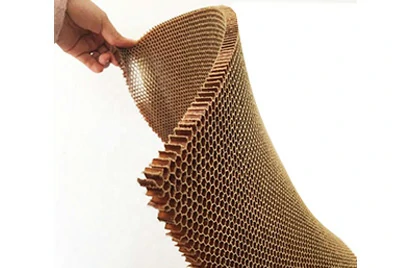
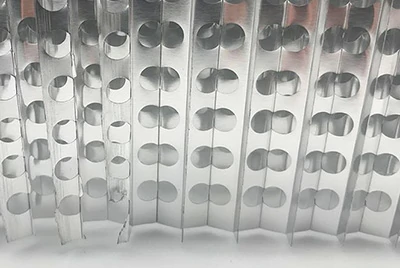
Chalco can evaluate machinability and supply options based on material, cell size, core thickness, cell orientation, overall dimensions, and tolerance requirements.
Samples, Technical Documents & Project Supply
For R&D, validation, and new projects, Chalco can evaluate samples, prototype quantities, and subsequent production supply based on the honeycomb material, specification, and processing requirements.
Samples & Prototypes
Small samples or prototype pieces are available for selected aluminum, aramid, and honeycomb-panel specifications for bonding, machining, fit-up, or preliminary performance validation.
Sample size and quantity depend on material, cell size, density, thickness, and current availability. Special specifications require separate confirmation.
MOQ: Confirmed according to material, specification, and processing requirements; sample and prototype quantities can be evaluated separately from production orders.
Technical Data & Test Documents
Depending on the product and project requirements, the following documents or data can be provided or confirmed:
- TDS / Product Datasheet
- Density and dimensional data
- Compression / shear / crush data
- Material certificate / inspection document
- Applicable AMS / MIL / HB or project specification
Project & Production Supply
From prototype through production quantities, provide drawings, specifications, quantity, required documents, and delivery destination as early as possible.
For aerospace, transportation, and other specification-driven projects, product specifications, testing requirements, documentation, and production-supply conditions can be confirmed during quotation.
Honeycomb Price & Availability
Honeycomb pricing and availability depend on the complete specification, not just the material or sheet size.
Key factors affecting a quotation include:
- Material / Alloy: 3003, 5052, 5056, aramid, stainless steel, etc.
- Core Specification: cell size, density, foil thickness, core thickness
- Product Form: expanded / unexpanded, bare core, or sandwich panel.
- Panel Construction: face sheet, surface finish, bonding / brazing
- Processing: cut-to-size, forming, perforation, machining, or built-to-drawing.
- Quantity: sample, prototype, small batch, or production order.
- Documents & Testing: specification, inspection, testing, or certification requirements.
Availability and lead time can differ between standard and custom specifications. Stock/production status, estimated lead time, and international shipping options can be confirmed with the quotation.
For projects requiring a specific alloy, density, PAA treatment, special cell configuration, or custom machining, production conditions and lead time should be confirmed during quotation.
If you already have a specification or drawing, send the size + material + quantity + destination. Include any required Incoterm or delivery requirements so pricing, availability, and delivery options can be confirmed more quickly.
Request a Honeycomb Quote
Whether you need bare honeycomb core or finished honeycomb panels, send your existing specification, drawing, or project requirements.
Even if the specification is not yet complete, you can start with the application and known dimensions, and Henan Chalco can help refine the requirements.
Honeycomb Core
- Material / Alloy: 3003 / 5052 / 5056 / aramid / stainless steel / other
- Size: length × width × core thickness
- Cell Size: if specified
- Density / Foil Thickness: if specified
- Supply Form: expanded / unexpanded
- Quantity: required quantity
- Delivery Destination / Incoterm: if specified
Honeycomb Sandwich Panel
- Panel Size: length × width × total thickness
- Core: material / cell size / density
- Face Sheets: material + thickness
- Surface Finish: if required
- Bonding: adhesive bonded / brazed, if specified
- Quantity: required quantity
- Delivery Destination / Incoterm: if specified
Include any drawings, standards, test requirements, fire requirements, machining needs, and delivery destination to speed up product selection, pricing, and lead-time confirmation.
Honeycomb Material FAQ
What material is honeycomb made of?
Common honeycomb core materials include aluminum, aramid, stainless steel, and other metallic materials. Each material suits different weight, temperature, corrosion-resistance, and structural requirements.
What are the most common honeycomb core materials?
For lightweight sandwich structures, aluminum honeycomb and aramid honeycomb are the most common choices. Stainless steel or other metallic honeycomb may be used for high-temperature, EMI, flow-control, or demanding industrial environments.
What is the difference between honeycomb core and honeycomb panel?
Honeycomb core is the internal cellular core material, while a honeycomb panel consists of a face sheet + honeycomb core + face sheet to form a finished sandwich panel for structural or decorative use.
How do I choose honeycomb cell size and density?
Cell size and density should be selected according to weight, load, face-sheet support, core thickness, and processing requirements. Smaller cells generally provide denser face-sheet support, while higher density increases weight and changes mechanical performance.
What is the difference between expanded and unexpanded honeycomb?
Expanded honeycomb is already opened to its final cellular form for direct machining or bonding. Unexpanded honeycomb, or HOBE, remains compact for easier shipping, storage, and downstream expansion.
Can honeycomb core be cut or machined to custom shapes?
Yes. Depending on the material and structural requirements, options can include cut-to-size parts, circular parts, curved shapes, perforation, slots, and drawing-based machining.
Can I order a small sample before production?
Samples or prototype quantities can be evaluated for selected specifications. Availability and sample size depend on material, cell size, density, thickness, and current availability.
Where can I buy aluminum honeycomb?
Henan Chalco supplies aluminum honeycomb cores, sandwich panels, and custom honeycomb parts for aerospace, transportation, architecture, and industrial applications. Request a quote by providing the alloy, cell size, thickness, quantity, and drawing.