Chalco supplies aluminum bus pipes and tubular busbars for substations, switchyards, transformers and industrial power equipment. Available alloy options include 1060, 1070, 1350, 1370, 3003/3A21, 6101, 6061 and 6063, supporting different electrical-conductivity and mechanical-strength requirements.
Choose by alloy and temper, actual OD × wall thickness or NPS × Schedule, required length and connection details. Chalco supports custom cutting, bending, machining, selected surface finishes and inspection documentation for drawing-based project orders.
- Aluminum Bus Pipe Alloys and Product Options
- Aluminum Bus Pipe Specifications and Sizes
- Electrical and Mechanical Properties of Aluminum Bus Pipes
- Tubular Busbar Fittings and Accessories
- Manufacturing and Supply Capabilities
- Aluminum Bus Pipe Custom Fabrication and Finishing
- Aluminum Bus Pipe Applications in Power Systems
- Benefits of Aluminum Tubular Busbars
Aluminum Bus Pipe Alloys and Product Options
-
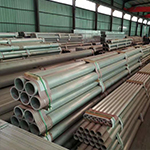 6101 electrical tubular aluminum bus bar
6101 aluminum bus pipe is an electrical-conductor option where conductivity must be balanced with mechanical strength. Selection depends on temper, tube dimensions and the required electrical and structural duty.
Electrical conductor alloy Strength-conductivity balance Temper-specific selection -
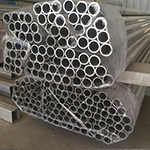 1350 1370 electrical tubular aluminum bus pipe
1350 and 1370 aluminum bus pipes are options for projects prioritizing electrical conductivity. Temper, tubular section, mechanical loading and connection requirements must be matched to the purchase specification.
High-conductivity priority Electrical connections Drawing-based supply -
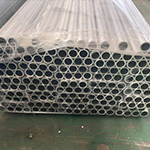 1060 1070 EC aluminum bus tube pipe
1060 and 1070 aluminum bus pipes provide high-purity aluminum options where electrical conductivity and corrosion resistance are important. Mechanical demands and fabricated connections require project-specific evaluation.
High-purity aluminum Conductivity priority Corrosion resistance -
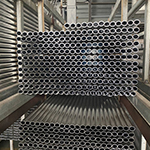 6061 structural+conductive aluminum bus tube pipe
6061 aluminum bus pipe is a suitable candidate where mechanical strength, machining and support requirements take priority. Its lower conductivity relative to 6063-T6 must be considered in conductor sizing and electrical design.
Strength priority Machining Conductor structures -
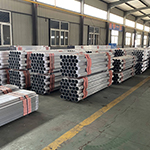 6063 structural+conductive aluminum bus tube pipe
6063-T6 aluminum bus pipe offers a practical balance of electrical conductivity, structural performance and tube fabrication for substation and power-equipment connections. Confirm temper, dimensions and required acceptance criteria for each order.
Conductivity and strength Tube fabrication Substation applications
-
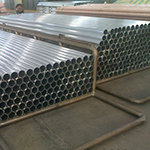
Schedule 40 is a nominal pipe-size and wall-series reference for preliminary specification matching. Available alloy, temper and dimensions are confirmed for the order.
-
Schedule 80 provides a heavier-wall dimensional reference for conductor designs requiring additional section stiffness. It does not establish stock availability or pressure-service suitability.
-
Aluminum seamless tubular buspipe
Seamless bus pipe is available in selected alloy and temper configurations where tube geometry, connection processing and inspection requirements are specified.
-
Aluminum extruded tubular buspipe
Extruded tubular sections support specified conductor geometry and downstream fabrication, subject to alloy, temper, tooling and production requirements.
-
Copper claded aluminum tubular buspipe
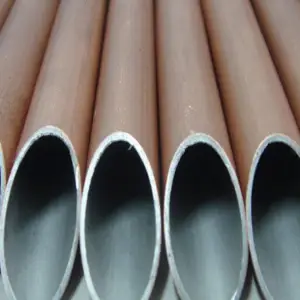
Copper-clad aluminum tube options are reviewed against the required cladding construction, bonding performance, dimensions and connection design.
-
Tin plated aluminum tubular buspipe
Tin-plated contact surfaces can be specified for selected electrical interfaces. Plating location, thickness and inspection requirements follow the approved drawings.
Chalco supports aluminum bus pipe selection across multiple alloys and configurations. Share your conductivity, strength and dimensional requirements for suitable product options and quotation.
Aluminum Bus Pipe Specifications and Sizes
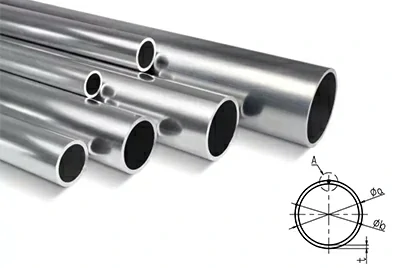
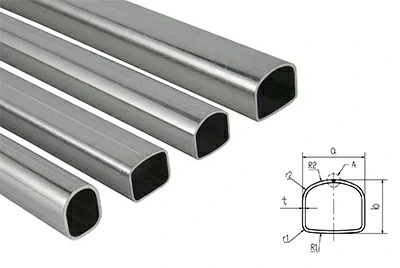
Aluminum bus pipes can be specified by actual outside diameter (OD), wall thickness (WT) and length, or by nominal pipe size (NPS) and Schedule for applicable pipe configurations. These dimensions must be matched to alloy, temper, manufacturing method and electrical connection requirements.
| Purchase Parameter | Published Supply Reference / Order Basis |
| Alloy and Temper | 1060, 1070, 1350, 1370, 6101, 6061 and 6063; the available temper and dimension combination is confirmed for each order. |
| General Bus Pipe Range | Published general reference: OD 10–250 mm, wall thickness 1–40 mm and individual lengths up to 12 m. The applicable alloy, temper and production route must be checked for the order. |
| Selected Alloy-Specific Ranges | Selected 6063, 6101, 1350/1370 and 1060/1070 bus pipe configurations: published OD 60–450 mm, wall thickness 3–15 mm and lengths up to 15 m. Availability varies by alloy, temper and manufacturing method. |
| Schedule-Based Pipe | Specify NPS and SCH40/SCH80 where applicable, and verify the actual OD and wall thickness for the selected configuration. |
| Cut Length and Fabrication | Cut-to-length supply, bends, connection machining and finishing according to the agreed product configuration and approved drawings. |
| Inspection and Documentation | Material condition, dimensional acceptance, surface requirements, applicable tests and inspection documents as agreed for the purchase order. |
Supply range notes: The published ranges above apply to different product configurations and must not be combined into one universal manufacturing limit. Final availability, tolerances and length requirements are confirmed for the specified alloy, temper, production route and order.
Schedule 40/80 size examples: The following dimensions are industry references for initial comparison, not a list of confirmed stock sizes or a statement that all alloys and tempers are available.
| Schedule | NPS (in.) | Actual OD (in.) | Wall (in.) | Section Area (in²) |
| 40 | 2 | 2.375 | 0.154 | 1.075 |
| 40 | 4 | 4.500 | 0.237 | 3.174 |
| 40 | 6 | 6.625 | 0.280 | 5.581 |
| 80 | 2 | 2.375 | 0.218 | 1.477 |
| 80 | 4 | 4.500 | 0.337 | 4.407 |
| 80 | 6 | 6.625 | 0.432 | 8.405 |
For the complete nominal size, wall thickness and approximate weight series, refer to the existing SCH40/SCH80 aluminum tube specifications. Share the required alloy, temper and dimensions to confirm an available conductor configuration.
Electrical and Mechanical Properties of Aluminum Bus Pipes
Choose aluminum bus pipe alloys by the required electrical conductivity, mechanical loading, support span and fabrication conditions. High-purity electrical grades favor conductivity, while 6063-T6 and 6061-T6 provide different strength–conductivity trade-offs for tubular conductors. Busbar terminology and selection criteria help distinguish conductor geometry, electrical requirements and connection options.
| Alloy / Temper | Electrical Conductivity Reference | Mechanical / Selection Reference |
| 1350 / 1370 | 1350: approx. 61% IACS; 1370: approx. 62% IACS (published material references) | High-conductivity priority; mechanical acceptance depends on actual temper and tube product form. |
| 1060 / 1070 | 1060: approx. 60% IACS; 1070: approx. 61% IACS (published material references) | High-purity conductor options; strength, elongation and fabrication depend on material condition. |
| 6101-T61 | Typical reference: approx. 57% IACS (AFL bus-tube reference) | Electrical and mechanical balance; other 6101 tempers have different properties. |
| 6063-T6 seamless extruded pipe | Typical reference: approx. 53% IACS | ASTM B241/B241M reference: tensile ≥205 MPa; yield ≥170 MPa. |
| 6061-T6 seamless extruded pipe | Typical reference: approx. 43% IACS | ASTM B241/B241M reference for extruded pipe: tensile ≥260 MPa; yield ≥240 MPa. |
Technical note: Conductivity values are typical references for alloy selection, not guaranteed minimums. Mechanical properties for 6063-T6 and 6061-T6 seamless pipes refer to ASTM B241/B241M. Actual performance, current-carrying capacity and support-span requirements depend on alloy, temper, dimensions, operating conditions and applicable project specifications. Final acceptance is based on agreed inspection criteria.
Tubular Busbar Fittings and Accessories
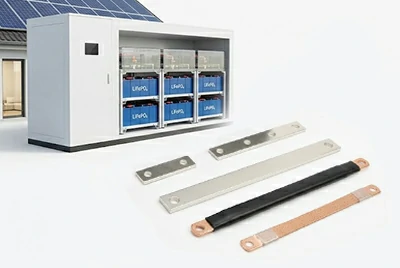
Chalco supplies or coordinates selected tubular conductor connectors, terminal components, support clamps, expansion connections, grounding components and transition fittings for drawing-based electrical projects. Connections are specified for tubular conductors or related electrical aluminum flat busbars according to their different cross-sections. Each accessory is matched to the customer's material, conductor size, connection design and required inspection scope.
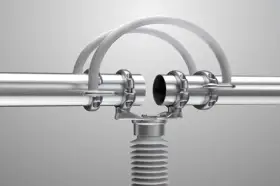
Busbar Tube Connectors
For connecting multiple aluminum or copper busbars seamlessly.
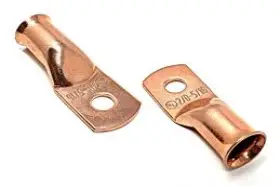
Terminal Lugs
Used to connect cables to busbars securely and efficiently.
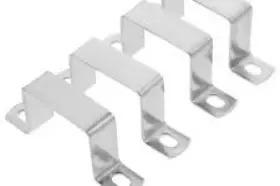
Support Clamps & Brackets
Provide stable mechanical support during busbar installation.
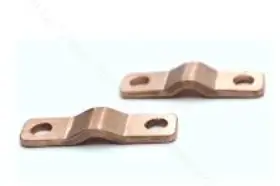
Flexible Expansion Joints
Absorb thermal movement and prevent stress on connections.
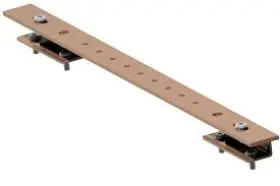
Grounding Straps
Ensure proper system grounding with corrosion-resistant options.
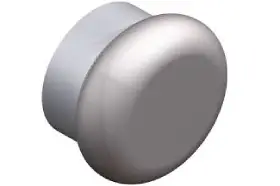
Transition Adapters & End Caps
For safe ends and smooth transitions between conductor types.
Chalco supplies tubular busbar connectors and matching accessories based on conductor dimensions and connection requirements. Submit your drawings for component matching and quotation.
Manufacturing and Supply Capabilities
Chalco supports aluminum bus pipe production through selected seamless, extruded and fabricated tube routes according to alloy, temper, tube dimensions and project requirements. Manufacturing and inspection planning follows the required product configuration.
For procurement, provide the alloy and temper, OD and wall thickness or NPS and Schedule, cut length, quantity, drawings, connection features and applicable inspection documentation. Availability, production route and delivery requirements are reviewed for the specified order.
- Tube production: Selected seamless, extruded and fabricated aluminum bus pipe configurations.
- Custom dimensions: Alloy-specific OD, wall thickness and long-length supply options matched to project specifications.
- Project fabrication: Cut-to-length preparation and connection processing according to approved drawings.
- Quality control: Dimensional, straightness, surface and material inspection against agreed acceptance criteria.
- Order fulfillment: Inspection documentation, protective packaging, production scheduling and shipment arrangements for project orders; related electrical aluminum conductor wire rod is a distinct feedstock form and is specified separately from tubular bus pipes.
Chalco supports substation, transformer, switchgear and industrial power-equipment projects with drawing-based tubular conductor supply, component processing and agreed inspection documentation.
Aluminum Bus Pipe Custom Fabrication and Finishing
Chalco provides drawing-based cutting, drilling, machining, bending, welding and selected surface finishes for aluminum bus pipe and fabricated tubular conductor sections.
Processing feasibility and inspection acceptance are reviewed according to alloy, temper, OD, wall thickness, connection geometry, surface treatment and quantity. Final system design and on-site installation remain the customer's project responsibility.
Cutting, Drilling and Machining
Cut lengths, connection holes, mounting slots and machined ends can be produced to approved drawings. Specify dimensions, tolerances, edge requirements and inspection points.
Bending and Forming
Bending feasibility depends on alloy, temper, OD, wall thickness, bend radius and process. Required geometry and acceptance criteria are reviewed against the drawing.
Welding and Connection Fabrication
Welded and fabricated connections are reviewed for the alloy, joint design, welding process, filler selection and inspection requirements. Approved procedures and acceptance criteria are established for the order.
Surface Finishing
Selected tin plating, nickel plating, anodizing, protective sleeves and copper-clad configurations are available where specified. Tin-plated electrical conductors require defined contact areas, coating thickness and inspection conditions; insulation boundaries and other finish requirements must also be specified for the application.
- Tin plating / Nickel plating
- Anodizing (protective oxide coating)
- Heat-shrinkable or insulation sleeves
- Copper cladding for hybrid conductivity needs
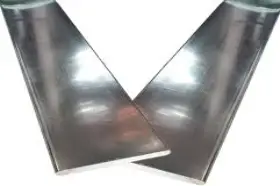
For flat-conductor designs that require a treated contact surface, tin-plated aluminum busbars are a separate product form from tin-plated tubular bus pipes.
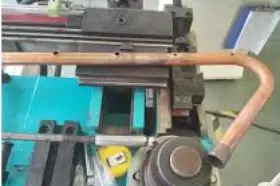
Aluminum tubular busbar bending
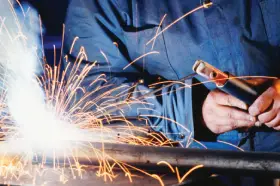
Aluminum tubular busbar welding
Tin plated tubular busbar
Chalco supports aluminum bus pipe production and custom fabrication, including cut-to-length supply, bending, machining, welding and surface finishing. Submit your drawings, specifications and quantity for manufacturing review and quotation.
Aluminum Bus Pipe Applications in Power Systems
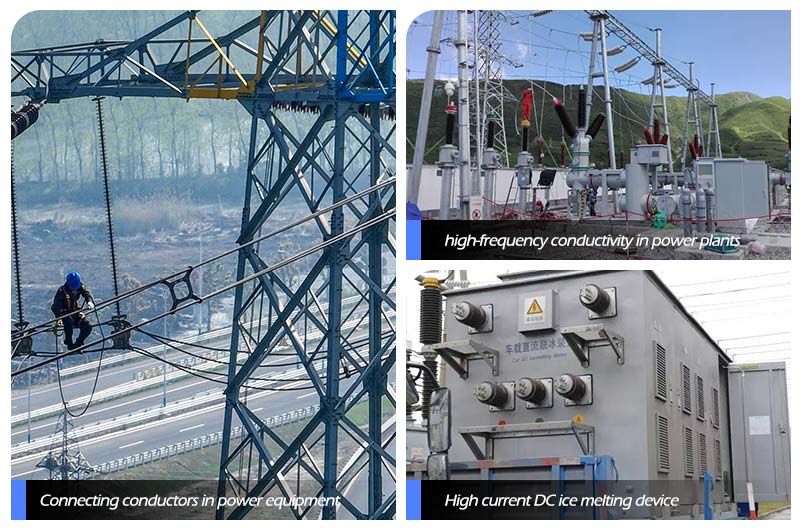
- Substations and switchyards: Tubular conductors specified for outdoor bus runs, support arrangements and equipment interconnections; adjacent electrical busbar product and application options cover other conductor forms for project-specific selection.
- Transformers and switchgear: Cut, bent or machined tubular sections matched to connection interfaces and project drawings.
- Power-generation and distribution equipment: Alloy, section dimensions and joint preparation selected for the required electrical and structural duty.
- Industrial high-current equipment: Custom tubular conductors and accessory interfaces supplied to approved technical specifications.
Benefits of Aluminum Tubular Busbars
- Electrical and structural selection: Different alloys and wall thicknesses support the required balance of conductivity, weight and mechanical stiffness.
- Conductor geometry: Tubular sections can offer structural efficiency for selected substation and support-span configurations.
- Thermal performance: Exposed tube surfaces allow heat dissipation, subject to ambient conditions, current, spacing and installation.
- Fabrication flexibility: Cut lengths, bends, machined interfaces and selected coatings can be specified for project connections.
Chalco supplies tubular aluminum conductors for substations, switchyards, transformers and industrial power equipment. Share your project specifications and connection requirements for application-specific material selection and supply support.
Aluminum Bus Pipe Frequently Asked Questions
Which aluminum alloy is best for a tubular busbar?
Choose by conductivity, mechanical load, temper, conductor dimensions and connections. High-purity grades generally prioritize conductivity; 6101, 6063 and 6061 provide different strength–conductivity combinations.
Can I order by SCH40/SCH80 or by actual OD and wall thickness?
Both descriptions may be used where applicable. Provide NPS and Schedule, or actual OD × wall thickness × length, with the alloy, temper and quantity.
How is aluminum bus pipe ampacity determined?
Current rating depends on alloy condition, section area, resistance, permissible temperature rise, ambient conditions and installation layout. A project-specific design check is required.
Can tubular bus conductors be cut, bent, welded or plated?
Selected configurations support cutting, bending, machining, welding and surface finishing. Feasibility and inspection depend on the specified material condition and fabrication drawings.
What information is needed for a quotation?
Provide alloy and temper, dimensions or Schedule, quantity, required lengths, drawings, connection details, finishing, inspection documentation and delivery destination.
Request an Aluminum Bus Pipe Quote
Chalco supplies aluminum bus pipes, tubular conductor sections and selected connection components for electrical projects. Share the required alloy, dimensions, fabrication scope and quantity for a configuration review and quotation.
Submit your aluminum bus pipe alloy, temper, dimensions, quantity, drawings, processing requirements and inspection needs for quotation and delivery review.
Get a quote