Within Chalco's aluminum wire for rivets and fasteners range, we supply 1000 series aluminum wire and wire rod for industrial forming, rivet production and other manufacturing requirements. The range includes 1050, 1050A, 1060, 1070, 1100 and 1350 grades, with 1370 available among the existing cold-drawn wire options. Wire grade, diameter, shape and processing condition are selected according to the intended application.
Available aluminum wire forms include cold heading wire, cold-drawn wire, continuous cast and rolled wire rod, extrusion wire or rod, round wire and flat wire. For rivets and similar low-load formed parts, 1100 is a key material option; electrical conductor grades such as 1350 serve different requirements. Chalco supports diameter selection, coil supply and specification review based on the customer's processing route and purchase requirements.
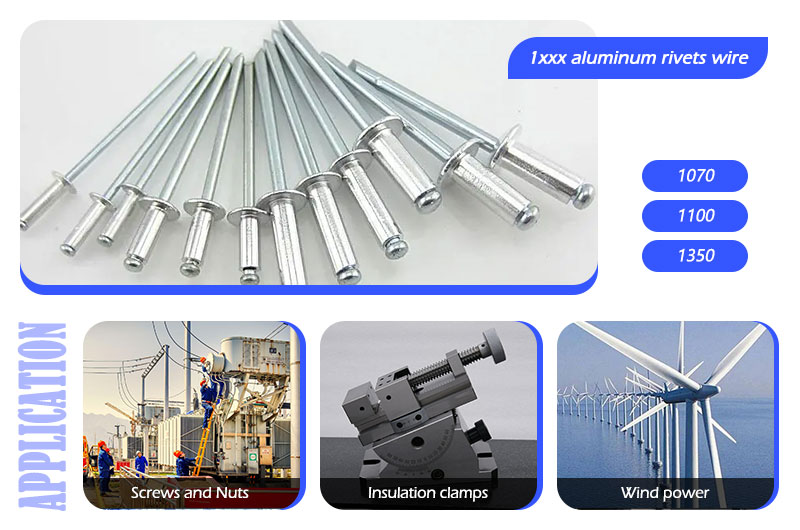
1000 Series Aluminum Wire Grades
Different 1000 series grades serve different manufacturing priorities. Select the alloy and temper according to forming requirements, conductor performance and the applicable product specification, rather than aluminum purity alone.
-
1050 Aluminum Wire(O, H18)
1050 aluminum wire provides good ductility and corrosion resistance for industrial forming and general-purpose wire applications. Confirm the delivery condition and forming route for each order.
-
1060 Aluminum Wire(O, H14)
1060 aluminum wire combines high aluminum content with good formability and electrical conductivity. It is an option for conductor and selected formed-wire applications subject to product requirements.
-
1070 Aluminum Wire(O, H18)
1070 aluminum wire offers higher aluminum purity and good conductivity for electrical and precision wire processing. Cold forming suitability depends on the required condition and finished-part design.
-
1100 Aluminum Wire(O, H12)
1100 aluminum wire is an important choice for rivet and cold-heading wire used in non-high-strength formed fasteners. Grade, wire diameter, surface condition and heading requirements should be specified for production.
-
1350 Aluminum Wire (O, H18)
1350 aluminum wire provides high electrical conductivity and good formability for electrical conductors, selected conductive fasteners and formed connection components. Material condition and dimensional requirements are selected according to the intended application.
-
1370 Aluminum Wire (Condition by Order)
1370 aluminum wire offers high electrical conductivity and good formability for selected rivet production, electrical connections and conductor applications. Wire diameter, temper and surface requirements can be matched to the intended forming process.
For applications requiring higher purity grades such as 4N (99.99%) or 5N (99.999%) aluminum, see our high purity aluminum products for specialized material options.
View the wire specifications and alloy reference tables for available grades, diameter ranges and ordering requirements.
Model Selection1000 Series Aluminum Wire and Rod Products
-
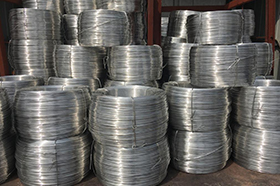 1100, 1050 and 1070 Cold Heading Wire Condition by order
Wire for rivets and selected cold-formed fasteners. Specify the intended heading process, wire diameter, delivery condition, surface quality and finished-part requirements.
Solid rivets Blind rivet Mechanical fastener -
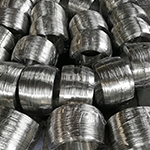 1070, 1350 and 1370 Cold Drawn Wire Drawn condition
Cold-drawn wire for applications requiring controlled dimensions and surface condition. Electrical and other precision uses are selected by alloy and processing requirements.
Electrical wires Precision small part -
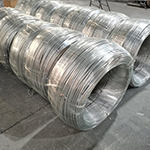 Continuous Cast and Rolled Aluminum Wire Rod Coil feedstock
Wire rod supplied in coils for subsequent drawing and wire processing. The alloy, feedstock size and downstream process should be specified for each manufacturing route.
Aluminum rivet Aluminum fastener -
 1100 and 1050 Extrusion Wire / Rod For extrusion processing
Wire or rod for extrusion and further processing into selected small profiles and components. Cross-section and processing feasibility are evaluated against drawings.
Small bracket Connector Industrial assembly part -
 Round Aluminum Wire 1.6–15 mm reference
Round wire is available for rivet, forming and industrial wire applications. Diameter, tolerance and condition are matched to the required process.
Rivet wire Thermal element -
 Flat Aluminum Wire 0.5–3 mm reference
Flattened or rolled wire for contact, connector and formed-component applications. Specify width, thickness, edge condition and required surface finish.
Flexible connector Custom cold-formed part
Chalco supplies 1000 series aluminum wire and rod in various alloys, sizes and processing conditions. Share your required specifications or drawings for tailored supply options and a quotation.
Material Properties and Forming Considerations
Formability for cold heading: 1100 and selected 1000 series grades can be processed into low-load rivets and other formed parts when the delivery condition and forming route are suitable. For aluminum cold forging and heading, performance must be evaluated against the finished-part geometry, wire condition and forming process.
Alloy selection: 1050, 1060 and 1070 provide different purity levels and processing options, while 1350 and 1370 are principally selected for conductor-oriented uses. Higher purity does not automatically mean better rivet performance.
Wire dimensions and finish: Roundness, diameter tolerance, surface defects, coil condition and downstream drawing or annealing requirements should be specified according to the customer's process.
Corrosion resistance and conductivity: Commercially pure aluminum grades generally provide useful corrosion resistance and electrical conductivity, but electrical, mechanical and environmental acceptance requirements depend on alloy, condition and service conditions.
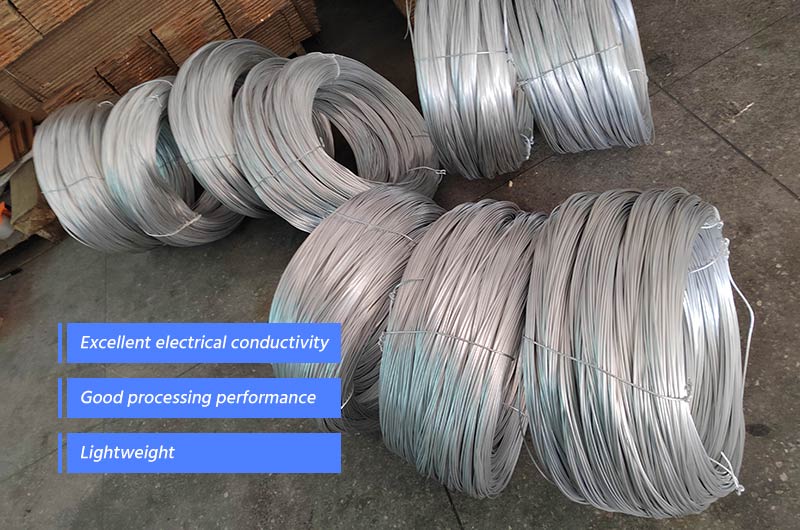
Applications of 1000 Series Aluminum Wire
1000 series aluminum wire serves rivet and fastener production as well as selected industrial wire applications. Material selection depends on the finished-part load, forming method and operating conditions; 1100 and other commercially pure grades are not direct substitutes for higher-strength rivet alloys; review the 5000 series aluminum rivet wire range separately when corrosion exposure and rivet performance call for a different material route.
-
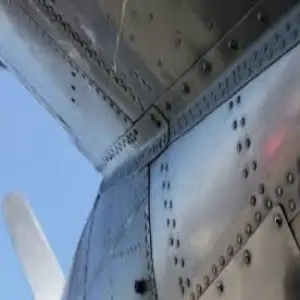 Non-Structural Rivets and Light-Duty Assemblies
Commercially pure aluminum wire is an option for selected non-structural rivets and light-duty assemblies where the drawing, material specification and joining loads permit. High-strength aircraft structural rivets use separately specified alloy and performance requirements.
-
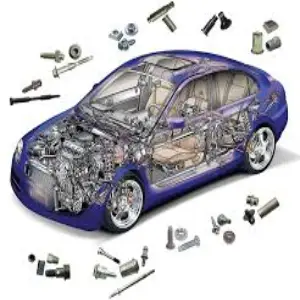 Automotive Trim and Light-Duty Rivets
Wire for selected trim attachments and low-load formed rivets where ductility and corrosion resistance are relevant. Finished-part strength, joining requirements and material grade must be checked for the specific assembly.
-
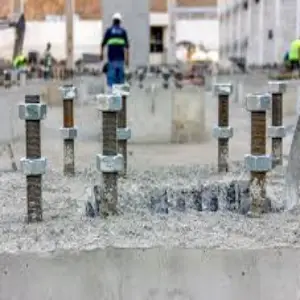 Building Panels and Non-Structural Attachments
Selected rivets and formed attachments for panels, trim or other non-structural building components. Required loads, exposure conditions and joining compatibility govern grade and condition selection.
-
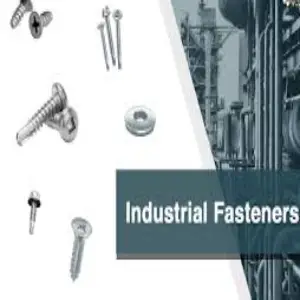 Industrial Rivets and Cold-Formed Components
1100 and other suitable 1000 series wire options can be considered for low-load rivets, pins and formed components. Share wire diameter, heading process, finished-part requirements and order volume for material matching.
Electrical Connection Rivets and Components: 1350 aluminum wire offers high electrical conductivity and good formability for selected rivets, pins and formed electrical connection components. Chalco also supplies 1370 conductor-grade aluminum wire for electrical conductors and related wire-processing applications. Material selection depends on the required conductivity, forming process and connection design.
Aluminum Wire Manufacturing and Quality Support
Wire Production and Processing
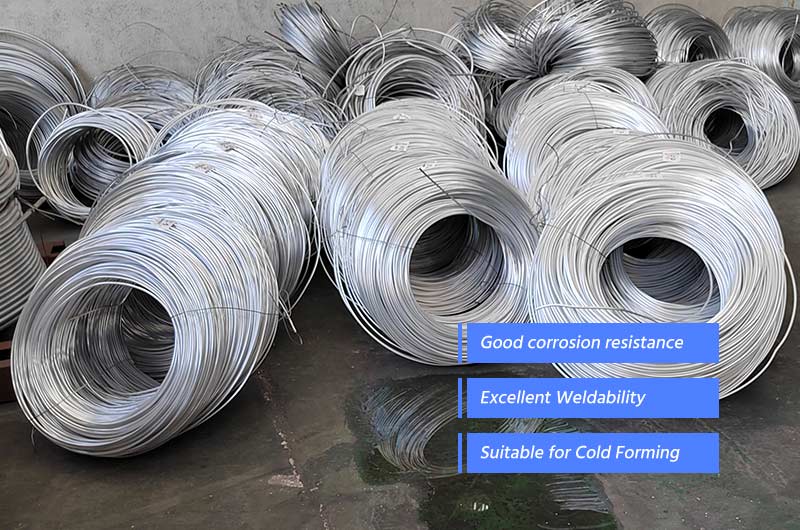
Chalco supports 1000 series aluminum wire production through continuous casting and rolling, wire drawing, and appropriate annealing processes. Wire rod and finished wire can be supplied for downstream drawing, rivet manufacturing and cold heading, with diameter, surface condition, delivery temper and coil specifications matched to production requirements.
Quality and Inspection Support
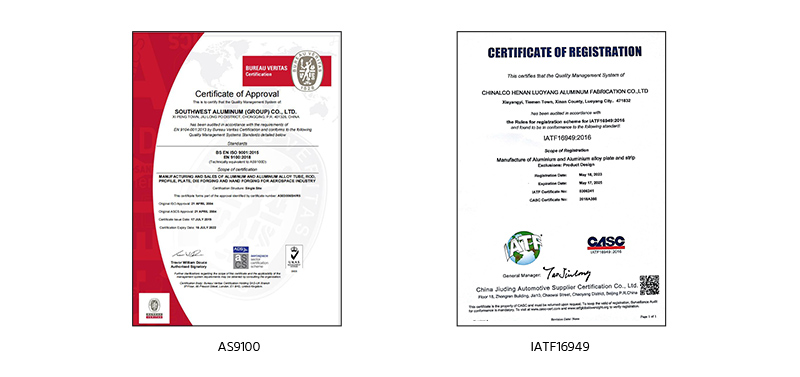
Quality requirements are defined by the agreed alloy, product standard and purchase specification. Chemical composition, wire dimensions, mechanical properties and surface condition can be included in the order's inspection scope as applicable. Customers may specify material certificates or test documentation with the inquiry; company-level management certification is separate from product conformity.
1000 Series Aluminum Wire Specifications
Alloy identification and minimum aluminum content
Minimum aluminum contents are alloy designation limits, not measured values for a supplied batch. Full chemical analysis and conformity are evaluated against the applicable agreed standard and material certificate.
| Alloy | Minimum Al content | Primary selection context |
| 1050A | 99.50% | General industrial wire and forming |
| 1060 | 99.60% | Industrial wire and conductor-oriented applications |
| 1070 | 99.70% | Higher-purity commercial wire and drawing |
| 1100 | 99.00% | Rivet and cold-heading wire for selected applications |
| 1350 | 99.50% | Electrical conductor-oriented wire |
For alloy 1100, the chemical composition specification includes Si + Fe ≤ 0.95% combined and Cu 0.05–0.20%; these are not separate individual limits for silicon and iron.
Mechanical and forming requirements
The relevant mechanical properties, including tensile strength and elongation, and the delivery condition depend on the alloy, wire size, processing method and applicable standard. For cold-heading wire, specify the intended forming process and finished-part requirements; for drawn or conductor wire, specify the relevant mechanical and electrical acceptance criteria. Test values are provided according to the agreed order specification rather than as one universal property table.
Wire and wire rod size references
The following diameter ranges are reference supply specifications by alloy. Delivery condition, tolerances, coil format and suitability for drawing or cold heading depend on the selected manufacturing route and purchase requirements.
| Alloy | Published diameter reference | Delivery and processing review |
| 1050A | 1.0–15.0 mm | Wire condition and downstream forming or drawing requirements |
| 1070 | 1.0–8.0 mm | Drawing, annealing and intended use |
| 1100 | 1.0–15.0 mm | Rivet or cold-heading requirements and delivery condition |
| 1350 | 1.0–10.0 mm | Conductor-grade processing and acceptance requirements |
Reference supply options for the listed wire configurations include a ±0.02 mm diameter tolerance and coil weights above 50 kg. Applicability varies by alloy, wire diameter and manufacturing process; confirm the required tolerance, coil weight and packaging when requesting a quotation. These options are not a universal guarantee for all wire forms.
Standards and inspection: ASTM B316/B316M addresses aluminum rivet and cold-heading wire and rods; ASTM B211/B211M covers rolled or cold-finished bar, rod and wire, while ASTM B221 covers applicable extruded products. The relevant standard, alloy and temper must be specified on the purchase order. Standard scope alone does not establish product compliance without the appropriate inspection evidence.
Related Rivet Wire Materials
Frequently Asked Questions
Which 1000 series aluminum wire grades are suitable for rivet manufacturing?
1100 is an established option for selected non-structural rivets and cold-formed fasteners. 1050 and 1070 may also be considered when the material specification, forming process and finished-part loads permit. Not all 1000 series grades or delivery conditions are interchangeable.
Can 1100 aluminum wire be used for cold heading?
Yes. 1100 wire can be used for selected rivet and cold-heading applications. Diameter, surface condition, delivery temper and forming performance must suit the customer's process; hard-drawn wire is not automatically suitable for direct cold heading.
What diameters and delivery conditions are available for 1000 series aluminum wire?
Reference diameter ranges include 1.0–15.0 mm for 1050A and 1100, 1.0–8.0 mm for 1070, and 1.0–10.0 mm for 1350. The available temper, dimensional tolerance and coil format depend on the grade and manufacturing route.
What is the difference between aluminum wire rod and cold-heading wire?
Wire rod can be supplied as feedstock for subsequent drawing and processing. Cold-heading wire is supplied to meet agreed forming, dimensional and surface requirements for rivet or fastener manufacturing. The right choice depends on whether further wire drawing or heat treatment will be performed before heading.
Can you supply aluminum rivet wire to ASTM B316/B316M?
ASTM B316/B316M covers specified aluminum and aluminum-alloy wire and rods for rivet and cold-heading applications. Share the required alloy, temper, diameter and standard revision so the applicable supply specification and inspection documentation can be reviewed. Compliance is established against the agreed order requirements, not by the standard's scope alone.
Order 1000 Series Aluminum Wire
Chalco supplies 1000 series aluminum wire and wire rod for rivet manufacturing, cold heading, electrical connections and other industrial applications. We support alloy and product-form selection, custom dimensions, coil supply and inspection documentation according to project requirements.
Material: Specify the alloy, temper and applicable material or product standard.
Dimensions: Provide the wire diameter or flat-wire width and thickness, along with tolerances.
Processing: Indicate whether the wire will be drawn, annealed, cold-headed or otherwise formed; include part drawings where available.
Order details: State quantity, coil weight or packaging needs, surface criteria and inspection documents.
Send your alloy, wire dimensions, delivery condition, quantity and processing requirements for a project-specific quotation. Drawings or material specifications help us review suitable wire forms, inspection documents and supply options.
Get a quote