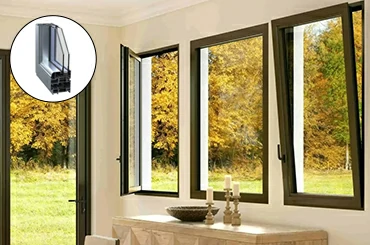
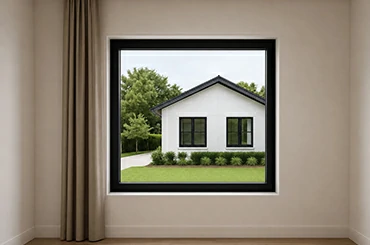
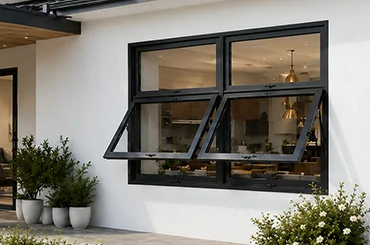
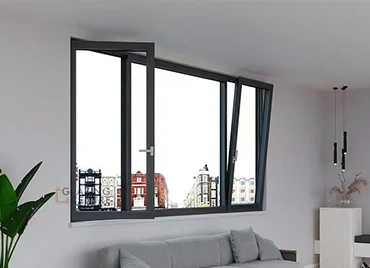
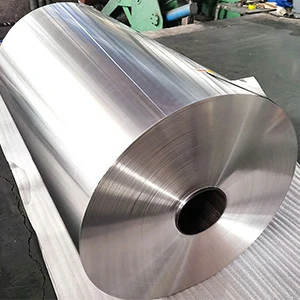
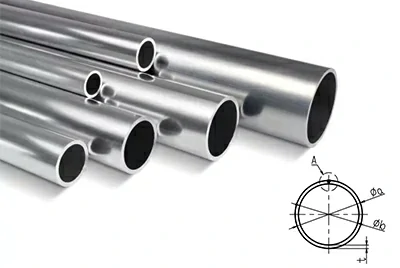
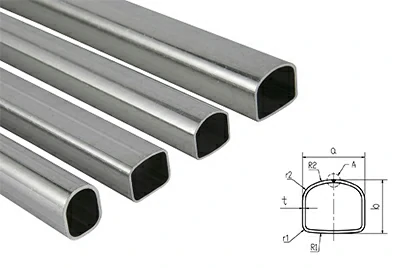
Chalco supplies custom thermal break aluminum windows for residential buildings, hotels, apartments, villas and commercial projects. As part of our broader range of finished aluminum window solutions, these systems can be customized by window type, opening size, glazing, frame finish, hardware and project performance requirements.
Whether you need casement windows, sliding windows, fixed windows, awning windows, tilt and turn windows or large project windows, Chalco can help you match the right thermal break aluminum window system based on architectural design, climate conditions and purchasing needs.
Different markets may require different testing and document systems. Chalco can help confirm the required documents based on the project country and specifications.
Common project references include:
Chalco does not recommend using the same standard for every project. The right testing and certification solution should be confirmed according to window type, glass configuration, project country, building use and customer requirements.
A thermal break aluminum window is a window system with an insulating barrier inside the aluminum frame. Aluminum window frames are strong, lightweight and durable, but aluminum conducts heat quickly. Without a thermal break structure, heat can pass through the frame more easily, affecting indoor comfort and window energy performance.
The thermal break separates the indoor and outdoor aluminum profiles, helping reduce heat transfer through the frame. This structure is commonly used in energy-efficient aluminum window systems for homes, commercial buildings and project applications.
In a thermal break aluminum window, the aluminum profile is usually divided into an indoor side and an outdoor side. The two parts are connected by thermal insulation strips or an insulating barrier to reduce direct heat transfer through the aluminum frame.
This structure helps improve frame insulation while keeping the strength, slim appearance and durability of aluminum windows.
Thermal break aluminum windows help improve overall window thermal performance, especially when combined with suitable glass, sealing systems and proper installation.
For better performance, they are often used with double glazing, triple glazing, Low-E glass or argon-filled insulated glass. Final performance still depends on glass configuration, sealing system, installation quality, indoor humidity, ventilation and local climate.
Thermal break aluminum windows can also help reduce condensation risk, but they cannot completely prevent condensation in all conditions.
Chalco offers different thermal break aluminum window types for residential, commercial and project applications. Each window can be customized by opening size, frame profile, glass configuration, surface finish, hardware and performance requirements.
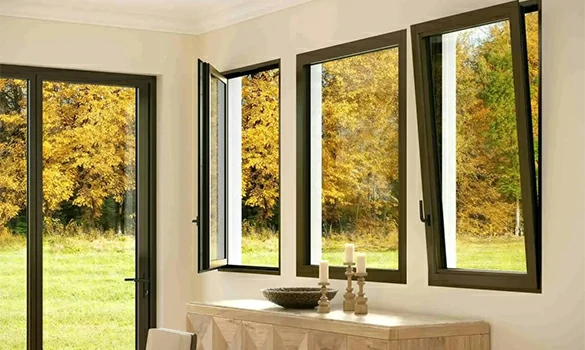
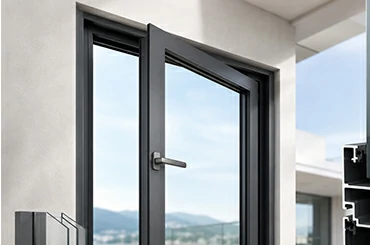
Suitable for homes, villas, apartments and commercial buildings. They offer good sealing, ventilation and insulation, with inward or outward opening options.
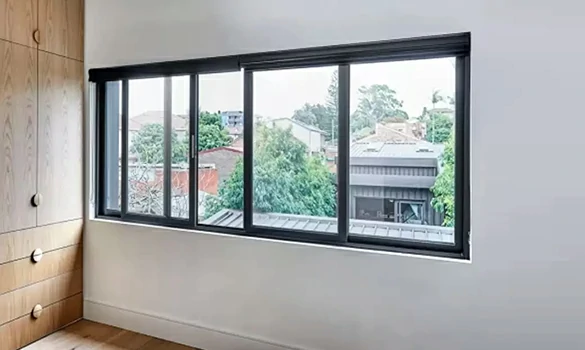
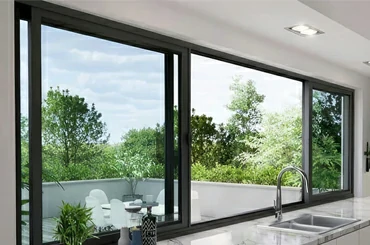
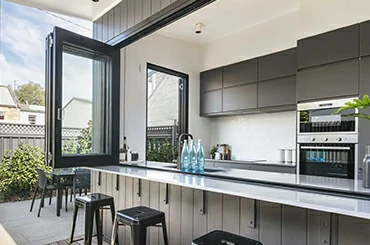
Suitable for balconies, apartments, hotels and space-saving projects. They provide smooth opening, wide views and flexible track options.
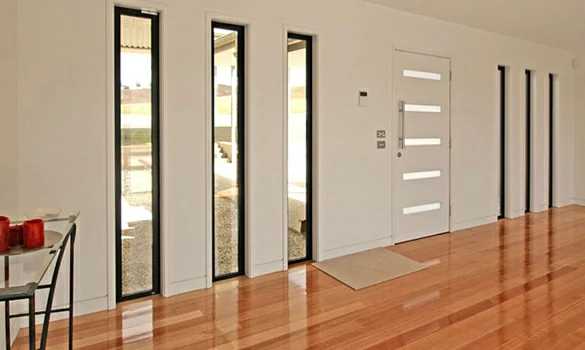
Used for daylight, views and stable insulation where opening is not required. Common for picture windows, large glass windows and combined window systems.
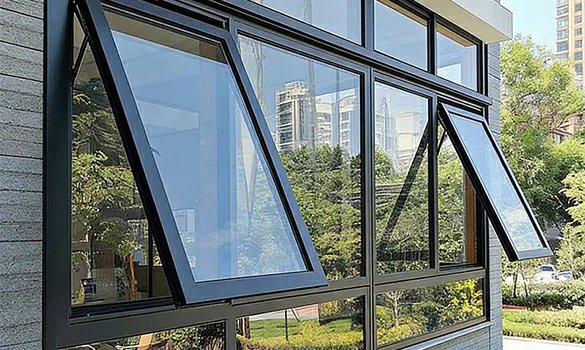
Commonly used in kitchens, bathrooms, corridors and ventilation areas. The top-hinged design supports ventilation and helps reduce rain entry.
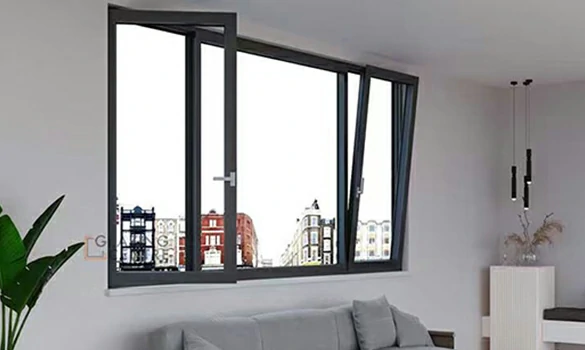
Suitable for projects requiring ventilation, easy cleaning and good sealing. Often used in European-style residential and commercial buildings.
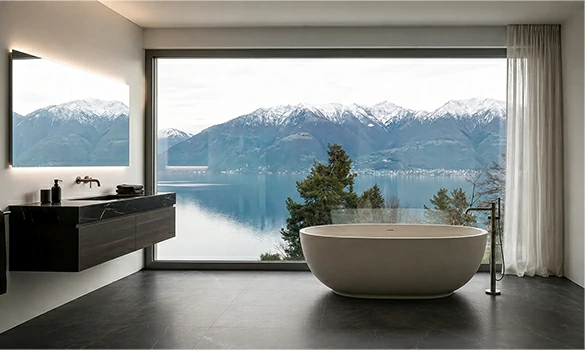
For villas, hotels, commercial facades and high-end homes, Chalco can customize large window systems based on drawings, glass weight, wind load and installation needs.
Chalco offers a range of thermal break aluminum window systems, from standard insulation to high thermal performance options. They are mainly used for casement and inward-opening windows in homes, apartments, villas, hotels and commercial buildings.
You can choose the right system based on frame depth, sash thickness, thermal break strip width, insulation performance, acoustic requirements, opening type and project budget.
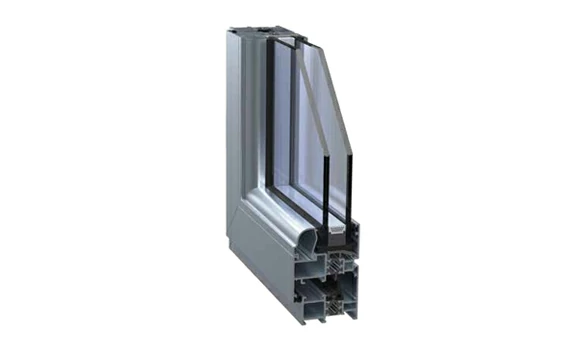
Compact 52 mm frame system for residential and project windows
Supports screens, water-air separation and triple sealing
Frame 52 mm, sash 61 mm, thermal break strip 15 mm
ES52 thermal break aluminum window performance


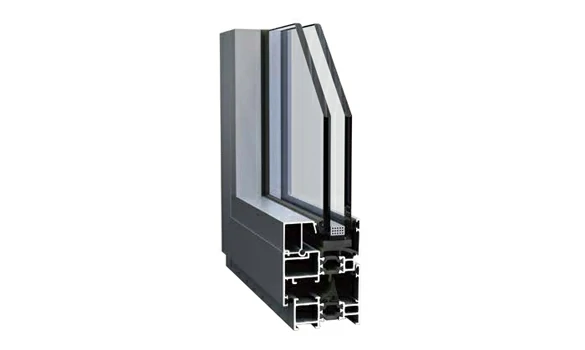
57 mm frame system with wider thermal break than ES52
European groove design for better hardware compatibility
Frame 57 mm, sash 66 mm, thermal break strip 20 mm
ES57 thermal break aluminum window performance
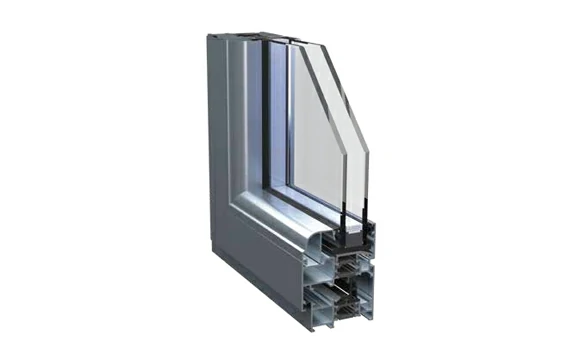
Suitable for projects with higher requirements for frame strength and insulation
Supports inward and outward opening window types
Frame 61 mm, sash 70 mm, thermal break strip 24 mm
ES61 thermal break aluminum window performance
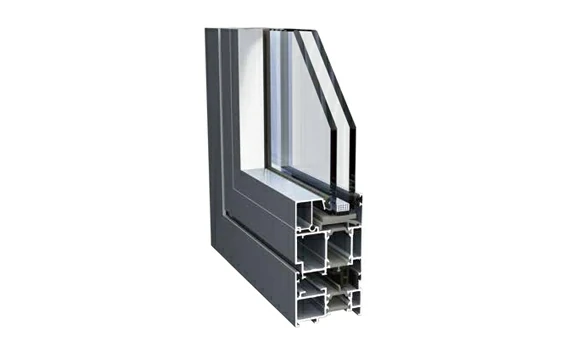
Suitable for projects with higher sealing and insulation requirements
Triple-seal structure helps improve air and water tightness
Frame 65 mm, sash 74 mm, thermal break strip 28 mm
ES65 thermal break aluminum window performance
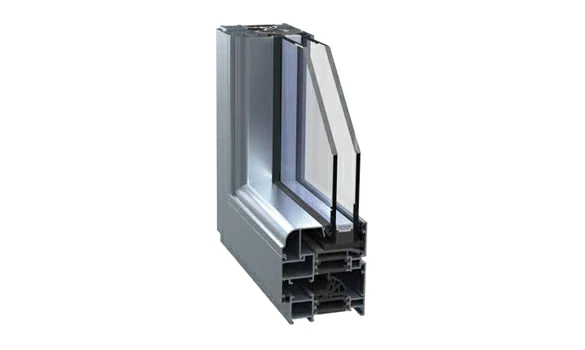
High insulation system for energy-saving buildings
Water-air separation and pressure-balanced drainage for better stability
Frame 70 mm, sash 79 mm, thermal break strip 33 mm
ES70 thermal break aluminum window performance
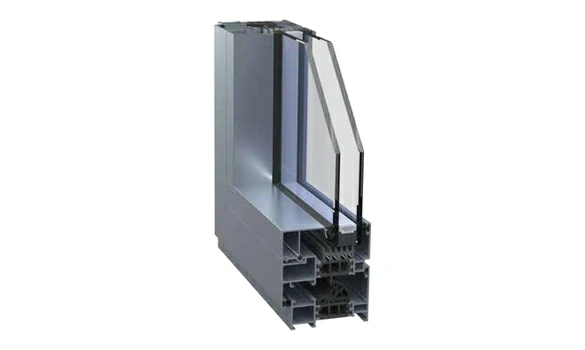
Shaped thermal break strip for better insulation
Suitable for higher thermal performance and sealing stability needs
Frame 70 mm, sash 79 mm, thermal break strip 33 mm
ES70A thermal break aluminum window performance
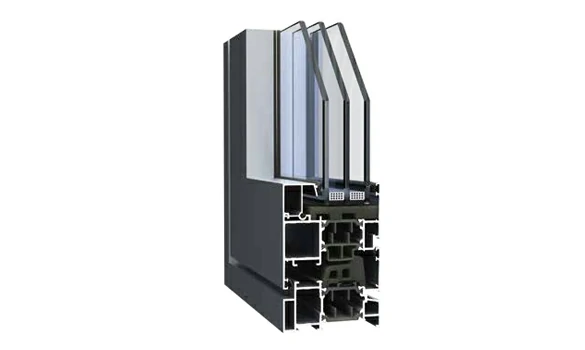
Designed for inward-opening systems with good sealing and insulation
Shaped thermal break strip helps improve frame thermal performance
Frame 71 mm, sash 80 mm, thermal break strip 34 mm
ES71 thermal break aluminum window performance
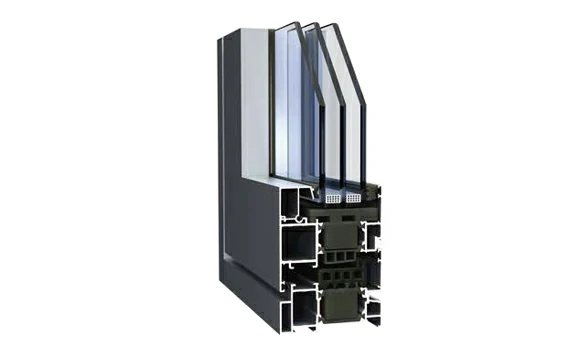
Foam-filled chamber helps improve insulation
Suitable for buildings with higher energy-saving requirements
Frame 76 mm, sash 85 mm, thermal break strip 39 mm
ES76 thermal break aluminum window performance
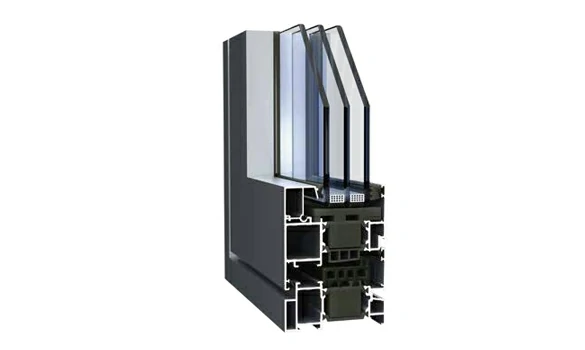
High insulation system for flush concealed drainage window design
Foam-filled chamber and shaped thermal break strip improve overall performance
Frame 78 mm, sash 87 mm, thermal break strip 41 mm
ES78 thermal break aluminum window performance
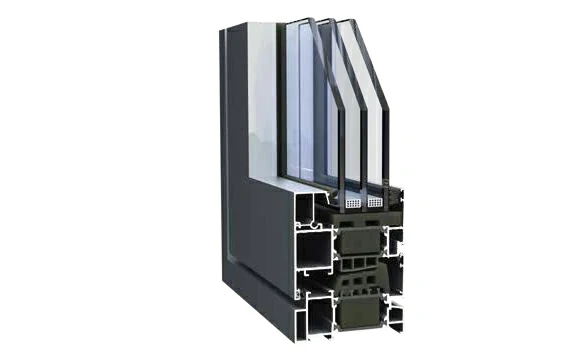
Deeper frame system for higher insulation and comfort needs
Suitable for high-performance homes, apartments and commercial buildings
Frame 81 mm, sash 90 mm, thermal break strip 41 mm
ES81 thermal break aluminum window performance
Thermal break aluminum window systems improve window performance by reducing heat transfer through the aluminum frame. Aluminum is strong and durable, but it conducts heat quickly, so the frame insulation structure is important for overall window performance.
With a thermal break structure, the indoor and outdoor aluminum profiles are separated by an insulating barrier. When glazing, sealing, drainage, hardware and installation are coordinated as a complete system aluminum window solution, the frame can support better insulation and indoor comfort.
In standard aluminum windows, heat can pass more easily through the frame. The thermal break structure blocks the direct thermal bridge between the indoor and outdoor aluminum profiles, helping reduce heat transfer.
This is valuable for both cold and hot climate projects, as frame insulation affects indoor comfort and building energy performance.
Thermal break frames are commonly combined with insulated aluminum window systems using double glazing, triple glazing, Low-E glass, laminated glass or argon-filled insulating glass units.
Final thermal performance depends on the frame system, glass structure, spacer, sealing design and installation quality.
Thermal break aluminum windows help reduce indoor heat loss in cold climates and limit outdoor heat entering in hot climates, improving comfort in homes, hotels, apartments and commercial buildings.
For projects with higher energy-saving requirements, the window system should be selected together with the right glass and sealing solution.
Thermal break aluminum windows can help reduce condensation risk around the frame by improving the temperature difference between indoor and outdoor frame surfaces. However, condensation is also affected by indoor humidity, ventilation, glass type and local climate.
So thermal break aluminum windows should be used with suitable glass, a good sealing system and proper ventilation design.
When used with laminated glass, insulated glass and high-quality seals, thermal break aluminum windows can also help improve acoustic comfort.
For hotels, apartments, offices and buildings near busy roads, soundproof aluminum window configurations can combine laminated acoustic glass, insulating glass units and improved frame sealing.
You can choose suitable glass, frame systems, finishes and hardware based on the needs of homes, apartments, hotels, villas and commercial building projects.
Chalco can provide different glass configurations for thermal break aluminum windows according to insulation, safety, acoustic and daylighting requirements.
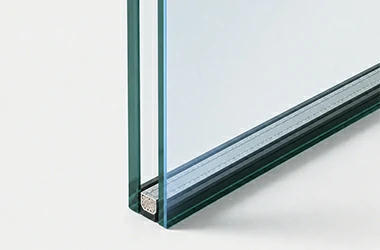
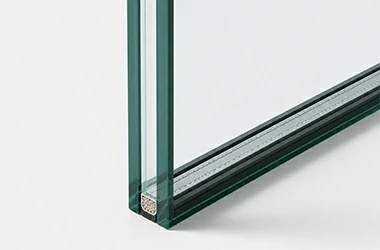
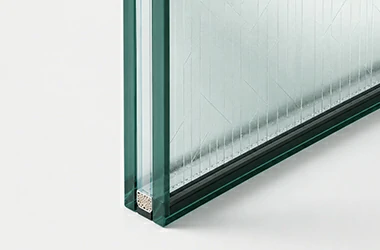
Frame and sash aluminum window profiles should be selected according to opening type, window size, glazing weight, wind load, system depth and thermal performance requirements.
Aluminum surface treatment affects window appearance, corrosion resistance and outdoor durability. The finish can be selected according to architectural style, climate exposure and color requirements.
Color selection for reference only. Slight variations from the physical item may occur.
Hardware affects window operation, sealing, security and long-term user experience. Chalco can match suitable hardware and accessories according to window type, size and target market requirements.
Final specifications should be confirmed based on window drawings, glass configuration, performance requirements, local standards and project installation conditions.
Thermal break aluminum windows are suitable for building projects that require thermal insulation, good sealing, modern appearance and outdoor durability.
They are widely used in residential, commercial and engineering projects, especially where energy saving, indoor comfort and facade performance are important.

Thermal break aluminum windows help improve indoor comfort while keeping a modern slim-frame look. Suitable for bedrooms, living rooms, kitchens, bathrooms and large viewing windows.
Suitable for projects requiring wind resistance, air tightness, water tightness, sound insulation and consistent appearance. Commonly used for balcony, fixed, casement and sliding windows.


Thermal break aluminum windows can work with Low-E, laminated or insulated glass to improve guest comfort. Suitable for guest rooms, balconies, corridors, restaurants and viewing areas.
For offices, schools, hospitals and retail buildings, they help improve energy performance and indoor comfort. Chalco can customize solutions based on drawings, openings and project requirements.

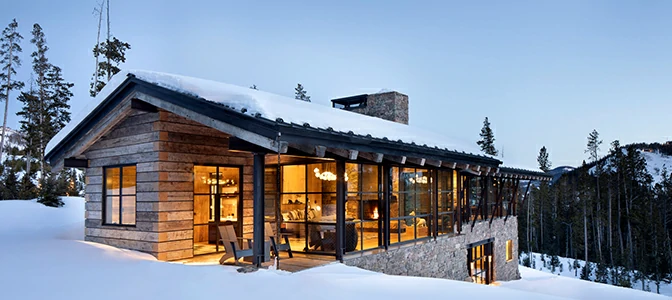
They help reduce heat loss in cold areas and heat entry in hot areas. For coastal projects, finish, hardware, sealing and drainage should be confirmed carefully.
Both use aluminum frames, but they are designed for different performance needs. The key difference is whether the frame has an insulating barrier to reduce heat transfer through the aluminum profile.
Thermal break aluminum windows are better for energy saving, indoor comfort, condensation control and long-term building performance. Non-thermal break aluminum windows can be used for interior partitions, mild climates or projects with lower insulation needs.
| Comparison item | Thermal break aluminum windows | Non-thermal break aluminum windows |
| Frame structure | Aluminum frame with thermal break barrier | Standard aluminum frame without thermal break barrier |
| Thermal insulation | Better insulation performance | Weaker insulation performance |
| Indoor comfort | Better for hot and cold climates | Better for mild climates or low-performance areas |
| Condensation risk | Helps reduce condensation risk with proper glass and ventilation | Higher condensation risk when temperature difference is large |
| Energy performance | Better for energy-saving buildings | Not ideal for high energy-efficiency projects |
| Cost | Higher initial cost | Lower initial cost |
| Common applications | Homes, villas, apartments, hotels and commercial buildings | Interior windows, basic projects and low-insulation areas |
| Long-term value | Better for buildings focused on comfort, performance and quality | Better for budget-sensitive or non-insulated applications |
Selection advice
If your project needs better insulation, indoor comfort, lower condensation risk, stable sealing or an energy-saving window system, thermal break aluminum windows are recommended.
If the project is in a mild climate, or used for indoor spaces, temporary buildings or areas with low thermal performance requirements, non-thermal break aluminum windows can be selected.
For most homes, hotels, apartments and commercial buildings, Chalco recommends confirming the thermal break system together with glass type, window size, wind load, sealing structure and local performance requirements.
Choosing the right thermal break window requires coordinated aluminum window design, covering climate, opening type, glazing performance, frame strength, sealing, drainage, hardware and local project requirements.
Chalco can customize thermal break aluminum windows based on project drawings, window schedules, opening sizes and performance requirements.
The following options help customers confirm the right window system faster before quotation.
| Specification item | Options / details to confirm |
| Window type | Casement, sliding, fixed, awning, tilt and turn, large custom windows |
| Frame system | Standard thermal break, high insulation thermal break, custom aluminum window system |
| Frame and sash depth | Selected by size, glass weight, opening type, wind load and thermal needs |
| Thermal break strip | Different widths and structures; wider or shaped strips for high insulation systems |
| Glass configuration | Double glazing, triple glazing, Low-E glass, tempered glass, laminated glass, argon-filled insulated glass |
| Finish | Powder coating, anodizing, wood grain, PVDF coating |
| Color options | Black, white, grey, dark grey, RAL colors or custom colors |
| Hardware | Handles, hinges, locks, rollers, friction stays and other accessories |
| Screen options | Available by window type and project use, for ventilation and insect protection |
| Performance needs | Wind load, air tightness, water tightness, insulation, Uw value and sound insulation |
| Document support | Drawings, section drawings, specifications, test reports, color cards and packing documents |
| Packing and delivery | Export packing, protective film, labels and project-based packing by size, quantity and destination |
For thermal break aluminum window projects, quality control should cover not only aluminum profiles, but also glass, hardware, sealing, drainage, assembly accuracy and packing. Chalco can support specification confirmation, production inspection and document preparation based on confirmed drawings and order requirements.
Before assembly, Chalco checks key window components, including aluminum profiles, thermal break strips, glass units, hardware and sealing parts, to help ensure the selected system meets project requirements for structure, appearance and performance.
During production, window size, corner joints, sash fitting, drainage details, gaskets and opening performance are controlled. For project orders, consistent size, color and assembly quality directly affect site installation and final building appearance.
Thermal break aluminum windows can be evaluated for wind load, air tightness, water tightness, insulation, Uw value and acoustic performance. Final test items and data should be confirmed by window type, glass configuration, local standards and project specifications.
Chalco can prepare drawings, section drawings, product specifications, color samples, packing documents and applicable test reports. For project orders, customers can provide local standard requirements in advance for system and document evaluation.
Thermal break aluminum windows can be packed with protective film, corner protection, labels and export packing according to product size, glass configuration, order quantity and destination. Clear labels and project-based packing help customers identify window type, installation position and shipment batch.
As a thermal break aluminum window manufacturer and supplier, Chalco supports projects with aluminum profile production, thermal break processing, surface finishing and export delivery. This helps customers control profile quality, finish consistency, window system matching and stable batch supply.
Chalco has an annual aluminum capacity of 300,000 tons, 70 extrusion lines from 600 to 5,500 tons and 200 key production equipment sets, supporting stable supply for bulk orders and project procurement.
For large windows, high-performance systems or stronger profile structures, Chalco can provide 4,000T extrusion support, giving more flexibility for frame depth, sash design, mullions and custom window profiles.
Chalco has in-house tooling and thermal break processing capability, helping match profile structures to different window systems, frame depths, sash sizes, thermal break strips and performance targets.
Chalco supports powder coating, PVDF coating and wood grain finishes to meet architectural color, outdoor durability and batch appearance consistency requirements.
Chalco can customize thermal break aluminum windows based on drawings, window schedules, opening sizes, glass, hardware and performance requirements.
For apartments, hotels, villas and commercial projects, Chalco supports batch supply, project packing, export packaging, labeling and delivery coordination.
Before production, Chalco can help confirm drawings, glass, opening type, finish, hardware, performance requirements and packing details. Final specifications are confirmed by drawings, technical review and order requirements.
For an accurate quote, please provide clear project details before production review. This helps Chalco recommend the right window system, glass, finish, hardware and packing solution.
After receiving project details, Chalco can evaluate the window type, profile system, glass, finish, hardware and performance needs, then provide a suitable thermal break aluminum window solution.
Final price and specifications depend on window size, system type, glass structure, finish, hardware, order quantity, testing needs and delivery destination.
Chalco is an aluminum product supplier with profile production, extrusion, thermal break processing and surface finishing capabilities. For thermal break aluminum window projects, Chalco supports profile selection, window system matching, custom processing, packing and export delivery.
Yes. Chalco can customize thermal break aluminum windows based on drawings, window schedules, opening sizes, glass requirements, frame color, finish, hardware and performance targets. For large windows or special project needs, final specifications should be confirmed after technical review.
Yes. Sample options can be confirmed by project stage, including profile samples, color samples, glass samples, corner samples or small window structure samples.
MOQ depends on window system, profile type, finish, glass configuration, order quantity and whether new tooling is required. Standard systems are easier to arrange, while custom profiles, special colors or new molds need further confirmation.
Price depends on window type, size, frame system, glass, finish, hardware, performance requirements, order quantity, packing and delivery destination. Large sizes, triple glazing, Low-E glass, special colors and higher testing requirements may increase cost.
Yes. Customers can provide CAD drawings, window schedules, opening sizes or project specifications. Chalco can review window type, frame system, glass, hardware, performance needs and packing details before production.
Yes. Chalco can provide export packing based on window size, glass configuration, order quantity and destination. Drawings, specifications, color samples, packing documents and applicable test reports can also be prepared as required.