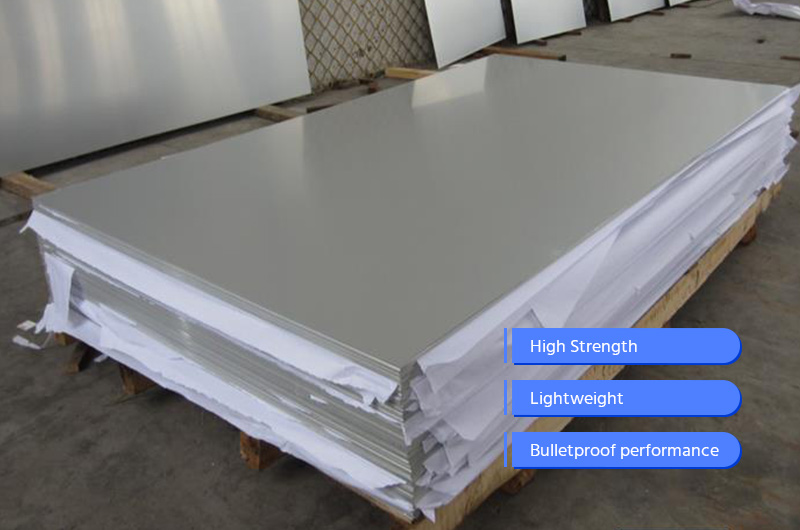
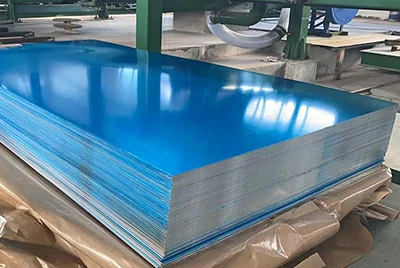
7020 aluminum plate is a high-strength Al-Zn-Mg alloy and a weldable 7xxx aluminum alloy used for load-bearing structural components. It offers higher structural strength than standard 6xxx series alloys and better weldability than high-strength 7xxx alloys such as 7075, making it suitable for welded structural fabrication.
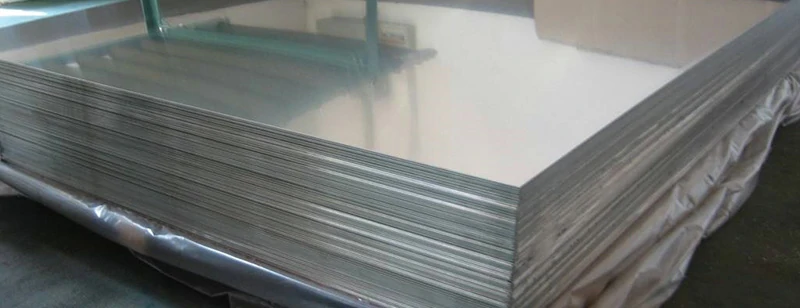
Chalco supplies 7020 / EN AW-7020 / AlZn4.5Mg1 aluminum plate according to project drawings, standards, and performance requirements. As a professional aluminum plate supplier, we also assist customers in selecting the appropriate alloy series based on strength, weldability, fabrication method, and project specifications.
7020 Aluminum Plate Specifications
| Alloy Designation | 7020 / EN AW-7020 / AlZn4.5Mg1 / 3.4335 |
| Temper | T6, T651 |
| Thickness Range | 1–300 mm |
| Width Range | 800–2500 mm |
| Length Range | 900–10000 mm |
| Common Standard Sizes | 1250 × 2500 mm, 1500 × 3000 mm, 1520 × 3020 mm, 1525 × 3660 mm |
| Cut-to-Size | Available per drawing, including cut blanks, finished plates, and project-specific dimensions |
| Surface Protection | Double-sided film, paper interleaving, PE/PVC protective film, or surface marking available |
| Standards | EN 485, EN 573 |
| Documentation Support | MTC, chemical composition report, mechanical property testing, dimensional inspection, batch traceability, etc. |
In addition to standard large plates, thin-gauge 7020 aluminum sheet or 7020-T6 plate can be supplied cut to size for welding, assembly, or structural component fabrication.
Why Choose 7020 Aluminum Plate?
7020 aluminum plate is typically selected for project-based structural applications that require high strength, weldability, and dimensional stability.
1.7020 commonly corresponds to EN AW-7020 / AlZn4.5Mg1 / 3.4335, making it well-suited for European drawings, rail transit, vehicle, and engineering structural projects.
2.Compared to standard 6xxx series aluminum plates, 7020 offers higher strength and is suitable for vehicle frames, underframes, reinforcement plates, and heavy-load support components.
3.Compared to high-strength 7xxx series plates such as 7075, 7020 offers better weldability and is more suitable for welded assembly and large structural fabrication.
4.Post-weld heat-affected zone properties of 7020 can be partially restored through natural aging, making it better suited for long-term load-bearing welded structures.
5.For thick plates, cut-to-length parts, and machined structural components, 7020 can improve dimensional stability through appropriate temper and process control.
7020 Aluminum Alloy Chemical Composition
| Element | Composition (%) |
| Si | ≤0.35 |
| Fe | ≤0.40 |
| Cu | ≤0.20 |
| Mn | 0.05–0.50 |
| Mg | 1.00–1.40 |
| Cr | 0.10–0.35 |
| Zn | 4.00–5.00 |
| Zr | 0.08–0.20 |
| Zr + Ti | 0.08–0.25 |
| Others, each | ≤0.05 |
| Others, total | ≤0.15 |
| Al | Remainder |
Note: The above composition ranges refer to EN AW-7020 / AlZn4.5Mg1 under EN 573-3. The delivered composition should be confirmed according to the customer-specified standard, technical agreement, and Mill Test Certificate (MTC).
7020 Aluminum Alloy Physical Properties
The following physical properties of 7020 aluminum alloy are provided for material selection, structural design, and fabrication reference.
| Property | Typical Value |
| Density | 2.78 g/cm³ |
| Elastic modulus | 70 GPa |
| Thermal conductivity | 130–160 W/(m·K) |
| Coefficient of linear thermal expansion (20–100°C) | 23.1 × 10⁻⁶ /K |
| Electrical conductivity | 19–23 MS/m |
| Specific heat capacity | 875 J/(kg·K) |
| Solidification range | 600–650°C |
7020 Aluminum Plate Mechanical Properties
The mechanical properties of 7020 aluminum plate are primarily influenced by thickness, temper, and production process control. For T6 / T651 tempers, EN 485-2 typically specifies minimum mechanical property requirements by thickness range.
| Temper | Thickness Range | Tensile Strength Rm | Yield Strength Rp0.2 | Elongation after Fracture, min. |
| T6 / T651 | ≤40 mm | ≥350 MPa | ≥280 MPa | ≥9–10% |
| T6 / T651 | >40–100 mm | ≥340 MPa | ≥270 MPa | ≥8% |
| T6 / T651 | >100–150 mm | ≥330 MPa | ≥260 MPa | ≥7% |
| T651 | >150–175 mm | ≥330 MPa | ≥260 MPa | ≥6% |
Note: T651 is primarily used to reduce residual stress and improve machining stability in thick plates. For thicknesses beyond the typical ranges covered by EN 485-2, specific mechanical properties and testing requirements shall be governed by the technical agreement, actual thickness, and Mill Test Certificate (MTC).
Typical Applications of 7020 Aluminum Plate
7020 aluminum plate is primarily used as an aluminum plate for welded structures and high-strength load-bearing components. It is not intended for decorative sheet metal, but for structural parts that require strength, weldability, fatigue performance, dimensional stability, and project-level documentation.
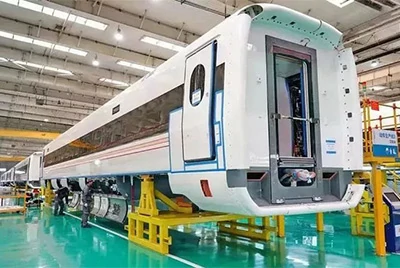
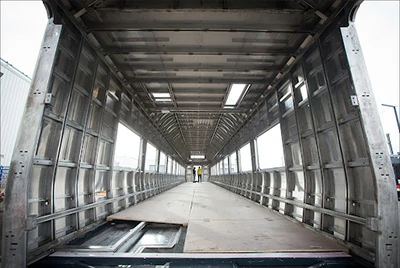
Rail transit structural components
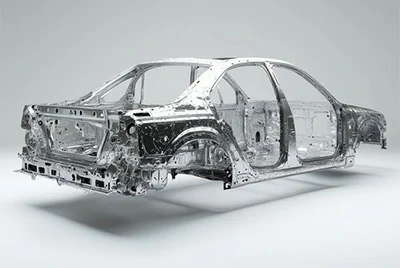
7020 aluminum plate for rail vehicles can be used in body structures, underframe assemblies, load-bearing cross members, stiffening plates, and welded structural parts. These components need to reduce weight while maintaining load capacity, welded assembly reliability, and long-term service stability.
For rail transit projects, the value of 7020 lies in its higher strength compared to standard 6xxx-series aluminum plates, while offering better weldability than 7075.
Commercial and specialty vehicle structures
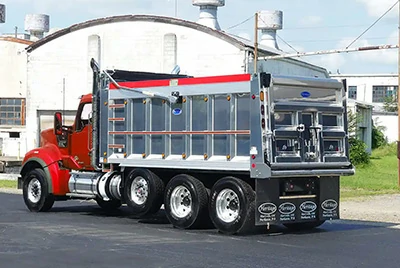
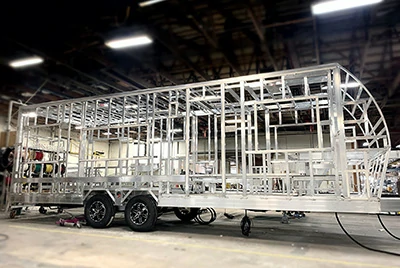
In commercial vehicles, trailers, specialty vehicles, and lightweight body structures, 7020 aluminum plate can be used for chassis frames, support structures, connection plates, reinforcements, and welded assemblies.
For these projects, material strength alone is not enough. Buyers also need post-weld structural reliability, controlled machining distortion, and batch-to-batch consistency. 7020 is suitable when weight reduction, load capacity, and welded fabrication must be balanced.
Vehicle safety and protective structures
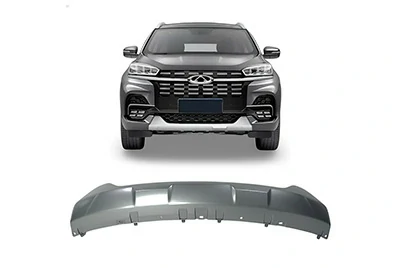
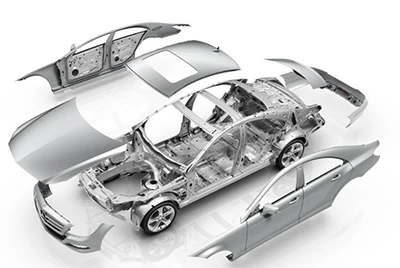
7020 aluminum plate is also suitable for side-impact protection structures, protective vehicle components, high-strength supports, and load-bearing joints. These applications demand high levels of strength, impact load resistance, fatigue performance, and structural stability.
Compared to materials selected solely for ultimate strength, 7020 is better suited for safety-critical components that require subsequent welding, machining, and structural assembly.
Heavy-duty engineering equipment
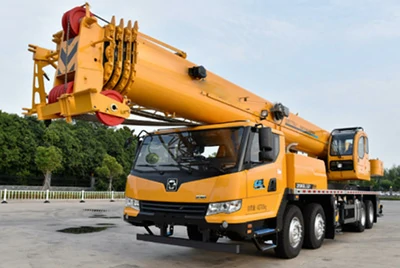
In mobile cranes, load-bearing frames, mechanical structural parts, heavy-duty machinery components, equipment structures, and high-strength support members, 7020 aluminum plate can replace certain steel or low-strength aluminum alloy structures.
These applications typically require a high strength-to-weight ratio, along with compatibility with cutting, machining, welding, and assembly processes. For thick plates or large structural components, the 7020-T651 temper helps reduce the risk of machining-induced distortion.
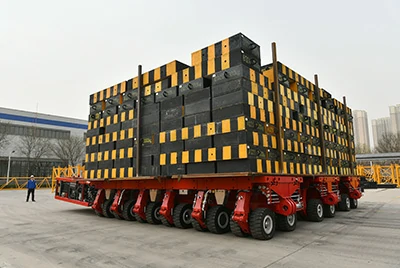
Transportation and industrial structural components
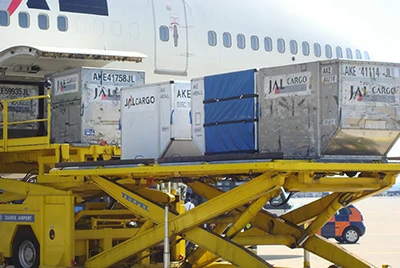
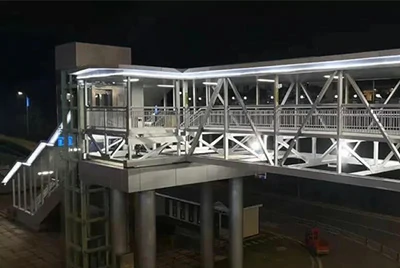
7020 aluminum plate can be used in air cargo containers, bridge components, support frames, industrial platforms, welded assemblies, and machined structural parts.
These projects typically involve more than just purchasing aluminum by weight—they require verification of alloy grade, temper, thickness, tolerances, welding specifications, inspection documentation, and delivery consistency. 7020 is suitable for project-based, high-load, traceable structural material supply.
High-strength lightweight frames
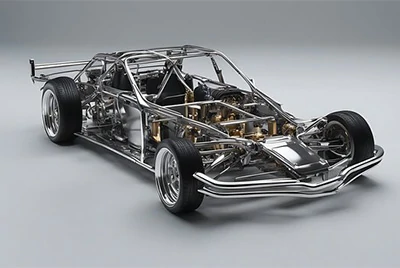
For chassis frames, support brackets, structural connectors, welded frames, and high-strength lightweight components, 7020 offers a favorable balance among strength, weight, and machinability. When a project requires both higher structural strength and involves welding or assembly, 7020 is typically easier to integrate into actual manufacturing processes than 7075; if standard 6xxx-series aluminum plate lacks sufficient strength, 7020 becomes a more viable upgrade option for evaluation.
7020 aluminum plate is better suited for load-bearing structural components that require high strength, weldability, machining stability, and documentation support. If you are unsure whether 7020 is suitable for your project, please provide drawings, application details, temper requirements, and inspection requirements. Chalco can assist with material selection.
7020 vs 6082, 7075, and 7005 Aluminum: How to Choose?
When a project demands higher structural strength while also involving welding, cutting, machining, or large-scale assembly, material selection should not be based solely on strength values. The advantage of 7020 lies in the fact that it is stronger than conventional 6xxx-series alloys, more weldable than 7075, and better suited for project-specific load-bearing structures.
| Project | 7020 Aluminum Plate | 6082 Aluminum Plate | 7075 Aluminum Plate | 7005 Aluminum Alloy |
| Alloy Positioning | Weldable High-Strength 7xxx-Series Structural Alloy | Common 6xxx-Series Structural Alloy | Ultra-High-Strength 7xxx-Series Alloy | Weldable 7xxx-Series Structural Alloy |
| Strength Level | High | Medium-High | Very High | High |
| Weldability | Good—suitable for welded load-bearing structures | Good—suitable for standard welded structures | Poor—not suitable for large welded structures | Good—suitable for welded frames |
| Typical Applications | Rail transit, vehicle structures, heavy-duty frames | General structural components, mechanical structures, welded parts | High-strength machined parts, aerospace components, molds | Chassis frames, extruded frames, lightweight structures |
| Material Selection Guidance | Suitable for high-strength welded structures | More commonly used when strength requirements are moderate | Selected when welding is not involved and higher strength is required | Suitable for weldable 7xxx-series frame structures |
Material Selection Recommendation:
For general structural components, 6061 or 6082 aluminum plate may be sufficient. For non-welded parts requiring very high strength, 7075 aluminum plate may be a better option. If the project requires high strength, weldability, and load-bearing structural stability, 7020 aluminum plate should be evaluated first.
Welding, Machining, and Surface Treatment Performance of 7020 Aluminum Plate
7020 aluminum plate not only delivers high strength but is also well-suited for structural components requiring welding, cutting, and machining. For rail transit, vehicle structures, heavy-duty frames, and engineered structural projects, manufacturing consistency is equally critical.
Welding Performance
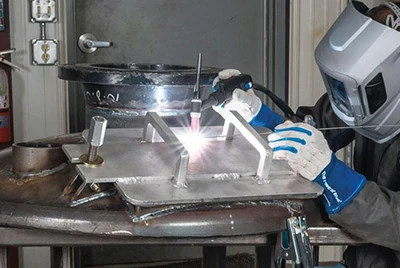
7020 is a weldable 7xxx-series aluminum alloy suitable for MIG and TIG welded structures. Compared with 7075, 7020 is better suited for welded assembly, structural fabrication, and large load-bearing components.
During welding, attention must be paid to heat-affected zone softening, filler material selection, and heat input control. Partial mechanical properties after welding can gradually recover through natural aging—a key characteristic that distinguishes 7020 from many other high-strength 7xxx-series alloys.
Cutting and Machining Stability
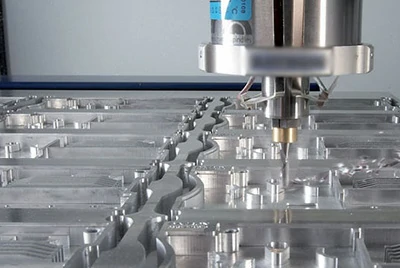
7020 aluminum plate can be cut to size, drilled, milled, and CNC machined for connection plates, reinforcement plates, support components, and machined structural parts.
For thick plates, large-sized parts, or high-precision assemblies, material temper, machining allowances, and tolerance requirements should be confirmed in advance to minimize the risk of distortion after cutting and machining.
Surface Treatment and Protection
7020 can undergo protective anodizing, coating, or painting to enhance surface protection. It is better suited for structural components rather than products where decorative appearance is the primary requirement.
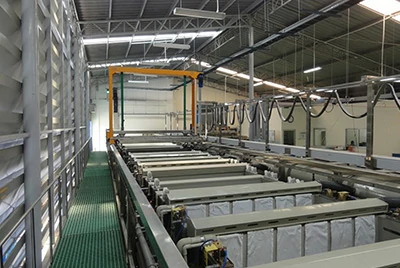
If the application environment involves outdoor exposure, humid heat, or corrosion risks, the protection strategy should be confirmed based on operating conditions, surface treatment methods, and project specifications.
Chalco's Supply Advantages for 7020 Aluminum Plate
7020 aluminum plate requires controlled rolling, flatness, thickness consistency, machining stability, and inspection documentation. Chalco supports production, machining, and project delivery based on customer drawings, standards, and application requirements.
Advanced Rolling Equipment Ensures Flatness and Thickness Consistency
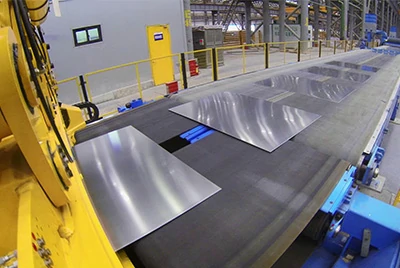
Chalco is equipped with a 4500 mm SMS hot rolling line and a 2800 mm CVC cold rolling mill, enabling closed-loop control of plate flatness and thickness—ideal for 7020 aluminum plate projects demanding high flatness, thickness uniformity, and subsequent machining stability.
Compliance with EN Standards and Project Drawing Requirements
Material standards, dimensions, tolerances, and delivery conditions can be confirmed per designations such as 7020 / EN AW-7020 / AlZn4.5Mg1 / 3.4335, in alignment with EN 485, EN 573, and customer technical agreements—suitable for European rail transit, vehicle structures, and engineering construction projects.
Machining and Project Delivery Support for Structural Components
For load-bearing structural applications of 7020 aluminum plate, Chalco offers cut-to-length cutting, CNC drilling/milling, chamfering, deburring, and other machining services per drawings, and assists in confirming dimensions, tolerances, machining allowances, and delivery batches.
For welded assemblies or high-volume structural component projects, Chalco supports pilot batches, volume orders, and phased deliveries to help customers streamline downstream machining, assembly, and acceptance processes.
Quality Management System and Inspection Documentation Support
Chalco operates under quality management systems including ISO 9001 and AS9100, and can provide Mill Test Certificates (MTC), chemical composition reports, mechanical property data, dimensional inspection records, and batch traceability as required by the project. For thick plates or critical structural components, ultrasonic testing and third-party inspection can also be arranged.
7020 Aluminum Plate Procurement Guide
Pricing, Minimum Order Quantity, and Lead Time
7020 aluminum plate is typically quoted based on project specifications. Pricing is influenced by the base aluminum ingot price, thickness, dimensions, temper, processing method, and order quantity. Upon receipt of a customer's specification list or drawings, we can confirm a formal quotation based on actual production and processing requirements.
- Quotation Basis: Alloy temper, thickness and dimensions, tolerance requirements, processing method, quantity, and delivery location.
- Pricing Model: Quotations may follow an "aluminum ingot base price + processing fee" structure, subject to the agreed pricing period and quotation terms.
- Minimum Order Quantity: Confirmed based on specifications, inventory, and production scheduling; sample orders, small trial batches, and volume orders are all supported.
- Lead Time: Sample and small-batch orders can be confirmed quickly based on specifications; volume project orders are scheduled according to production planning, processing requirements, and delivery arrangements.
- Trade Terms: Quotations can be provided under standard Incoterms such as EXW, FOB, CIF, or DAP per customer requirements.
Packaging, Export, and Logistics
7020 aluminum plate is commonly used for structural components and project-based fabrication. It is recommended to confirm tolerances, surface protection, and packaging methods in advance to avoid issues during subsequent cutting, machining, and assembly.
- Dimensional Tolerances: Thickness, length, and width tolerances can be controlled per project requirements—for example, thickness ±0.3 mm, length and width ±2 mm.
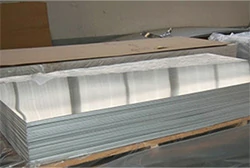
- Surface Protection: Double-sided protective film can be applied to reduce the risk of scratches during transport, handling, and processing.
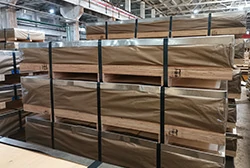
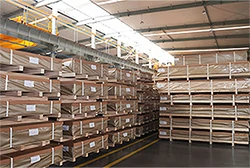
- Packaging Options: Neutral labeling, wooden pallets, or wooden crates are available; solid wood pallets can be stamped with a fumigation mark to meet export requirements.
- Weight per Pallet: The weight per pallet can be controlled based on handling and transportation needs—for example, approximately 2 metric tons per wooden pallet.
- Export Support: Standard export documentation such as commercial invoices, packing lists, and certificates of origin can be provided.
Frequently Asked Questions
1. What is 7020 aluminum plate?
7020 aluminum plate is a high-strength, weldable Al-Zn-Mg aluminum plate material. Common European designations include EN AW-7020, AlZn4.5Mg1, and 3.4335. It is primarily used in high-strength welded load-bearing structures, not as a decorative sheet or general-purpose sheet metal.
2. What types of structural components is 7020 aluminum plate mainly used for?
7020 aluminum plate is commonly used in rail transit structural components, vehicle frames, underframe assemblies, load-bearing cross beams, stiffening plates, heavy-duty support components, and engineered structural parts. It is suitable for project-based applications requiring high strength, weldability, machinability, and dimensional stability.
3. Can 7020 aluminum plate be welded?
Yes. 7020 is a 7xxx-series aluminum alloy with relatively good weldability and can be used in MIG, TIG, and other welded structures. Attention should be paid to heat-affected zone softening, filler material selection, and heat input control during welding. Some mechanical properties may gradually recover through natural aging after welding.
4. What is the difference between 7020 aluminum plate and 6061 / 6082?
6061 and 6082 are common 6xxx-series structural aluminum alloys with wider availability, suitable for general structural components and standard welded assemblies. 7020 offers higher strength and is better suited for structural applications where 6xxx-series plates lack sufficient strength but welding and load-bearing capability are still required.
5. Which is more suitable for welded structures: 7020 or 7075 aluminum plate?
7020 is more suitable for welded structures. While 7075 offers higher strength, it has poor weldability and is better suited for high-strength machined parts that do not require welding. For large-scale welded assemblies, fabricated structures, and load-bearing frameworks, 7020 is typically more appropriate than 7075.
6. What is the difference between 7020-T6 and 7020-T651?
7020-T6 and 7020-T651 generally have similar strength levels. T651 undergoes additional stress-relief stretching after the T6 temper, making it more suitable for thick plates, cut-to-length pieces, machined components, and structural parts requiring higher dimensional stability.
7. Can 7020 aluminum plate be anodized or surface treated?
Yes. 7020 aluminum plate can undergo protective anodizing, coating, or painting to enhance surface corrosion resistance. However, it is typically not selected for applications where decorative appearance is the primary goal; the surface treatment method should be confirmed based on the service environment.
8. What factors affect the price of 7020 aluminum plate?
The price of 7020 aluminum plate is primarily influenced by base aluminum ingot prices, temper, thickness, dimensions, tolerances, processing methods, quantity, inspection documentation, and trade terms. Project orders typically require individual quotations based on specification lists or drawings.
Request a quote and project support for 7020 aluminum plate
If you are sourcing 7020 aluminum plate for high-strength welded structures, vehicle frames, heavy-duty frameworks, or engineered structural components, Chalco can assist in confirming material specifications, processing methods, inspection documentation, and delivery solutions based on your drawings, specification lists, or technical agreements.
To facilitate a quick quotation, please provide the following information:
- Alloy grade and temper
- Thickness, width, length, and quantity
- Tolerances, film lamination, or processing requirements
- Applicable standards, drawings, or technical agreements
- Delivery location, trade terms, and project timeline
Send your drawings or specification list to get a project quote for 7020 aluminum plate.