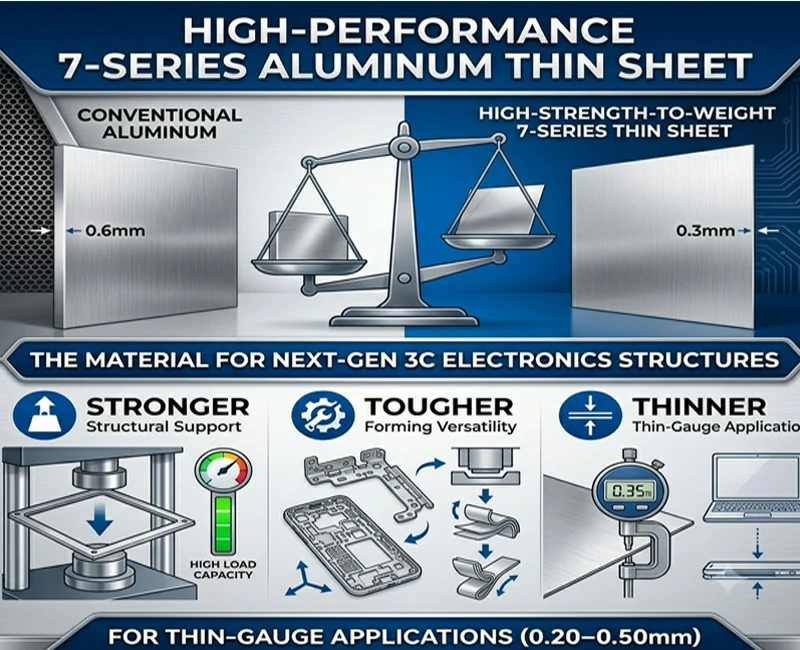
3C electronic products-such as smartphones, laptops, tablets, and displays-are continuously evolving toward thinner, lighter, higher-strength, and better heat-dissipating designs. For components like backlight plates, support brackets, middle frames, internal structural parts, and thin-wall stamped parts, the material must not only reduce weight but also maintain sufficient strength and stability at reduced thicknesses.
Conventional aluminum alloys, while lightweight and easy to process, often suffer from insufficient strength, inadequate rigidity, or thin-wall deformation in high-strength structural applications. Stainless steel offers higher strength but has high density and weight, and its thermal conductivity and processing costs make it unsuitable for many lightweight electronic structural components.
- Therefore, 3C electronic structural components demand more from materials:
- Lighter: Helps reduce overall device weight, supporting slim and lightweight design;
- Stronger: Maintains structural support capability even at thin gauges;
- Tougher: Suitable for stamping, bending, and complex forming;
- Thinner: Meets application requirements for ultra-thin gauges such as 0.20–0.50 mm;
- More stable: Reduces cracking, distortion, and performance variation during processing;
- Better suited for electronic environments: Offers good thermal conductivity and non-magnetic interference characteristics.
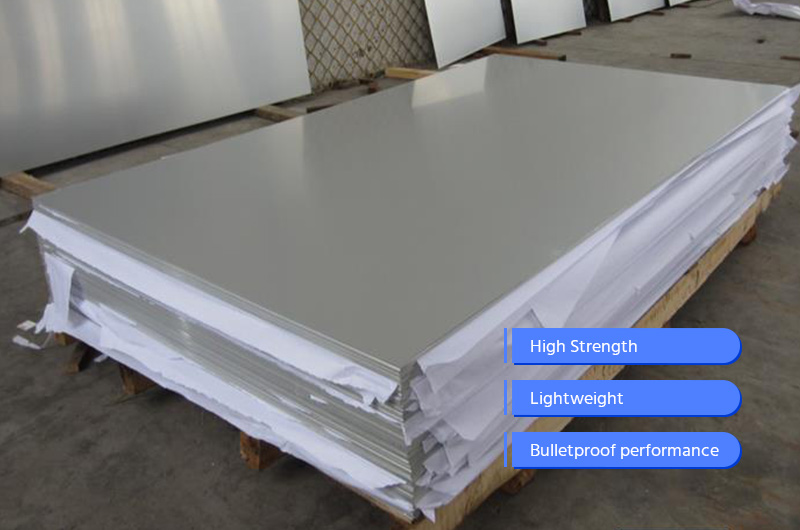
High-strength, high-toughness 7-series aluminum thin sheet has gained attention precisely due to these demands. It combines the advantages of aluminum-lightweight, thermally conductive, and non-magnetic-while delivering higher tensile strength and yield strength, offering a high-strength option within the broader 3C digital housing aluminum sheet and strip material range for structural components in smartphones, computers, and displays.
Why is ultra-high-strength 7-series aluminum thin sheet difficult to produce?
7-series aluminum alloys belong to the Al-Zn-Mg-Cu family of high-strength aluminum alloys. They offer high strength and high specific strength, making them ideal for lightweight structural parts. However, when thickness is reduced below 0.50 mm, manufacturing difficulty increases significantly.
7-series aluminum alloys have high alloying content, a wide solidification temperature range, and complex microstructures, making them prone to cracking during aluminum smelting and casting. This imposes stringent requirements on composition control, casting, and microstructural uniformity.
Additionally, while 7-series aluminum offers high strength, its ductility and toughness are relatively poor. During rolling, heat treatment, straightening, stamping, and bending, thin sheet is susceptible to cracking, distortion, springback, or performance fluctuations. Thus, the industry challenge isn't just about achieving thinness-it's about simultaneously ensuring the following at thin gauges:
- High strength;
- Good elongation;
- Stable flatness;
- Crack-free bending;
- Batch consistency.
Currently, ultra-high-strength 7-series aluminum thin sheet with thickness <0.50 mm remains a common industry challenge. For 3C electronic structural components, the material must be both lightweight and ultra-thin while delivering high strength and stable stamping and bending performance-precisely the technical barrier of high-strength, high-toughness aluminum thin sheet.
How does Chalco overcome the challenges in producing high-strength, high-toughness aluminum thin sheet?
To address the difficulties of ultra-high-strength 7-series aluminum thin sheet in strength, toughness, and thin-gauge processing, Chalco has achieved systematic breakthroughs in alloy composition design, process optimization, equipment enhancement, and precision control.
By optimizing alloy composition and microstructure control, the material maintains high strength while improving ductility, toughness, and processing stability. Through refined aluminum smelting, casting, rolling, and heat treatment processes, Chalco minimizes cracking, flatness variation, and performance instability during thin-sheet production.
Chalco has successfully achieved stable production of 0.20–0.50 mm high-strength, high-toughness 7-series aluminum thin sheet, enabling the material to balance strength, elongation, and bendability even at thin gauges.
This product meets the integrated demands of 3C electronic structural components for lightweighting, high strength, thin-wall design, and formability, making it suitable for smartphones, computers, display backlight plates, and related precision structural parts.
Product advantages of Chalco's high-strength, high-toughness 7-series aluminum thin sheet
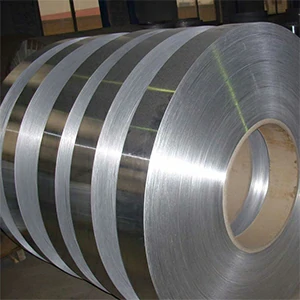
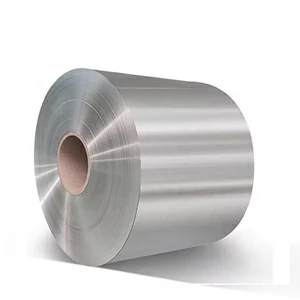
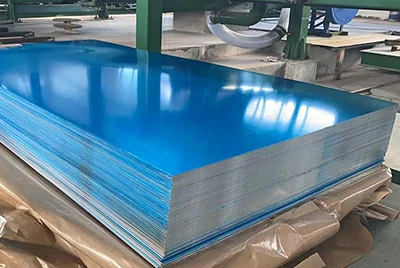
Chalco's high-strength, high-toughness 7-series aluminum thin sheet is available in thin gauges of 0.20–0.50 mm, offering higher strength and better processing stability while retaining the lightweight advantage.
| Item | Performance advantages |
| Thickness range | 0.20–0.50 mm |
| Tensile strength | ≥520 MPa |
| Yield strength | ≥460 MPa |
| Elongation | >10% |
| Bending performance | 90° bending without cracking |
| Material characteristics | Lightweight, high-strength, thermally conductive, non-magnetic interference |
Compared with formability-oriented 5052 3C aluminum sheet and strip and structural 6061 3C aluminum sheet options, the high-strength 7-series thin-sheet route serves a different balance of strength, gauge, and forming needs; the alternatives should be checked against part drawings rather than treated as direct thin-gauge substitutes. Where the project priority shifts toward balancing structural strength with thermal management in a 6xxx sheet route, high-strength 6000-series aluminum sheet should be evaluated separately. Compared with stainless steel, 7-series aluminum is lighter and offers superior thermal conductivity, making it better suited for lightweight design of smartphones, computers, display backlight plates, and electronic structural components.
This material is ideal not only for weight reduction but also for 3C electronic components requiring high strength, thin-wall structures, bend forming, and batch consistency.
Applications of high-strength, high-toughness aluminum thin sheet in 3C electronics
Smartphone structural components
Suitable for mobile phone middle frames, support brackets, and internal reinforcement parts in smartphones. Its high strength and low weight enhance structural stability while meeting slim-design requirements.
Contact us now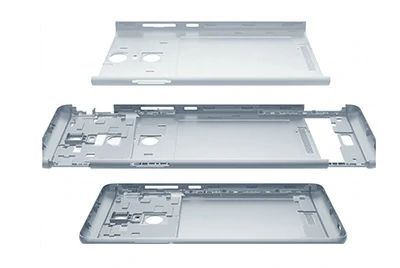
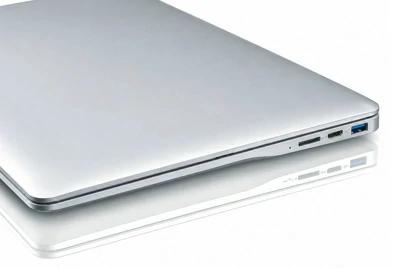
Laptop structural components
Applicable to laptop casings, back covers, brackets, and internal load-bearing parts. High-strength, high-toughness thin sheet provides superior support at reduced thicknesses, minimizing deformation risk.
Contact us nowDisplay backlight plates
Ideal for display backlight plates and associated support structures. Aluminum's excellent thermal conductivity and non-magnetic properties benefit heat dissipation and stable operation of electronic devices.
Contact us now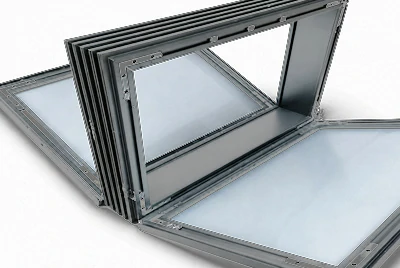
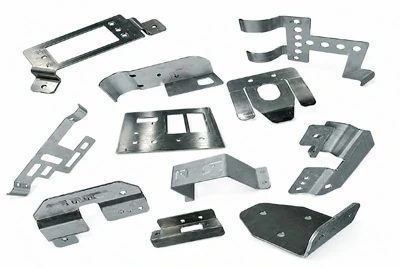
Thin-wall stamped parts
Suitable for precision thin-wall parts requiring stamping, bending, and forming. With high elongation and crack-free 90° bending performance, it reduces the risk of processing cracks and scrap.
Contact us nowBy combining high strength, lightweighting, and excellent formability, Chalco's high-strength, high-toughness 7-series aluminum thin sheet helps 3C electronics customers achieve a better balance among weight reduction, structural strength, processing stability, and product reliability.
How to select the right high-strength, high-toughness aluminum thin sheet?
Different 3C electronic structural components have varying material requirements. When selecting materials, customers should consider not only strength but also part thickness, processing method, and application location. For parts dominated by deep drawing or complex stamping rather than maximum strength, high-formability aluminum sheet for 3C internal components represents a distinct forming-led material route.
When the project already points to a specific 7-series grade, selection can be narrowed further at the alloy and product level. 7021 3C aluminum sheet provides a more specific 7021 route for 3C digital components, while 7075 mobile phone middle-plate aluminum sheet focuses more directly on 7075 material for phone structures. For broader 7075 sheet and plate specifications, 7075 aluminum sheet and plate provides the general product route.
Confirm thickness requirements
Chalco's high-strength, high-toughness 7-series aluminum thin sheet is available in 0.20–0.50 mm gauges, suitable for slim structural parts, back plates, support brackets, and thin-wall stamped components.
Confirm strength requirements
For parts subjected to assembly forces, support loads, or long-term structural stress, focus on tensile strength, yield strength, and flatness stability.
Confirm forming method
For parts requiring stamping, bending, or continuous forming, verify bend radius, bend angle, stamping depth, and die design in advance to avoid cracking or springback issues; when the design includes precision milling, drilling, or post-forming features, assess the CNC aluminum machining requirements separately from stamping and bending performance.
Confirm surface and delivery requirements
Electronic structural components typically demand high standards for surface quality, dimensional accuracy, flatness, packaging, and batch consistency. If the project includes aluminum anodizing after fabrication, substrate selection and final surface requirements should be reviewed together within broader aluminum anodizing solutions. Projects that must combine higher structural performance with an anodized electronics housing can further evaluate high-strength anodized aluminum for electronics housings, while appearance-critical components require a separate aluminum selection for anodized appearance parts review. Chalco can tailor specifications, temper, width, coil weight, and packaging based on customer application needs.
Type III hardcoat represents a different functional route from the appearance-oriented thin-sheet applications above. Where wear resistance and a hard-anodized rod or bar form become the primary requirements, Type III hard-anodized aluminum bar should be evaluated separately.
High-strength, high-toughness aluminum thin sheet support from Chalco
Chalco provides material selection and supply support for high-strength, high-toughness 7-series aluminum thin sheet tailored to the application position, processing method, and performance goals of 3C electronic structural components. For broader grades and conventional plate specifications outside this specialized 0.20–0.50 mm sheet range, buyers can evaluate the aluminum sheet and plate product range separately.
- Specification customization: Thickness, width, length, coil weight, and delivery format can be confirmed based on customer requirements.
- Performance matching: Material solutions can be optimized around strength, elongation, bending performance, and forming stability.
- Application adaptation: Suitable for smartphones, computers, display backlight plates, support brackets, and thin-wall structural components.
- Processing requirement validation: Material feasibility can be assessed based on stamping, bending, stretching, continuous forming, or other process requirements. For electronics housings specified around precision stamping instead of this ultra-thin 7-series sheet route, GM55 aluminum plate for precision-stamped electronic housings is a separate conditional product option.
- Sample and trial production support: Sample verification, small-batch trials, and volume supply are available to help customers reduce material validation risks.
- Quality and delivery support: Dimensional control, surface quality control, batch management, packaging, and export delivery support are provided per order requirements.
By comprehensively aligning material performance, processing needs, and delivery requirements, Chalco helps customers quickly identify the optimal high-strength, high-toughness 7-series aluminum thin sheet solution for lightweight 3C electronic structural components.
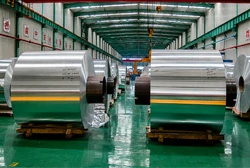
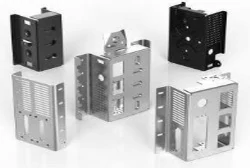
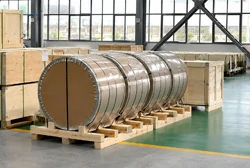
Related Anodized Aluminum Products

Anodized Aluminum Sheet
Anodized Aluminum Coil
Anodized Aluminum Extrusions
Anodized Aluminum Tubing
Anodized Aluminum Wire
Information recommended when requesting a quote
To help Chalco quickly confirm the material solution, performance requirements, and quotation, please provide the following information:
- Material specifications: Thickness, width, length, or coil dimensions.
- Alloy or performance requirements: Specify a 7-series alloy or provide target performance criteria.
- Mechanical property requirements: Tensile strength, yield strength, elongation, etc.
- Part application: Smartphone, computer, display backlight plate, support bracket, or other electronic structural component.
- Processing method: Stamping, bending, stretching, continuous forming, or other processing techniques.
- Bending requirements: Bend angle, bend radius, and whether 90° crack-free bending is required.
- Surface quality requirements: Flatness, scratch control, cleanliness, or post-processing surface treatment needs.
- Order quantity: Sample, small-batch trial, or volume production requirements.
- Packaging requirements: Coil, sheet, pallet, wooden crate, moisture-proof, scratch-resistant, or other export packaging specifications.
With complete information, Chalco can recommend the most suitable high-strength, high-toughness 7-series aluminum thin sheet solution based on part application, processing method, and performance targets.
FAQs
What is high-strength, high-toughness 7xxx-series aluminum thin sheet and strip?
High-strength, high-toughness 7xxx-series aluminum thin sheet and strip is an aluminum alloy material that combines high strength, good toughness, and thin-gauge processing capability. It is suitable for 3C electronic components requiring lightweight design, structural strength, and bending formability.
How thin can Chalco's 7xxx-series aluminum thin sheet and strip be?
Chalco offers high-strength, high-toughness 7xxx-series aluminum thin sheet and strip in thicknesses of 0.20–0.50 mm, ideal for thin-gauge applications such as smartphones, laptops, display backlights, and electronic structural components.
Can this material be bent?
Yes. The material exhibits excellent ductility and toughness, with elongation reaching >10%, and can achieve 90° bending without cracking, making it suitable for stamping, bending, and thin-wall forming processes.
What advantages does high-strength, high-toughness 7xxx-series aluminum thin material offer over conventional aluminum alloys?
Compared to standard 5xxx- and 6xxx-series aluminum alloys, high-strength, high-toughness 7xxx-series aluminum thin material delivers higher tensile strength and yield strength, making it better suited for electronic components that demand structural support, thin-wall design, and weight reduction.
Can high-strength, high-toughness aluminum thin sheet and strip replace stainless steel?
It can serve as a replacement in certain lightweight electronic structural components. Compared to stainless steel, aluminum is lighter, offers better thermal conductivity, and is non-magnetic. However, whether it is suitable as a substitute depends on the specific part geometry, strength requirements, processing methods, and operating environment.