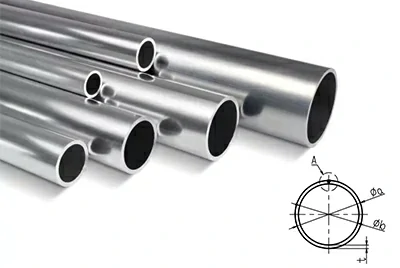
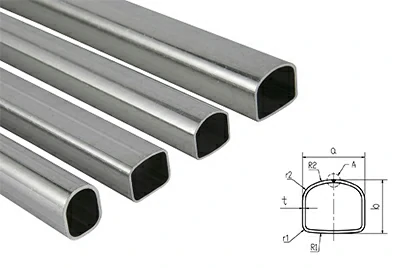
GOST, written in Russian as ГОСТ, is an abbreviation of Государственный Стандарт and is commonly understood as "state standard" or "national standard."
The GOST standards originated during the Soviet era and have since continued to be used or referenced in Russia, certain CIS countries, and projects linked to former Soviet states.
GOST is not a single material standard but rather a broad standardization system. It covers multiple domains, including metals and alloys, machinery and equipment, construction materials, electrical products, food, technical documentation, testing methods, and product quality requirements.
Therefore, when buyers encounter "GOST" in drawings, bills of materials, legacy Soviet project documents, or technical specifications, they must first determine exactly which product category and technical requirements the referenced standard applies to.
Which countries use or reference GOST standards?
GOST standards are still used or referenced in Russia, Belarus, Kazakhstan, Armenia, Kyrgyzstan, Uzbekistan, Tajikistan, Turkmenistan, Azerbaijan, Moldova, and Georgia.
Ukraine abolished its GOST-based DSTU standards in December 2015, but GOST references may still appear in legacy drawings, industrial documentation, and maintenance projects.
What Is the difference between GOST, GOST R, OST, and TU?
Many people equate GOST directly with Russian national standards, but strictly speaking, this is not entirely accurate. GOST originated within the Soviet standardization system and later persisted as a transnational framework, continuing to be used or referenced across multiple CIS and former Soviet-aligned countries.
Because Russia is the most prominent and influential user of GOST-related standards, GOST is often informally associated with Russia.
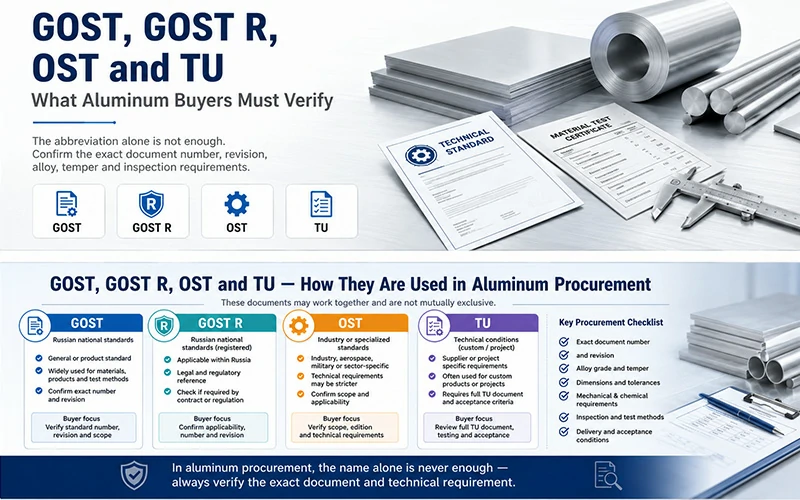
In practice, however, GOST, GOST R, OST, and TU are not the same. GOST functions more like a "common technical language" inherited from the Soviet/CIS standardization system.
GOST R is Russia's own national standard system. OST refers to industry-specific standards, commonly found in aerospace, defense, and mechanical engineering sectors. TU stands for "technical conditions," typically applied to special products, custom requirements, or project-specific delivery terms.
This distinction is critical for aluminum alloy procurement. If a drawing only states "GOST," it does not necessarily require Russian national certification. If it specifies "OST," the material may need to comply with a particular industry or aerospace technical document.
If it cites "TU," the actual requirements may reside in project-specific technical conditions rather than publicly available general standards.
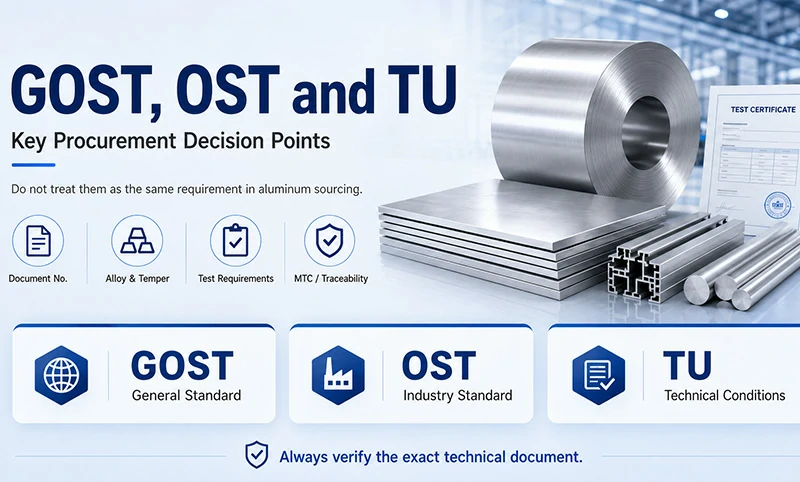
Thus, when procuring Russian-standard aluminum alloys, the key is not merely identifying whether the reference is GOST, GOST R, OST, or TU—but confirming the exact standard number, publication year, alloy grade, product form, delivery condition, chemical composition, mechanical properties, and required inspection documentation.
How to identify Russian GOST aluminum alloy designations
Russian GOST aluminum alloy designations are not as straightforward to recognize as ASTM, EN, or JIS grades. Many Russian alloy designations combine Cyrillic letters, numbers, and lowercase Latin characters, leading to multiple spelling variations for the same alloy across different sources.
For example, В93 may appear as V93 or B93; Д19ч as D19ch; and Сил1С as Sil1S. These discrepancies typically stem from Cyrillic-to-Latin transliteration practices, legacy Soviet drawings, scanned documents, or historical typewriting conventions.
This is critically important—misreading a single letter can result in selecting the wrong material.
Moreover, the same letter can carry different meanings across different material systems within GOST alloy designations.
For instance, "M" may denote molybdenum in certain steel grades but could indicate copper in aluminum or copper alloy designations.
Therefore, identifying Russian aluminum alloy grades requires cross-referencing the original Cyrillic designation, its Latin transliteration, the applicable standard number, chemical composition, and supporting material documentation—not just visual letter matching.
| Cyrillic Letter | Common Transliteration | Possible Confusion | Example |
| В | V / B | Often written as B in English documents | В93 / V93 / B93 |
| Д | D | Common in Russian aluminum alloy grades | Д19ч / D19ch |
| С | S / C | Can be confused with Latin C | Сил1С / Sil1S |
| Ц | Ts / C | May be simplified or mistranslated | АКЦМ / AKTsM / AKCM |
| З | Z / 3 | Can look like the number 3 | Common in old documents |
| О | O / 0 | Can look like zero | Need checking in drawings |
| М | M | Meaning differs by material system | In aluminum/copper systems, it may not follow steel-grade logic |
When interpreting GOST aluminum alloy requirements, the most reliable approach is to retain the original Cyrillic grade, its Latin transliteration, the standard number, and any material notes simultaneously.
A grade designation alone is insufficient for procurement—it must be verified alongside the standard version, chemical composition, product form, delivery condition, and inspection documentation.
Common GOST / OST standards for Russian aluminum alloys
When procuring Russian-standard aluminum alloys, the specific standard number is often more important than the term "GOST" itself.
GOST is a comprehensive technical standardization system that applies not only to aluminum alloys but also to steels, stainless steels, castings, forgings, welding consumables, and other industrial products. Therefore, the exact standard must be identified based on material category, product form, and intended application.
Below are some of the more frequently encountered and practically relevant standards in Russian aluminum alloy procurement.
| Standard | Main Application | Why It Matters for Buyers |
| GOST 4784 | Aluminum and wrought aluminum alloy grades | Used to confirm Russian aluminum alloy grade and chemical composition system |
| GOST 1131 | Wrought aluminum alloy ingots | Important for custom melting, ingot preparation and further rolling, extrusion or pressure processing |
| GOST 21631 | Aluminum and aluminum alloy sheets | Commonly used for sheet and thin plate procurement |
| GOST 17232 | Aluminum alloy plates | Used for thicker plate products, structural plates and load-bearing applications |
| GOST 618 | Aluminum foil | Commonly referenced for technical aluminum foil and thin-gauge aluminum products |
| GOST 745 | Aluminum foil and packaging-related foil | Important for foil products used in packaging, insulation or lightweight applications |
| GOST 21488 | Aluminum and aluminum alloy bars | Useful when a project requires pressed or machined bar products |
| GOST 18475 / GOST 18482 | Aluminum alloy tubes | Used when tube form, wall thickness, diameter and delivery condition must be confirmed |
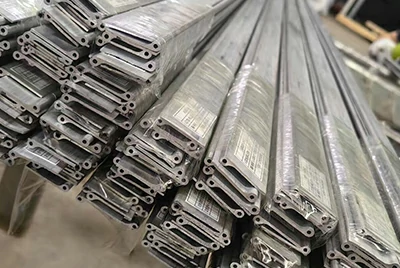
| GOST 8617 | Aluminum alloy extruded profiles | Common for industrial profiles, structural profiles and custom extrusions |
| GOST 22233 | Architectural aluminum profiles | Important for windows, doors, curtain walls and building profile systems |
| GOST R 56370 / GOST R 56371 | Marine aluminum plates and sheets | Relevant for shipbuilding, marine structures and corrosion-resistant aluminum materials |
| OST 1 92014-90 | Aviation or industry-specific aluminum alloys | Often used for selected Russian aviation, aerospace or special industry alloy requirements |
| OST 1 90048-90 | Aviation-related aluminum alloy technical document | May appear in old Soviet drawings, aviation maintenance or legacy project specifications |
| OST 5.9466-88 | Special industrial or marine-related aluminum alloy requirements | Useful for selected legacy, shipbuilding, defense or special engineering materials |
| OST / TU documents | Industry standards or project technical conditions | Often required for old drawings, non-standard alloys, special sizes, custom delivery or acceptance requirements |
Can GOST aluminum alloys be matched to ASTM, EN, DIN, or JIS grades?
Many buyers attempt to correlate Russian GOST aluminum alloy designations with ASTM, EN, DIN, JIS, or GB grades.
However, similar alloy systems do not guarantee material equivalence. Some GOST aluminum alloys may appear comparable to common international grades such as 2024, 7075, 7050, 5083, or 6061, but differences may still exist in chemical composition, delivery condition, mechanical properties, heat treatment response, corrosion resistance, product form, and application limitations.
Therefore, GOST aluminum alloy equivalents should only serve as an initial screening reference and cannot be directly used as a basis for substitution.
| Russian / GOST Grade or Family | Common International Reference |
| Д16 / D16 | 2024, EN AW-2024, AlCu4Mg1 |
| 1163 | 2024 / 2124 direction |
| В95 / V95 | 7075, EN AW-7075 |
| В93 / B93 / V93 | 7050, 7075, sometimes 7005 / 7020 as reference |
| 1920 / В92 | 7005 / 7020 / 7022 direction |
| 1420 | 2090 / 8090 / 2195 Al-Li family reference |
| АМг6 / AMg6 | 5083, 5086, EN AW-5083 |
| АМг5 / AMg5 | 5056 / 5086 / 5456 direction |
| АМг3 / AMg3 | 5052 / 5754 / 5454 direction |
| АД31 / AD31 / AlMgSi | 6060, 6063, EN AW-6060 / 6063 |
| АД33 / AD33 | 6061 / 6082 direction |
| АК4-1 / AK4-1 | 2618 / 2218 direction |
| 1145 / 8111 foil grades | AA 1145 / 8011 / 8079 direction |
| Сил1С / Sil1S, Сил2С / Sil2S | 4047 / AlSi12 brazing alloy direction |
If uncertain whether a specific GOST grade corresponds to an international designation, please provide the original Russian alloy name, drawing, or chemical composition table. Chalco can assist in determining whether production per GOST specification is more suitable or if approximate grade comparison should be performed first.
Are GOST standards and GOST certification the same thing?
Compliance with GOST standards does not equate to holding GOST certification. This is a common misunderstanding in international procurement.
GOST standards are essentially technical documents that may specify material grades, chemical composition, mechanical properties, product forms, dimensions, testing methods, and delivery requirements. For Russian aluminum alloys, GOST / OST / TU standards are primarily used to verify whether the material meets drawing, purchase order, or project specifications.
GOST certification, on the other hand, is a conformity assessment or approval document typically related to regulatory compliance or market access requirements. Often, when people refer to a "GOST certificate," they actually mean the Russian GOST R certification system, which is distinct from producing aluminum alloys according to GOST material standards.
For aluminum alloy procurement, the priority is to confirm that the material complies with the specified GOST / OST / TU standard, chemical composition, product form, delivery condition, and mechanical properties. If the project involves Russian market access, EAC regulations, or customer-mandated compliance, additional verification of required certifications is necessary.
Chalco primarily supports material verification documentation required for GOST aluminum alloy procurement, including MTC mill test certificates, chemical composition reports, mechanical property reports, dimensional inspection reports, and batch traceability documentation.
Common GOST aluminum alloy pages supported by Chalco
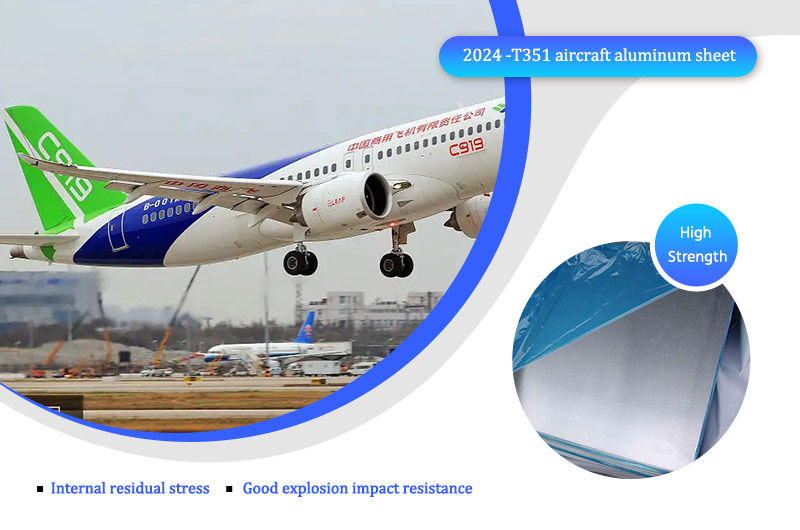
Chalco supplies a wide range of Russian GOST / OST aluminum alloys suitable for legacy Soviet drawings, Russian-language technical documents, aerospace-related projects, MRO maintenance needs, and procurement scenarios involving hard-to-source GOST designations.
The following content helps customers quickly locate the corresponding GOST aluminum alloy and further understand relevant standards, product forms, chemical composition, and procurement requirements.
You can also explore our full Custom Russian GOST / OST Aluminum Alloy Supplier page to compare available Russian standard aluminum alloy grades, product forms and custom supply options.
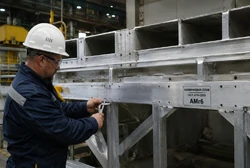
Russian aerospace, legacy project, and MRO-related aluminum alloys
These alloys commonly appear in Russian or Soviet aerospace, defense, transportation, maintenance, and legacy project technical documentation.

1163 Aluminum Alloy

1420 Aluminum Alloy

1901 Aluminum Alloy

1920 Aluminum Alloy

1980 Aluminum Alloy
1985ч Aluminum Alloy

В93 Aluminum Alloy

Д19ч / D19ch Aluminum Alloy

Сил1С / Sil1S Aluminum Alloy

Сил2С / Sil2S Aluminum Alloy
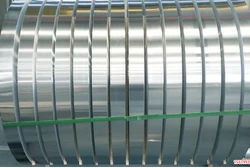
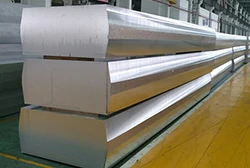
Russian standard industrial and rolled product aluminum alloys
These grades are commonly used in aluminum sheet, plate, aluminum coil, aluminum strip, aluminum foil, ingot preparation, industrial processing, and general engineering procurement.

1105 Aluminum Alloy

1145 Aluminum Alloy

8111 Aluminum Alloy
AVD1-1 Aluminum Alloy

AKM Aluminum Alloy
AKTsM Aluminum Alloy
Can Chalco customize aluminum alloys to GOST standards or Russian designations?
Soviet-era drawings, aviation specifications, maintenance documents, or Russian-language material notes may only reference GOST grades, OST standards, chemical composition tables, or project-specific requirements.
If the required Russian standard grade is difficult to source, Chalco can support custom production of GOST/OST aluminum rolled products based on the Russian designation, GOST/OST/TU standards, legacy drawings, chemical composition, product form, and required inspection documentation.
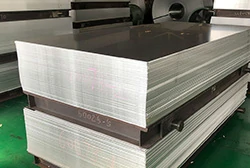
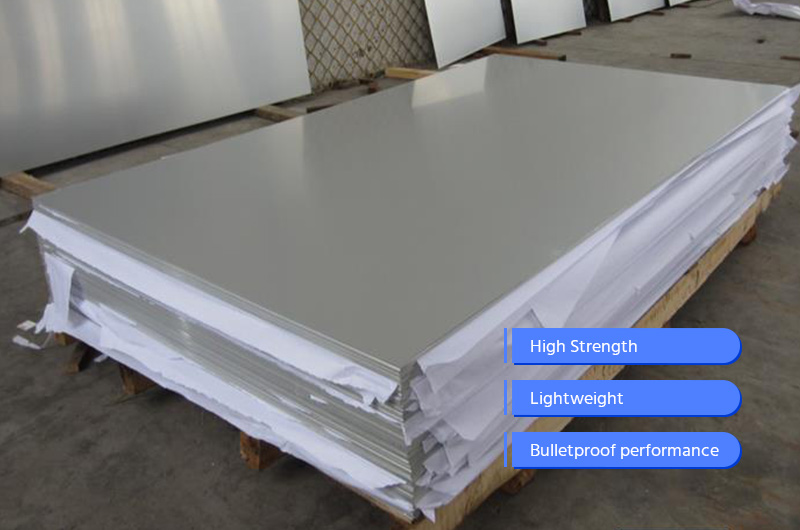
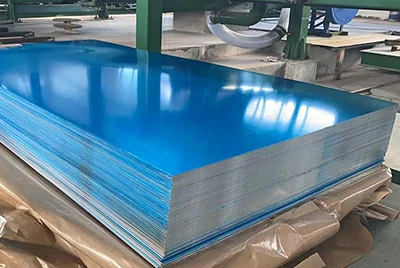
GOST aluminum sheet

GOST aluminum plate
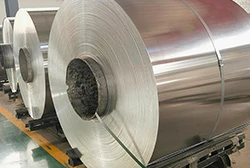
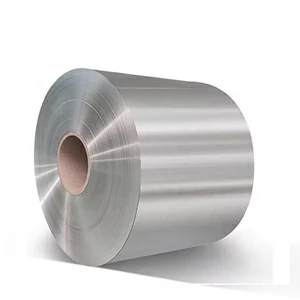
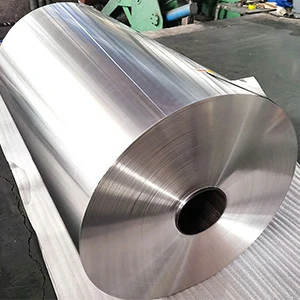
GOST aluminum coil
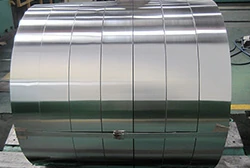
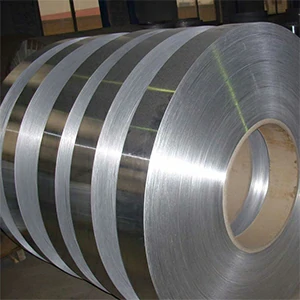
GOST aluminum strip
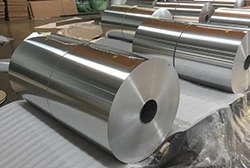
GOST aluminum foil
Customization can be based on the original Russian alloy designation, chemical composition requirements, target applicable standard, or an approximate international reference grade.
Final production should still be confirmed against drawings, standard version, chemical composition, delivery condition, product form, mechanical properties, and inspection requirements.
How to interpret GOST aluminum alloy requirements on drawings?
Before procuring or substituting a GOST aluminum alloy, do not rely solely on the grade name. Verify the following information:
- Alloy grade: confirm whether the grade is written in Cyrillic, English transliteration or simplified form, such as V93 / B93 / V93, D19ch / D19ch, Sil1S / Sil1S.
- Standard number and year: check the exact standard and version, such as GOST 4784-97, GOST 4784-2019, GOST 1131-76 or OST 1 92014-90.
- Product form: confirm whether the material is required as sheet, plate, coil, strip, foil, bar, tube or extruded profile.
- Delivery condition: confirm whether the material needs to be annealed, hardened, quenched, naturally aged, artificially aged, clad or supplied in a customer-specified condition.
- Dimensions and tolerances: check thickness, width, length, diameter, wall thickness, profile section, tolerance and machining allowance.
- Chemical composition and mechanical properties: review composition, tensile strength, yield strength, elongation, hardness and any special project requirements.
- Inspection documentation: confirm whether MTC, chemical composition report, mechanical properties report, dimensional inspection report, batch traceability, packing list or third-party inspection is required.
- Substitution allowance: check whether ASTM, EN, DIN, JIS or GB approximate equivalents are accepted by the project.
A single GOST grade alone is insufficient for reliable procurement. Before production or substitution, verify the original drawing, standard version, product form, delivery condition, dimensions, performance requirements, and inspection documentation.
FAQ
What is the GOST standard?
GOST standards are technical specifications used in Russia, the former Soviet Union, or CIS-related systems. For aluminum alloys, they may define grades, composition, product forms, properties, and delivery requirements.
What does GOST stand for?
GOST comes from the Russian phrase 'Gosudarstvennyy Standart,' meaning State Standard.
What is the Russian standard code GOST?
A GOST code typically includes the standard number and year, such as GOST 4784-2019, and must be verified together with the alloy grade and product requirements.
What is GOST certification?
GOST certification refers to compliance or approval documentation and is not equivalent to the GOST material standard itself.
Is providing only a GOST grade sufficient for a quotation?
Usually not—additional details such as standard number, year, product form, condition, dimensions, quantity, and required documentation are also needed.
What documentation should be requested when procuring GOST aluminum alloy materials?
Common documents include MTC, chemical composition report, mechanical properties report, dimensional inspection report, batch traceability, and packing list.
What information is needed to request a quote for GOST aluminum alloys?
It is recommended to provide the Russian alloy designation, standard number, year, product form, condition, dimensions, quantity, application, drawings, and required documentation.