АВД1-1 aluminum alloy is a Russian standard wrought aluminum alloy that complies with GOST 1131-76.
It is mainly used for ingots intended for subsequent pressure processing such as rolling, extrusion, and forging. It can also be used as a premix for melting other aluminum alloys.
For procurement and engineering projects that focus on Russian grade designations, ingot material standards, composition stability, and compatibility with subsequent processing, АВД1-1 offers good plasticity, stable mechanical properties, and a clear standards basis.
Standards and specifications for АВД1-1 aluminum alloy
To ensure that the chemical composition, ingot quality, and compatibility with subsequent processing of АВД1-1 aluminum alloy meet project requirements, the production and supply of this alloy are usually carried out in accordance with the following Russian standards and related specifications:
- GOST 1131-76 —— Wrought aluminum alloy ingots. This is the core standard for АВД1-1, mainly used to specify the grade, chemical composition, and basic supply requirements for ingots.
- GOST 8617-81 —— Standard for aluminum and aluminum alloy extruded profiles. It applies to the production and acceptance of subsequent extruded profile products.
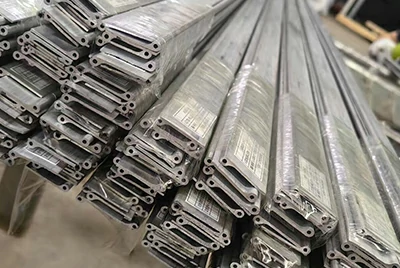
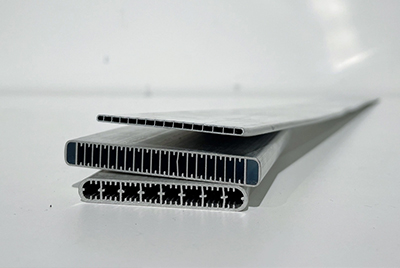
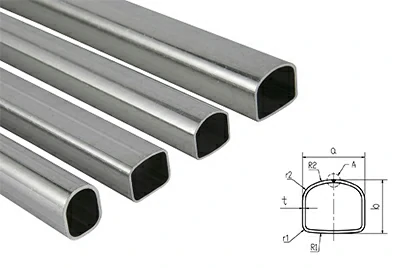
- GOST 13623-90, GOST 17575-90, GOST 13738-91, GOST 13624-90, GOST 13622-91, GOST 13621-90, GOST 13620-90, GOST 29303-92, GOST 50066-92, GOST 29296-92, GOST 50077-92, GOST 50067-92, GOST 17576-97, GOST 13737-90, GOST 13619-97, GOST 13618-97, GOST 13617-97, GOST 13616-97 —— These standards apply to extruded profiles and special-shaped profiles with different cross-sections, including channel profiles, angle profiles, T-profiles, Z-profiles, I-beam profiles, and other special cross-section products.
Available product forms of АВД1-1 aluminum alloy
We can supply АВД1-1 aluminum alloy in a variety of basic material and semi-finished forms to meet customers' procurement needs.
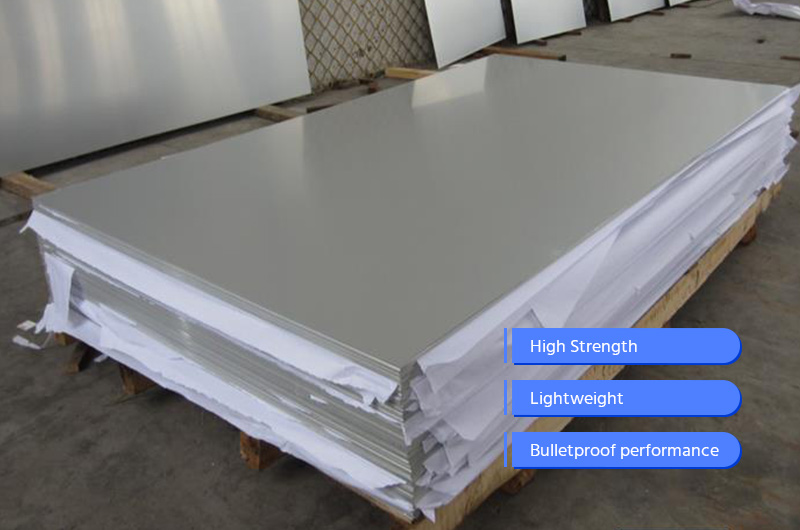
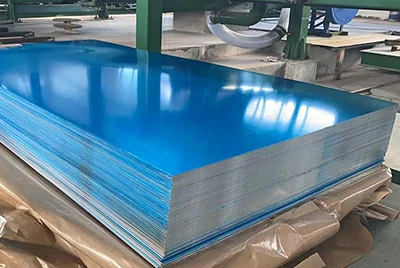
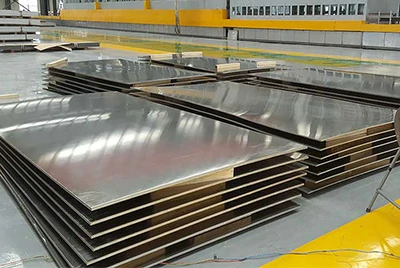
АВД1-1 aluminum plate / aluminum sheet
Can be used for subsequent cutting, bending, stamping, and general semi-finished product processing.
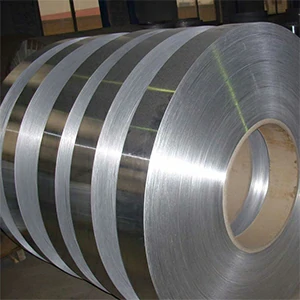
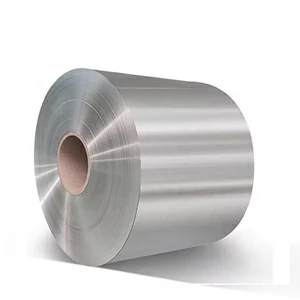
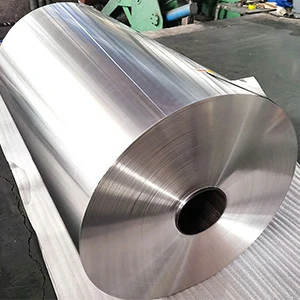
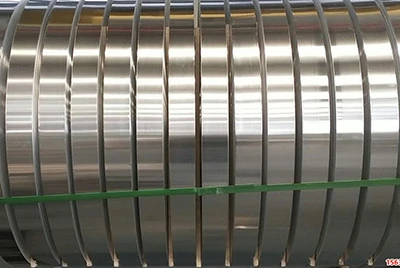
АВД1-1 aluminum strip / coil
Suitable for continuous processing, slitting, and other subsequent manufacturing processes.
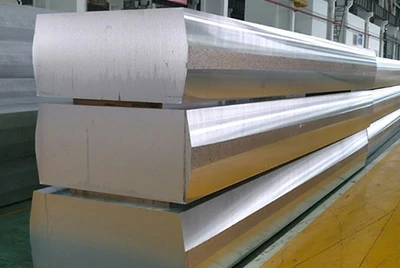
Among them, ingots are mainly used for subsequent pressure processing such as rolling and extrusion. They can also be used as premix material and for composition adjustment in the production of other aluminum alloys.
If your project involves subsequent rolling, extrusion, or alloy melting batch preparation, we can help confirm a more suitable supply solution based on the product form, size requirements, and downstream processing route.
Instant QuoteDimensions and custom supply capabilities of АВД1-1 aluminum alloy
- Confirming cross-section forms based on drawings.
- Confirming side width, thickness, and length according to target dimensions.
- Supporting fixed-length cutting and batch matched delivery.
- Confirming supply solutions separately according to project drawings, target dimensions, and subsequent processing methods.
For projects involving substitute material evaluation or subsequent deep processing, customers are advised to provide drawings, cross-section requirements, length, quantity, and application location directly.
This makes it easier to quickly confirm the appropriate АВД1-1 supply specifications.
Instant QuoteSupply conditions and heat treatment tempers
T4 temper
T4 means the material has been solution heat treated and then naturally aged. It is usually used to achieve better plasticity and suitability for subsequent processing while maintaining a certain level of strength.
For projects that require further forming, bending, machining, or subsequent assembly, T4 is often a temper worth closer attention.
T6 temper
T6 means the material has been solution heat treated and then artificially aged. Its main feature is the ability to achieve a higher strength level, so it is more suitable for applications with higher requirements for load-bearing capacity, rigidity, or overall mechanical performance.
For projects that need a better balance between strength and lightweight performance, T6 is often the temper more commonly prioritized for confirmation.
H temper
H means a strain-hardened temper. This type of temper is not strengthened through heat treatment, but by cold working to improve the material's hardness and dimensional stability.
It is more suitable for applications such as strip and plate that require tighter dimensional control, better surface condition, or a certain level of hardness.
Chemical composition of АВД1-1 aluminum alloy
According to GOST 1131-76, the chemical composition of АВД1-1 aluminum alloy is as follows.
This alloy is based on aluminum, with elements such as copper, manganese, and magnesium. While ensuring good plasticity and processing adaptability, it also offers stable mechanical properties and a clear Russian standard composition basis.
| Element | Content (%) |
| Al (aluminum, base) | 93.2–97.2 |
| Cu (copper) | 2.5–3.5 |
| Mn (manganese) | 0.1–0.7 |
| Mg (magnesium) | 0.2–0.7 |
| Fe (iron) | ≤ 0.8 |
| Si (silicon) | ≤ 0.8 |
| Zn (zinc) | ≤ 0.3 |
| Ni (nickel) | ≤ 0.1 |
| Other impurities (each) | ≤ 0.05 |
| Other impurities (total) | ≤ 0.2 |
Mechanical properties of АВД1-1 aluminum alloy
| Product form | Standard | Tensile strength σb (MPa) | Elongation after fracture δ5 (%) |
| Extruded profiles | GOST 8617-81 | ≥333 | ≥12 |
АВД1-1 offers good plasticity while maintaining a certain level of strength. It is suitable for subsequent pressure processing, extruded profile manufacturing, and related semi-finished product applications.
Application areas of АВД1-1 aluminum alloy
Used for ingot stock and wrought semi-finished product production
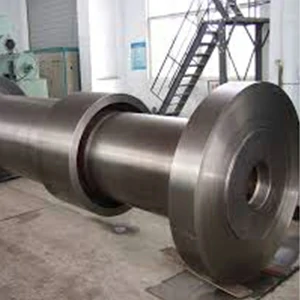
The primary use of АВД1-1 is to produce ingot stock required for subsequent extrusion, rolling, forging, drawing, and stamping.
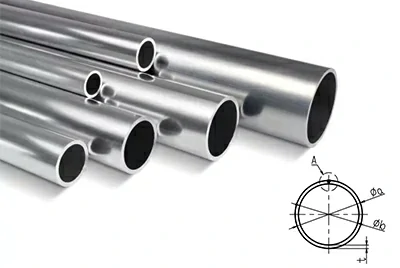
After further processing of such ingot stock, semi-finished products such as sheet, strip, slab, bar, tube, profile, and forgings can be obtained.
Used as a premix in the production of other aluminum alloys
The second core use of АВД1-1 is for podshikhtovka in the production process of other aluminum alloys, that is, to supplement and adjust the melt composition.
In practical applications, adding АВД1-1 ingots can adjust the Cu, Mg, and Mn content in the target alloy, helping control the final alloy composition range and melting stability.
For projects that require composition correction, batch control, or batching management under the Russian standard system, this use is very important.
Downstream industrial application directions
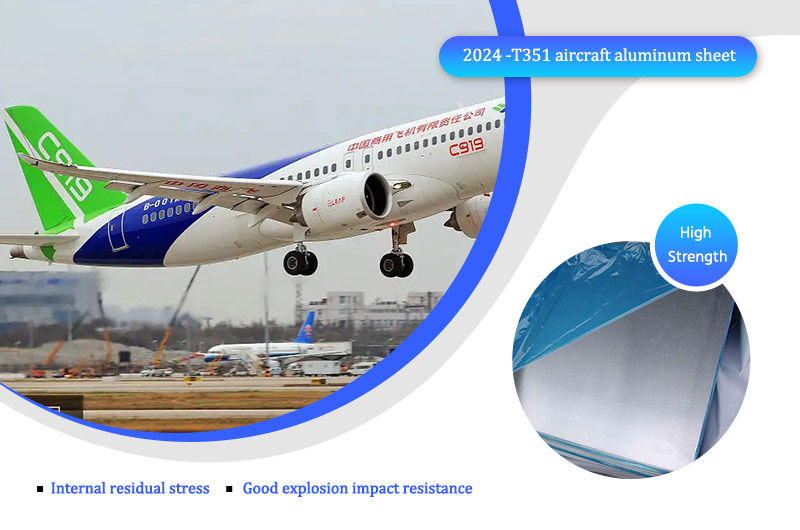
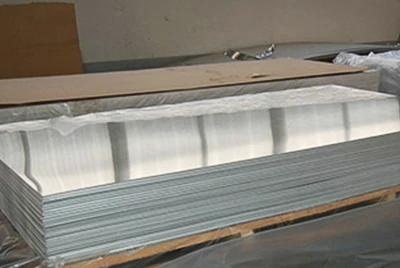
АВД1-1 aluminum alloy is suitable for producing sheet, bar, tube, profile, and other semi-finished products. It can be further used in fields such as mechanical engineering, shipbuilding, aviation-related structural parts, architectural profiles, and industrial supporting components.
For projects that focus on lightweighting, downstream processability, and compatibility with Russian standard materials, АВД1-1 can serve as a reliable base material solution for subsequent structural parts and semi-finished product manufacturing.
Advantages of АВД1-1 aluminum alloy
- Good plasticity, suitable for subsequent pressure processing such as rolling, extrusion, and forging.
- Stable mechanical properties, convenient for the production of semi-finished products and profiles.
- Has a certain degree of corrosion resistance, suitable for general industrial applications.
- Can be used as a premix or base material in the production of other aluminum alloys.
- Has a clear GOST standards basis, making material selection and procurement easier for Russian standard projects.
Limitations of АВД1-1 aluminum alloy
- Compared with high-strength aluminum alloys, its strength is limited.
- Lacks directly corresponding foreign grades, making substitute material selection more difficult.
- Not recommended for parts exposed to high temperatures or high dynamic loads.
Similar grades in other countries and guidance on substitute material selection
At present, based on publicly available information, АВД1-1 aluminum alloy does not have a clearly identified one-to-one corresponding foreign registered equivalent grade.
Some material databases directly mark this grade as "Equivalent grades: Is absent" or "зарубежные аналоги: нет данных". Therefore, when converting materials under ASTM, EN, DIN, JIS, and other systems, it is not recommended to make a direct match or simple substitution based only on the grade name.
For customers involved in export projects, standard conversion, or substitute material evaluation, it is recommended to focus on the following points: whether the chemical composition is close, whether the supply temper is consistent, whether the mechanical properties meet the application requirements, and whether the actual application scenario allows substitution. Only when composition, temper, properties, and use are basically matched does substitute material selection become more feasible.
If the project requires a high level of accuracy in material substitution, it is recommended to carry out further evaluation before procurement in combination with drawings, applicable standards, material certificates, and supplier technical confirmation, so as to avoid affecting subsequent processing, acceptance, or project use due to inaccurate grade correspondence.
Related products
Other Russian standard wrought aluminum alloys for comparison and alternative material selection: 1145, 1163, 1420, 1901, 1920, and 1980 aluminum alloys.
1145 aluminum
1163 aluminum
1420 aluminum
1901 aluminum
1920 aluminum
1980 aluminum
Related questions
Can АВД1-1 aluminum alloy be used for welded structures?
Yes, but it is recommended to confirm the welding process first to reduce the risk of cracking.
Can АВД1-1 aluminum alloy be used for casting?
It is generally not used as a primary casting material. It is more suitable for ingots for pressure processing and raw material for semi-finished products.
What are the main delivery forms of АВД1-1 aluminum alloy?
Common forms include ingots, rolled products, special-shaped profiles, and various extruded profiles.
What applications is АВД1-1 aluminum alloy mainly used for?
It is mainly used for ingot stock for subsequent pressure processing and as batch material for melting other aluminum alloys.
Does АВД1-1 aluminum alloy have a corresponding foreign grade?
At present, there is no clearly identified one-to-one foreign equivalent grade.
Is АВД1-1 aluminum alloy suitable for high-temperature or high-load parts?
It is generally not recommended for high-temperature or high dynamic load parts.