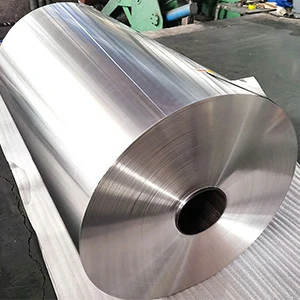
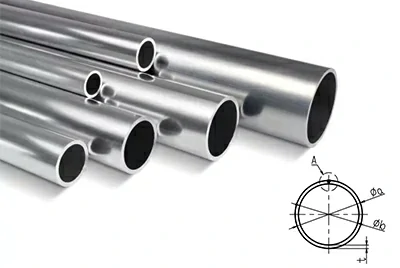
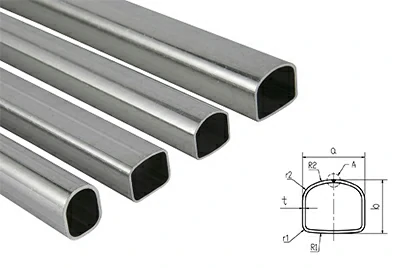
A titanium aluminum composite tube uses a titanium-inner, aluminum-outer composite structure. The titanium inner tube isolates seawater, brine, and other corrosive tube-side media confirmed through material evaluation. The aluminum outer layer transfers heat outward and helps reduce structural weight while providing a base for external fin forming. This structure combines tube-side corrosion resistance with enhanced heat transfer outside the tube.
- Product Forms: Titanium Aluminum Composite Plain Tube; Titanium Aluminum Composite Finned Tube
- OD Range: Approximately φ19.5–φ40 mm
- Applications: Industrial refrigeration, seawater-source heat pumps, marine cooling, and custom heat exchangers
- Customization: Tube dimensions, fin geometry, effective finned length, and tube-end configuration
Submit Service Conditions and Drawings for Selection Support and a Quote
What Is a Titanium Aluminum Composite Tube?
A titanium aluminum composite tube is a bimetallic heat exchanger tube made of a titanium inner tube and an aluminum outer layer. The titanium tube forms the surface in direct contact with the tube-side medium. Aluminum is continuously bonded around the titanium tube to create an outer layer for heat transfer and downstream processing. The two metals remain distinct layers and form an integrated tube through the bonded interface.
For conventional non-composite constructions, Chalco also supplies a broader range of aluminum tube products.
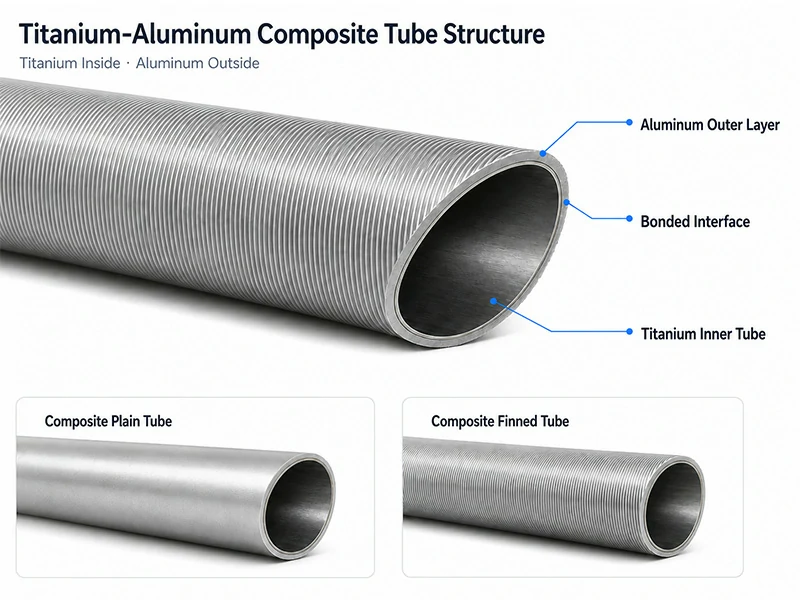
This structure places each material where it is better suited. The titanium inner tube carries seawater, brine, industrial cooling water, and other corrosive media confirmed as compatible, helping reduce tube-side corrosion risk. The lightweight, thermally conductive, and formable aluminum outer layer transfers heat outward and increases the external heat transfer area.
Heat Transfer Path:
Tube-Side Medium → Titanium Inner Tube → Titanium-Aluminum Bonded Interface → Aluminum Outer Layer → External Medium
The composite tube therefore uses the titanium inner tube to isolate corrosive media and the aluminum outer layer for heat spreading and surface forming.
Two Supply Forms of Titanium Aluminum Composite Tubes
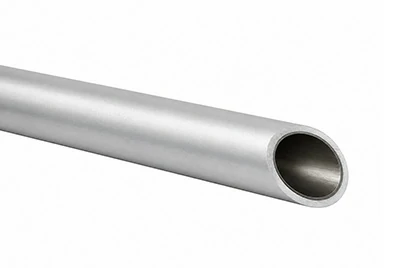
Depending on heat exchanger design and downstream processing requirements, titanium aluminum composite tubes are available as composite plain tubes or composite finned tubes. Both use the same titanium-inner, aluminum-outer structure; the difference is whether fins are formed from the aluminum outer layer.
Titanium Aluminum Composite Plain Tube
The aluminum outer layer can be roll-formed into continuous fins, with fin height, pitch, finned length, and plain-end length customized to thermal and drawing requirements.
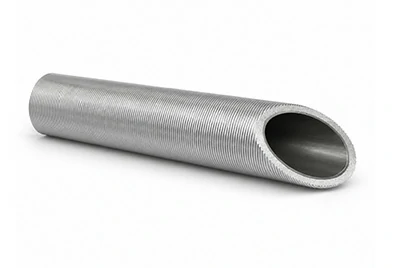
Titanium Aluminum Composite Finned Tube
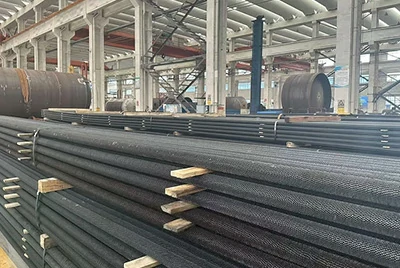
The aluminum outer layer can be roll-formed into continuous fins to increase heat transfer area, with fin height, pitch, finned length, and plain-end length customized to thermal and drawing requirements.
Neither form is universally better. Choose a composite plain tube when downstream processing will be completed in-house, or a composite finned tube when the tube will go directly into an enhanced heat transfer bundle.
For heat exchanger designs using a conventional aluminum tube-and-fin structure rather than a titanium-inner composite construction, aluminum finned tubes can be evaluated separately.
Titanium Aluminum Composite Tube Specifications and Custom Options
| Parameter | Common Specifications and Customization Reference |
| Composite Structure | Titanium inner tube + aluminum outer layer |
| Product Forms | Composite plain tube; composite finned tube |
| Finished OD | φ19.5–φ40 mm |
| Titanium Inner-Tube Grade | Grade 1, Grade 2 (common selection reference) |
| Aluminum Outer-Layer Grade | 1050, 1060, 1070 (common selection reference) |
| Titanium Wall Thickness | 0.8–1.2 mm as a common selection reference; other values can be reviewed against design pressure and connection requirements |
| Aluminum Layer Thickness | Customized according to finished OD, composite structure, and material allowance for fin forming |
| Tube Length | Cut to length according to bundle design, equipment drawings, and shipping conditions |
| Fin Parameters | Fin height, fin pitch, fin OD, FPI, effective finned length, and plain-end length customized to drawing |
| Tube-End Configuration | Composite plain ends, reserved plain sections, exposed titanium ends, and transition sections can be evaluated against assembly requirements |
| Delivery Requirements | Dimensional tolerances, surface condition, inspection items, and technical documents confirmed by project |
Provide the service conditions, design temperature and pressure, target dimensions, fin parameters, and tube-end requirements. We will review the material combination, structural dimensions, and manufacturing feasibility against the project drawing and prepare a corresponding quotation.
Titanium Aluminum Composite Tube Compared with Related Heat Exchanger Tubes
The main differences among these tube types are the external material, fin-forming method, and required corrosion resistance outside the tube.| Comparison Item | Titanium Aluminum Composite Tube | Solid Titanium Plain Tube | Solid Titanium Finned Tube | Titanium Tube + Separate Aluminum Fins |
| Basic Structure | Titanium inner tube + continuous aluminum outer layer | Entire tube is titanium | Titanium tube + titanium fins | Titanium tube + attached aluminum fins |
| External Structure | Plain aluminum surface or aluminum fins | Smooth titanium surface | Titanium fins | Separate aluminum fins |
| Fin-Forming Method | Formed directly from aluminum outer layer | No fins | Formed from titanium | Slipped-on, wound, or expanded |
| External Corrosion Resistance | Depends on the aluminum-side environment | Higher | Higher | Depends on the aluminum-fin environment |
| Outer-Layer Forming | Aluminum outer layer is easy to form | Simple structure | Titanium fins are more difficult to form | Mature aluminum-fin processes |
| Use of Titanium | Mainly in the inner tube | Entire tube body | Tube body and fins | Mainly in the base tube |
Significant corrosion risk outside the tube: evaluate solid titanium plain tubes or solid titanium finned tubes first.
Corrosive media mainly inside the tube, with lightweight construction or increased external heat transfer area required: evaluate a titanium aluminum composite tube.
A mature design using mechanically attached aluminum fins: consider a titanium tube with separate aluminum fins.
Related Heat Exchanger Tubes
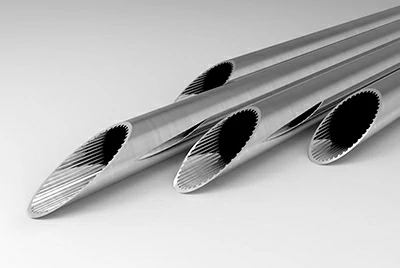
Inner Grooved Aluminum Tube
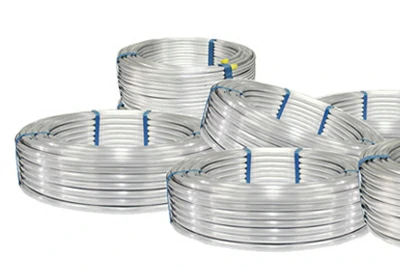
Aluminum Tube Coil
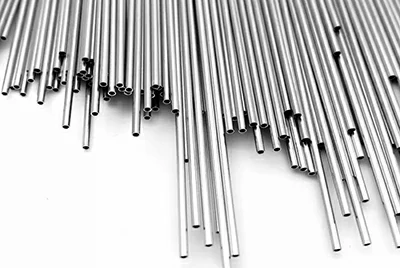
Aluminum Capillary Tube
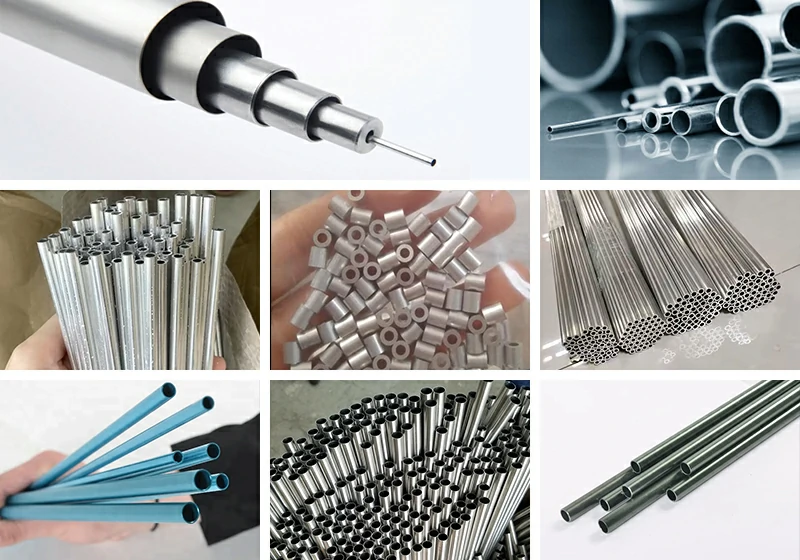
Small Aluminum Tubing
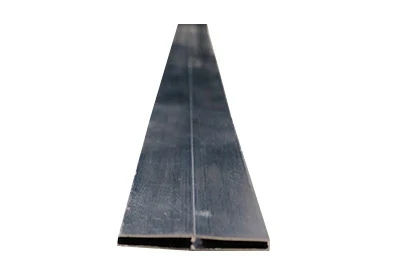
Aluminum B-Type Tube
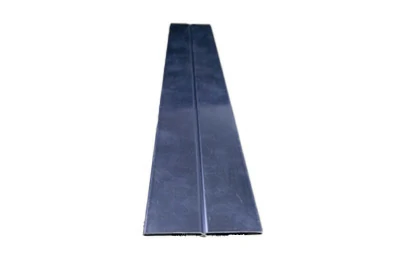
Aluminum Hourglass Tube
Applications and Service Suitability
Where corrosive media remain inside the titanium inner tube and the aluminum-side environment is compatible, titanium aluminum composite tubes can be evaluated for the following heat exchanger applications. Suitability also depends on the media inside and outside the tube, operating temperature and pressure, and the environment around the aluminum layer.
Industrial Refrigeration and Water-Cooled Heat Exchangers
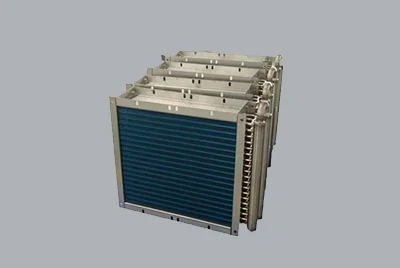
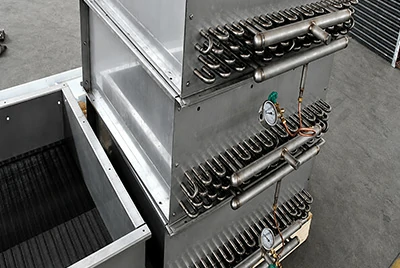
Potential applications include industrial chillers, water-cooled condensers, evaporators, brine coolers, and process cooling equipment. Brine or industrial cooling water flows through the titanium inner tube, while the external structure is selected for the required condensation, evaporation, or other heat transfer duty.
Seawater-Source Heat Pumps and Marine Cooling
Potential applications include seawater-source heat pumps, marine chillers, seawater-cooled condensers, and auxiliary cooling systems. Seawater typically flows through the titanium inner tube. The tube-end design should prevent seawater from reaching the titanium-aluminum interface or exposed aluminum.
Wastewater and Chemical Process Heat Transfer
Potential applications include wastewater heat recovery, corrosive cooling-water service, and selected chemical-process heat transfer. Material grades and structural design should be confirmed against the actual medium composition, concentration, temperature, pressure, and cleaning method.
When aggressive media may contact the aluminum outer layer for extended periods, or when the project specification explicitly requires a monolithic pure titanium tube, use another material or reassess the heat exchanger design.
Chalco Titanium Customization and Project Delivery for Titanium Aluminum Composite Tubes
As a specialized titanium aluminum composite tube supplier, Chalco Titanium provides composite plain tubes, composite finned tubes, and related processing support based on heat exchanger service conditions, equipment drawings, and assembly requirements—from sample validation through production supply.
Composite Tube Forming and Dimensional Control
During project manufacturing and delivery, key controls include titanium wall thickness, aluminum layer thickness, concentricity, inside and outside diameters, and interface condition, providing a stable tube blank for fin forming and heat exchanger assembly.
Custom Fin and Tube-End Processing
The aluminum outer layer can remain plain or be roll-formed into continuous fins. Fin height, fin pitch, effective finned length, plain end sections, and transition sections can be defined by drawing. Special tube-end and downstream processing requirements can be evaluated with sample tubes.
Quality Inspection and Lot Traceability
Inspection can cover dimensions, layer thickness, roundness, straightness, fin geometry, and surface condition, along with checks for cracks, delamination, or inner-tube deformation after processing. Titanium, aluminum, and finished product lots can be linked through project-specific traceability records.
From Sample Tubes to Production Supply
For new specifications, the process can begin with drawing review, sample-tube trials, and small-batch validation. Production begins after manufacturing and acceptance requirements are confirmed, with batch consistency controlled against approved drawings or samples.
Submit service conditions, drawings, and tube requirements. Chalco Titanium will help confirm the manufacturing plan, sample-tube program, and project quotation.
Titanium Aluminum Composite Tube FAQs
1. How does a titanium aluminum composite tube differ from a titanium-aluminum alloy tube or a titanium tube with aluminum fins?
A titanium aluminum composite tube consists of a titanium inner tube and a continuous aluminum outer layer. The metals remain separate layers rather than forming an alloy. Conventional titanium tubes with aluminum fins typically use slipped-on, wound, or mechanically attached fins, while a composite finned tube forms fins from the continuous aluminum outer layer.
2. Should seawater, brine, or corrosive cooling water flow inside or outside the tube?
These corrosive media should typically flow inside the titanium inner tube, where titanium forms the wetted corrosion-resistant surface. The aluminum outer layer is better suited to refrigerants, air, steam, or other relatively mild media confirmed as compatible.
3. Can the aluminum outer layer be exposed to seawater, salt spray, condensate, or cleaning chemicals?
An unprotected and unverified aluminum outer layer is generally not recommended for long-term direct contact with seawater, concentrated brine, or aggressive chemicals. Where salt spray, condensate, retained liquid during shutdown, or chemical cleaners may be present, reassess suitability based on concentration, temperature, and exposure duration.
4. Can an existing solid titanium heat exchanger tube be directly replaced with a titanium aluminum composite tube?
Not based on outside diameter alone. Compatibility between the external medium and aluminum, heat transfer area, tube-end design, tube-to-tubesheet connection, design temperature and pressure, and project acceptance of bimetallic composite tubing must all be reconfirmed.
5. Can the aluminum layer be removed at the tube ends to leave bare titanium for expansion or welding?
De-aluminized ends and exposed titanium sections can be evaluated against the tube-to-tubesheet joint design. Provide the required exposed titanium length, transition dimensions, expansion zone, tubesheet material, and welding requirements. Sample validation is recommended for special configurations.
6. Can titanium aluminum composite tubes be finned, U-bent, or expanded?
Processability depends on tube diameter, titanium wall thickness, aluminum layer thickness, material condition, bend radius, and deformation level. For new specifications or high-deformation operations, conduct finning, bending, or expansion trials and inspect the finished dimensions and bonded interface.
7. How is the titanium-aluminum interface checked for delamination?
Inspection typically covers layer thickness, concentricity, interface continuity, and cross-sectional condition. After fin forming or other downstream processing, also check for cracks, local delamination, roundness changes, or deformation of the titanium inner tube. Methods and acceptance criteria can be defined in the project quality plan.
8. Can ASTM B338 or ASTM B891/B891M be applied directly to the complete titanium aluminum composite tube?
These standards primarily cover titanium and titanium alloy heat exchanger tubes or enhanced-surface titanium tubes. They do not automatically establish full compliance for the complete titanium aluminum composite product. Acceptance should combine the applicable titanium and aluminum material standards, approved drawings, project specifications, and mutually agreed inspection requirements.
9. What information is required for a titanium aluminum composite tube quotation, and what affects the price?
Provide the media inside and outside the tube, design temperature and pressure, outside and inside diameters, titanium wall thickness, aluminum layer thickness, plain or finned configuration, tube-end requirements, quantity, and required inspection documents. Pricing depends on material grades, titanium content, fin geometry, special processing, order quantity, inspection level, and delivery terms. Drawings or an existing tube sample support a more accurate technical review and quotation.
Submit Your Titanium Aluminum Composite Tube Requirements
Provide the media inside and outside the tube, design temperature and pressure, target dimensions, plain or finned configuration, tube-end requirements, and purchase quantity. Chalco Titanium will help confirm product selection, manufacturing feasibility, and project pricing. Equipment drawings or an existing tube sample can support a more accurate technical evaluation.
Chalco can provide you the most comprehensive inventory of aluminum products and can also supply you customized products. Precise quotation will be provided within 24 hours.
Get a quote