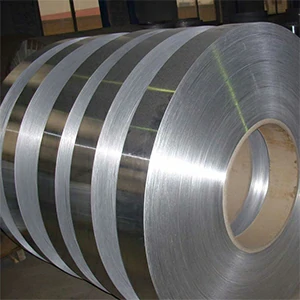
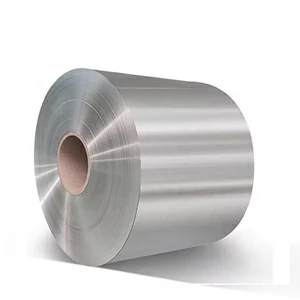
Henan Chalco can provide supply solutions for humanoid robot projects, from aluminum blanks and custom extrusions to precision-machined parts.
We supply robot skeleton / main structural parts, RV / harmonic reducer housings, humanoid robot joints, and joint / actuator housings, using material and process routes such as 6061-T6 / 7075-T6, extrusion + CNC machining, 5-axis CNC machining, anodizing, and hard anodizing.
For prototypes, design iteration, and batch production, Henan Chalco can help match the appropriate material form and manufacturing solution based on your 2D drawing / 3D model, alloy / temper, critical tolerances, surface treatment, and quantity.
Aluminum products for humanoid robots at a glance
Henan Chalco can provide multiple supply options for humanoid robot parts based on structure, load, processing method, and purchasing stage, from aluminum blanks and custom profiles to forgings, die castings, and precision CNC machined parts.
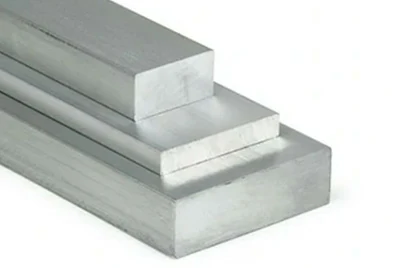
Aluminum flat bar / rectangular bar
Suitable as CNC machining blanks for structural parts such as joint connection blocks, actuator mounts, bearing supports, and brackets. 7075 can be used for robot structural parts requiring higher strength.
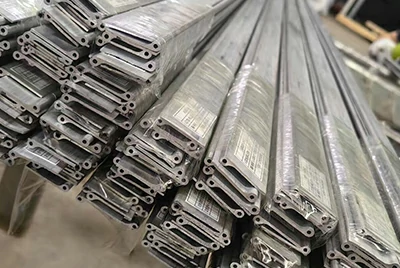
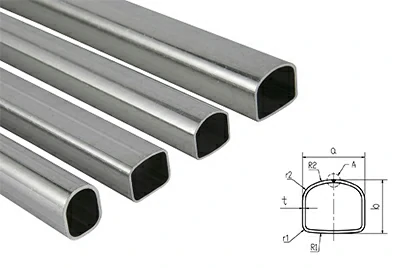
Custom aluminum extrusion / profile
Solid, hollow, or ribbed sections can be customized to cross-section drawings for torso frames, arm and leg links, structural beams, mounting rails, and near-net-section blanks requiring subsequent CNC machining.

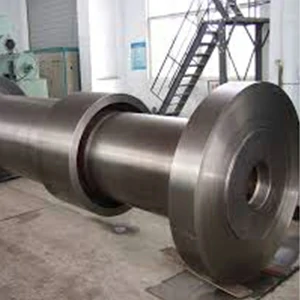
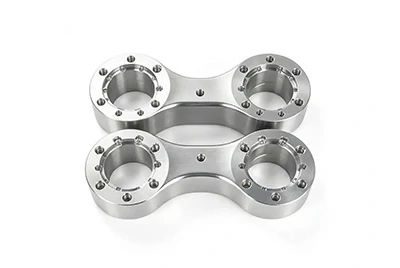
Aluminum forgings / closed-die forgings
Suitable for high-load structural parts such as yokes, clevises, bearing carriers, and output flanges. Open-die or closed-die forging can be selected according to the part design, followed by finish machining of critical mating surfaces.
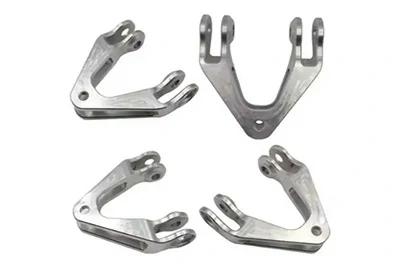
Aluminum die castings
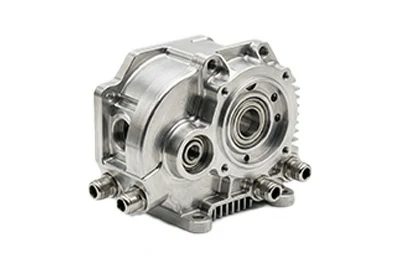
Suitable for joint, motor, gearbox, and actuator housings. Complex geometry can be die cast, followed by CNC machining of critical mating surfaces.
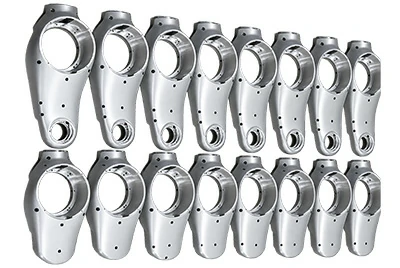
CNC machined aluminum parts
CNC aluminum parts can be customized to 2D drawings and 3D models for precision structural components such as joints, actuator mounts, housings, and links.
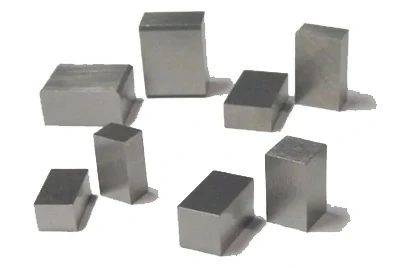
Aluminum block
Suitable for machining joint housings, bearing carriers, actuator housings, and complex structural nodes, especially parts requiring deep cavities, multi-directional mounting surfaces, or complex three-dimensional CNC geometry.
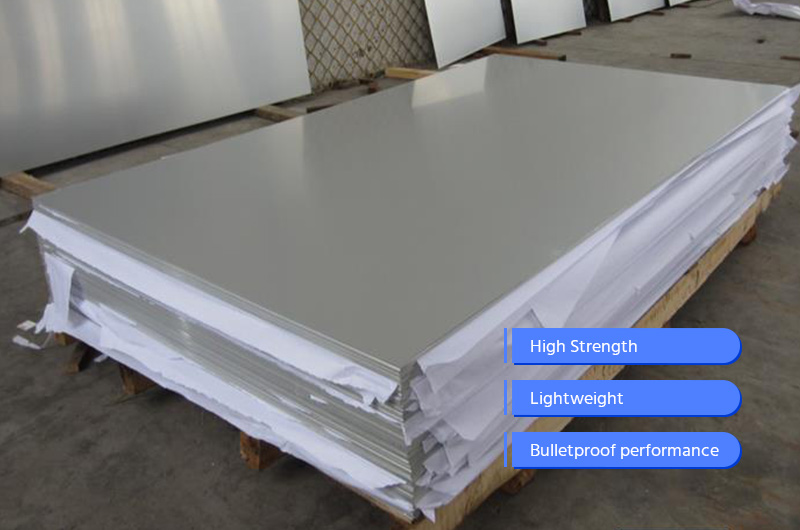
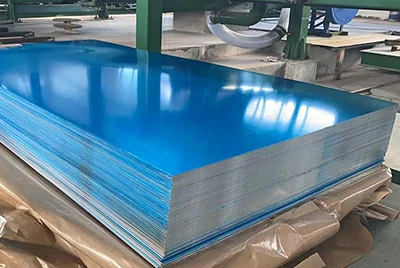
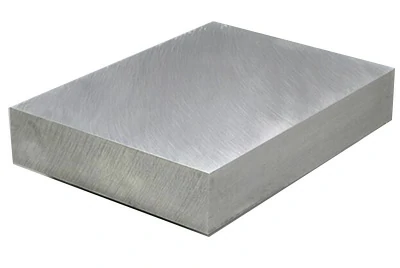
Aluminum sheet / plate
Can be used for structural plates, mounting plates, covers, and electronics enclosures. Plate is suitable for load-bearing and CNC machining, while sheet is suitable for cutting, bending, and sheet-metal forming.
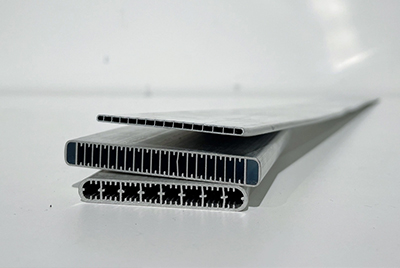
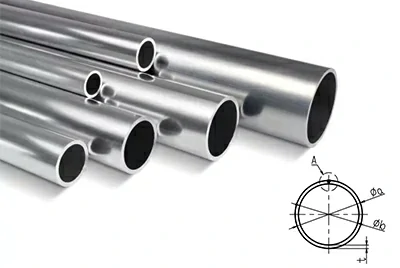
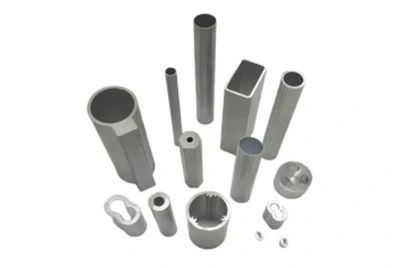
Aluminum tube / hollow profile
Suitable for arm and leg links and other lightweight hollow structures, helping reduce distal mass while meeting required bending and torsional stiffness and leaving space for wiring or internal components.
Henan Chalco can match suitable aluminum product forms and processing routes to humanoid robot part drawings and application requirements, supporting one-stop supply from raw materials to custom parts.
Where is aluminum used in a humanoid robot?
Aluminum is mainly used in load-bearing structures, limb links, structures around joints and actuators, mounting parts, and lightweight housings in humanoid robots.
Different locations have different loads, space constraints, and processing methods, so the requirements for aluminum alloy, product form, and manufacturing route also vary.
Confirmed aluminum component directions
| Humanoid Robot Component | Aluminum / Process Direction |
| Robot skeleton / main structural parts | 6061-T6 / 7075-T6, extrusion + machining |
| Joint / actuator housings | 6061-T6 / 7075-T6, precision machining + hard anodizing |
| RV / harmonic reducer housings | 7075-T6 / 6061-T6, 5-axis precision CNC machining + hard anodizing |
| Humanoid robot joints | 6061 / 6063 / optional 7075, extrusion + machining + anodizing / sandblasting / black finishing |
Henan Chalco can match the appropriate alloy, product form, and manufacturing route to the load, structure, assembly interfaces, and surface requirements of different robot components.
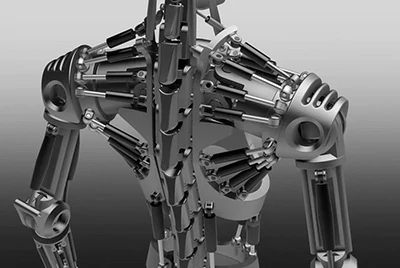
Torso and frame
The torso and main frame can use 6061-T6 / 7075-T6 aluminum extrusions, followed by machining to create mounting surfaces and assembly interfaces.
We provide extrusion + machining routes for robot skeleton / main structural parts.
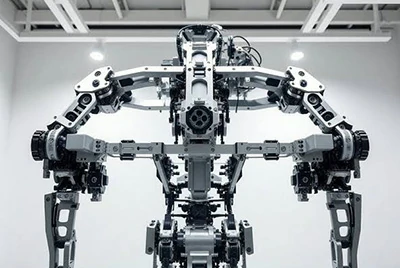
Product features:
- Flatness: ≤ 0.02–0.05 mm
- Position accuracy: ≤ ±0.01 mm
- Assembly interface accuracy: ≤ 0.01–0.02 mm
- Weight reduction: ≥ 20–40% compared with steel structures
Joint / actuator housings
Joint housings, actuator housings, bearing interfaces, and gear interfaces in the shoulders, elbows, hips, knees, and ankles require tight control of assembly accuracy and critical mating surfaces.
Henan Chalco can provide 6061-T6 / 7075-T6 aluminum joint and actuator housings, combining precision CNC machining + hard anodizing to meet machining requirements for bearing seats, gear interfaces, and critical mating surfaces.
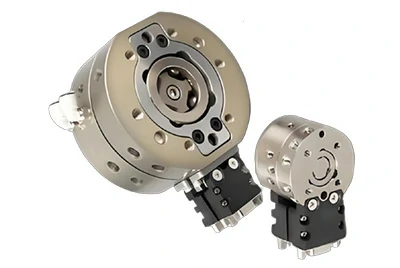
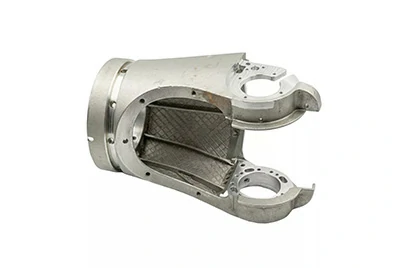
- Coaxiality: ≤ 0.01–0.02 mm
- Bearing seat tolerance: ≤ ±0.005–0.01 mm
- Surface roughness: Ra ≤ 0.8–1.6 μm
Reducer housings (RV / harmonic)
RV / harmonic reducer housings can use 7075-T6 / 6061-T6 aluminum.
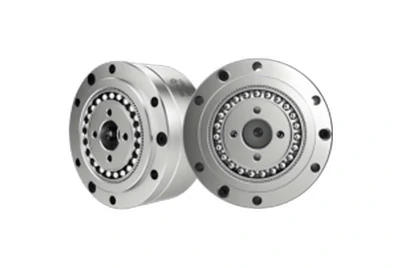
Combined with 5-axis precision CNC machining + hard anodizing to meet high-precision alignment and critical assembly interface requirements.
Features:
- Coaxiality: ≤ 0.005–0.01 mm
- Roundness: ≤ 0.003–0.008 mm
- Bearing seat tolerance: ≤ ±0.003–0.005 mm
- Surface roughness: Ra ≤ 0.4–0.8 μm
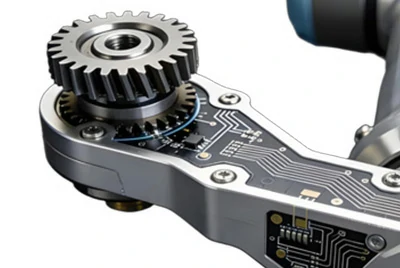
Humanoid robot bionic joints
Humanoid robot bionic joints can use 6061, 6063, or 7075 aluminum to balance lightweight structure, precision assembly, and subsequent machining requirements.
Arms and legs
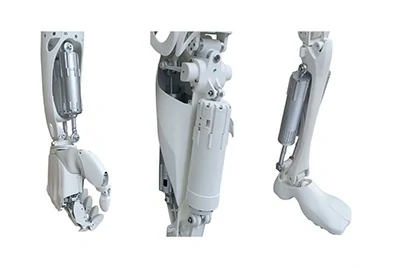
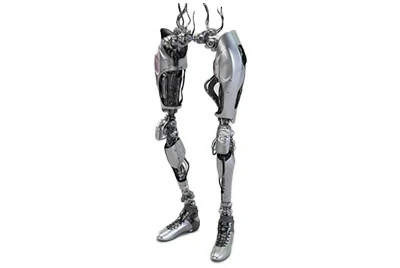
Long structural parts such as arms, thighs, and lower legs can use custom extrusions, hollow profiles, tubes, or machined aluminum blanks to control limb mass while meeting bending, torsional, and end-connection requirements.
Humanoid robot bionic joints can use 6061, 6063, or 7075 aluminum to balance lightweight structure, precision assembly, and subsequent machining requirements.
A combined extrusion + precision machining process can be used, followed by anodizing, sandblasting, or black finishing according to surface requirements.
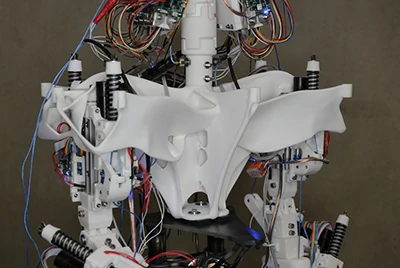
Pelvis and central structural nodes
The pelvis and central connecting structure must carry loads from both the torso and lower limbs. Aluminum block, forging, or CNC machined components can be used, with joint positioning and critical mating surfaces controlled according to the structural design.
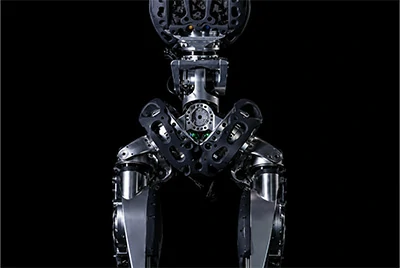
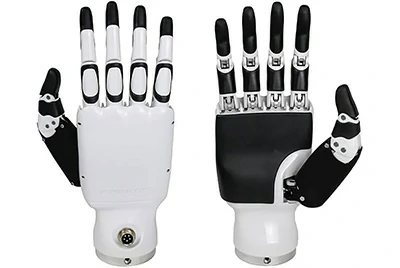
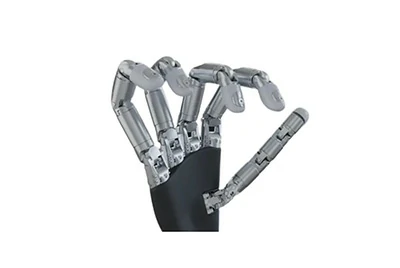
Hands and wrists
Palms, finger links, wrist connectors, and small actuator supports require high dimensional and assembly accuracy. High-strength aluminum alloys such as 7075 can be used for compact structures, with precision machining of bearing seats, threads, and mounting interfaces.
For humanoid robot hands that require further weight reduction, Henan Chalco can also provide magnesium alloy options such as AZ31 and AZ61, with extrusion + CNC machining + micro-arc oxidation routes. Specific material and processing requirements can be confirmed against the part drawing.
Magnesium alloy solutions can reduce weight by 30–40% compared with aluminum structures, improving dynamic response and motion efficiency while reducing motor load and energy consumption.
Covers and electronics housings
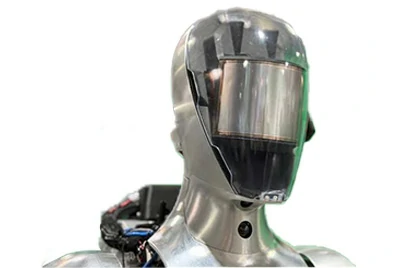
The robot head, electronics bay, controller, and other non-primary load-bearing areas can use aluminum sheet, plate, or die-cast housings to reduce structural weight while integrating mounting, protection, and heat-dissipation features.
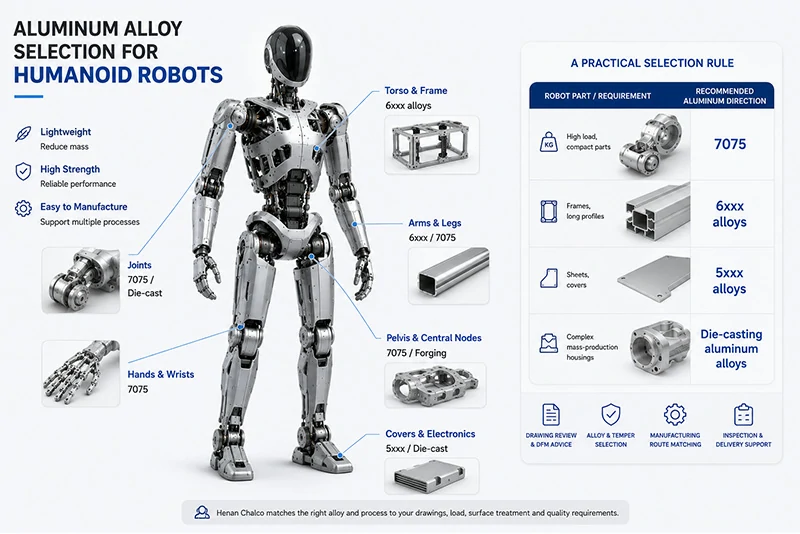
The specific aluminum product used in a humanoid robot should be evaluated based on load, geometry, alloy, temper, manufacturing route, tolerance, and production volume.
You can send a 2D drawing or 3D model, and Henan Chalco can help evaluate the suitable aluminum alloy, product form, and manufacturing route.
Why aluminum for humanoid robots?
Structural materials for humanoid robots must do more than just be "lightweight." They must also meet requirements for load capacity, moving inertia, precision machining, complex structural design, and manufacturing from prototype to production.
| Design Requirement | Why Aluminum Fits |
| Lightweight moving structures | Lower material density helps control the mass and inertia of moving components such as arms, legs, and hands. |
| High strength-to-weight ratio | High-strength aluminum alloys such as 7075 are suitable for compact, high-load structures, increasing load capacity while controlling weight. |
| Precision machining | Suitable for machining bearing seats, mounting faces, threads, bores, and other critical assembly interfaces. |
| Flexible product forms | Available as flat bar, block, plate, extrusion, forging, die casting, and CNC finished parts. |
| Scalable manufacturing | At the prototype stage, parts can be CNC machined directly from blanks; once the design is stable, extrusion, forging, or die casting can be evaluated. |
| Surface & thermal management | Can be combined with post-treatments such as anodizing and hard anodizing, while aluminum is also suitable for housing designs that need both structural support and heat dissipation. |
How to choose aluminum alloys for humanoid robot parts
7075-T6 aluminum for high-load structural parts
7075-T6 is suitable for compact structural parts with high strength and weight-reduction requirements, such as joint supports, links, actuator mounts, and bearing supports, and is often combined with CNC machining or custom extrusion routes.
T6 denotes a solution heat-treated and artificially aged condition and is also the current supply temper for 7075.
However, if a part is primarily limited by stiffness or deformation, simply upgrading from 6061 to 7075-T6 may not solve the problem. The cross-section, wall thickness, and load path must also be optimized.
6xxx aluminum for frames, extrusions and general structures
6xxx alloys such as 6061, 6063, and 6082 are more suitable for frames, structural extrusions, mounting rails, brackets, and general structural parts, offering a balanced combination of strength, extrudability, machinability, and corrosion resistance.
For robot structures with long lengths, repeated cross-sections, or modular mounting requirements, 6xxx extrusions are often a suitable option to evaluate first.
5xxx aluminum for sheet and formed parts
5xxx alloys such as 5052 and 5083 are more suitable for sheet, covers, electronics enclosures, and other parts that require bending, forming, or welding.
These materials are usually not the first choice for high-load precision joints, but they are useful for lightweight housings, sheet-metal structures, and components with higher corrosion-resistance requirements.
Aluminum alloys for die cast robot parts
Die-cast parts such as joint housings, motor housings, and gearbox housings usually use dedicated die-casting aluminum alloys. Common candidates include A380, A383, A360, ADC12, and certain Al-Si-Mg / Al-Si-Mg-Mn structural casting alloys.
The specific grade should be selected according to castability, strength, ductility, thermal performance, corrosion resistance, and subsequent CNC machining requirements.
A practical selection rule
| Robot Part / Requirement | Recommended Aluminum Direction |
| High-load, compact structural parts for CNC machining or extrusion | 7075 |
| Frames, long profiles, and general structural parts | 6xxx alloys |
| Sheet, covers, and formed parts | 5xxx alloys |
| Complex volume-produced housings, including joint / motor / gearbox housings | Die-casting aluminum alloys |
Henan Chalco can help match the appropriate alloy and temper based on your part drawing, load, manufacturing route, surface treatment, and acceptance requirements, so the material selection better fits actual machining and assembly needs.
CNC, extrusion, forging or die casting: which route fits the part?
Henan Chalco can provide CNC machining and custom extrusion + machining supply services for humanoid robot parts, while forging + machining and die casting + machining routes can be reviewed according to the drawing and project requirements.
A single humanoid robot part may be suitable for multiple manufacturing routes. The final choice should be evaluated based on part geometry, design maturity, machining volume, critical interfaces, and quantity.
CNC Machining
Suitable for prototypes, small batches, frequent design iterations, and parts requiring precise control at key locations such as bearing seats, gear interfaces, threads, and datums.
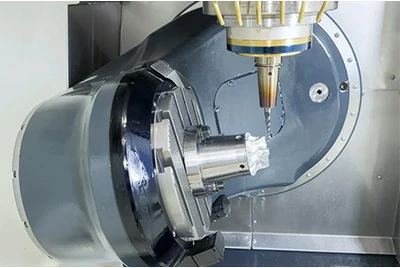
The blank can come from flat bar, plate, block, or other aluminum products.
Better suited for: joint components, actuator mounts, bearing carriers, brackets, and complex housings.
Custom extrusion + machining
Extrusion first forms a hollow, ribbed, or near-final cross-section, after which the ends, holes, and mounting faces are machined. This can reduce the amount of material removed compared with machining from solid stock.
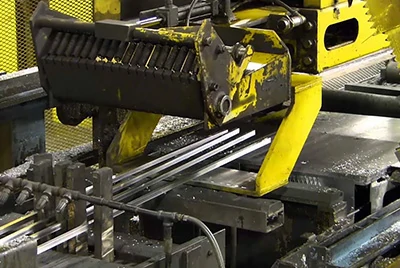
Suitable for long structural parts with repeated cross-sections.
Better suited for: arm / leg links, torso structures, structural beams, and mounting rails.
Forging + machining
After the main forging is formed, critical interfaces such as bearing seats, bolt patterns, and datums are machined.
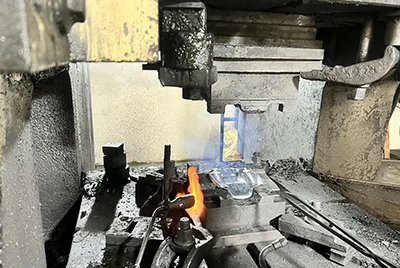
Suitable for higher-load structural parts with relatively mature designs where near-net-shape blanks are justified.
Can be evaluated for: yokes, clevises, bearing carriers, output flanges, and other high-load structural nodes.
Die casting + machining
After die casting forms the main geometry, bearing bores, gear mounting faces, and other precision interfaces usually require further machining.
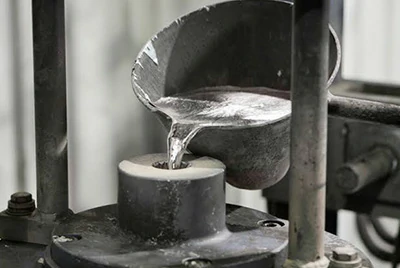
Suitable for complex, volume-produced housings that integrate ribs, bosses, mounting points, or heat-dissipation features.
Better suited for: joint housings, motor housings, gearbox housings, actuator housings, and electronics housings.
How to choose the route
- Design still changing rapidly: evaluate CNC machining first
- Long parts with repeated cross-sections: evaluate custom extrusion first
- High-load structural nodes with stable designs: forging can be evaluated
- Complex integrated housings for volume production: die casting can be evaluated
Henan Chalco can help evaluate a more suitable aluminum product form and manufacturing route based on your 2D drawing, 3D model, alloy requirement, critical tolerances, and quantity.
Surface finishing, anodizing and dimensional control
For humanoid robot parts, surface finishing affects more than appearance; it also relates to corrosion resistance, wear resistance, and precision fits.
Common treatments include:
| Surface Treatment | Main Purpose |
| Anodizing | Corrosion protection, appearance, and surface protection |
| Hard Anodizing | Improved wear resistance; suitable for joints, wear surfaces, and similar areas |
| Color Anodizing | Surface protection, appearance, and part identification |
| Chemical Conversion / Coating | Protection or a base for subsequent coating |
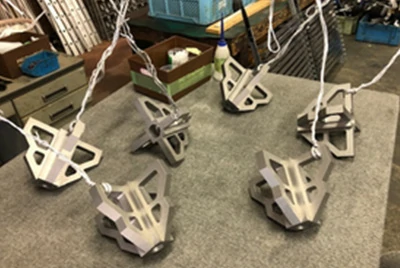
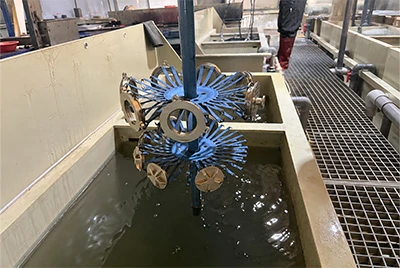
Henan Chalco can help optimize the machining and post-treatment sequence based on machining tolerance, surface treatment, and assembly requirements to reduce the risk of dimensional nonconformance and assembly interference.
Real supply case: 7075 aluminum for humanoid robot parts
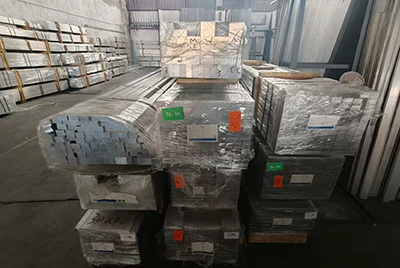
Henan Chalco currently provides a continuous supply of 7075 aluminum for humanoid robot projects. The main products are 7075 Aluminum Flat Bar / Rectangular Bar and 7075 Custom Aluminum Extrusion / Profile, with monthly supply reaching several hundred tonnes.
7075-T6 aluminum flat bar / rectangular bar
As one of the main supply forms in this humanoid robot 7075 product line, flat bar / rectangular bar is mainly supplied as blank stock for subsequent CNC machining.
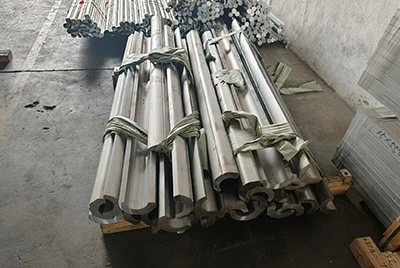
7075-T6 custom aluminum extrusion / profile
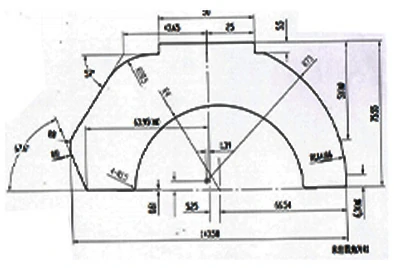
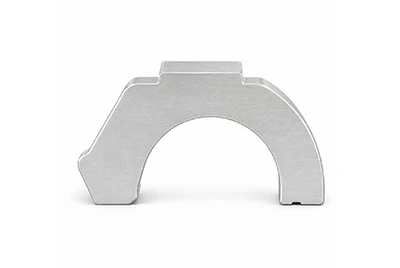
In actual projects, 7075 custom profiles can be produced to customer cross-section drawings.
Existing drawing cases already include control requirements for critical section dimensions, straightness, twist, and profile geometry. Final delivery standards and tolerances are confirmed according to the order drawing.
Have a similar humanoid robot component? Send your 2D drawing or 3D model.
Henan Chalco can review the alloy, product form, dimensional requirements and suitable supply route for your project.
Engineering requirements and standards for robot aluminum parts
For humanoid robot aluminum parts, alloy and temper are only part of the specification. Dimensions, tolerances, geometric requirements, surface condition, and inspection requirements also need to be controlled according to the product form.
Reference standards
| Product Form | Common Standard Direction |
| Aluminum extrusions / profiles | ASTM B221 / GB/T 6892 |
| Extrusion dimensional tolerances | GB/T 14846 |
| Aluminum bar | ASTM B211 or ASTM B221, depending on product route |
| Aluminum sheet / plate | ASTM B209/B209M |
| Aluminum forgings | ASTM B247 |
| 7075-T6 forgings | SAE AMS4126 |
| Aluminum die castings | ASTM B85/B85M |
Henan Chalco holds ISO 9001 and IATF 16949 quality management system certifications, providing a quality-system framework for the production, process control, and quality management of precision aluminum components.
Henan Chalco can provide low-carbon material and manufacturing solutions for humanoid robot aluminum components. A product carbon footprint management system has been established, with carbon-footprint management covering raw materials, energy structure, and manufacturing stages such as extrusion, aging, and CNC machining.
Current precision capabilities for humanoid robot components
| Humanoid Robot Component | Material / Process | Current Component-Level Capability |
| Robot skeleton / main structural parts | 6061-T6 / 7075-T6, extrusion + machining | Flatness ≤ 0.02–0.05 mm; position accuracy ≤ ±0.01 mm; assembly interface accuracy ≤ 0.01–0.02 mm |
| RV / harmonic reducer housings | 7075-T6 / 6061-T6, 5-axis precision CNC + hard anodizing | Coaxiality ≤ 0.005–0.01 mm; roundness ≤ 0.003–0.008 mm; bearing-seat tolerance ≤ ±0.003–0.005 mm; surface roughness Ra ≤ 0.4–0.8 μm |
| Humanoid robot bionic joints | 6061 / 6063 / optional 7075, extrusion + machining | Focus on dimensional consistency, critical interfaces, and assembly accuracy; specific tolerances are confirmed against the drawing. |
Key requirements by product form
| Product Form | Key Requirements |
| Flat Bar / Block / Plate | Thickness, width, flatness, straightness, machining allowance, and any necessary internal-quality requirements |
| Custom Extrusion / Profile | Wall thickness, profile dimensions, straightness, twist, cut length, critical tolerance, and machining allowance |
| Forgings | Alloy, temper, forging type, heat treatment, machining allowance, and any necessary inspection / NDT requirements |
| Die Castings | Casting alloy, wall thickness, critical datums, machining areas, surface condition, and casting-quality requirements |
| CNC Machined Parts | 2D drawing, 3D model, GD&T, critical fits, surface finish, threads, bearing seats, gear interfaces, and inspection requirements |
For parts requiring subsequent precision assembly, bearing seats, datums, mounting interfaces, and other critical dimensions should be identified separately on the drawing and treated as key order-acceptance items.
Henan Chalco can help review the applicable standards based on your drawing, alloy / temper, product form, critical tolerances, and inspection requirements, and confirm the corresponding supply and acceptance requirements during the quotation stage.
Prototype, DFM and design iteration support
Humanoid robot parts typically go through design review → prototype → trial sample → drawing iteration → production.
Henan Chalco can provide DFM analysis based on 2D drawings / 3D models and help evaluate the material, product form, and manufacturing route.
| Stage | Support |
| Drawing Review | Review material, critical dimensions, and manufacturing route |
| DFM Analysis | Evaluate the manufacturability of extrusion, forging, die casting, or CNC |
| Prototype / Trial Sample | Support trial samples and dimensional / assembly verification |
| Drawing Iteration | Revise the drawing based on sample results |
| Tool Adjustment | Adjust tooling for custom profiles and similar projects based on sample results |
| Production Review | Evaluate volume supply after sample approval |
DFM can identify issues such as extrusion tolerance, forging cracking, casting machining allowance, critical datums, and precision interfaces in advance, reducing the risk of later dimensional deviation and assembly problems.
Henan Chalco supports trial samples and design iteration. Send a 2D drawing or 3D model to begin DFM and supply-solution evaluation.
What drives the price of aluminum for humanoid robots?
The price of aluminum products for humanoid robots depends on alloy, product form, dimensions, tolerances, processing route, and purchasing quantity.
Rather than simply asking "How much is 7075 per ton?", providing complete drawings and technical requirements helps customers obtain a more accurate quotation.
| Product Form | Main Price Drivers |
| Flat Bar / Block / Plate | Alloy, temper, thickness / section size, quantity, dimensional tolerance, inspection, and documentation requirements |
| Custom Extrusion / Profile | Alloy, profile complexity, section size, tooling, tolerance, cut length, quantity, and subsequent machining requirements |
| Forgings | Alloy, forging size, part geometry, tooling, heat treatment, machining allowance, and inspection requirements |
| Die Castings | Casting alloy, part geometry, mold / tooling, wall thickness, quality requirements, secondary machining, and production volume |
| CNC Machined Parts | Raw material, part complexity, material removal, machining time, critical tolerances, surface finish, and inspection requirements |
For custom extrusion, forging, and die casting, tooling cost and production quantity can significantly affect unit cost. For CNC parts, material utilization, machining time, and precision-tolerance requirements are usually key cost factors.
Henan Chalco can review quotations based on your 2D drawing, 3D model, alloy / temper, quantity, and inspection requirements, and help compare the cost implications of different product forms and manufacturing routes.
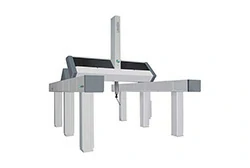
CMM
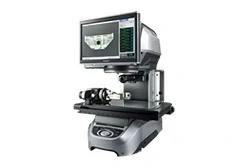
Vision measurement system
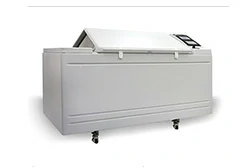
Salt spray test chamber
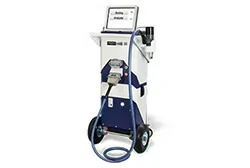
Direct-reading spectrometer
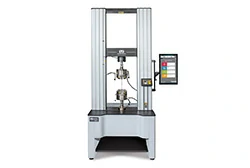
Universal testing machine

Vickers hardness tester
How to specify aluminum parts for a humanoid robot RFQ
To confirm material, manufacturing route, and quotation more efficiently, the RFQ should include the part drawing and the following key information.
If the alloy, temper, or product form has not yet been determined, you can first send the design information, and Henan Chalco can help evaluate it based on the part structure and application requirements.
- Drawing / Model: 2D drawing, 3D model, and revision number
- Alloy / Temper: e.g., 7075-T6 or 6061-T6; if not yet determined, mark it for evaluation
- Product Form: flat bar, block, plate, extrusion, forging, die casting, or CNC part
- Dimensions: cross-section dimensions, length, wall thickness, or overall part dimensions
- Critical Tolerances: GD&T, flatness, straightness, twist, bearing fits, etc.
- Surface Requirements: mill finish, anodizing, coating, etc.
- Inspection / Documents: MTC, inspection report, COC, NDT, etc.
- Quantity: prototype quantity, batch quantity, or estimated annual demand
- Application: part function, assembly location, and necessary load requirements
- Delivery: destination, packaging, and shipping requirements
For custom extrusion, forging, and die casting, also provide the blank drawing or finished-part drawing, subsequent machining areas, and critical machining allowances;
For finished CNC parts, specify the final mating surfaces, threads, holes, surface finish, and acceptance requirements.
Already have a design drawing? Send your 2D drawing or 3D model. Henan Chalco can help evaluate a suitable aluminum alloy, product form, and manufacturing route, and confirm the supply solution and quotation based on the specification and purchasing quantity.
Related products
Henan Chalco can help compare adjacent aluminum alloys and product forms according to the load, structure, and processing requirements of different robot parts, helping engineering and procurement teams choose a more suitable material solution.
6061 Aluminum Plate
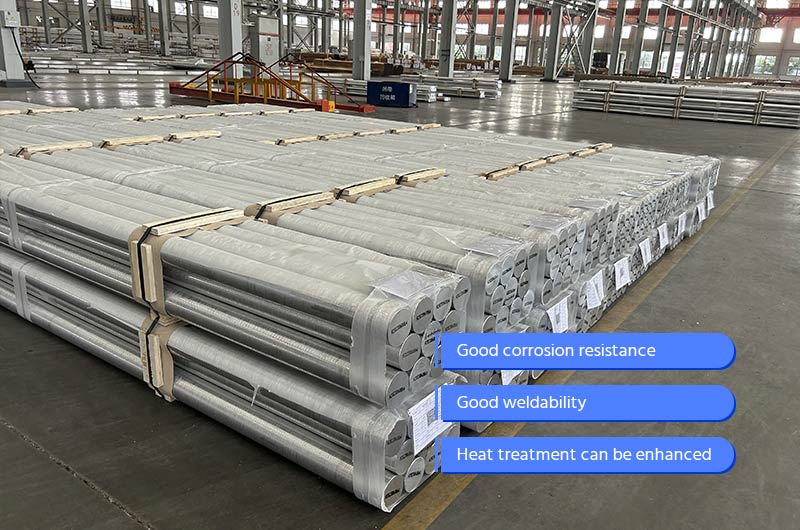
6082 Aluminum Bar
7050 Aluminum Plate
5052 Aluminum Sheet
5083 Aluminum Plate
6061 Aluminum Tube
FAQ about aluminum for humanoid robots
What is the best aluminum for humanoid robots?
No single aluminum alloy is suitable for every robot part. 7075 is better suited for high-load, compact structural parts;
6xxx alloys are better suited for frames, profiles, and general structural parts;
5xxx alloys are better suited for sheet and formed parts, while complex volume-produced housings usually require a dedicated die-casting aluminum alloy.
Is 7075 always better than 6061 for robot parts?
No. 7075 offers higher strength potential, but if a part is primarily controlled by stiffness, extrusion formability, welding, or corrosion-resistance requirements, 6061 or another 6xxx alloy may be more suitable.
The final choice should be based on load, structure, and manufacturing route.
Which humanoid robot parts can use 7075 aluminum?
7075 can be evaluated first for joint supports, actuator mounts, bearing supports, links, brackets, and other structural parts with higher strength and weight-reduction requirements. It can be supplied in forms such as flat bar, block, custom extrusion, or CNC machined parts.
Should robot joint parts be CNC machined, forged or die cast?
It depends on design maturity, part structure, and purchasing quantity.
CNC machining is usually more suitable during prototype and design-iteration stages;
forging + CNC can be evaluated for high-load structural nodes, while die casting + CNC can be evaluated for complex, volume-produced housings.
Can 7075 aluminum be used for die casting?
7075 is a wrought aluminum alloy and should not be treated as a conventional die-casting alloy.
Die-cast parts such as joint housings, motor housings, and gearbox housings are usually selected from dedicated die-casting aluminum alloy systems.
What information is needed for a quotation?
It is recommended to provide a 2D drawing / 3D model, alloy / temper, product form, dimensions, critical tolerances, surface requirements, inspection requirements, and quantity.
If the material or manufacturing route has not yet been determined, you can first send the design drawing, and Henan Chalco can help evaluate a suitable supply solution.
Send your humanoid robot aluminum drawing for review
If you are developing or sourcing structural parts for humanoid robots, you can send the 2D drawing, 3D model, alloy / temper, critical tolerances, and purchasing quantity directly.
Henan Chalco can help evaluate a suitable aluminum alloy, product form, and manufacturing route according to the part load, structure, and manufacturing requirements, and confirm a feasible supply and quotation solution.
Send your drawing to start a technical and quotation review.
Chalco can provide you the most comprehensive inventory of aluminum products and can also supply you customized products. Precise quotation will be provided within 24 hours.
Get a quote