Henan Chalco provides custom aluminum 3D printing services for AlSi10Mg, AlSi7Mg, AlMgScZr, and AlMnScZr parts, including complex geometries, lightweight structures, and functionally integrated components.
Depending on part size, geometric complexity, and manufacturing requirements, projects can use LPBF/SLM or WAAM.
The supply scope can include DfAM / design review, 3D printing, heat treatment / HIP (as required), machining, surface processing, and dimensional, mechanical, and NDT inspection, supporting delivery from the design model to the finished component.
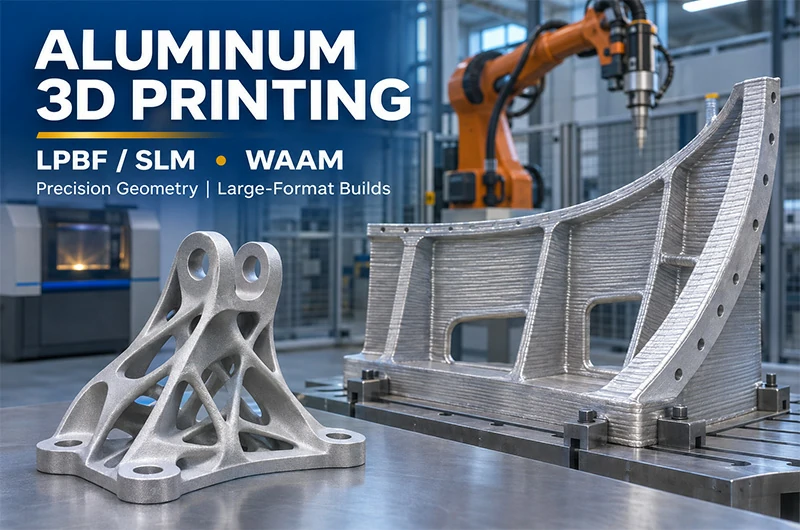
When Aluminum 3D Printing Makes Sense
When conventional machining, drilling, welding, or multi-part assembly begins to constrain part design or manufacturing, aluminum 3D printing is worth evaluating.

It is typically a good fit for:
- Complex internal features: internal channels, cooling channels, and enclosed flow passages that are difficult to machine with conventional tools.
- Part consolidation: structures designed to reduce joints, welding, fasteners, and assembly operations.
- Weight-sensitive parts: designs that need further weight reduction while maintaining structural function.
- Complex, low-volume, or custom parts: parts that can be produced directly from a 3D model and iterated without dedicated tooling.
For near-net-shape parts or designs that would otherwise require extensive material removal, AM can also reduce some subtractive machining and intermediate manufacturing steps.
If a part has simple geometry, high production volume, or can be readily made by CNC machining, casting, plate fabrication, or extrusion, conventional manufacturing is usually more suitable.
The decision to use aluminum 3D printing should consider geometry, part size, quantity, material, post-machining, and inspection requirements.
LPBF/SLM vs WAAM: Which Process Fits Your Part?
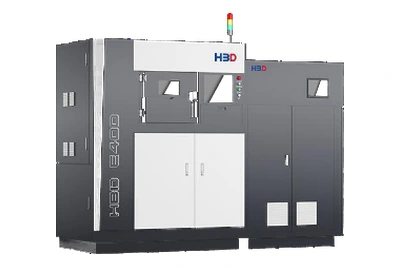
Henan Chalco can provide both LPBF/SLM and WAAM routes for aluminum additive manufacturing.
They are not simply a high-accuracy versus low-accuracy choice; each is better suited to different part sizes, geometric complexity, and post-machining needs.
| Process | More suitable for | Main selection focus |
| LPBF / SLM | Complex geometries, internal channels, thin-wall features, topology-optimized and integrated parts | Geometric complexity, detail, internal features, and functional integration |
| WAAM | Large structures, large near-net-shape parts, and parts requiring substantial post-machining | Part size, deposition efficiency, material utilization, and post-machining route |
Choose LPBF/SLM When Geometry Is the Main Challenge
LPBF/SLM is usually the better choice when the part's value comes primarily from complex internal features, integrated flow channels, lattice structures, topology optimization, or consolidating multiple parts into one.
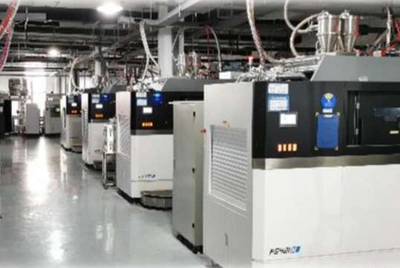
LPBF/SLM is better suited to complex aluminum parts produced by a powder-bed process, followed as needed by heat treatment, support removal, machining, and inspection.
Choose WAAM for Large Near-Net-Shape Structures
WAAM is worth evaluating when the priority is larger part size, thick-wall structures, or large near-net-shape manufacturing.
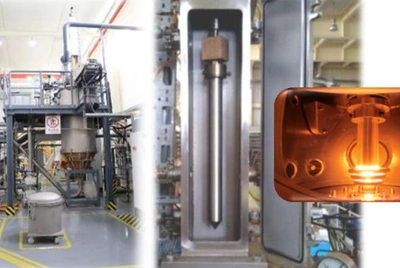
WAAM builds parts layer by layer through wire-fed arc deposition and is better suited to large structures and parts designed for subsequent machining.
For most custom aluminum parts, prioritize LPBF/SLM when geometric complexity and internal features drive the design; prioritize WAAM for large structures and near-net-shape manufacturing.
Henan Chalco can help select the more suitable aluminum 3D printing process based on the 3D model, part size, alloy, target properties, and machining requirements.
Aluminum 3D Printing Build Sizes
Henan Chalco can support build requirements ranging from small precision parts to very large aluminum additive manufacturing structures.
LPBF/SLM or WAAM can be selected according to part size, geometric complexity, and post-machining requirements.
| Process / size class | Available build sizes | Suitable for |
| LPBF/SLM — Small |
120 × 120 × 100 mm 350 × 400 × 300 mm 450 × 550 × 550 mm |
Small complex structures, precision parts, internal channels |
| LPBF/SLM — Medium / Large |
500 × 500 × 1000 mm 650 × 650 × 1500 mm 660 × 660 × 1200 mm |
Medium-to-large housings, integrated structures, long parts |
| LPBF/SLM — Large Format |
1500 × 1500 × 1500 mm 3000 × 2500 × 1500 mm |
Large integrated structures and oversized complex parts |
| WAAM — Large Structures |
500 × 500 × 600 mm 700 × 500 × 450 mm 800 × 500 × 500 mm 3500 × 2500 × 1000 mm |
Large, thick-wall, and near-net-shape structures |
| WAAM — Cylindrical Parts |
Ø1200 × H1500 mm Ø1200 × H1800 mm Ø1200 × H2500 mm |
Large cylindrical, ring-shaped, and axial structures |
For large parts that exceed conventional powder-bed build envelopes, Henan Chalco can provide large-format LPBF/SLM and WAAM solutions.
Large-format capabilities include:
- 1500 × 1500 × 1500 mm LPBF/SLM
- 3000 × 2500 × 1500 mm LPBF/SLM
- 3500 × 2500 × 1000 mm WAAM
- Ø1200 × H2500 mm cylindrical WAAM
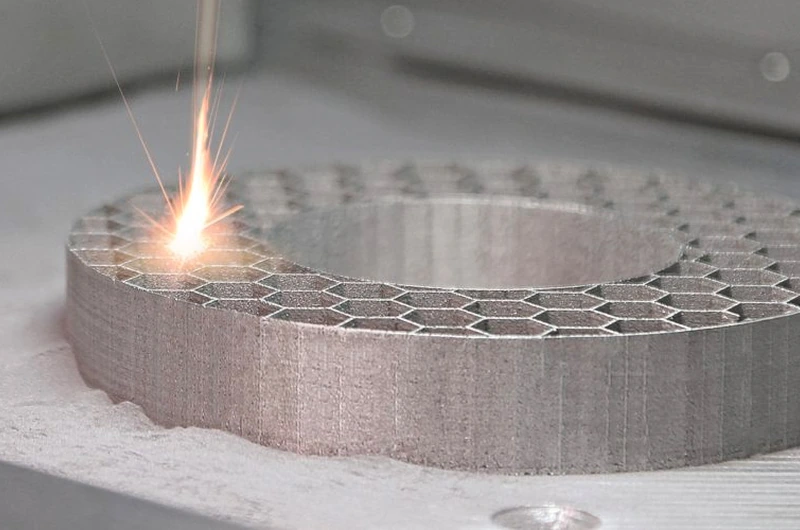
Whether the project involves conventional-size or large aluminum 3D printed parts, Henan Chalco can match the printing process and manufacturing route to your 3D model, dimensions, and performance requirements.
Aluminum Alloys for 3D Printing
Henan Chalco can provide aluminum 3D printing solutions in AlSi10Mg, AlSi7Mg, AlMgScZr, AlMnScZr, 6061, and 7075, with alloy selection based on strength, elongation, part size, service conditions, and manufacturing process.
| Alloy | Main alloying elements | Performance focus | Suitable for |
| AlSi10Mg | Al + approx. 9–11% Si + Mg | Mature LPBF process with a balance of strength and printability | housings, brackets, manifolds, internal channels |
| AlSi7Mg | Al + approx. 7% Si + Mg | Good strength / ductility balance | Lightweight and dynamically loaded parts |
| AlMgScZr | Al + Mg + Sc + Zr | High specific strength, grain refinement, lightweighting | topology-optimized structural parts |
| AlMnScZr | Al + Mn + Sc + Zr | Strength and microstructural stability | high-performance structural parts |
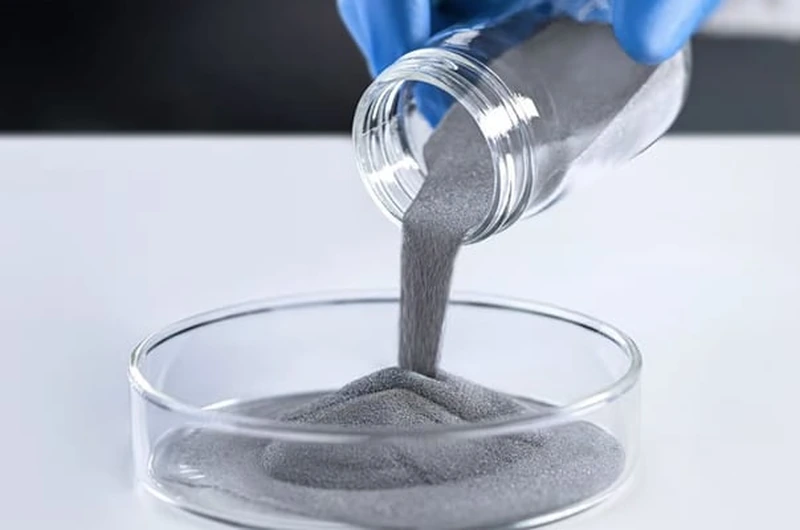
Typical AlSi10Mg Reference Properties
AlSi10Mg is one of the more established alloys for aluminum LPBF/SLM.
| Property | XY | Z |
| Tensile strength | 442 ± 6 MPa | 417 ± 27 MPa |
| Elongation | 9 ± 1% | 6 ± 2% |
| Hardness | 119 ± 5 HV0.5 | 123 ± 2 HV0.5 |
Powder particle size: 15–53 μm
Density: about 2.67 g/cm³
Aluminum Wire Alloys for WAAM
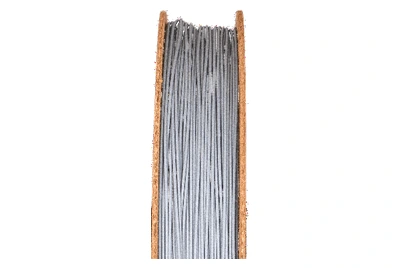
For large aluminum 3D printing / WAAM parts, several Ø1.2 mm aluminum AM wire alloys are also available:
| Grade | Alloy family | Tensile strength | Yield strength | Elongation |
| ZCL4220 | Al-Si | 330 MPa | 270 MPa | 7% |
| ZCL2319 | Al-Si | 460 MPa | 320 MPa | 10% |
| ZCL2319C | Al-Si | 460 MPa | 300 MPa | 10% |
| ZCL2319D | Al-Si | 460 MPa | 320 MPa | 10% |
| ZCL205A | Al-Cu | 500 MPa | 430 MPa | 6% |
| ZCL205C | Al-Cu | 530 MPa | 450 MPa | 6% |
| ZCL205D | Al-Cu | 520 MPa | 460 MPa | 6% |
| ZCLAlMg5 | Al-Mg | 390 MPa | 260 MPa | 15% |
| ZCLAlMg6 | Al-Mg | 410 MPa | 280 MPa | 15% |
| ZCLAlMgTiB2 | Al-Mg | 410 MPa | 280 MPa | 12% |
For large WAAM parts where strength is the priority, the ZCL205 series is worth comparing; where ductility is also important, ZCLAlMg5 and ZCLAlMg6 offer higher elongation.
Can 6061 or 7075 Be 3D Printed?
Henan Chalco can also provide 6061 and 7075 aluminum 3D printing. These alloys are more sensitive to hot cracking and process control in LPBF/SLM, so the manufacturing route should be confirmed based on part geometry, target properties, and heat-treatment requirements.
Contact us to evaluate the aluminum alloy and 3D printing process for your part.
Applications and Aluminum 3D Printed Part Examples
Aluminum 3D printing is most valuable for parts that benefit from lightweighting, part consolidation, complex internal channels, or integrated structures.
Henan Chalco provides custom manufacturing from small, complex LPBF/SLM components to large WAAM structures, including the following application groups.
Aerospace and Aero-Engine Components
Aerospace parts often require low weight, structural integration, and complex geometry at the same time. Aluminum additive manufacturing can be used for:
- topology-optimized brackets and structural parts
- lightweight housings
- complex integrated components
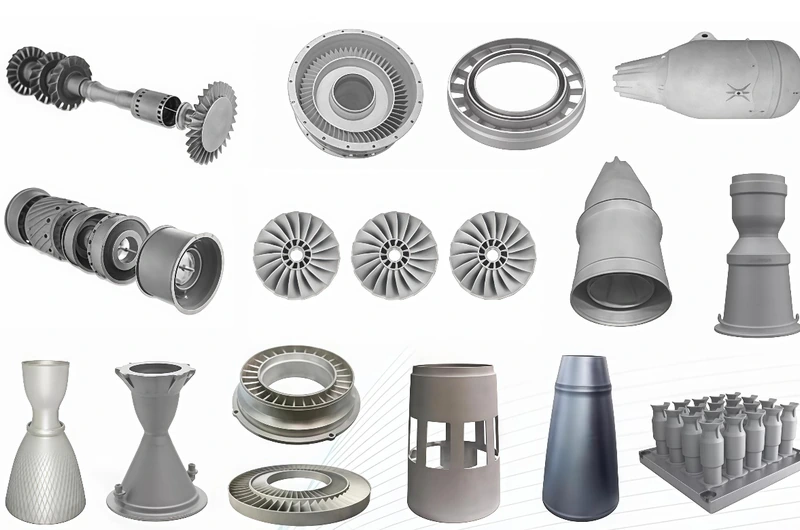
- aero-engine related aluminum structures
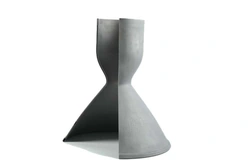
Aircraft control surface
Liquid rocket engine thrust chamber body
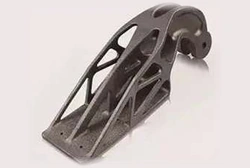
Aircraft hinge bracket
For aerospace projects requiring qualification, material, process, heat treatment, inspection, and final acceptance requirements must be confirmed against the applicable specification.
Hydraulic and Servo Components
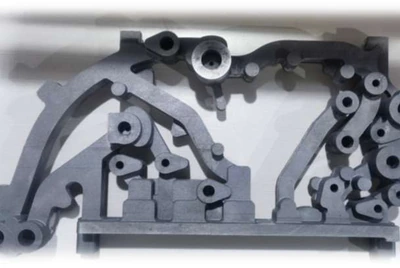
For manifolds, servo components, and other fluid-control parts, 3D printing can replace conventional drilled passages, plugs, and multi-part assemblies with integrated flow channels.
This approach is especially suitable for:
- complex internal flow paths
- compact hydraulic manifolds
- integrated channels
- components requiring fewer joints and connections
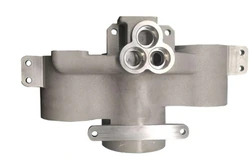
Electromechanical system housing
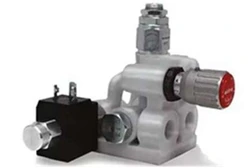
Hydraulic valve
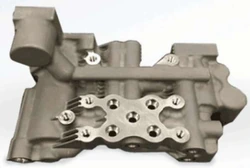
Hydraulic manifold
After printing, sealing faces, mounting holes, and mating features can be machined and dimensionally inspected to meet project requirements.
Thermal Management and Liquid Cooling Parts
Aluminum combines low weight and thermal conductivity with the complex-channel design freedom of additive manufacturing, making it suitable for thermal management and liquid cooling components.
Typical parts include:
- liquid cooling plates
- integrated cooling channels
- heat-management structures
- compact heat exchanger components
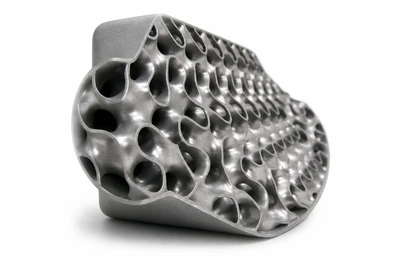
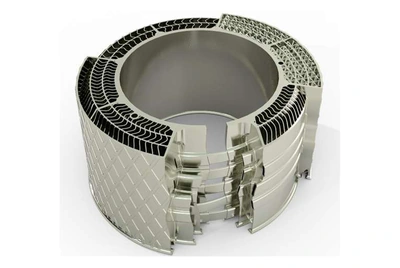
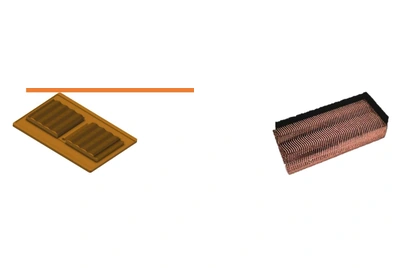
One of AM's main advantages is the ability to integrate complex cooling passages directly into the part, reducing constraints associated with conventional drilling, welding, and multi-part assembly.
Industrial and Automotive Parts
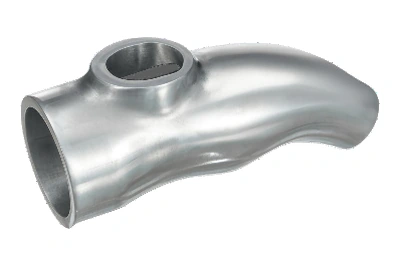
For industrial, automotive, and other custom engineering projects, aluminum 3D printing can produce complex housings, lightweight structures, thermal-management parts, and integrated components that are difficult to make in a single conventional operation.
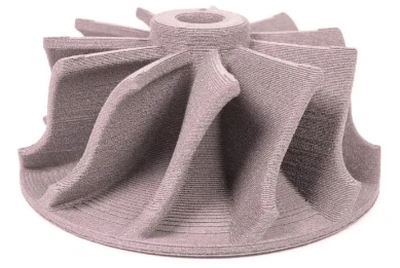
WAAM parts:
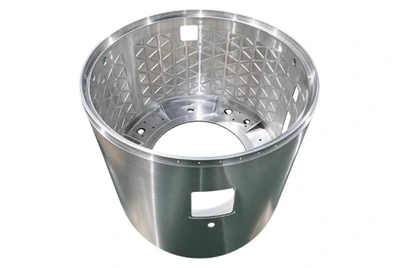
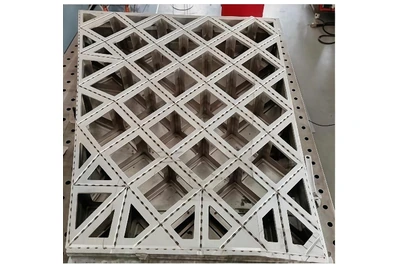
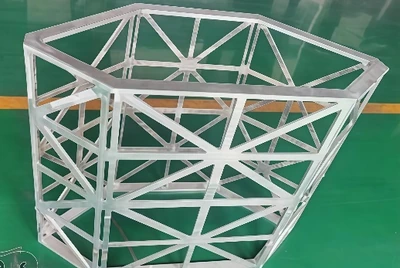
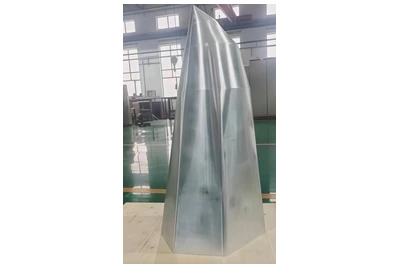
For larger structures, WAAM can be combined with machining to produce near-net-shape parts, followed by finish machining of critical surfaces and assembly interfaces.
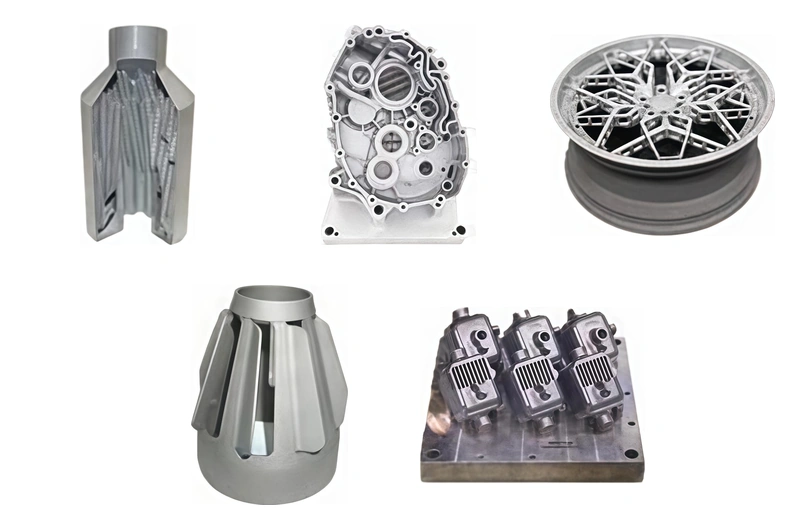
In addition, 3C electronics, robotics, low-altitude aviation equipment, and medical-related components can be evaluated based on part geometry and performance requirements.
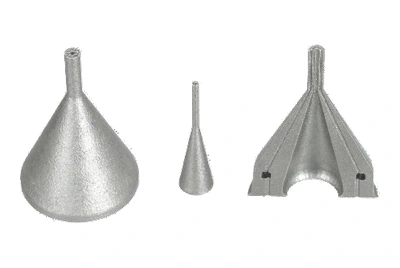
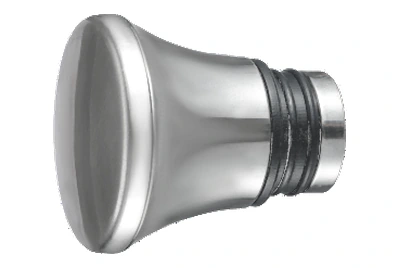
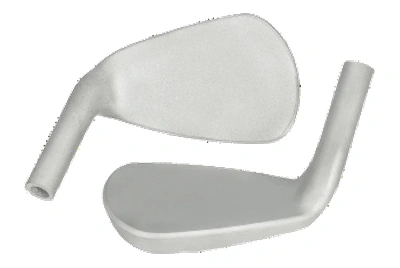
Design for Aluminum Additive Manufacturing
The value of aluminum 3D printing is not simply in printing a part; it also lies in redesigning the part to take advantage of additive manufacturing.
Henan Chalco can conduct a DfAM review based on part function, load, size, and post-processing requirements, focusing on:
- Topology optimization: Remove unnecessary material to reduce weight while meeting structural requirements.
- Part consolidation: Combine multiple parts, connectors, or flow-path structures into a single component to reduce assembly and connection points.
- Internal channels: Design cooling passages, flow paths, and internal features that are difficult to achieve with conventional drilling, welding, or machining.
- Lattice structures: Use lattice designs where weight reduction, support, or functional integration is required.
- Support and powder removal: Consider build orientation, support locations, and whether internal powder can be removed effectively.
- Machining allowance: Reserve machining allowance on sealing faces, mating surfaces, holes, and other critical areas.
For areas requiring tighter dimensional accuracy, assembly fit, or surface quality, critical surfaces, tolerances, and post-machining requirements should normally be defined during the design stage rather than relying entirely on the as-printed condition.
If you already have a 3D CAD model, we can evaluate the geometry, alloy, LPBF/SLM or WAAM process, machining, and inspection requirements to identify which features can be printed directly and which should be redesigned or left with machining allowance.
Complete Aluminum 3D Printing Solutions
Henan Chalco can support aluminum additive manufacturing projects from material development and DfAM design through 3D printing and finished-component delivery.
For parts with complex structures, lightweighting goals, or special performance requirements, material, design, and manufacturing process can be evaluated together rather than treating printing as a standalone step.
Material & Process Development
Projects with special performance requirements can include alloy composition, powder / wire material, and printing-process development tailored to additive manufacturing.
Material development can combine computational analysis, machine learning, and experimental data to optimize composition, process parameters, and target properties, and to match aluminum, titanium, high-temperature alloys, or other material systems to the application.
DfAM Design & Engineering
Lightweight, integrated, and complex parts can be developed from the design stage using topology optimization, structural simulation, forming simulation, and process optimization.
By considering material, part design, and additive manufacturing process together, the engineering route can address internal structures, complex flow passages, lightweighting, and part consolidation that are difficult to achieve conventionally, while planning printing, machining, and inspection in advance.
Post-Processing: From Printed Part to Finished Component
After aluminum 3D printing, post-processing is usually required to meet final dimensional, surface, and performance requirements. Henan Chalco can provide supporting operations from the printed part to the finished component.
A typical manufacturing route can include:
3D printing → powder/support removal → heat treatment / HIP (as required) → CNC machining → surface finishing → inspection
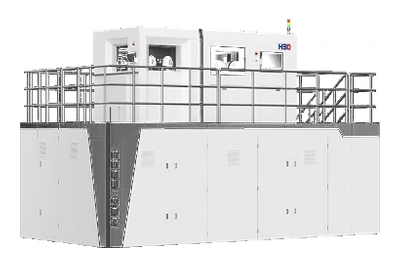
For parts with specific performance requirements, heat treatment or HIP can be arranged according to the alloy and service conditions. Sealing faces, mating surfaces, mounting holes, threads, and other critical areas can be CNC machined to final dimensions and surface requirements.
Depending on part use, post-processing can also include precision polishing, abrasive flow, shot blasting, sand blasting, surface treatment, cleaning, and assembly.
The post-processing route can be defined according to alloy, part geometry, tolerance, surface finish, and final performance requirements, integrating printing, finishing, and inspection into one manufacturing plan.
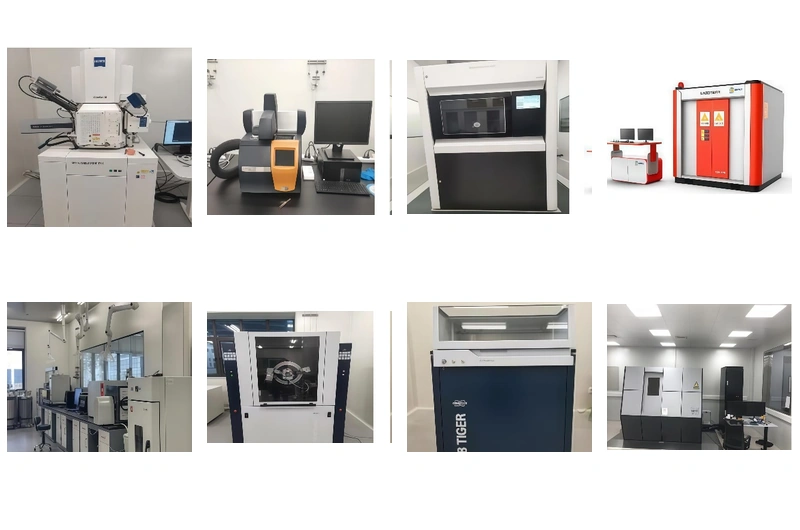
Inspection, Testing and Qualification
For aluminum 3D printed parts, inspection should cover more than external dimensions; it may also need to verify material condition, mechanical properties, and internal defects.
Henan Chalco can arrange inspection and testing according to part use and project requirements, including:
| Inspection / Test | Typical purpose |
| Chemical composition / powder testing | Verify material composition and powder condition |
| Tensile testing | Verify mechanical properties after printing and heat treatment |
| CMM / blue-light scanning | Inspect critical dimensions, contours, and complex geometry |
| Fluorescent inspection | Detect surface-breaking defects |
| Digital X-ray | Inspect internal defects and structural integrity |
| Industrial CT | Perform deeper inspection of complex internal channels, porosity, and hidden features |
For aerospace, hydraulic, thermal-management, or other critical parts, the inspection plan can be defined according to drawings, customer specifications, or qualification requirements.
3D Printed Aluminum vs Other Processes and Metals
When evaluating aluminum 3D printing, two common decisions are whether to continue with CNC machining or die casting, and whether aluminum is more suitable than stainless steel or titanium.
Aluminum 3D Printing vs Die Casting / CNC
| Route | Typical reference | Better suited for |
| DMLS AlSi10Mg | UTS 48–50 ksi, stress relieved | complex geometry, internal channels, part consolidation, low-volume parts |
| Die-Cast Aluminum 360.0-F | UTS 43.5 ksi | Stable geometries and higher-volume production |
| CNC Aluminum | Depends on alloy / temper | Simple geometries, critical mating surfaces, and parts requiring extensive machining |
Aluminum vs Stainless Steel vs Titanium AM
| Material | Typical DMLS UTS | Main reason to choose |
| AlSi10Mg | 48–50 ksi | lightweight, thermal conductivity, complex structures |
| 316L Stainless Steel | 89–92 ksi | corrosion resistance, ductility, higher strength |
| Ti6Al4V | 144–153 ksi | high strength-to-weight, corrosion and temperature resistance |
If lightweighting, thermal management, and complex structural integration are priorities, aluminum often offers advantages. If higher strength, corrosion resistance, or temperature capability is more important, stainless steel or titanium should be compared further.
Henan Chalco can help select a suitable material and manufacturing route based on part geometry, load, weight targets, and production quantity.
What Drives Aluminum 3D Printing Cost?
The cost of aluminum 3D printing is not determined by part weight alone.
Actual quotations typically depend on material, part size, geometry, printing process, post-processing, and inspection requirements.
Key cost drivers include:
- Alloy: Different aluminum AM alloys have different material costs and process requirements.
- Part size and build utilization: Part dimensions, build height, and machine-envelope utilization all affect manufacturing cost.
- Geometry and support: Complex features, support volume, internal channels, and build orientation affect print time and post-processing workload.
- Post-processing: Heat treatment, HIP, CNC machining, polishing, and other surface treatments add process steps and cost.
- Tolerance and surface finish: Critical dimensions, mating surfaces, and tighter surface requirements usually require additional machining.
- Inspection and testing: CMM, X-ray, CT, mechanical testing, or other NDT requirements affect the total quotation.
- Quantity and documentation: Prototypes, low-volume or production orders, plus additional inspection reports and material documentation, can also affect the manufacturing route and cost.
Rather than providing only part weight, a more effective RFQ includes the 3D CAD model / drawing, alloy, overall dimensions, quantity, critical tolerances, surface finish, and inspection requirements.
If the material or manufacturing process has not yet been selected, you can provide the part geometry, function, and performance requirements first, and Henan Chalco can help evaluate a suitable aluminum 3D printing route.
Related Aluminum AM Products
In addition to custom aluminum 3D printed parts, Henan Chalco can provide related AM feedstock, aluminum composite materials, and alternative manufacturing solutions to help match the appropriate route from material selection through finished-part production.
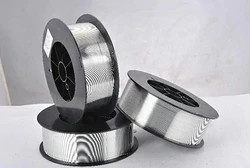
WAAM Aluminum Wire
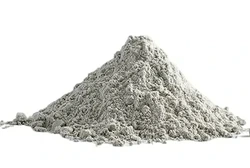
Ceramic Al-MMC Powder
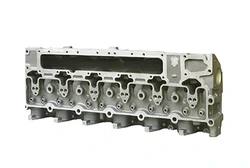
Ceramic Al-MMCs
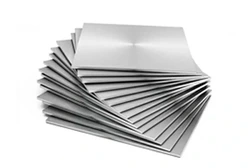
High-Strength Al-MMCs
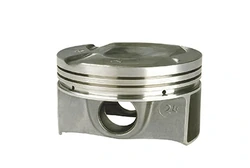
High-Temperature Al-MMCs
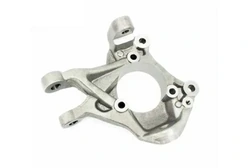
Cast Al-MMCs
Aluminum 3D Printing FAQ
Can aluminum be 3D printed?
Yes. Industrial aluminum 3D printing commonly uses metal additive manufacturing processes such as LPBF/SLM or WAAM to produce complex geometries, internal channels, lightweight parts, and large near-net-shape components.
Can aluminum filament produce the same type of part?
Not directly. Common aluminum-filled filaments usually consist of aluminum powder dispersed in a polymer matrix, so their material structure, mechanical properties, and end uses differ from dense metal parts produced by LPBF/SLM or WAAM.
If the project requires structural-grade aluminum parts, select the metal additive manufacturing route based on the required performance and service conditions.
Is 3D printed aluminum strong?
3D printed aluminum can achieve high structural performance, but final properties depend on the alloy, printing process, build orientation, heat treatment, and post-processing condition.
Strength should therefore be evaluated for the specific alloy, part condition, and project specification rather than using one fixed value for all 3D printed aluminum parts.
Request a Quote for Custom Aluminum 3D Printed Parts
Submit your 3D CAD model / drawing, alloy or performance requirement, part size, quantity, and key technical requirements. Henan Chalco can then evaluate the appropriate aluminum 3D printing, post-processing, and inspection route.
If the alloy or process has not yet been selected, you can start by providing the part geometry, function, and performance requirements.
Contact us for project evaluation and a quotation.