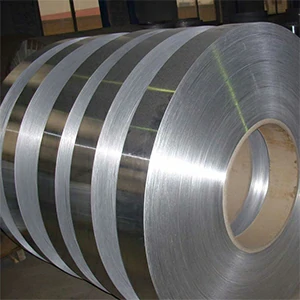
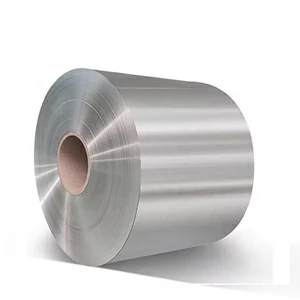
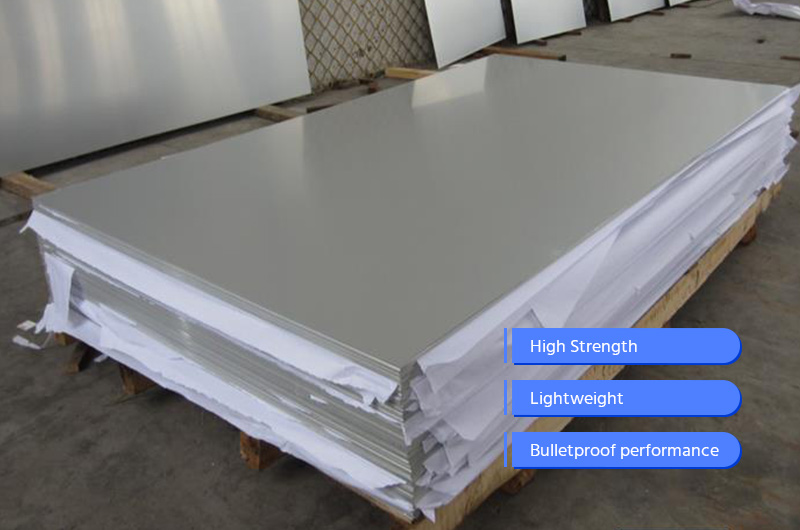
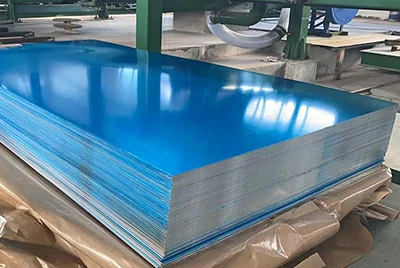
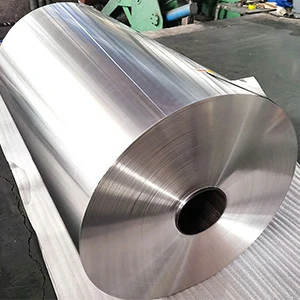
Chalco supplies aluminium solar absorber sheet / strip / coil made from 1060/1100 alloy, with a thickness of 0.4 mm and width of 1250 mm, delivered in coil form.
We offer two product types: coated solar absorber sheet with a selective absorption coating, and bare aluminium substrate suitable for customers with their own coating lines.
The finished coating is applied using magnetron sputtering + electron-beam evaporation (PVD). Typical optical performance: solar absorptance α ≥ 94%, thermal emittance ε ≤ 6% (typical values; final values per test report).
Pure aluminium substrates offer excellent thermal conductivity, making them suitable for flat-plate collectors and PV/T systems. We can confirm supply solutions based on your production line specifications.
What is an aluminium solar absorber sheet?
A solar selective absorber is a metal substrate with a selective coating that converts solar radiation into heat. It differs from photovoltaic solar panels-which generate electricity-and from reflective insulation aluminium foil (used for thermal insulation) or heat sinks (used for heat dissipation).
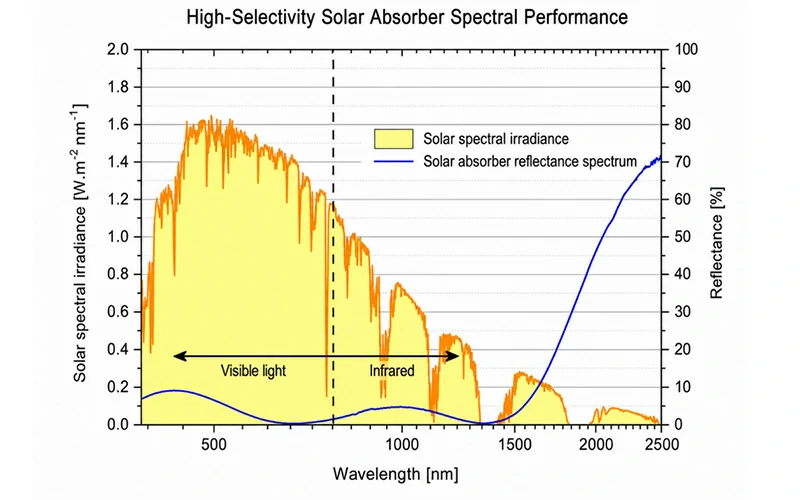
Its selectivity lies in maintaining high solar absorptance (α) in the visible and near-infrared range (approximately 0.25–2.5 μm, the primary solar spectrum), while exhibiting low thermal emittance (ε) in the long-wave infrared range (> 2.5 μm) to minimize radiative heat loss.
After understanding the basic definition, you'll need to decide whether to choose a finished coated solar absorber sheet or a bare aluminium substrate, and verify that specifications match your production line requirements.
Coated solar absorber sheet or bare aluminium substrate?
Different solar thermal collector production lines have varying requirements for absorber materials. Chalco offers two supply options for aluminium solar absorber: coated solar absorber sheet with selective coating, and bare aluminium substrate for downstream coating or further processing.
Coated solar absorber
For manufacturers seeking to eliminate coating steps and move directly into collector assembly, coated absorber is the more efficient choice. This material can serve as a blue solar absorber with a selective surface coating, typically achieving α ≥ 94% and ε ≤ 6%. Final values are subject to the test report.
Bare aluminium substrate
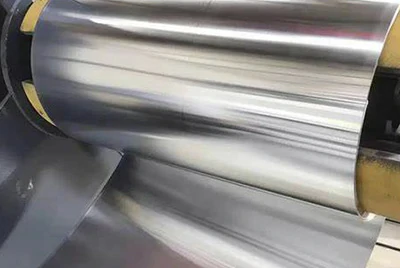
For coaters with in-house coating lines, large OEMs, or customers requiring customized surface conditions, bare aluminium substrate offers better control over front-end processing.
Chalco has mature coil-coating capabilities and welcomes further discussion on related requirements.
| Supply option | Best for | Key checks | RFQ data needed |
| Coated absorber | Solar collector production | α/ε, coating stability, test report | Size, coating target, collector type |
| Bare substrate | Coating lines and OEMs | Alloy, temper, thickness, width, surface | Drawing, coil width, surface requirement |
Key specifications for solar absorber aluminium coil
The following specifications support preliminary selection of aluminium coil for solar absorbers.
Final supply requirements must be based on customer drawings, purchase order specifications, and batch-specific test reports. Technical review is required prior to quotation for dimensions, tolerances, and coating parameters beyond standard offerings.
| Item | Reference specification / notes |
| Alloy | 1060 / 1100 industrial pure aluminium |
| Temper | H14 as reference; O or H24 available upon project review |
| Thickness | 0.4 mm |
| Width | 1250 mm |
| Supply form | Coil or cut-to-length sheet |
| Surface option | Selective solar absorption coating |
| Solar absorptance | ≥ 94% |
| Thermal emittance | Below 6% |
| Coating method | Physical vapor deposition (PVD) |
| Film thickness | Designed to meet target solar absorptance and thermal emittance values |
| Thickness and width tolerances | Per customer drawing or technical agreement in purchase order |
| Inspection documentation | Batch optical performance test results |
| Packaging | Moisture-resistant, scratch-protected coil packaging with edge protection |
How selective coating improves solar heat collection
The performance of a solar absorber plate depends not on how black the surface appears, but on the coating's ability to respond selectively to different wavelengths of radiation.
Ordinary black coatings absorb sunlight effectively but often exhibit high infrared emittance, causing absorbed heat to be rapidly lost through thermal radiation.
In the short-wave solar spectrum (approximately 0.25–2.5 μm), selective absorption coatings maintain high absorptance. In the long-wave infrared range (approximately 2.5–50 μm), they minimize thermal radiation from the surface.
| Surface type | Solar radiation absorption | Infrared thermal radiation | Significance |
| Ordinary black coating | Can be relatively high | May also be relatively high | Appears very dark but may not effectively reduce radiative heat loss |
| Selective absorption coating | High solar absorptance | Low thermal emittance | Better suited for solar thermal systems requiring enhanced heat collection and controlled thermal losses |
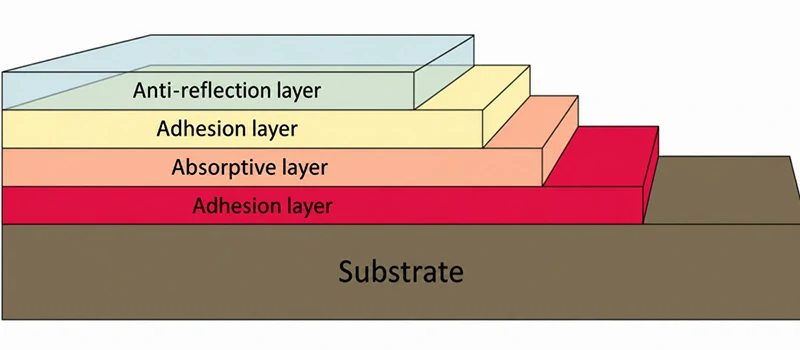
A typical PVD selective absorption coating system may include an anti-reflection layer, an absorption functional layer, and additional layers to improve adhesion or interfacial stability. The actual number of layers, material composition, and thickness depend on the specific product design.
Multilayer structures enhance solar absorptance (α) while reducing thermal emittance (ε). Therefore, blue or black appearance alone does not indicate performance-actual optical parameters are key.
Our products use PVD vacuum coating technology, combining magnetron sputtering and electron-beam evaporation to form selective absorption films on aluminium strip surfaces.
Compared to certain wet chemical processes, this approach reduces the use of liquid chemicals and process wastewater.
Why use 1060/1100 pure aluminium for solar absorbers?
Bare aluminium is highly reflective; solar radiation is primarily absorbed by the selective coating. The 1060 and 1100 pure aluminium substrates serve to rapidly transfer heat-captured by the coating-to the fluid tubes or channels in the collector, leveraging their high thermal conductivity and low thermal resistance.
1060/1100 pure aluminium also offers excellent ductility and formability, making it suitable for thin-gauge coils and sheet-and-tube structures.
Chalco's 0.4 mm specification helps reduce material weight and facilitates cutting, bonding, and light forming. For applications involving laser welding or other joining methods, technical review based on material temper, coating, and customer process is still required.
| Comparison item | Aluminium substrate | Copper substrate |
| Thermal conductivity | Good for absorber plate heat transfer | Higher |
| Density | Lower, resulting in lighter structures | Higher |
| Forming and coil processing | Suitable for thin coils, slitting, and continuous production | Good workability, but typically higher material cost |
| Recyclability | Recyclable | Recyclable |
Copper offers higher thermal conductivity, but aluminium provides better overall advantages in weight, material cost, and continuous coil processing-making it common in mass-produced solar absorber plates.
Applications in flat-plate, air, heat pipe, and PV/T solar systems
Selective solar absorber aluminium sheets can be used in various solar thermal configurations.
Specific compatibility depends on the collector's heat transfer method, joining process, operating temperature, and structural design.
Flat-plate collector
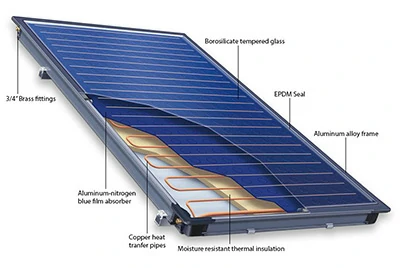
The selective coating absorbs solar radiation, and the aluminium substrate transfers heat to the fluid tubes and working medium in a sheet-and-tube structure-suitable for domestic hot water, space heating, and industrial hot water systems.
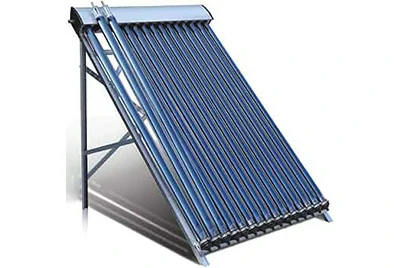
Solar air / heat pipe collector
In solar air collectors, the absorber plate transfers heat to air flowing over its surface. In heat pipe systems, the absorber material serves as part of the heat collection and conduction structure.
PV/T and PVT systems
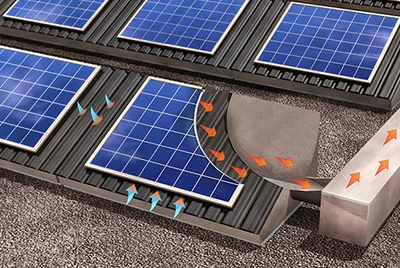
The absorber plate can be mounted behind photovoltaic modules or integrated into heat recovery structures-recovering waste heat while helping regulate cell operating temperatures.
Quality documents, testing, and export packing
Quality verification for solar absorber aluminium coil typically includes substrate properties, dimensions, optical performance, and batch traceability.
Mill Test Certificate (MTC), Certificate of Analysis (COA), heat number, dimensional inspection records, and optical test report are available upon request. The MTC confirms the aluminium substrate alloy and temper, while the optical test report documents the solar absorptance and thermal emittance for the corresponding batch.
Batch-to-batch performance consistency can be verified using batch numbers and inspection records.
For projects requiring validation of selective absorber surface durability, refer to the test methods outlined in ISO 22975-3:2014.
This standard covers durability evaluation under environmental conditions such as high temperature, condensation, and high humidity. Whether testing per this standard is required must be clearly specified in the purchase order's technical requirements; referencing the standard does not imply product certification.
Export packaging primarily prevents coating scratches, coil edge deformation, and moisture exposure during transit.
Coils can be packaged with wooden pallets, moisture protection, anti-scratch film, and edge guards based on coil weight, aluminium coil diameter, and shipping distance. VCI material compatibility must be confirmed based on coating composition. MOQ, lead time, documentation scope, and packaging configuration are determined by specific dimensions and order volume.
RFQ checklist for aluminium solar absorber sheet
When sourcing selective-coated solar absorber aluminium or bare aluminium substrate, we recommend providing technical drawings or complete specifications. More detailed information facilitates accurate confirmation of material, coating, production, and packaging requirements, minimizing follow-up clarifications.
| Quotation Request Items | Required Information |
| Product Type | Selective-coated solar absorber aluminium or bare aluminium substrate for subsequent coating |
| Aluminium Alloy and Temper | Examples: 1060, 1100; specify required temper |
| Thickness | Standard thickness: 0.4 mm; other thicknesses subject to project review |
| Width | Standard width: 1250 mm; alternative widths or slitting requirements require separate confirmation |
| Delivery Form | Coil or sheet; for coils, provide coil weight, inner diameter, and outer diameter |
| Optical Performance Targets | Solar absorptance target and thermal emittance target |
| Application Type | Flat-plate collector, solar air collector, heat pipe, or PV/T system |
| Secondary Processing | Cutting, stamping, bending, lamination, welding, or other joining methods |
| Estimated Purchase Volume | Per-batch quantity and annual volume |
| Documentation Requirements | MTC, COA, optical test report, dimensional inspection records, or other specified documents |
| Packaging Requirements | Moisture protection, scratch resistance, edge protection, palletization, and ocean freight packaging specifications |
| Sample Request | Sample dimensions, quantity, and performance parameters to be validated |
FAQ
What solar absorptance and thermal emittance can the coating reach?
The selective coating typically achieves solar absorptance above 94% and thermal emittance no higher than 6%. Final values depend on product specifications and test conditions, and are confirmed by the optical test report for the relevant batch.
Which material absorbs solar energy best?
No single substrate is the best choice for all solar thermal collectors. Actual performance depends on a selective coating with high solar absorptance and low thermal emittance, combined with a substrate offering high thermal conductivity and an optimized collector design.
Does aluminium absorb heat quickly?
Bare aluminium reflects significant solar radiation; absorption is primarily achieved through the selective surface coating. The aluminium substrate's role is to rapidly transfer absorbed heat to fluid channels or piping via its high thermal conductivity.
Can the absorber be used in PV/T (PVT) systems?
Yes, the absorber sheet can serve as a thermal recovery layer or conductive substrate in PV/T systems. Actual performance depends on module design, flow channel configuration, connection method, working fluid flow rate, and operating temperature.
Do you supply coated absorbers or bare substrate?
Chalco supplies solar absorber sheet with selective absorption coating and can also evaluate bare aluminium substrate based on project needs. Please specify in your RFQ whether you require pre-coated product, bare material for in-house coating, or another surface condition.
Request a quote for your solar collector line
To confirm if our solar absorber aluminium sheet or aluminium coil suits your production line, please share basic specifications including alloy, thickness, width, and whether coated or bare material is needed. We will conduct a specification review based on your application and processing requirements.
You may also request a product spec sheet or submit an RFQ directly to receive a quotation for your required specifications. MOQ, lead time, and documentation scope will be confirmed based on dimensions, coating requirements, order volume, and delivery destination.