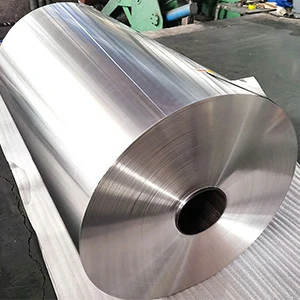
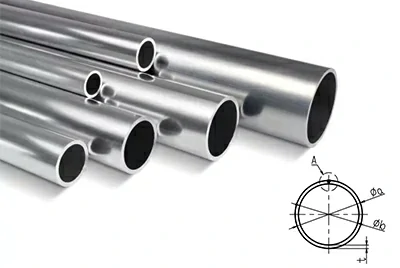
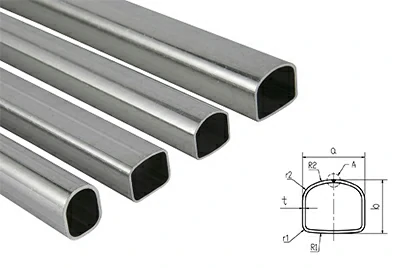
High purity aluminum is usually specified by purity grades such as 4N (99.99%), 4N5 (99.995%), and 5N (99.999%). It is used in electronics, capacitor foil, vacuum deposition, and other high-purity material applications where low impurity levels, stable conductivity, material cleanliness, and batch consistency are required.
Chalco Aluminum supplies high purity aluminum in ingot, slab/billet, plate, sheet, disc, target blank, and wire forms. These materials are used for capacitor foil, sputtering targets, semiconductor materials, vacuum evaporation materials, reflective components, and high-purity alloy feedstock. We can help match the required purity grade, dimensions, and supply form to your application.
- Critical Impurity Control
- COA and Composition Reports
- Batch Traceability Support
- Custom Dimension Processing
High Purity Aluminum Grades
High purity aluminum is commonly specified using N notation, such as 4N and 5N. Each additional "N" represents roughly one order of magnitude lower total impurity content. In practice, the right grade should be selected according to the application, rather than simply choosing the highest purity available.
| Purity Grade | Aluminum Content | Typical Applications |
| 4N | 99.99% | Capacitor foil, reflective materials, high-purity alloy feedstock |
| 4N5 | 99.995% | Electronic foil, target blanks, high-purity raw materials |
| 5N | 99.999% | Sputtering targets, semiconductor materials, evaporation coatings, optoelectronic materials |
1199 aluminum generally corresponds closely to 4N5 (99.995%) purity. Different purity grades are suitable for different applications, so final selection should be based on the intended use, impurity limits, and testing requirements—not simply on pursuing the highest purity.
High Purity Aluminum Supply Forms
Chalco Aluminum supplies high purity aluminum in forms suited to different downstream processes, including ingots, slabs/billets, plates, sheets, discs, target blanks, and wire. Final specifications should be confirmed based on purity grade, product form, impurity limits, application, and required testing.
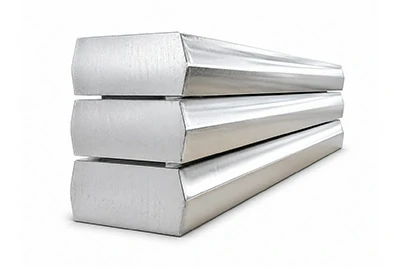
High Purity Aluminum Ingots / Round Ingots
Dimensions: φ30–φ450 mm
Applications: Remelting, high-purity alloy feedstock, capacitor foil raw material, target blank production
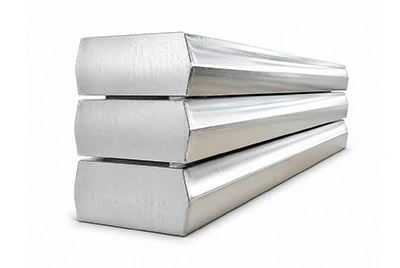
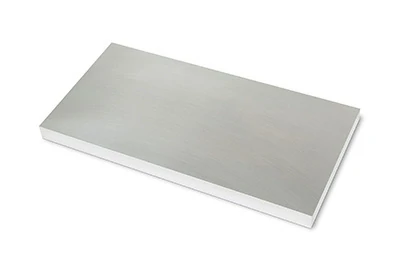
High Purity Aluminum Slabs / Plate Stock
Typical applications: Electronic aluminum foil, target machining, further rolling into sheet, strip, or foil
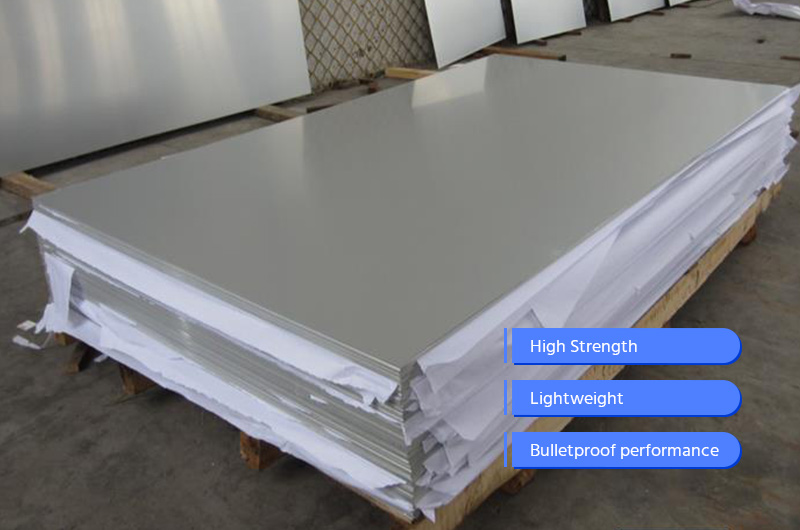
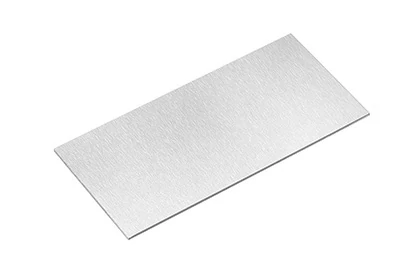
High Purity Aluminum Plate
Thickness: 0.125–2" (3.18–50.8 mm)
Width: 12–40" (305–1016 mm)
Length: 60–120"
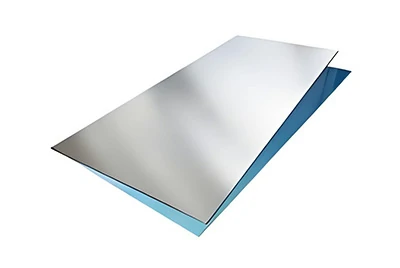
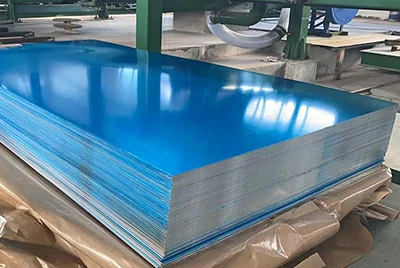
High Purity Aluminum Sheet
Thickness: 0.025–0.10" (0.64–2.54 mm)
Width: 12–40" (305–1016 mm)
Typical applications: Electronic components, reflective materials, research-grade materials
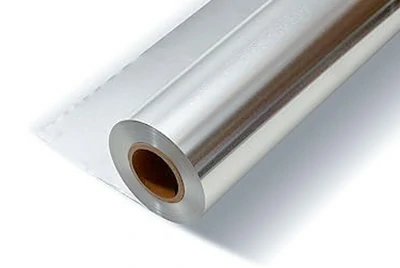
High Purity Aluminum Foil
Thickness: 0.0012–0.02"
Width: 8–20" (203–508 mm)
Typical applications: Electronic foil, capacitor foil, research materials, reflective components
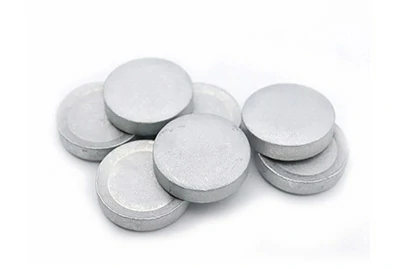
High Purity Aluminum Discs / Target Blanks
Common sizes: 2", 4", 6", 8"
Thickness: 0.125–0.25"
Typical applications: Sputtering targets, target blanks, semiconductor thin-film deposition, and optoelectronic coating applications
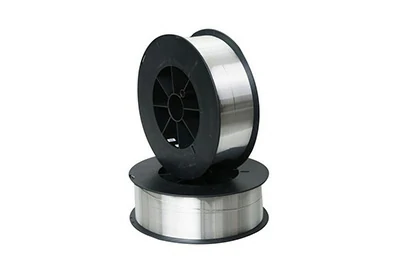
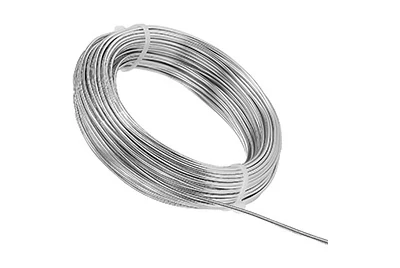
High Purity Aluminum Wire
Round wire: 1 mm / 1.5 mm / 2 mm
Flat wire width: 0.50–2.00 mm
Flat wire thickness: 0.10–0.30 mm
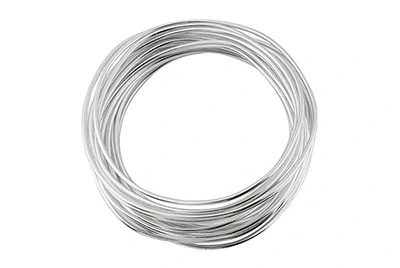
The above specifications are for reference only. Final supply solutions are confirmed based on purity grade, product form, dimensional tolerances, critical impurity limits, packaging, and required test documentation.
Key Characteristics of High Purity Aluminum
High purity aluminum is selected for applications that require low impurity levels, stable composition, and reliable batch consistency. These properties are especially important for electronic foil, sputtering targets, semiconductor bonding wire, and high-purity alloy feedstock.
- Low impurity content: Controlled levels of Fe, Si, Cu, and other elements minimize adverse effects on electrical conductivity, ductility, and processing stability
- Trace element control: Semiconductor and target applications often require strict limits on trace elements like U and Th
- Batch consistency: Suitable for continuous rolling, target fabrication, and long-term qualification programs
- Microstructural uniformity: Critical for stable processing and performance in sputtering targets and electronic materials
- Surface quality control: Minimizes scratches, oxidation, and contamination—essential for targets and reflective surfaces
- Stable electrical and thermal conductivity: Reduced impurities enhance both conductivity and thermal performance
- Clean packaging: Protective, contamination-free packaging reduces risks during shipping and secondary processing
Typical Applications of High Purity Aluminum
Different applications require specific purity grades, product forms, and impurity controls. Chalco Aluminum matches 4N, 4N5, and 5N high purity aluminum materials and delivery formats to your downstream processes.
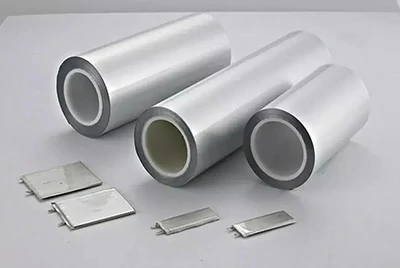
Electrolytic Capacitor Foil / Electronic Foil
Application: Anode foil, cathode foil, raw material for electronic aluminum foil rolling
Purity: 4N / 4N5
Products: High purity ingots, slabs, plate stock, strip/foil feedstock
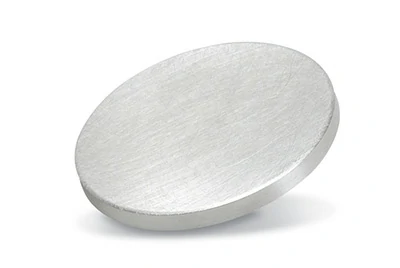
Sputtering Targets / Target Blanks
Purity: 5N
Products: High purity ingots, discs, target blanks, plate
Application: Aluminum target blanks for semiconductor interconnects, display panels, and optoelectronic deposition
Al Wire for Semiconductor Packaging
Application: High-purity alu feedstock for aluminum-based die-to-package bonding materials, including aluminum bonding wire used in power semiconductor packaging and other chip interconnect applications.
Products: round wire, flat wire for downstream aluminum bonding ribbon routes.
Evaporation Coating Materials
Application: Aluminum wire, flat wire, and source materials for vacuum evaporation
Purity: 4N–5N
Products: High purity wire, aluminum sheet
High Purity Alloy Feedstock
Application: High-performance aluminum alloys, master alloys, remelt feedstock for high-purity materials
Purity: 4N / 4N5 / 5N
Products: High purity ingots, slabs, plate stock
For semiconductor packaging projects, upstream high-purity aluminum selection and downstream interconnect selection are separate decisions. The final package design should independently consider bonding wire material selection, the ball versus wedge bonding process, and the wire-versus-ribbon format according to the package and interconnect requirements.
Chalco Aluminum High Purity Aluminum Production Process
Common production methods for high purity aluminum include the three-layer electrolytic process, segregation refining, and additional purification techniques. The three-layer electrolytic method is a mature industrial route capable of producing 4N, 4N5, and 5N high purity aluminum.
In the three-layer electrolytic process, molten aluminum, electrolyte, and purified aluminum form stable layers based on density differences. Aluminum ions migrate toward the high-purity layer during electrolysis, while impurities like Fe, Si, and Cu remain concentrated in the lower layers—enabling effective purification.
This controlled process reduces impurity levels and enhances purity stability, electrical conductivity, processing reliability, and batch consistency. As a high purity aluminum supplier, Chalco Aluminum matches the appropriate purity grade, delivery format, and test documentation to your project needs—supporting material selection, sample validation, and volume procurement.
Process Control and Quality Documentation
High purity aluminum quality depends not only on final purity values but also on consistent control throughout raw material sourcing, purification, processing, testing, and packaging. For applications like electronic foil, target blanks, bonding wire, and alloy feedstock, stable impurity control and comprehensive test reports are essential for customer material validation and supplier qualification.
Raw Material and Impurity Control
Common impurities such as Fe, Si, Cu, Ti, and V are controlled from the raw material stage. For semiconductor, target, and electronic material applications, trace elements such as U and Th can also be reviewed according to project requirements.
Purification and Batch Stability
Use proven purification and process controls to minimize impurity variation and ensure compositional consistency across batches—reducing material risks in downstream rolling, target machining, wire drawing, or remelting.
Processing and Surface Protection
For forms like sheet, discs, target blanks, and wire, maintain tight dimensional tolerances, adequate machining allowances, and control surface defects, oxidation, and contamination to optimize suitability for subsequent processing.
Testing and Traceability Verification
Depending on purity grade and application, verify major impurities, trace elements, dimensions, and surface condition. Maintain batch traceability records to help customers assess whether the material meets downstream processing and qualification requirements.
For high purity aluminum products, test documentation is not supplementary—it is an integral part of material quality confirmation.
Procurement and Project Support
High purity aluminum procurement involves more than selecting a purity grade. Product form, impurity limits, dimensional tolerances, test documentation, packaging, and downstream processing requirements should also be confirmed. Chalco Aluminum works with customers to identify a suitable supply solution for each project.
Purity and Impurity Verification
Depending on the application—such as capacitor foil, sputtering target blanks, semiconductor packaging, evaporation coating, or high-purity alloy feedstock—we assist in verifying required purity grades like 4N, 4N5, and 5N, with particular attention to critical impurities including Fe, Si, Cu, Ti, V, and U/Th.
Product Form Matching
The appropriate high purity aluminum form—ingots, slabs/billets, sheets, discs, target blanks, or high purity aluminum wire—should be selected based on downstream processing needs. This helps reduce issues during rolling, machining, target fabrication, wire processing, or semiconductor packaging applications.
Testing Documentation Support
We provide Certificates of Analysis (COA), chemical composition reports, and batch traceability documentation per project requirements, and support necessary third-party inspection to facilitate material validation and supplier qualification.
Custom Processing and Packaging
We offer custom cutting, disc machining, wire gauge confirmation, surface protection, and contamination-controlled packaging. Depending on product form, we can provide individual labeling, moisture-resistant packaging, or export-compliant solutions to reduce contamination risks during shipping and secondary processing.
As a high-purity aluminum supplier, Chalco Aluminum not only delivers the material but also addresses practical challenges in downstream processing, testing verification, and volume delivery—helping projects transition smoothly from material selection to procurement validation.
Information Required Before Requesting a Quote
To match the right high purity aluminum material and provide an accurate quotation, please share the key information below. If some specifications are not yet confirmed, you may first provide the intended application or reference standard.
- Purity Grade: 4N, 4N5, 5N, etc.
- Product Form: High-purity aluminum ingots, slabs/billets, sheets, discs, sputtering target blanks, or high-purity aluminum wire
- Dimensional Requirements: Thickness, width, diameter, length, or unit weight
- Critical Impurities: Fe, Si, Cu, Ti, V, U/Th, etc.
- Application: Capacitor foil, sputtering targets, semiconductor packaging, evaporation coating, high-purity alloy feedstock, etc.
- Quantity and Documentation: Purchase volume, COA, third-party inspection, or packaging requirements
If full specifications are not yet available, you may share the intended application or reference standards first. We can then help confirm the appropriate purity grade and supply format.
Frequently Asked Questions
What is high-purity aluminum?
High-purity aluminum refers to aluminum with very low impurity content, commonly designated by purity grades such as 4N, 4N5, and 5N. 4N indicates 99.99% aluminum, while 5N indicates 99.999% aluminum.
What's the difference between 4N, 4N5, and 5N high-purity aluminum?
The main difference lies in aluminum content and total impurity levels: 4N is 99.99% pure, 4N5 is 99.995% pure, and 5N is 99.999% pure. Higher purity means lower impurity concentrations and is typically required for semiconductor, sputtering target, and advanced electronic applications.
Is 1199 aluminum considered high-purity aluminum?
1199 aluminum typically contains at least 99.995% aluminum, aligning closely with 4N5 purity, and is used as industrial-grade high-purity aluminum. However, materials at 5N purity and above are generally specified by purity grade rather than traditional alloy designations.
What supply forms are available for high-purity aluminum?
Common supply forms include high-purity aluminum ingots, slabs/billets, sheets, discs, sputtering target blanks, and high-purity aluminum wire. Exact specifications depend on purity grade, dimensions, tolerances, impurity limits, and application requirements.
What are the primary applications of high-purity aluminum?
High-purity aluminum is commonly used in electrolytic capacitor foil, electronic aluminum foil, sputtering targets, semiconductor packaging wire, evaporation coating materials, and high-purity alloy feedstock.
What purity grade is typically used for capacitor foil?
Capacitor and electronic foils commonly use high purity aluminum in the 4N, 4N5, or approximately 3N8–4N8 range, depending on foil type and performance requirements. In addition to purity grade, Fe, Si, and Cu control, rolling stability, and batch consistency are important selection factors.
What purity grade is typically used for sputtering targets?
Sputtering targets typically require 5N or higher purity high-purity aluminum, with strict control of trace elements like U/Th, uniform microstructure, adequate machining allowance, and comprehensive COA documentation.
What factors influence high-purity aluminum pricing?
Price is typically affected by purity grade, product form, dimensional tolerances, critical impurity limits, testing documentation, order quantity, and packaging requirements. Materials such as 5N-grade, target blanks, discs, or those requiring special testing usually require individual quotation.
What information is needed to request a high-purity aluminum quote?
We recommend providing purity grade, product form, dimensional requirements, critical impurity limits, application, purchase quantity, testing documentation, and packaging needs. If specifications are incomplete, sharing the intended use allows us to help identify a suitable material solution.