Tin plating is a common metal surface treatment method, typically used to improve the surface stability of conductors during practical use. In power systems, conductive materials such as copper and aluminum are widely used in busbars, wires, and various electrical connectors, and their surface condition directly affects connection reliability and long-term operational performance.
By forming a uniform tin layer on the conductor surface, tin plating helps maintain consistency in the contact area, resulting in more stable surface conditions during assembly, connection, and operation. Therefore, tin plating has become a mature and common surface treatment method for electrical conductor products.
- Core Performance
- Product Forms
- Applications
- Process Selection
- Chalco Advantages
- Copper vs Aluminum
- Surface Treatments
Core performance characteristics of tin-plated conductors in power systems
In power systems, the stability of a conductor often depends not only on the material itself, but also, and perhaps more importantly, on the performance of the connection points over long-term use. Therefore, tin plating is widely used in products such as busbars, wires, and electrical connectors to improve the surface condition of conductors.
More stable connection, more peace of mind when using
Conductors are typically connected using bolts or terminals during installation. If the contact surfaces are inconsistent, unstable connections can easily occur over time. Tin-plated conductors have a more uniform surface, helping to maintain consistency in the connection and reducing potential connection problems caused by surface variations.
More adaptable to complex usage environments
Copper and aluminum conductors are prone to surface changes in humid, polluted, or temperature-fluctuating environments. Tin plating forms a stable metallic layer on the conductor surface, making the conductor more durable and less susceptible to external influences in these environments.
The goal is not to achieve "greater conductivity," but rather "greater stability."
Tin plating is not to make conductors "conduct more electricity," but to make the connection state less variable and more controllable during use.
For power systems, long-term stability is often more important than short-term indicators.
Helps reduce the risk of later maintenance
In many power projects, connection points are a key area for later maintenance. The superior connection stability of tin-plated conductors helps reduce the need for inspection and maintenance due to surface issues, thereby improving the overall reliability of the system.
Common tin-plated conductors in power systems | Chalco tin-plated product portfolio
Without altering the original structural design of the conductor, tin plating is primarily used to improve the surface condition of the connection area during actual use, making the conductor product more suitable for long-term power system applications. Based on different usage methods and installation locations, tin plating is typically applied to the following types of power conductor products.
-
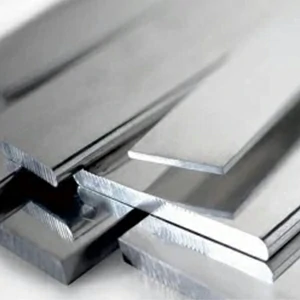 Tin-plated conductive busbar
It is mainly used in power distribution cabinets, switch cabinets and power distribution systems to perform the functions of current collection and distribution. Tin plating helps the connection parts remain stable for a long time and reduces the risk of contact during operation.
-
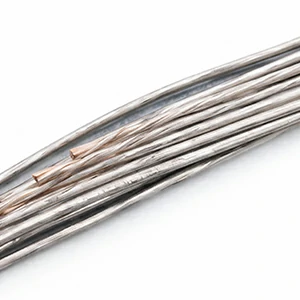 Tinned wires and stranded wires
It is commonly used in power lines that require crimping, welding or terminal connection. After tinning, the end of the conductor is more stable, and the assembly and subsequent use are more reliable.
-
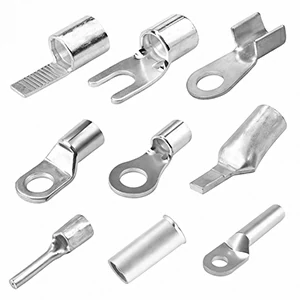 Tin-plated electrical connectors (terminals, copper lugs, etc.)
For connections between conductors and between conductors and busbars, tin plating can improve contact consistency and reduce the probability of problems at the connection points.
Typical applications of tin plating in electrical conductors
In power systems, the choice between tin-plated conductors typically depends on the operating environment, operating cycle, and connection reliability requirements. In the following application scenarios, tin plating is considered a common and mature option.
Cabinets and switchgear systems
There are numerous busbars and connectors that operate for extended periods. Tin plating helps maintain the stability of connections and reduces the risk of contact problems during long-term operation.
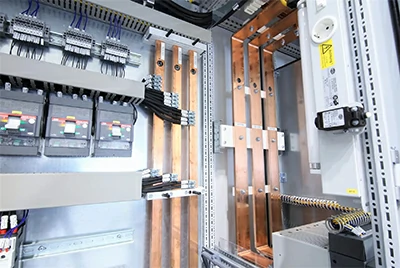
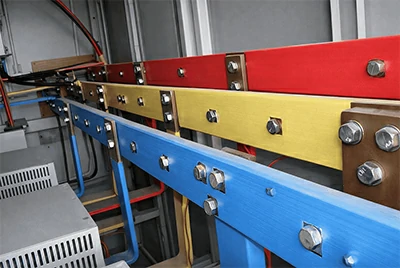
Power distribution and busbar scenarios
Connection reliability is critical in main circuits, branch circuits, and busbar joints where current is concentrated or distributed. Tin-plated conductors help maintain stable contact, supporting long-term continuous operation.
Systems requiring frequent assembly or maintenance
Some power systems require repeated assembly during installation or maintenance. Tin-plated conductors maintain a stable surface condition, reducing connection variability.
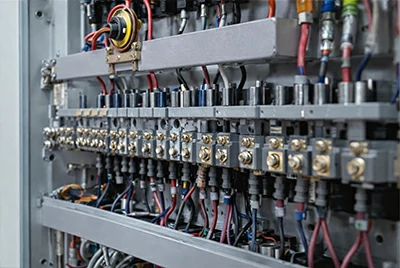
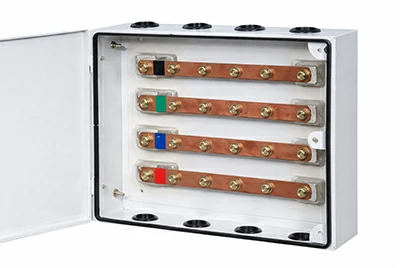
Applications with relatively complex environmental conditions
In humid, temperature-fluctuating, or contaminated environments, tin-plated conductors reduce environmental impact on connection points and improve system stability.
Tin plating process selection and engineering challenges
In the field of electrical conductors, tin plating is not a single, fixed process. Depending on the conductor material, structure, and subsequent processing and usage requirements, different process paths are typically chosen for tin plating.
These process paths differ significantly in coating structure, adhesion state, and applicable scenarios. Common engineering challenges in electrical conductors are often resolved through proper process selection and control.
-
Tin plating
It is more suitable for conductor products with high requirements for coating uniformity and batch consistency, and is often used in complete sets of applications such as busbars and connectors.
-
Chemical tin plating
It has strong coverage capabilities and is suitable for local or specific parts where structural consistency is required but efficiency is not a major concern.
-
Hot-dip tin plating
The coating has strong adhesion and is more suitable for applications with high requirements for durability and environmental adaptability, but it has higher requirements for subsequent processing methods.
Chalco's tin plating technology advantages
| Chalco Tin Plating Technical Specifications | |
| Surface treatment | Tin plating |
| process form | Electrolytic Tin Plating |
| Implementation Standards | ASTM B545; MIL-T-10727 |
| Coating grade | Grade A/Grade B (as defined by the standard) |
| Coating appearance | silver-white |
| Surface condition | Matte/Glossy |
| Applicable substrates | Copper, aluminum, and their alloys (electrical conductors) |
| Compliance | RoHS, REACH |
Risk Response
- Bending and assembly cracking risk: Chalco evaluates bending, crimping, and assembly stress during process selection, matching a tin plating route that better withstands deformation and reduces cracking risk.
- Tin thickness and batch consistency: Through standardized equipment and a stable, mature plating process, Chalco ensures consistent coating thickness and repeatable batch performance.
- Critical contact reliability: Based on actual connection methods, Chalco focuses on key electrical contact areas—such as busbar lap surfaces and crimp zones—to ensure coating performance aligns with assembly and operating conditions.
- Long-term supply stability: With in-house tin plating capabilities, Chalco standardizes proven process routes to deliver consistent tin-plated conductor products across projects and batches.
Engineering differences between copper tin plating and aluminum tin plating
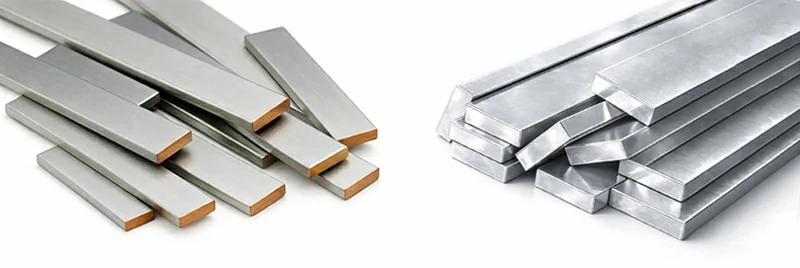
| Comparison Dimensions | Tin-plated copper | Tin-plated aluminum |
| Substrate surface characteristics | Copper surfaces are relatively stable and have strong adaptability to tin plating. | Aluminum has high surface activity, which makes tin plating more demanding. |
| Focus of tin plating process | More attention is paid to coating uniformity and batch consistency. | More attention is paid to coating adhesion stability and long-term reliability. |
| Subsequent processing adaptation | Suitable for bending, pressing and various assembly methods | It is necessary to make targeted matching based on the specific processing method. |
| Key risk points | Batch consistency and connection stability | Coating stability and operating conditions matching |
| Common application orientations | Power systems with high requirements for connection reliability | Power applications that emphasize a balance between lightweight design and cost |
| Chalco's response | Based on the product structure and assembly method, a mature and stable copper-tin plating process is matched to ensure consistency in the use of complete sets. | A tin plating solution was specifically developed for the characteristics of the aluminum substrate to ensure that the tin plating condition meets the requirements of actual assembly and long-term operation. |
Comparison of common coatings and surface treatment methods
In electrical conductor applications, tin plating is just one of many surface treatment methods. Different plating layers have different focuses in terms of conductivity, connection stability, environmental adaptability, and cost control. The selection usually needs to be based on the specific application scenario, rather than a simple substitution relationship.
-
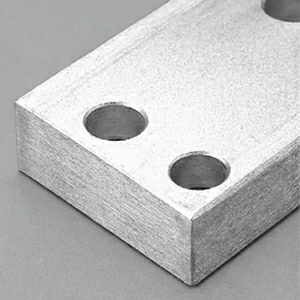 Tin plating
The most widely used surface treatment method in electrical conductors, which takes into account connection stability, applicability and cost control, is suitable for the conventional application of busbars, conductors and various electrical connectors.
-
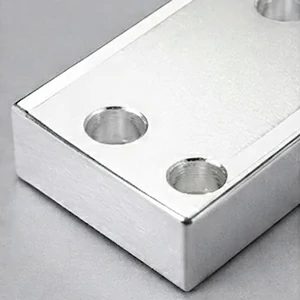 Silver plating
It performs better in terms of conductivity and contact performance, and is usually used in power applications with high requirements for connection performance or with well-defined operating conditions.
-
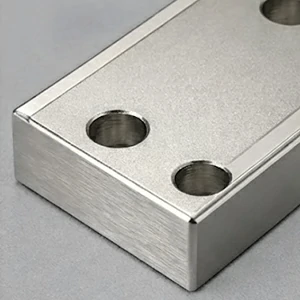 Nickel plating
It places greater emphasis on surface hardness and environmental adaptability, making it suitable for electrical conductor components that require special wear resistance or operating environment.
Chalco offers a variety of plating and surface treatment solutions, covering tin plating, electroplating, and other common plating methods. It can also combine conductor materials, structural forms, and project application requirements to help customers match more suitable surface treatment solutions and ultimately deliver ready-to-use conductor products.
Project Consulting
In power system applications, there is no unified standard for selecting tin-plated conductors. It typically requires a comprehensive assessment considering conductor material, structural form, connection method, and project lifecycle.
Chalco can provide complete support tailored to specific project needs, encompassing tin plating process selection, conductor structure matching, and finished product delivery. This helps customers achieve stable and sustainable power system applications while meeting engineering requirements.
Chalco can provide you the most comprehensive inventory of aluminum products and can also supply you customized products. Precise quotation will be provided within 24 hours.
Get a quote