Anodizing is a widely used and technologically mature method in aluminum surface treatment processes. Among the various anodizing processes, coil anodizing, due to its continuous production characteristics, is gradually becoming an important solution in architectural decoration and industrial applications.
Unlike traditional single-piece anodizing, coil anodizing processes entire coils of aluminum, allowing for continuous processing under stable production conditions. This not only improves production efficiency but also makes surface consistency easier to control in large-area applications. Therefore, coil anodizing has significant application value in fields such as curtain wall panels, interior decorative panels, and electronic decorative materials.
What is Coil Anodizing?
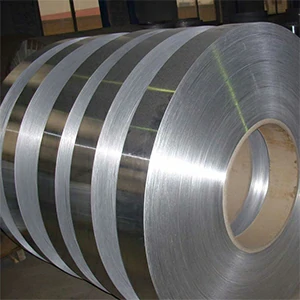
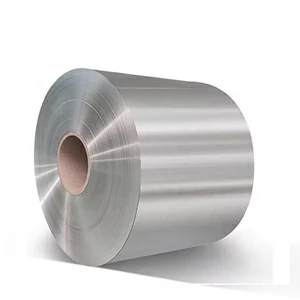
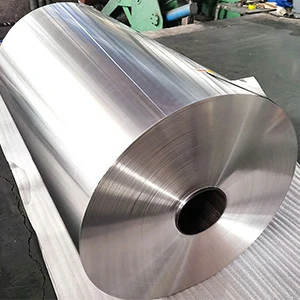
Coil anodizing refers to the continuous anodizing process of aluminum coils (coil or strip). Its basic principle is the same as that of traditional anodizing, that is, an aluminum oxide (Al₂O₃) film is generated on the aluminum surface through an electrochemical reaction.
Unlike batch anodizing of single sheets or profiles, coil anodizing is a continuous production process. The aluminum coil undergoes a series of processes including cleaning, anodizing, coloring, and sealing during production, and is ultimately rewound.
This continuous processing method enables more stable process control, resulting in uniform film thickness and consistent appearance, making it suitable for large-scale industrial applications.
Anodizing Process for Coil Materials
Coil anodizing is typically completed on a continuous production line. Unlike traditional single-piece processing, aluminum coils are processed sequentially through various processing steps in strip form, achieving continuous processing under stable process conditions.
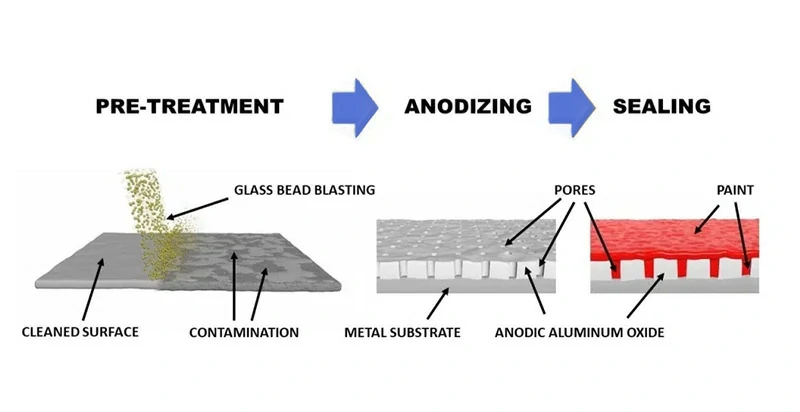
This continuous processing method not only improves production efficiency but also ensures that the film thickness, color, and surface condition remain consistent throughout the entire roll. A typical process includes key steps such as cleaning, etching, anodizing, coloring, and sealing.
Cleaning
Cleaning is used to remove oil, impurities and residues from the surface of aluminum coils, which is the basis for ensuring the uniform formation of the subsequent oxide film.
In continuous production, cleaning needs to remain stable under high-speed operation. Chalco ensures uniform surface treatment across the entire roll through a multi-stage cleaning and online control system, providing a stable base for subsequent processes.
Etching
Etching is used to adjust the microstructure of aluminum surfaces to create a uniform matte or decorative surface effect.
In continuous production, etching uniformity directly affects the final appearance. Chalco ensures consistent surface condition across the entire roll through stable process control, preventing localized differences from impacting the final result.
Anodizing
Anodizing is a process in which an electric current is passed through an electrolyte to form a dense oxide film on the aluminum surface. It is a core step that determines corrosion resistance and decorative effect. On a continuous anodizing production line, aluminum strips pass through the electrolysis system at a constant speed, and the current density, linear velocity, and electrolyte parameters are under stable control, thereby achieving uniform film growth.
Chalco has extensive experience in continuous anodizing control, enabling it to stably maintain film thickness within the range of 5–25 μm and ensure high consistency across the entire roll, significantly reducing localized film thickness fluctuations. This stability better meets the surface consistency requirements of building curtain walls and large-area decorative applications.
Coloring
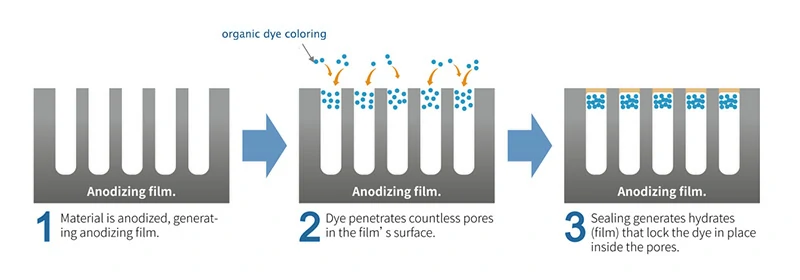
Coloring is used to give anodized aluminum different appearance effects. In coil applications, it not only affects the decorative effect but also directly relates to the consistency of the entire roll. In practical applications, organic dyeing and electrolytic coloring are the two main methods.
Organic dyeing: By allowing dyes to penetrate the pores of the oxide film, rich and customizable color effects can be achieved, making it suitable for scenarios with high color requirements, such as interior decoration.
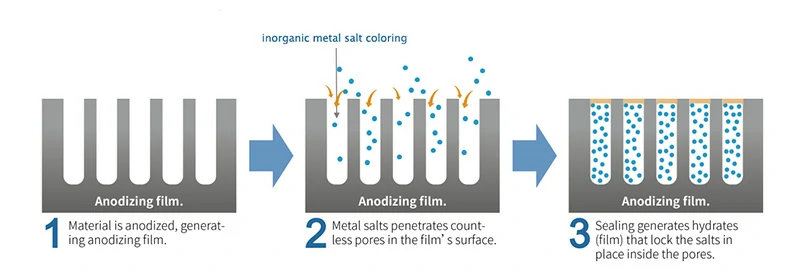
Electrolytic coloring: This method forms a color structure through the deposition of metal salts, resulting in better weather resistance and stability, and is suitable for building curtain walls and outdoor applications.
In continuous anodizing production, the challenge of coloring lies not in achieving the desired color, but in maintaining consistent color control throughout the entire roll. Because the aluminum coil passes continuously through the production line, any process fluctuations are amplified into color differences. Based on the continuous anodizing system, Chalco can simultaneously support organic dyeing and electrolytic coloring processes, combined with stable production control, to achieve consistent color output throughout the entire roll. In large-area applications, this effectively reduces color differences, meeting the appearance consistency requirements of architectural and decorative projects.
Sealing
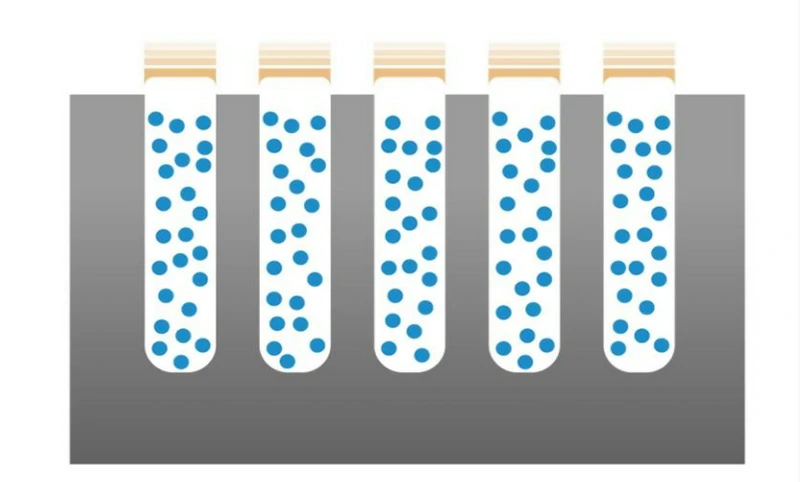
The sealing process is used to seal the microporous structure in the anodic oxide film and is a key step in ensuring corrosion resistance and long-term stability. It affects a range of properties, including oxidation abrasion resistance, gloss, and color durability.
Under continuous production conditions, Chalco employs continuous and multi-stage sealing technologies to maintain stability in the sealing process throughout the entire roll, thereby significantly improving film density. Regarding sealing quality control, Chalco can consistently achieve sealing levels of ≤20 mg/dm², and in demanding applications, achieve even lower weight loss values (e.g., <10 mg/dm²), significantly outperforming conventional processes.
This sealing capability not only enhances corrosion resistance but also helps improve color stability and long-term performance of the material, making it particularly suitable for outdoor applications and those requiring high weather resistance.
Continuous Anodizing Technology
Continuous anodizing is the core method of coil surface treatment, and its key lies in the stability of the entire production process over a long period of time. Aluminum coils pass through cleaning, etching, anodizing, coloring, and sealing processes sequentially at a constant speed under uniform and controllable conditions, thereby avoiding batch fluctuation problems common in traditional batch processing methods and achieving consistency in film layer, color, and surface condition across the entire coil.
In actual production, the challenge of continuous anodizing lies not in the process itself, but in the long-term stable matching of various process parameters. Linear speed, current density, solution state, and online monitoring systems need to operate in tandem; any minute fluctuations can be amplified into variations across the entire roll. Therefore, for building curtain walls and large-area decorative applications, stable continuous control capability is crucial to ensuring consistency and reliability.
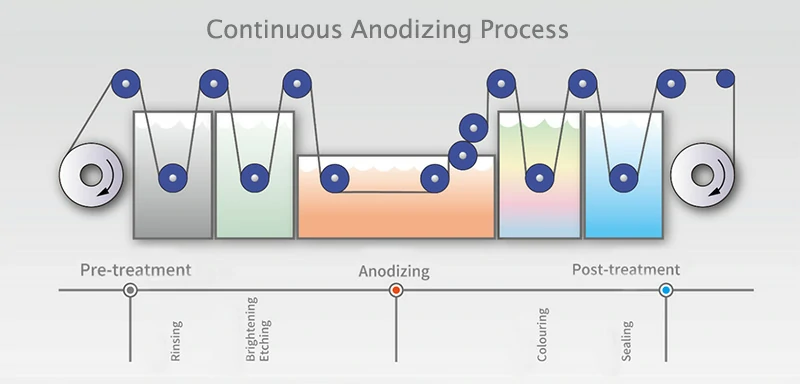
Based on its mature continuous anodizing system, Chalco possesses stable capabilities in key process control, primarily reflected in the following aspects:
Stable film thickness control throughout the roll: Under continuous production conditions, the film thickness can be stably controlled within the range of 5–25 μm, and uniform output is maintained throughout the entire roll.
High-consistency color control: Through stable coloring and process matching, color consistency is achieved in large-area applications, reducing color difference issues.
Continuous and multiple sealing technologies: Sealing quality can be stably controlled at ≤20 mg/dm², and even lower levels (e.g., <10 mg/dm²) can be achieved in demanding applications.
Online process control and monitoring system: Achieves stable output under continuous production by real-time control of line speed, solution state, and key parameters.
High-volume continuous supply capability: Suitable for engineering projects and large-scale applications, ensuring supply stability and product consistency.
Anodizing for Different Aluminum Product Forms
Anodizing can be applied to various aluminum materials, including aluminum coils, plates, tubes, profiles, and wires. Although the basic reaction principle is the same, the processing methods differ depending on the product form.
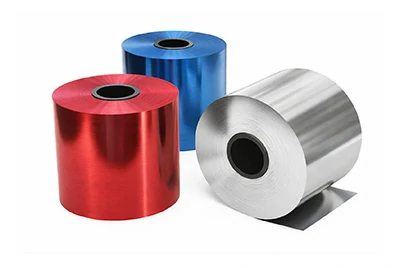
Processed using a continuous anodizing production line, it is suitable for large-area surface applications.
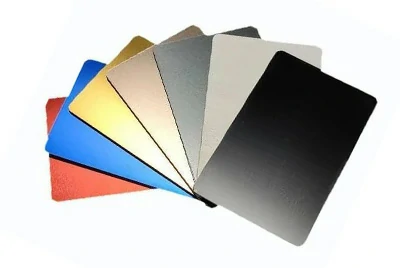
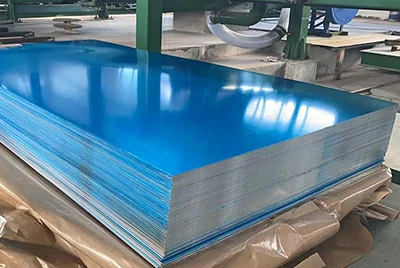
Anodized Aluminum sheet (single piece)
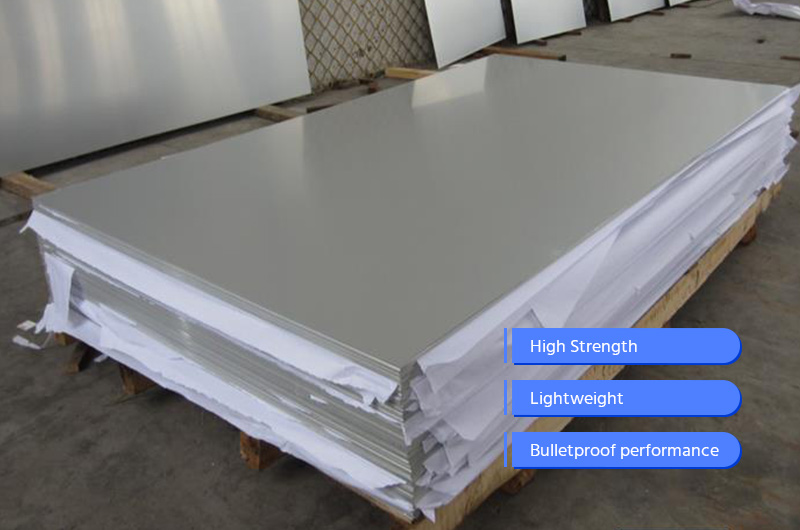
Batch anodizing is typically used, where each piece is processed individually using a fixture, which may result in batch-to-batch variations.
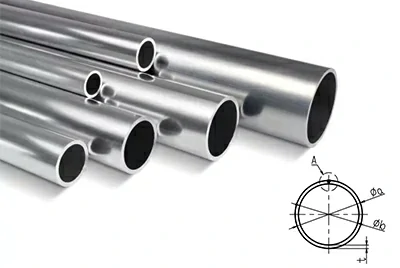
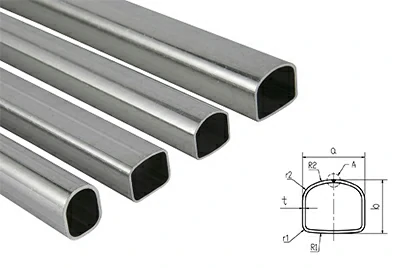
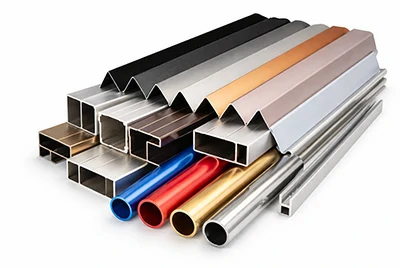
Anodized Aluminum tubes and profiles
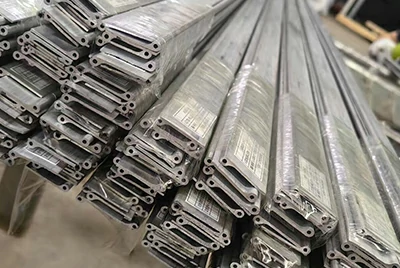
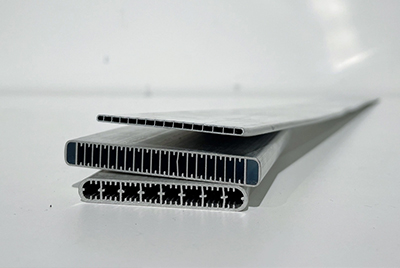
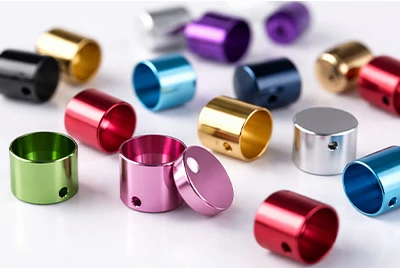
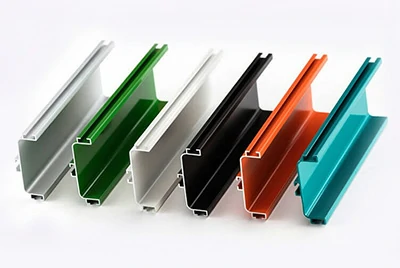
Anodizing using mounting fixtures is often employed, but complex cross-sections may result in incomplete and uneven film distribution.
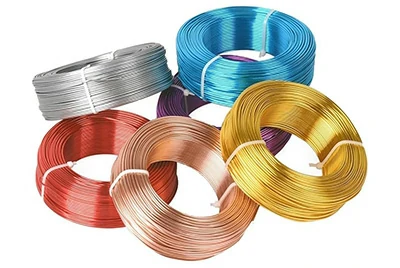
Generally, batch or semi-continuous processing is carried out in rolls or reels, which limits the surface consistency.
Different aluminum profiles require corresponding treatment methods during anodizing to meet their respective structural characteristics and application needs. This is based on long-term application and control capabilities of various anodizing processes.
Chalco not only provides continuous anodizing products for coils, but also covers the anodizing processing and supply of various products such as aluminum plates, profiles, aluminum tubes and aluminum wires, achieving stable delivery and application in multiple fields such as architectural decoration, industrial manufacturing and electronic applications.
Key Points for Design and Specification Selection of Anodized Aluminum Coils
In the application of coil anodized aluminum, material properties depend not only on the process itself but also on specific specifications. Appropriate specification selection helps achieve stable performance under different environmental conditions.
1. Film thickness
Different application environments have different requirements for corrosion resistance, and the appropriate film thickness range usually needs to be selected according to the application scenario. For interior decoration applications, a thinner film layer can be used, while for building facades or outdoor environments, a thicker film layer is required to improve weather resistance.
2. Color consistency
In large-scale applications, color stability is often more critical than the color itself. Continuous anodizing allows for consistent processing conditions throughout the roll, making it easier to control color differences, which is especially important in architectural projects.
3. Sealing quality
The quality of pore sealing is a crucial factor affecting long-term performance. Good sealing can effectively improve corrosion resistance and color stability. In practical applications, appropriate sealing methods and control standards should be selected based on specific environmental conditions.
4. Surface treatment effect
The surface finish also needs to match the design requirements. Different surface conditions, such as matte, fine sand, or decorative texture, will directly affect the final visual effect and functional performance.
*Quick overview of key specifications:
- Film thickness (typically 5–25 μm, depending on the application environment)
- Color consistency control (a key focus for large-area applications)
- Sealing quality (affects corrosion resistance and weather resistance)
- Surface finish (matte/textured/decorative effect)
Application Areas of Coil Anodized Aluminum
Anodized aluminum coils are mainly used in applications requiring high surface consistency and durability, and are particularly suitable for large-area continuous applications.
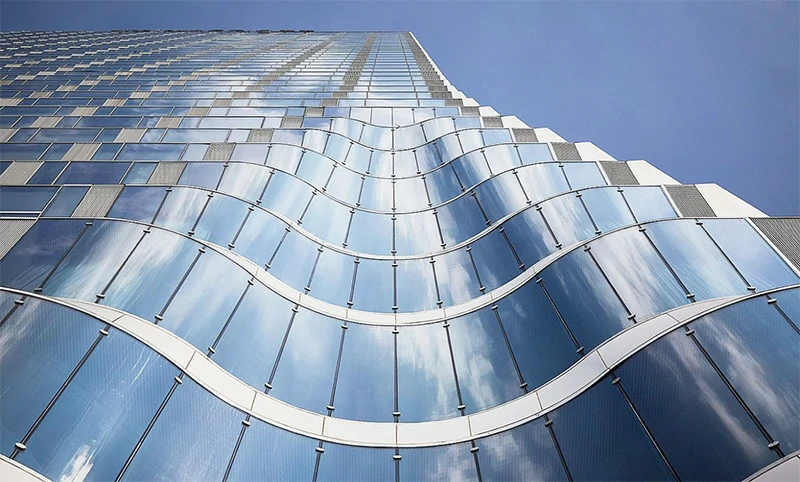
- Building curtain wall and facade systems : Anodized films have excellent weather resistance and corrosion resistance, while continuous processes ensure color and surface consistency during large-area application.
- Interior decorative panels : Anodizing can achieve a stable decorative effect and uniform surface texture, making them suitable for interior applications where high consistency in appearance is required.
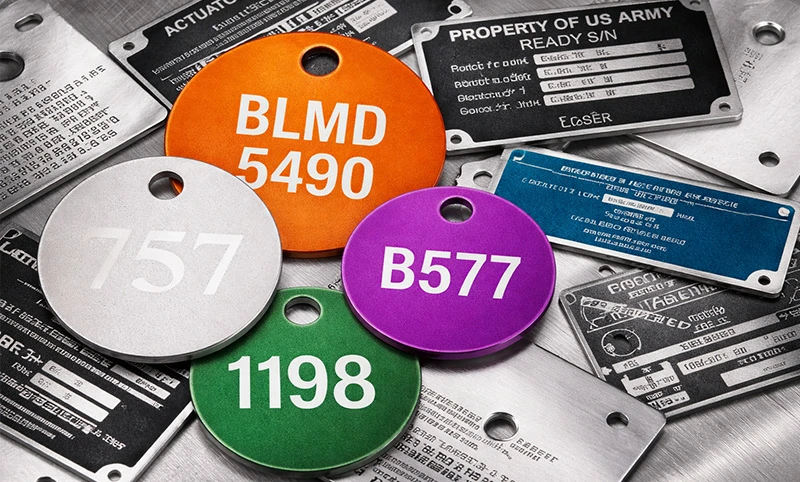
- Electronic nameplates and function panels : Anodized films offer excellent corrosion resistance and surface stability, making them suitable for marking, printing, and fine surface treatment applications.
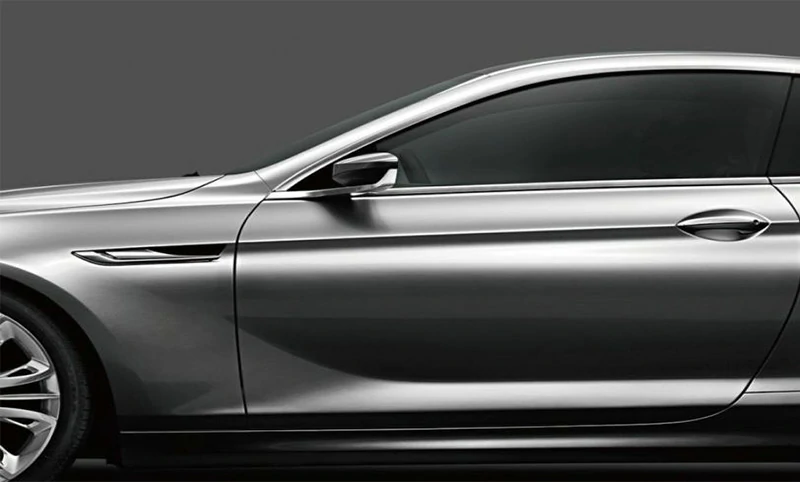
- Transportation components : Anodizing can improve the wear resistance and corrosion resistance of materials while maintaining their lightweight advantages.
- Lighting and reflective materials: Anodized films form stable surfaces, improving reflectivity and long-term optical stability; can be further enhanced with additional treatments.
- Cleanrooms and controlled environments: Anodized films have dense, stable surfaces that resist detachment and particles, ensuring low contamination and high quality in controlled spaces.



Choose a Trustworthy Anodizing Product Supplier
In practical applications, anodizing is not merely a single processing step, but a complex system engineering project involving material selection, process matching, and quality control. Different product forms, application environments, and performance requirements place different demands on anodizing methods and control capabilities. Therefore, the following considerations should be taken into account when selecting a partner:
- Continuous production capacity: Does it support stable output of entire rolls?
- Process control capability: Whether key parameters remain stable over a long period of time.
- Quality consistency: Is film thickness, color, and sealing controllable?
- Project delivery capability: Can it support large-volume, stable supply?
Based on its mature expertise in continuous anodizing and various anodizing processes, Chalco can provide anodizing solutions covering a wide range of product forms, including aluminum coils, plates, profiles, tubes, and wires, supporting process matching and stable supply for different application scenarios.
Project Consulting and Cooperation Support
Chalco offers comprehensive anodizing solutions with stable process control, consistent surface quality, and project-specific customization support to meet the needs of various product forms and application scenarios. For further information on our technical solutions or to match specific project requirements, please feel free to contact us.
Chalco can provide you the most comprehensive inventory of aluminum products and can also supply you customized products. Precise quotation will be provided within 24 hours.
Get a quote