As vehicle electrification accelerates and charging infrastructure expands, connection methods in battery and charging systems are rapidly evolving. Compared with traditional cable wiring, Battery Bus Bars are increasingly adopted in automotive, EV, and charging applications for their superior structural integration, connection reliability, and overall system stability.
With project-driven engineering experience, Chalco delivers application-oriented Battery Bus Bar solutions for automotive, EV, and charging systems—supporting structural design, material selection, and manufacturing feasibility to meet system-level integration requirements.
Why are more and more automotive, EV, and charging systems adopting Battery Bus Bars?
In automotive battery and charging systems, current connection is no longer just a choice of individual components, but is increasingly becoming an integral part of the system's structural design. With the increase in system power and structural integration, the Battery Bus Bar demonstrates significant advantages in the following aspects:
Adaptable to high current and compact structure: Inside the battery pack and charging cabinet, the Bus Bar helps to create a clearer and more stable current path, reducing the space occupation and management difficulty caused by complex wiring.
Matching modular system design: Modular battery systems and power units have high requirements for connection consistency, and Bus Bar is more conducive to achieving repeated assembly and system-level standardization.
Improve assembly consistency and reliability: The use of a fixed-structure conductive busbar helps reduce assembly deviations and is suitable for mass production and project delivery applications.
Therefore, in automotive, EV, and charging projects, the Battery Bus Bar is typically an engineered component configured based on the application location and system structure, rather than a standard part in a general sense.
Typical Battery Bus Bar Configurations by Application
In automotive, EV, and charging systems, battery bus bar design typically starts with the application location, then considers current levels, installation space, and system structure to determine the specific structural form and dimensions, rather than adopting a uniform specification. Different installation locations present significant differences in the structure, thickness, and manufacturing requirements of the busbar.
Inside Battery Cells & Modules
The space is compact, there are many connection points, and the requirements for assembly consistency are high.
Structural concerns:
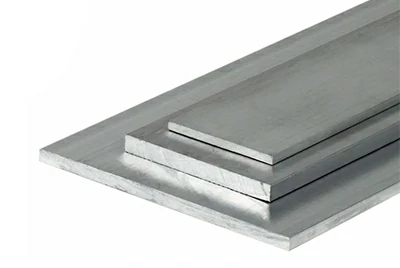
- Mostly thin and wide-flat structure
- More attention is paid to hole position accuracy and spacing consistency
- Size is typically designed around the arrangement of cells or modules, rather than carrying ultra-high current at a single point.
Common configuration approaches:

Inter-module connection
Located in the main circuit area inside the battery pack, it carries a higher current than the internal connections of the module.
Structural concerns:
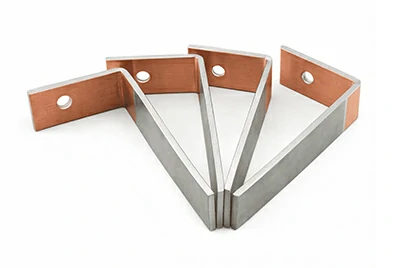
- The cross-sectional dimensions are typically larger than the internal conductive busbars of the module.
- Often requires bending or shaping to fit the spatial layout.
- High requirements are placed on the structural stability and dimensional control after molding.
Common configuration approaches:
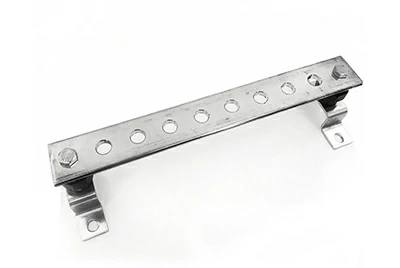
Battery Pack Main Terminals
The location of system-level current collection or output places high demands on connection reliability.
Structural concerns:
- Thicker gauges or porous structures are typically used.
- Mainly using stud connection method
- It is often combined with tin plating or silver plating to improve contact stability.
Common configuration approaches:
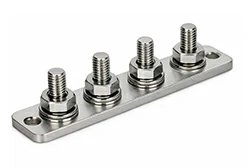
Stud-mounted bus bars
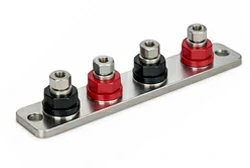
Battery post bus bars
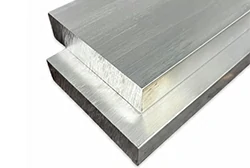
Thick-gauge flat conductive busbar
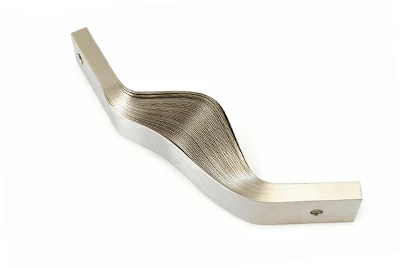
High power distribution area
High power density places high demands on current path consistency and system stability.
Structural concerns:
- Multi-layer stacked or compact structural design
- Size and number of layers are typically determined based on system layout and current paths.
- More attention is paid to overall electrical and structural stability
Common configuration approaches:
Charging system and grounding network
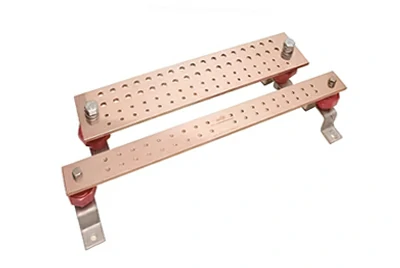
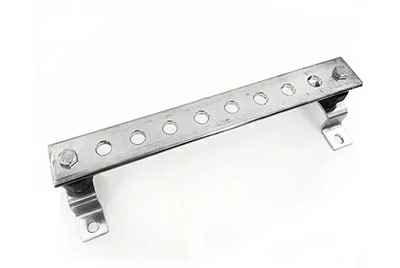
Used for internal power distribution and safety grounding in charging equipment, it has a relatively simple structure but clear reliability requirements.
Structural concerns:
- Mostly linear flat plate structures
- Pre-drilled holes facilitate installation and maintenance.
- With security and connection reliability as the main design goals
Common configuration approaches:
Chalco's Engineering roles and project experience in the automotive, EV, and charging sectors
In automotive, EV, and charging system projects, the Battery Bus Bar is often not a standalone product selection, but rather an engineering component that needs to be confirmed in conjunction with the battery structure, current path, and installation conditions. Based on project-specific application needs, Chalco participates in relevant project communication and solution confirmation as an engineering support supplier.
Leveraging its experience in the manufacturing and processing of aluminum and composite conductor materials, Chalco can collaborate with customers in the following areas:
- Discussion on the layout and form of conductor bus based on system architecture
- Material selection and structural orientation confirmation for different application parts
- Manufacturing feasibility assessment based on battery pack, module, or charging system structure
- Batch consistency and processing path coordination to meet project delivery requirements
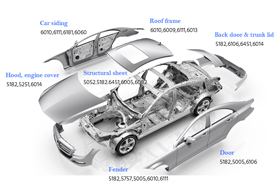
In the automotive and new energy vehicle sectors, Chalco's aluminum materials and structural solutions have been involved in numerous vehicle and electrification platform projects, collaborating with international automotive brands such as Tesla, Toyota, and Ford. Based on its experience in automotive and EV projects, Chalco has accumulated practical experience in material selection, structural adaptation, and engineering collaboration, providing support for the engineering integration of Battery Bus Bar within automotive battery and charging systems. Specific solutions will be determined based on project requirements.
Note: The above collaborative experience is based on project practices at the level of automotive and electrification related materials and structures, and does not involve direct product declarations for specific models or components.
Material Selection for Battery Bus Bar
In automotive, EV, and charging system projects, the material selection for battery bus bars typically requires a balance between conductivity, structural weight, system integration, and cost targets. Material preferences also vary significantly depending on the application and system conditions. Based on project requirements, Chalco can assist in the engineering selection and manufacturing validation of a variety of common conductor material options.
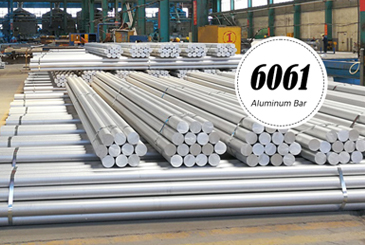
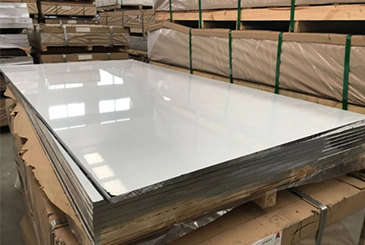
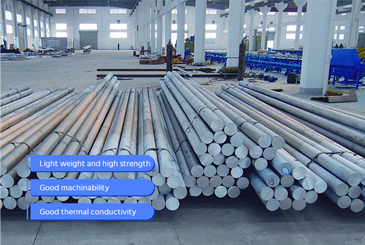
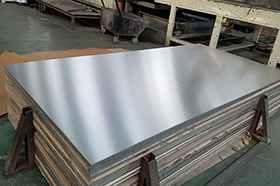
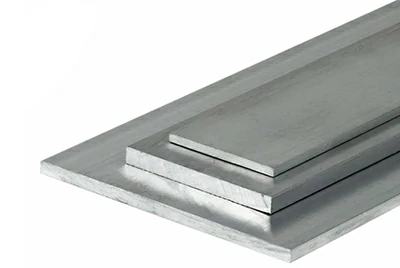
Aluminum Battery Bus Bar
Widely applied in automotive battery packs, energy storage systems, and charging equipment due to their lightweight and structural flexibility.
Supports high system integration and weight reduction, available in straight, bent, or perforated forms to meet current and layout requirements.
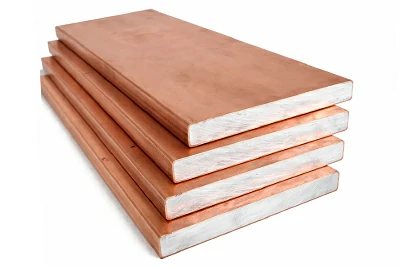
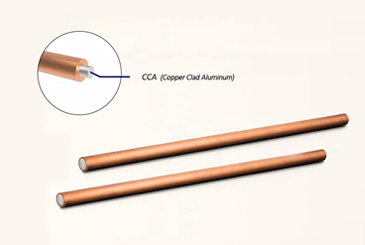
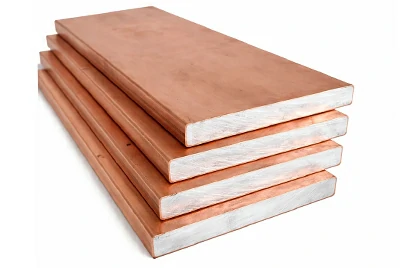
Copper-clad aluminum Battery Bus Bar
Copper-clad aluminum balances conductivity and weight optimization, making it suitable for medium-to-high current applications within battery systems.
It is commonly used for internal pack connections and power distribution areas where both electrical performance and cost control are required.
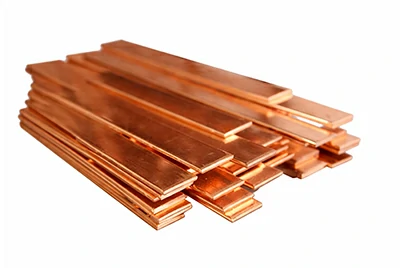
Copper Battery Bus Bar
In certain applications with specific requirements for conductivity or contact stability, copper battery bus bars can be used as an option.
Chalco can provide engineering support and manufacturing verification for copper bus bars, provided the project conditions are clearly defined.
In real-world projects, the selection of materials for battery bus bars is typically not determined by a single factor, but rather by a comprehensive consideration of the application location, current level, structural design, and system objectives. Chalco can provide engineering support within the aforementioned material options based on project requirements.
Processing and Manufacturing Coordination
In automotive, EV, and charging system-related Battery Bus Bar projects, Chalco provides manufacturing and engineering support covering structural fabrication, connection methods, and surface properties. Key capabilities include:
Precision cutting and contour machining
support CNC cutting and machining of straight and irregularly shaped Bus Bars, suitable for different sizes, current ratings and structural layout requirements.
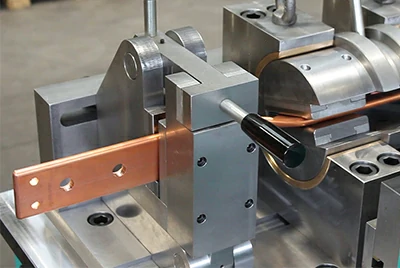
The bending and forming capabilities
allow for single or multiple bending and forming, meeting the requirements for module connection, space-constrained installation, and non-coplanar arrangement, with a focus on controlling the bending angle and structural consistency.
CNC drilling and connection structure processing
supports structural forms such as through holes, countersunk holes and bolt holes, and is suitable for stud connections, battery terminal fixing and grounding installation scenarios.
The high-current connection structure is compatible
with high-current applications such as Stud-mounted Bus Bar and main positive and negative Bus Bar, and the connection area is designed with specific structural and surface features.
The surface treatment solution
supports common surface treatment methods such as tin plating and silver plating, which are used to improve contact resistance, enhance oxidation resistance, and improve long-term connection stability.
Dimensional tolerances and consistency are controlled
to maintain batch consistency in key dimensions such as thickness, width, hole positions, and bending angles, adapting to the needs of battery system assembly and large-scale application.
The processing and manufacturing capabilities of the Battery Bus Bar directly impact its assembly efficiency and system reliability. Chalco can provide project-specific engineering manufacturing support, focusing on structural processing, connection methods, and surface properties.
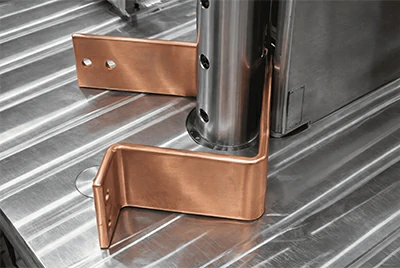
Project Coordination and Engineering Support
In automobiles, EVs, and charging systems, Battery Bus Bars are typically used on a project-by-project basis, and their structure and configuration need to be confirmed in conjunction with the overall battery system design.
Based on its experience in automotive and electrification projects, Chalco can provide the following engineering cooperation and support for Battery Bus Bar projects:
- Communication regarding application scenarios and system architecture (battery pack/vehicle system/charging system)
- Battery Bus Bar Structure and Layout Confirmation
- Material selection recommendations (aluminum/CCA/copper and surface treatment)
- Hole positions, dimensions, tolerances, and assembly conditions fit
- Customized manufacturing support based on drawings or project parameters
If you are working on projects related to automotive battery systems, EV electrification platforms, or charging systems, please feel free to provide your application background or structural information to the Chalco team to obtain corresponding project-based Battery Bus Bar solutions.
Chalco can provide you the most comprehensive inventory of aluminum products and can also supply you customized products. Precise quotation will be provided within 24 hours.
Get a quote