This video introduces enamelled wire used in electrical winding applications.
Enamelled wire, available in round or flat shapes, consists of a conductor coated with insulating enamel. It can be used in electric motors, transformer coils, and various electrical devices. The enamel layer provides protection against electrical and mechanical stress, and wires can be supplied with different insulation thicknesses, conductor sizes, and packaging options to meet specific requirements.
Chalco enamelled wire meets international standards such as IEC-60317, GB/T, JIS, NEMA, and RoHS, and holds quality certifications including ISO 9001, CQM, SGS, and UL (E234565). The enamel coating process ensures uniform diameter and adhesion, while the insulation supports automated winding and assembly.
These enamelled wires are applied in motor windings, transformer coils, instrument coils, and other electrical winding systems where insulated conductors are required. Different conductor shapes, insulation grades, and sizes can be selected based on electrical and thermal performance needs.
What types of enamelled wire are available?
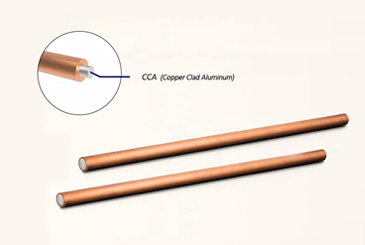
Enamelled wire is available in round and flat shapes, and can be made from aluminium, copper, or copper-clad aluminium conductors.
What insulation types and thickness grades can be supplied?
Insulation types include polyester, polyimide, and polyester-imide coatings. Different thickness grades can be selected based on voltage, thermal, and mechanical requirements.
What are the typical applications of enamelled wire?
It is used in motor windings, transformer coils, generators, instrument coils, energy storage systems, and other electrical winding equipment.
Can wire dimensions and shapes be customized?
Yes, conductor diameters, widths (for flat wire), and packaging options can be tailored to meet customer specifications.
What quality standards and certifications does the wire meet?
Chalco enamelled wire complies with IEC-60317, GB/T, JIS, NEMA, and RoHS standards, and holds ISO 9001, CQM, SGS, and UL certifications.
How is insulation performance tested?
Insulation is tested for thickness, adhesion, dielectric strength, and thermal resistance to ensure reliable performance in electrical winding applications.